
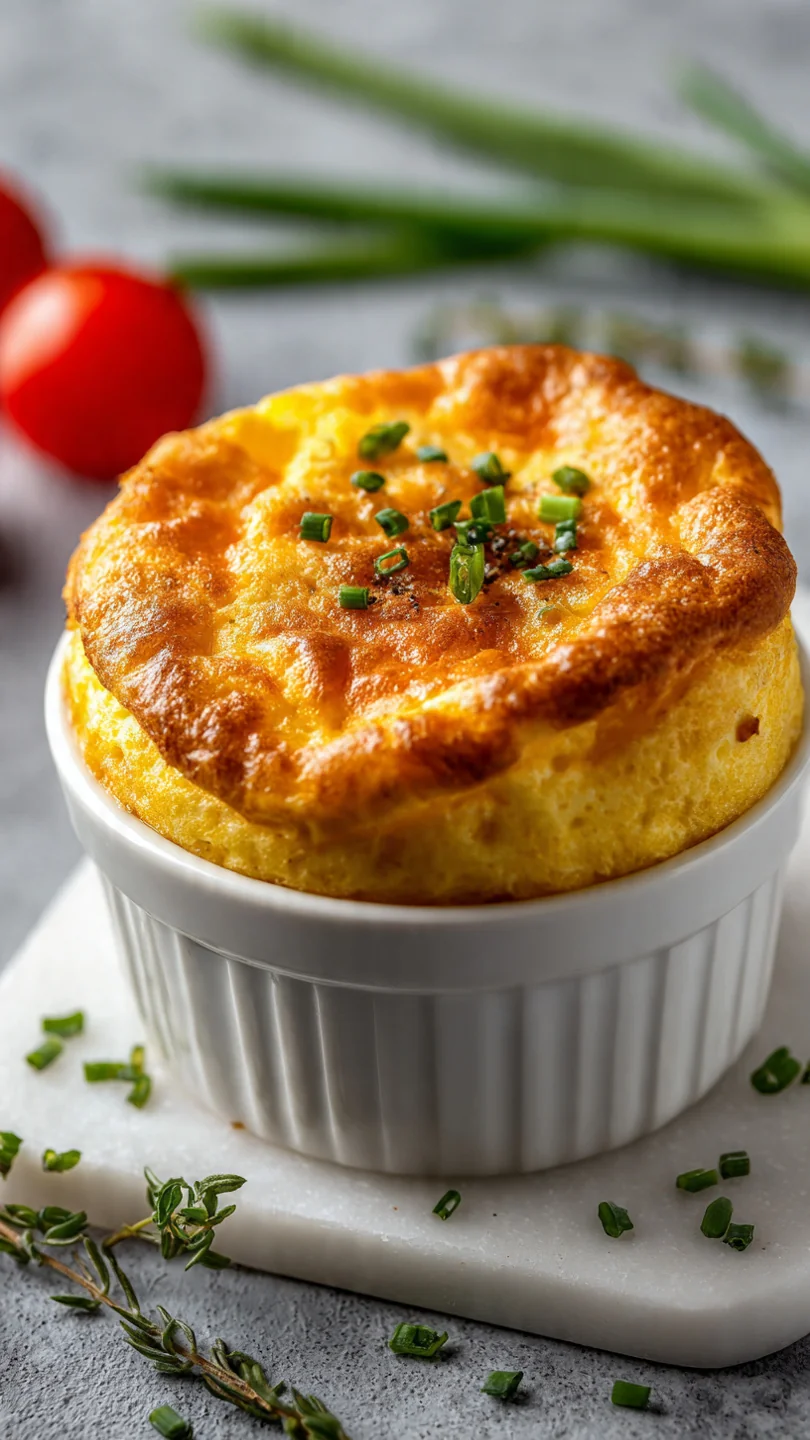
There’s a moment of pure culinary theater when you pull a perfectly risen soufflé from the oven. That majestic, golden dome, trembling slightly, promises an interior that’s both ethereally light and deeply savory. For many home cooks, the soufflé sits on a pedestal of intimidating French cuisine, but I’m here to tell you it’s a technique, not magic.
With an understanding of a few key principles—a stable base, properly whipped egg whites, and the courage not to open the oven door—you can consistently achieve this impressive dish. This classic savory cheese soufflé, built on a Gruyère béchamel, is my go-to for a special lunch or a elegant dinner party starter. It’s rich, cheesy, and has a texture that melts on the tongue.
This recipe transforms simple ingredients into a show-stopping dish. Here’s what makes it a keeper:
- Guaranteed Rise: The detailed techniques for the base and egg whites ensure a tall, stable structure every time.
- Deep, Complex Flavor: Using a combination of nutty Gruyère and salty Parmigiano-Reggiano creates a far more interesting taste than a single cheese.
- Make-Ahead Friendly: You can prepare the cheese base (panade) several hours in advance, making last-minute assembly a breeze.
- Elegant & Versatile: It’s perfect for a fancy brunch, a light dinner with a salad, or an impressive first course.
- A Confidence Builder: Mastering this recipe will demystify egg-white-leavened dishes forever.
Ingredients You’ll Need
- Let’s gather our ingredients. This is a beautiful example of how a handful of pantry staples—butter, flour, milk, eggs, cheese—can be transformed into something extraordinary. Quality matters here, especially with the cheese. A truly good Gruyère will have a complex, slightly sweet nuttiness that forms the soul of the dish. The Parmigiano-Reggiano adds a salty, umami punch. For the eggs, large and room temperature are non-negotiable for maximum volume. The mustard and spices are subtle background players that elevate the cheese without overpowering it.
- Unsalted butter: For the roux and greasing the dish. Controlling the salt is key.
- All-purpose flour: The structure-builder for our béchamel base.
- Whole milk: Cold milk helps prevent lumps when making the sauce.
- Dijon mustard: A tiny bit adds depth and cuts the richness.
- Freshly grated nutmeg & cayenne: Classic warm spices that complement cheese beautifully.
- Egg yolks & whites: Separated carefully. The yolks enrich the base; the whites provide the lift.
- Cream of tartar: An acid that stabilizes the egg white foam, giving you more leeway.
- Gruyère cheese: Finely grate it yourself for the best melt. Avoid pre-shredded cheese with anti-caking agents.
- Parmigiano-Reggiano cheese: For the batter and for dusting the dish.
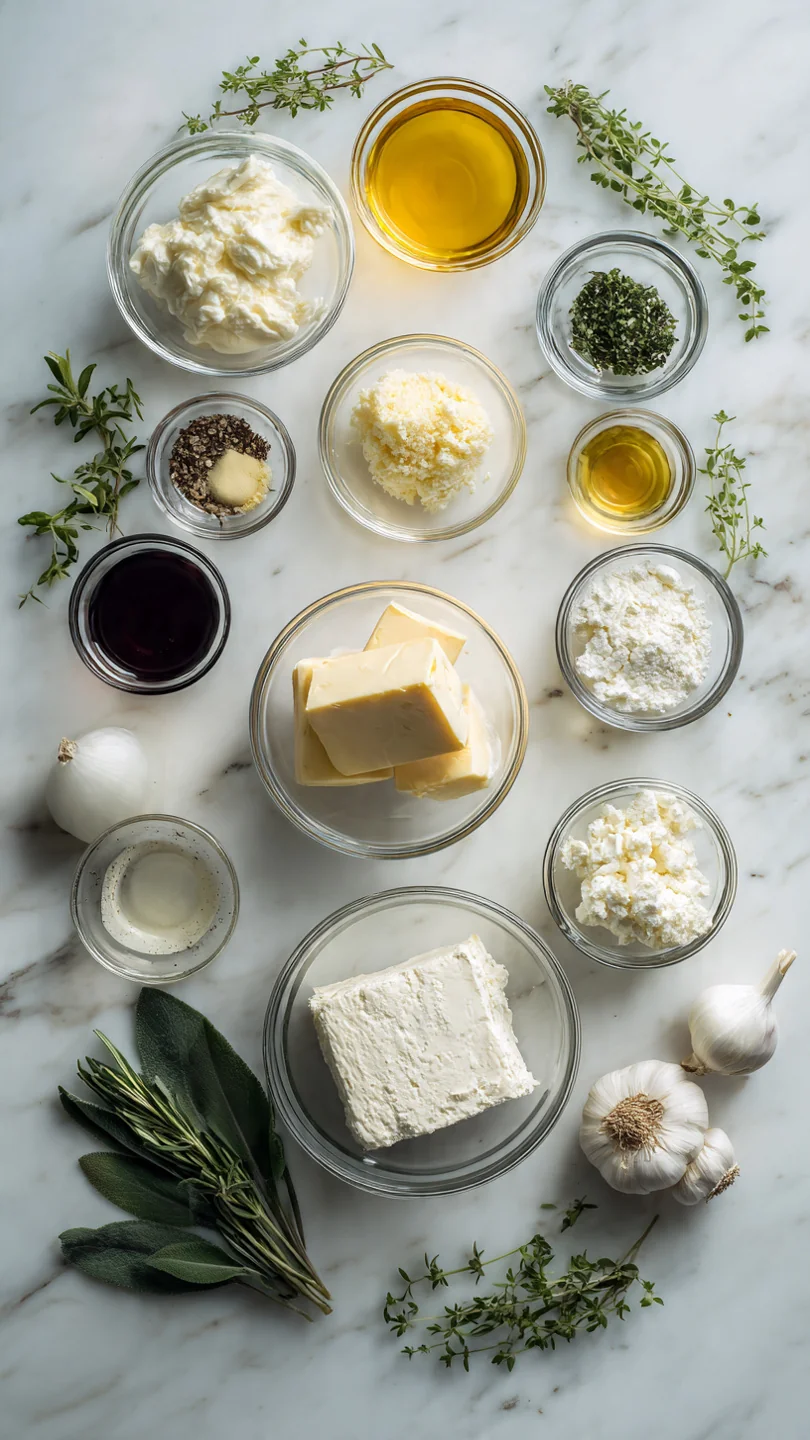
Note: You’ll find the complete list of ingredients, along with their exact measurements, in the printable recipe card at the bottom of this post.
Kitchen Equipment Needed
You don’t need specialized gear, but the right tools make success easier. The most important item is a straight-sided soufflé dish (1.5-quart/6-cup capacity). The straight sides guide the batter upward.
A stand mixer or hand mixer is highly recommended for whipping the egg whites to the perfect consistency without exhausting your arm. A heavy-bottomed saucepan ensures even heat for your béchamel, and a flexible rubber spatula is essential for gentle folding. An instant-read thermometer takes the guesswork out of doneness.
How to Make Classic Savory Cheese Soufflé Recipe
Step 1: Prepare the Dish and Oven
This first step is all about setting the stage for success. Preheat your oven to 375°F with a rack in the lower third—this ensures the bottom heat helps launch the soufflé upward. Now, take your softened butter and generously coat the entire interior of your soufflé dish.
For an extra trick, sprinkle a tablespoon of your grated Parmigiano into the buttered dish and tilt it to coat the sides and bottom, tapping out the excess. This creates a delicious, textured surface that the batter can grip as it rises, promoting a straighter, taller climb.
Step 2: Create the Flavorful Base
Here we build the flavor foundation, or panade. Melt butter in your saucepan over medium heat, then whisk in the flour. Cook this roux for a full two minutes, stirring constantly.
Trust me, this cooks out the raw flour taste and is non-negotiable. Whisk in the cold milk all at once—the temperature shock helps prevent lumps. Keep whisking until it thickens and bubbles.
Remove it from the heat and whisk in the mustard, nutmeg, cayenne, salt, and pepper. Let it cool for about 5 minutes so you don’t cook the egg yolks, then whisk them in one at a time. Finally, stir in the grated Gruyère until you have a smooth, thick, and cheesy paste.
Set this aside to cool slightly.
Step 3: Whip the Egg Whites to Perfect Peaks
Your bowl and beaters must be impeccably clean and dry; any trace of fat will inhibit the whites. Start beating the whites and cream of tartar on medium speed until foamy, then crank it to high. Watch them transform from cloudy to opaque to glossy.
Tip from me: You want stiff peaks that stand straight up when you lift the beater, but the foam should still look moist and smooth, not clumpy or dry. Over-beaten whites become grainy and won’t fold in smoothly, risking a collapsed soufflé.
Step 4: Gently Combine and Pan
Now comes the delicate dance of folding. Stir a big scoop (about a quarter) of the whipped whites directly into the cheese base to loosen it. This makes folding the rest much easier.
Using your spatula, gently fold in the remaining whites in two additions. Cut down through the center, sweep along the bottom, and fold over the top. Believe me, it’s better to have a few faint streaks of white than to over-mix and deflate the air you worked so hard to incorporate.
Pour the billowy batter into your prepared dish and smooth the top.
Step 5: Bake and Serve Immediately
Just before it goes in the oven, run your thumb around the inside rim of the dish to create a shallow trench. This “moat” helps the soufflé rise with a classic top hat shape. Place it in the oven and immediately reduce the temperature to 350°F.
Do not open the door for at least 20 minutes! Bake for 25-28 minutes total. It’s done when beautifully golden, the center has a slight jiggle, and an instant-read thermometer inserted into the center reads 160°F.
Serve it immediately, straight from the oven to awed applause.
A few insights from the kitchen can make the difference between good and great.
- Temperature is Key: Room temperature egg whites whip up higher and more stable. Take your eggs out 30 minutes before you start. Conversely, using cold milk for the béchamel helps prevent lumps when you add it to the hot roux.
- The Fold: When combining the whites and base, use a large, flexible spatula and a gentle hand. Imagine you are trying to preserve as many of those precious air bubbles as possible. A few streaks are fine.
- The Oven Door is a Lock: The most common reason for a soufflé fall is opening the oven door too early. The rush of cooler air shocks the delicate structure. Use the oven light and window to check color, and trust the timer and thermometer.
- Serving Rush: A soufflé waits for no one. Have your guests seated and salads served before you take it out of the oven. The dramatic fall is part of the charm, but you want to enjoy it at its peak.
Recipe Variations
- The basic formula is a canvas for your favorite flavors. Here are some tested variations.
- Herb & Goat Cheese: Fold 2 tablespoons of finely chopped chives and 2 ounces of crumbled fresh goat cheese into the base along with 3 oz of Gruyère.
- Smoked Gouda & Bacon: Use smoked Gouda in place of half the Gruyère. Fold in 1/4 cup of finely chopped, cooked bacon (well-drained) with the cheese.
- Sun-Dried Tomato & Basil: Add 2 tablespoons of finely chopped oil-packed sun-dried tomatoes and 1 tablespoon of chopped fresh basil to the base.
- Mushroom Duxelles: Sauté 1 cup of finely chopped mushrooms in 1 tbsp butter until dry, season with thyme, and cool. Fold into the base before adding egg whites.
- Gluten-Free: Substitute the all-purpose flour with an equal amount of a 1:1 gluten-free flour blend. The results are excellent.
What to Serve With This Recipe
A cheese soufflé is rich, so pair it with light, acidic, or crisp elements. A simple mixed green salad with a sharp shallot vinaigrette is the classic and perfect accompaniment. For a heartier meal, serve it with a roasted tomato soup or a sauté of seasonal vegetables like asparagus or haricots verts.
In terms of drinks, a crisp Sancerre or Chablis (white Burgundy) complements the cheese beautifully, or a dry sparkling wine makes it feel even more celebratory. It’s ideal for a leisurely weekend lunch or as the elegant first course of a dinner party.
Storage & Make-Ahead Instructions
- Let’s be honest: a soufflé is best served immediately. However, you can expertly stage the components.
- Make-Ahead Base: The cheese béchamel base (through adding the egg yolks and cheese) can be made up to a day ahead. Press plastic wrap directly onto the surface and refrigerate. Let it come to room temperature for an hour before proceeding with the recipe.
- Storing Leftovers: Any cooled leftovers can be covered and refrigerated for up to 2 days. It will be deflated but still delicious.
- Reheating: Reheat individual portions in a 350°F oven for 10-12 minutes until warmed through. It won’t re-puff dramatically, but the flavor remains wonderful.
Frequently Asked Questions
Q: Can I make this soufflé ahead of time?
A: You can prepare the cheese base (the panade) up to 24 hours in advance and keep it refrigerated. Bring it to room temperature before folding in the whipped egg whites. The whipping, folding, and baking must be done just before serving for the best rise.
Q: Why did my soufflé collapse?
A: A slight fall is normal once out of the oven, but a major collapse is usually due to under-whipped egg whites, over-mixing when folding, or—most commonly—opening the oven door during the critical first 20 minutes of baking. The structure is fragile until fully set.
Q: Can I use a different type of cheese?
A: Absolutely. Choose flavorful, good-melting cheeses like Comté, Emmental, sharp cheddar, or Fontina. Avoid overly soft, moist cheeses like fresh mozzarella, as they can make the base too wet.
Always grate it yourself for best results.
Q: Do I really need cream of tartar?
A: It’s highly recommended, especially for beginners. Cream of tartar stabilizes the egg white foam, giving you a wider window of perfect stiffness and making the soufflé more forgiving. In a pinch, 1/2 tsp of lemon juice or white vinegar can be used.
Q: How do I know it’s done without opening the oven?
A: Rely on time and visual cues through the window. At 25-28 minutes, it should be deeply golden brown. The most reliable method is an instant-read thermometer; the center should register 160°F (71°C).
Q: Can I freeze a baked soufflé?
A: I don’t recommend it. The delicate airy texture does not survive freezing and thawing well. The make-ahead base method is a much better strategy for planning.
Q: What if I don’t have a classic soufflé dish?
A: You can use any straight-sided, oven-safe ceramic dish of similar volume. Individual 1-cup ramekins also work beautifully; reduce the baking time to 18-20 minutes.
Final Thoughts
Mastering a classic cheese soufflé is one of those kitchen accomplishments that fills you with a real sense of pride. It’s not about complex ingredients, but about understanding and respecting a process. This recipe breaks down that process into clear, actionable steps, backed by the professional tips that guarantee your success.
Remember, even if it cracks or falls a little more than you’d like, the flavor—that rich, cheesy, cloud-like interior—will always be spectacular. So, gather your ingredients, trust the method, and embrace the drama. I promise the moment you present that puffed, golden masterpiece at your table, any nerves will be replaced by pure delight.
Please let me know how it turns out in the comments below, and don’t forget to share your proud #soufflemoment with me!

Classic Savory Cheese Soufflé
Equipment
- 1.5-quart (6-cup) straight-sided soufflé dish
- Medium saucepan
- Whisk
- Stand mixer or hand mixer
- Large rubber spatula
- Instant-read thermometer (highly recommended)
Ingredients
- 3 tbsp unsalted butter plus extra for greasing the dish
- 3 tbsp all-purpose flour
- 1 cup whole milk cold
- 1/2 tsp Dijon mustard
- 1/4 tsp freshly grated nutmeg
- 1/4 tsp cayenne pepper or a pinch of paprika
- 1/2 tsp kosher salt
- 1/4 tsp freshly ground black pepper
- 4 large egg yolks at room temperature
- 5 large egg whites at room temperature
- 1/4 tsp cream of tartar
- 4 oz Gruyère cheese finely grated (about 1 1/4 cups packed)
- 1 oz Parmigiano-Reggiano cheese finely grated (about 1/3 cup packed)
Instructions
- Preheat your oven to 375°F (190°C) with a rack in the lower third. Generously butter the bottom and sides of a 1.5-quart (6-cup) soufflé dish. For extra insurance, you can dust the buttered dish with a tablespoon of grated Parmigiano-Reggiano, tapping out the excess. This creates a flavorful crust that helps the soufflé climb.
- Make the béchamel base (panade). In a medium saucepan over medium heat, melt the 3 tablespoons of butter. Whisk in the flour and cook, stirring constantly, for about 2 minutes until it smells nutty but is not browned. Trust me, cooking the flour is crucial to remove the raw taste. Whisk in the cold milk all at once. Continue whisking vigorously until the mixture thickens and comes to a simmer. Cook for 1 more minute, then remove from heat. Whisk in the Dijon, nutmeg, cayenne, salt, and pepper. Let cool for 5 minutes, then whisk in the egg yolks one at a time until fully incorporated. Finally, stir in the grated Gruyère until melted and smooth. Set aside.
- Whip the egg whites. In a scrupulously clean, dry bowl, use a hand mixer or stand mixer to beat the egg whites and cream of tartar on medium speed until foamy. Increase speed to high and beat until stiff, glossy peaks form. Tip from me: The peaks should hold their shape when you lift the beaters, but the mixture should still look moist and smooth, not dry or grainy.
- Fold the mixtures together. Add about one-quarter of the whipped egg whites to the slightly cooled cheese base. Stir vigorously to lighten the base. Now, gently fold in the remaining egg whites in two additions using a large rubber spatula. Believe me, it’s okay if a few white streaks remain; over-mixing is the enemy of a tall soufflé. Pour the batter into the prepared dish and smooth the top.
- Bake and serve immediately. Run your thumb around the inside edge of the dish to create a ‘moat’ – this helps the soufflé rise straight up. Place it in the oven and immediately reduce the temperature to 350°F (175°C). Bake for 25-28 minutes without opening the oven door. It’s done when the top is deep golden brown, the center jiggles slightly, and an instant-read thermometer inserted into the center reads 160°F (71°C). Serve immediately straight from the oven.