
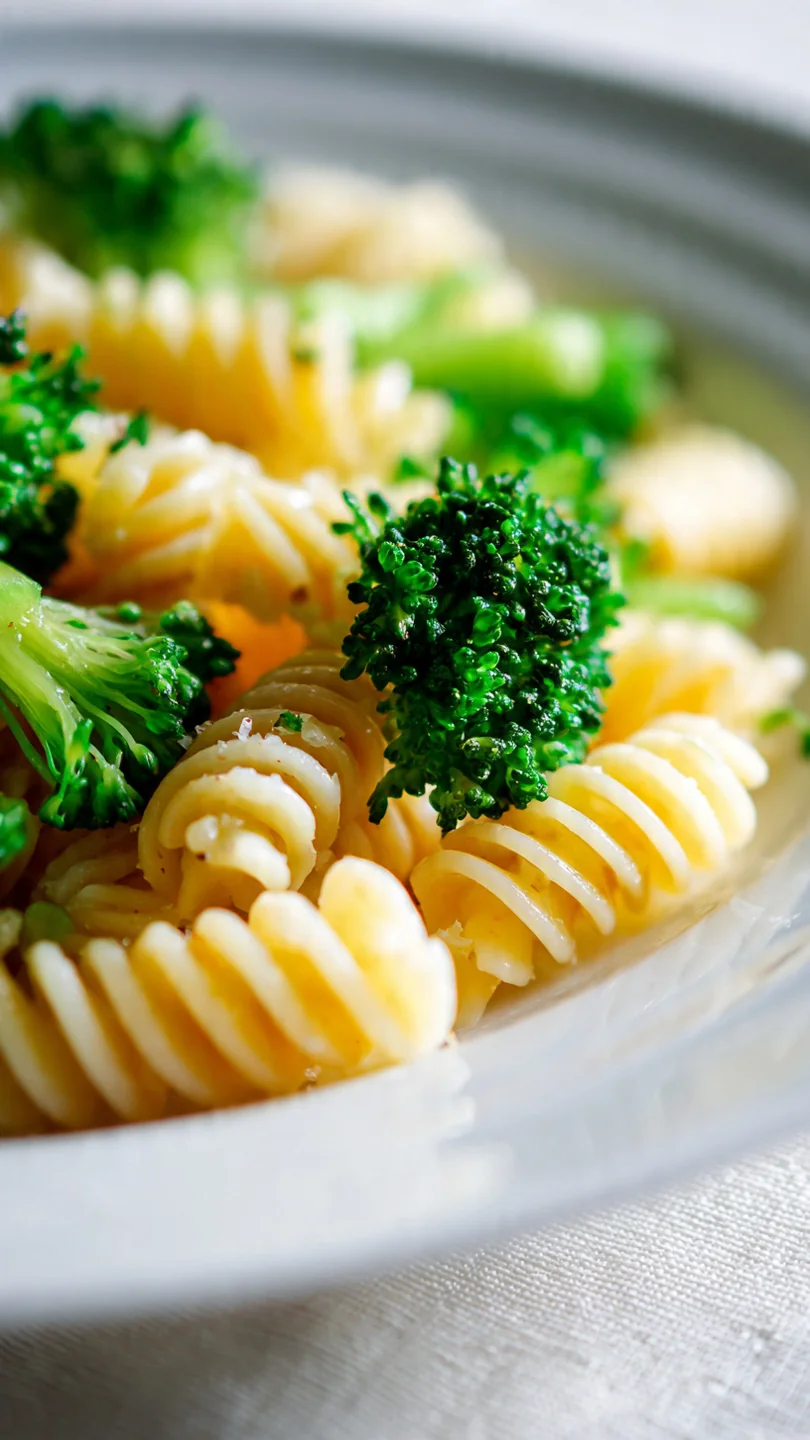
There’s a quiet magic in a dish that transforms a few humble ingredients into something greater than the sum of its parts. On a busy weeknight, when time is short but the craving for something genuinely satisfying is high, this creamy broccoli pasta is my culinary sanctuary. It’s the answer to the question of what’s both nourishing and indulgent, quick yet feels special.
The broccoli doesn’t just play a supporting role here—it’s the star, lending its earthy sweetness to a vibrant, creamy sauce that clings to every noodle. You’ll get a bowl of comfort that’s brightened with lemon and garlic, finished with a snowfall of parmesan. It’s the kind of recipe you’ll return to again and again, not just because it’s easy, but because it’s downright delicious.
This broccoli pasta recipe earns its place in your regular rotation for several compelling reasons that go beyond simple taste.
- One-pan convenience: We cook the broccoli right in the pasta water, streamlining the process and saving you from washing an extra pot.
- Big flavor, fast: In under 30 minutes, you build layers of flavor with garlic, shallot, lemon, and parmesan that taste like they simmered for hours.
- Zero-wish cooking: You’ll use the entire broccoli, including the often-discarded stem. Peeling and chopping it adds wonderful texture and reduces food waste.
- Creamy without being heavy: The sauce gets its luxurious body from an emulsion of pasta water, cheese, and a touch of cream, not from a full cup of heavy dairy.
- Diet-flexible: Easily adaptable for gluten-free needs with alternative pasta, and you can lighten it up with half-and-half.
- Kid-approved elegance: It’s creamy, cheesy, and familiar enough for picky eaters, yet sophisticated enough to serve to guests with a crisp white wine.
Ingredients You’ll Need
- Let’s gather our ingredients—this is where simple pantry staples come together to create a little weeknight magic. Quality matters here, but in a practical way. A fresh head of broccoli with tight, dark green florets and a firm stem will give you the best texture and flavor. For the pasta, choose a short shape with grooves or tubes like rigatoni, penne, or cavatappi; they trap the creamy sauce perfectly. Freshly grating your parmesan is non-negotiable for the best melt and flavor—pre-grated cheese contains anti-caking agents that can make your sauce grainy. The lemon provides the essential bright note that cuts through the richness; zest it first, then juice it. If you don’t have a shallot, a small yellow onion works fine. And remember, that reserved starchy pasta water isn’t just an ingredient; it’s the key to a silky, restaurant-quality sauce that clings to every noodle.
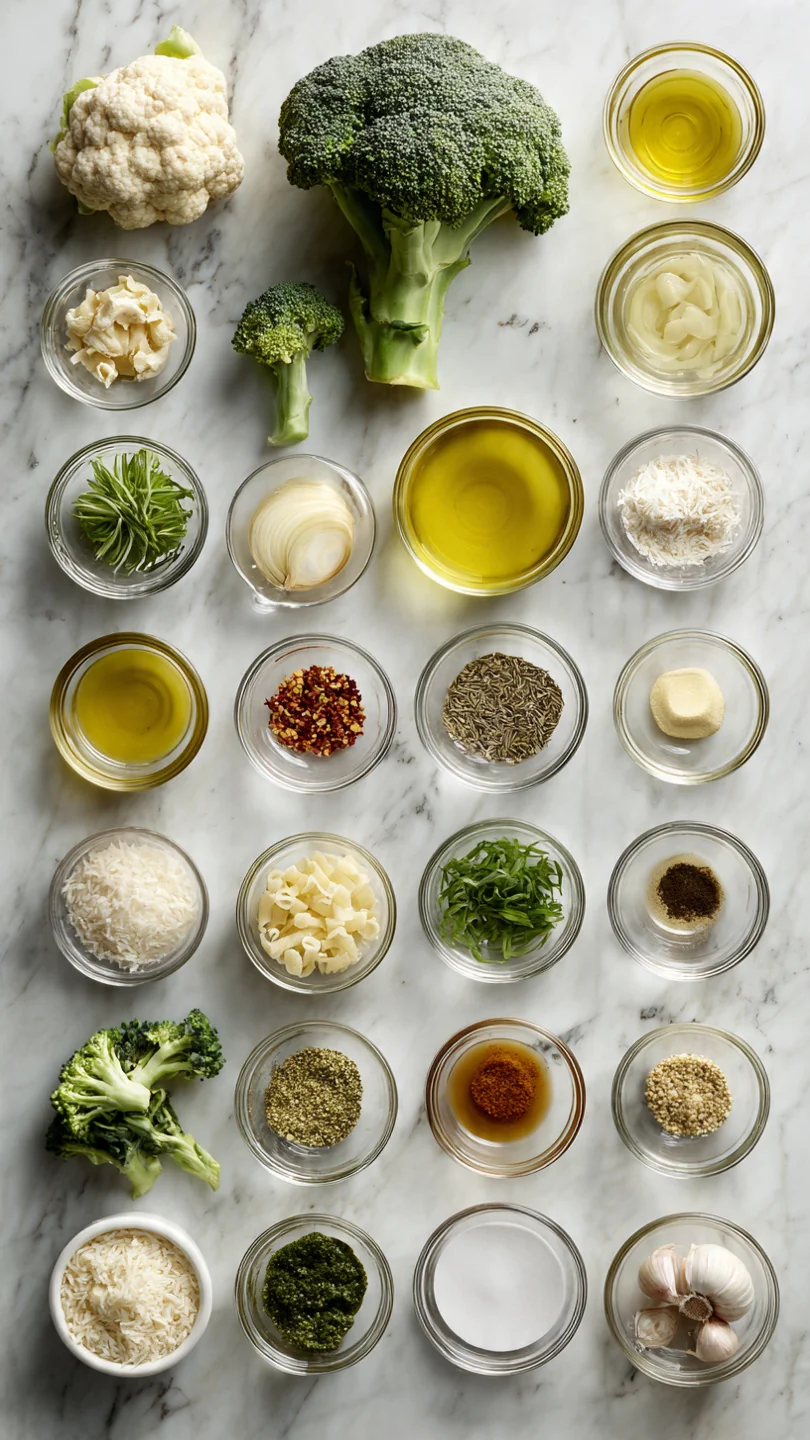
Note: You’ll find the complete list of ingredients, along with their exact measurements, in the printable recipe card at the bottom of this post.
Kitchen Equipment Needed
You don’t need any special gadgets for this recipe, just a few reliable workhorses. A large pot for boiling the pasta is essential. Your other key piece is a large skillet or Dutch oven (at least 12 inches).
You’ll finish the dish in this pan, so it needs to be big enough to comfortably toss the pasta with the sauce. A vegetable peeler makes quick work of the tough broccoli stem skin. For zesting the lemon and grating the parmesan, I highly recommend a microplane grater for the zest and a standard box grater for the cheese.
Finally, a good pair of tongs or a pasta fork is your best friend for combining everything at the end.
How to Make Broccoli and Pasta Recipe
Step 1: Prep the Broccoli and Start the Water
Bring a large pot of water to a rolling boil and salt it generously—it should taste like the sea. This seasons the pasta and broccoli from within. While it heats, prepare your broccoli.
Cut the florets into bite-sized pieces. Now, take the stem. Using a vegetable peeler, strip off the tough, fibrous outer layer to reveal the tender, pale green core underneath.
Chop this core into small, ¼-inch pieces. Believe me, this step eliminates waste and adds a wonderful, slightly crunchy texture that’s often missing in broccoli pasta dishes.
Step 2: Cook Pasta and Broccoli Together
Add your pasta to the boiling water and cook according to the package directions for al dente. Now, here’s the pro move: about 3 minutes before the pasta is done, add the chopped broccoli florets and stems directly to the same pot. They’ll cook to tender-crisp perfection alongside the noodles.
Just before draining, carefully scoop out 1 ½ cups of the starchy pasta water and set it aside. This water is your sauce’s secret weapon, so don’t forget it! Drain the pasta and broccoli together.
Step 3: Build the Flavor Base
While the pasta cooks, heat 2 tablespoons of olive oil in your large skillet over medium heat. Add the chopped shallot with a pinch of salt and cook until soft and translucent, about 3 minutes. Add the minced garlic and a pinch of red pepper flakes.
Cook for just 30 to 60 seconds, stirring constantly, until incredibly fragrant. You want to wake up the garlic’s flavor without letting it take on any color, which would make it bitter.
Step 4: Create the Creamy Sauce Foundation
Pour the vegetable broth into the skillet and bring it to a lively simmer. Let it bubble and reduce for about 3-4 minutes; you’ll see the volume decrease by about one-third. This concentrates the flavor.
Stir in the heavy cream and all of the lemon zest. Bring it back to a gentle simmer—you’ll see small bubbles around the edges. The mixture should be slightly thickened.
This is your flavor-packed canvas.
Step 5: Emulsify and Finish the Dish
Reduce the heat to low. Add the drained pasta and broccoli directly into the skillet. Sprinkle over the grated parmesan and pour in the lemon juice.
Now, start tossing everything vigorously with your tongs. The sauce will look thin and maybe even a bit separated at first. Trust me, this is normal.
Start adding the reserved pasta water, a big splash at a time, while continuously tossing. You’ll see the sauce transform into a creamy, glossy emulsion that coats every piece. You likely won’t need all the water.
Season aggressively with salt and black pepper to taste.
Step 6: Final Touches and Serve
Remove the skillet from the heat. Drizzle the remaining tablespoon of olive oil over the top and give it one final gentle toss. This adds a beautiful sheen and a last hit of fruity olive oil flavor.
Serve immediately in warm bowls. Step back and admire your handiwork, then finish each serving with an extra sprinkle of parmesan, a crack of black pepper, and an extra pinch of red pepper flakes for those who like a kick.
A few chef-driven insights will guarantee your broccoli pasta turns out perfectly every single time.
- Salt your pasta water aggressively: This is your primary chance to season the pasta and broccoli internally. The water should taste distinctly salty, like mild seawater.
- Reserve more pasta water than you think you need: It’s easier to not use extra water than to wish you had more. The starch content can vary, so having ample reserve ensures you can achieve the perfect saucy consistency.
- Grate your own cheese: Pre-grated parmesan contains cellulose to prevent clumping, which can prevent it from melting smoothly into your sauce, resulting in a grainy texture. A block of Parmigiano-Reggiano or Grana Padano is worth the extra minute of effort.
- Emulsify off the heat: Once you add the pasta water and cheese, keep the pan on low heat and toss constantly. If the heat is too high, the fat can separate from the water. Taking the pan off the heat for the final toss with olive oil ensures a stable, creamy sauce.
- Don’t overcook the garlic: Garlic burns in a heartbeat. Add it to the pan after the shallots are soft and cook it just until you can smell its aroma—usually less than a minute. Burnt garlic will make the entire dish taste bitter.
Recipe Variations
- This recipe is a fantastic template. Once you’ve mastered the base, try these delicious twists to keep it exciting.
- Protein Power: Add ½ pound of cooked Italian sausage, shredded rotisserie chicken, or white beans with the pasta for a heartier meal.
- Lighter Lemon & Herb: Omit the cream entirely. Use the full 1 ½ cups of pasta water and an extra ½ cup of grated parmesan to create a lighter, emulsified sauce. Finish with a handful of fresh basil or parsley.
- Spicy Arrabbiata Style: Sauté 2 tablespoons of tomato paste with the garlic until it darkens slightly, then add the broth. The result is a creamy, spicy, and slightly tangy rosé sauce.
- Cheddar Broccoli Comfort: Swap the parmesan for 1 ½ cups of sharp white cheddar cheese. Add a teaspoon of Dijon mustard with the cream for depth. It’s like a sophisticated version of a childhood favorite.
- Vegan Delight: Use olive oil, omit the cream and parmesan. For creaminess, blend ½ cup of raw cashews (soaked for 2 hours) with ¾ cup of the pasta water until completely smooth, then stir it in at the end. Add nutritional yeast for a cheesy flavor.
- Roasted Broccoli Version: For deeper, nuttier flavor, toss the broccoli florets with oil, salt, and pepper and roast at 425°F (220°C) for 15-20 minutes until caramelized. Add them to the pasta at the very end to maintain their texture.
What to Serve With This Recipe
This broccoli pasta is substantial enough to be a complete meal, but it also plays well with others. For a simple, elegant dinner, pair it with a crisp, green salad dressed with a lemony vinaigrette to complement the flavors in the pasta. A side of garlic bread or focaccia is perfect for mopping up any extra sauce.
If you’re serving a crowd or want a more protein-focused plate, grilled shrimp or pan-seared scallops make luxurious additions placed right on top. Beverage-wise, a dry Italian white wine like Pinot Grigio or Vermentino cuts through the richness beautifully. For a non-alcoholic option, sparkling water with a twist of lemon or a chilled herbal iced tea works wonderfully.
Storage & Make-Ahead Instructions
- Cream-based pasta is always best served immediately, but with the right techniques, leftovers can still be delicious.
- Refrigeration: Store cooled leftovers in an airtight container in the refrigerator for up to 3 days. The sauce will thicken significantly as it chills.
- Reheating: The key is to reintroduce moisture. Reheat portions in a skillet over medium-low heat with a splash of water, broth, or milk. Stir gently until warmed through. The microwave will work in a pinch, but heat in 30-second intervals, stirring between each and adding a teaspoon of liquid to prevent drying out.
- Freezing: I don’t recommend freezing this dish. The dairy-based sauce is likely to separate and become grainy upon thawing and reheating.
- Make-Ahead Strategy: You can prep components to speed up dinner. Chop the broccoli and shallot, grate the cheese, and zest the lemon a day ahead. Store them separately in the fridge. When ready to cook, you’re just minutes away from a fresh meal.
Frequently Asked Questions
Q: Can I use frozen broccoli?
A: You can, but the texture and flavor won’t be as good. Thaw and thoroughly drain frozen broccoli florets to remove excess water, which will dilute your sauce. Add them only for the last 1-2 minutes of the pasta cooking time to just heat through.
Q: My sauce is too thin. What did I do wrong?
A: You likely added too much pasta water too quickly. The sauce will continue to thicken as it sits off the heat and the pasta absorbs liquid. Let it rest for 2-3 minutes before serving.
If it’s still too thin, simmer it gently for another minute or two.
Q: My sauce is too thick or gloppy. How do I fix it?
A: This usually means the pasta absorbed the sauce too quickly. Simply add a splash of warm water, broth, or cream and toss over low heat until it reaches your desired consistency.
Q: Can I make this without heavy cream?
A: Absolutely. For a lighter version, use half-and-half or whole milk. The sauce will be slightly less rich but still creamy.
You can also create a creamless sauce by using more pasta water and parmesan to create an emulsion.
Q: What’s the best way to reheat leftovers without drying them out?
A: Always reheat on the stovetop. Place leftovers in a skillet with a couple tablespoons of water, broth, or milk over low heat. Cover for a minute to steam, then uncover and stir until creamy and hot.
Q: Can I use a different cheese?
A: Yes, but choose cheeses that melt well. Pecorino Romano is sharper and saltier than parmesan. Asiago or Fontina are excellent creamy options.
Avoid very soft cheeses like fresh mozzarella, as they can become stringy.
Q: Is the broccoli stem really edible?
A: Yes, and it’s delicious! The outer layer is tough and fibrous, but once peeled, the inner core is tender, slightly sweet, and crisp—similar to broccoli rabe stems or kohlrabi. It adds great texture and reduces waste.
Final Thoughts
This creamy broccoli pasta is more than just another quick dinner recipe—it’s a lesson in efficient, flavorful cooking. It demonstrates how a few smart techniques, like using the whole vegetable and harnessing starchy pasta water, can elevate simple ingredients into something truly special. It’s the dish I make when I need comfort without the heaviness, when I want to feel like I’ve cooked something nourishing for myself or my family without spending the whole evening in the kitchen.
The bright lemon, savory garlic, and rich parmesan come together in a harmony that never gets old. I encourage you to make it exactly as written the first time, then have fun with the variations. Once you experience how effortlessly it comes together and how delicious the results are, I’m confident it will become a trusted friend in your recipe collection.
Give it a try this week, and please come back to let me know how it turned out for you. Happy cooking

Creamy Lemon Garlic Broccoli Pasta
Equipment
- Large pot for boiling pasta
- Large skillet or Dutch oven (at least 12 inches)
- Vegetable peeler
- Cheese grater (microplane for zesting, box grater for parmesan)
- Tongs or a pasta fork for tossing
Ingredients
- 12 ounces short pasta like rigatoni, penne, or fusilli
- 1 large head broccoli about 1 ½ lbs, florets and stems separated
- 4 cloves garlic minced
- 1 medium shallot finely chopped
- 1 cup vegetable broth or chicken broth
- 1/2 cup heavy cream or half-and-half for a lighter option
- 1 lemon zest and juice zest first, then juice
- 1 cup finely grated parmesan cheese plus more for serving
- 3 tablespoons extra virgin olive oil divided
- red pepper flakes to taste
- kosher salt and black pepper to taste
Instructions
- Bring a large pot of well-salted water to a boil. While it heats, prepare the broccoli: cut the florets into bite-sized pieces. Peel the tough outer skin from the stem with a vegetable peeler, then chop the tender inner stem into small, ¼-inch pieces. This reduces waste and adds great texture.
- Cook the pasta according to package directions for al dente. In the last 3 minutes of cooking, add the chopped broccoli florets and stems directly to the pasta pot. This cooks the broccoli perfectly and saves a pan. Reserve 1 ½ cups of the starchy pasta water before draining. Trust me, this water is liquid gold for your sauce.
- While the pasta cooks, heat 2 tablespoons of olive oil in a large skillet or Dutch oven over medium heat. Add the chopped shallot and cook until softened, about 3 minutes. Add the minced garlic and a pinch of red pepper flakes, cooking for just 30-60 seconds until fragrant—don’t let the garlic brown.
- Pour in the vegetable broth and bring to a simmer. Let it reduce by about one-third, which takes 3-4 minutes. This concentrates the flavor. Stir in the heavy cream and lemon zest, then return to a gentle simmer.
- Add the drained pasta and broccoli to the skillet. Reduce heat to low. Add the grated parmesan and lemon juice, tossing constantly. The sauce will look thin at first. Tip from me: Add the reserved pasta water a splash at a time, continuing to toss, until the sauce becomes creamy and clings to the noodles. You likely won’t need all the water. Season generously with salt and black pepper.
- Remove from heat. Finish with the remaining tablespoon of olive oil for a glossy sheen. Serve immediately in warm bowls with extra parmesan, a crack of black pepper, and an extra pinch of red pepper flakes for those who like heat. Step back and admire your beautiful, restaurant-quality dish.