
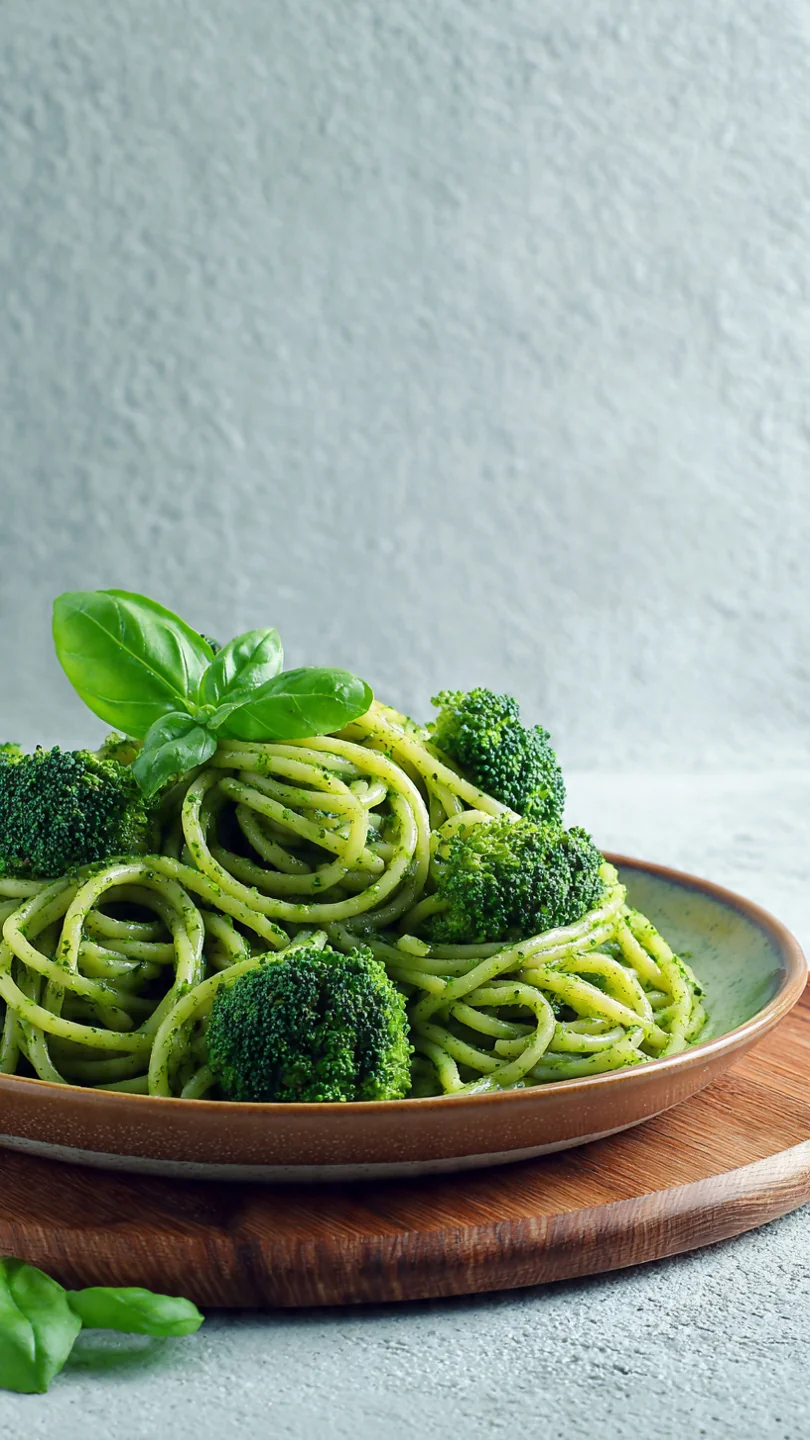
There’s a special kind of kitchen alchemy that happens when a few humble ingredients come together faster than you can decide what to stream for dinner. This isn’t just another pasta dish; it’s a reliable, vibrant solution for those nights when you crave something that feels both nourishing and indulgent. Imagine tender broccoli florets and perfectly al dente pasta, each strand coated in a silky, lemon-kissed cream sauce that’s bright enough to wake up your palate yet rich enough to satisfy.
As a chef, I’ve always believed the best weeknight recipes are those that respect your time without compromising on flavor or technique. This creamy lemon broccoli pasta is exactly that—a masterclass in efficiency and taste, delivering restaurant-quality results from your own stove in about 25 minutes. Let’s make a dinner you’ll be proud to serve and thrilled to eat.
This recipe is designed for real life, delivering maximum flavor with minimal fuss.
- 20-Minute Weeknight Hero: From fridge to table in about 25 minutes, this dish is faster than most delivery options and infinitely more satisfying.
- One-Pot Efficiency: By cooking the broccoli right in the pasta pot, you save time, water, and an extra dish to wash—a true professional kitchen hack for the home cook.
- Creamy Without Being Heavy: The sauce achieves its luxurious texture from an emulsion of cheese, cream, and starchy pasta water, not from cups of heavy cream, making it feel balanced.
- Bright & Balanced Flavor: The generous hit of fresh lemon zest and juice cuts through the richness, creating a sauce that’s vibrant and complex, not one-note.
- Kid-Friendly & Customizable: The mild, cheesy sauce and familiar pasta are a hit with picky eaters, while the red pepper flakes and extra garlic can be amplified for adult palates.
- Waste-Free Cooking: You’ll use the entire broccoli, from florets to peeled stem, maximizing your groceries and adding great texture.
Ingredients You’ll Need
- Let’s gather our ingredients. This is where simple pantry staples transform into something special. Quality matters here, but in a practical way: a fresh lemon for zesty brightness, a good block of Parmesan for superior melting, and fresh broccoli for the best texture.
- Short Pasta (12 oz): Shapes like penne, fusilli, or orecchiette are ideal because they catch the creamy sauce in their nooks and crannies.
- Broccoli (1 large head): Look for firm, dark green florets with no yellowing. Don’t discard the stem! Peel it and dice it—it’s sweet, tender, and reduces waste.
- Garlic (4 cloves): Thinly sliced, it will infuse the oil with a gentle, sweet flavor without burning.
- Lemon (1 large): You’ll need both the zest (for potent aromatic oils) and the juice (for bright acidity). Always zest your lemon before juicing it—it’s much easier.
- Heavy Cream (1 cup): This forms the base of our quick pan sauce. For a lighter version, half-and-half works, but the sauce will be slightly thinner.
- Parmesan Cheese (1 cup, finely grated): Please grate it yourself from a block. Pre-grated cheese contains anti-caking agents that prevent it from melting smoothly into a silky sauce.
- Butter (3 tbsp, divided): Used to finish the sauce, it adds a final layer of richness and a beautiful glossy sheen.
- Extra Virgin Olive Oil (2 tbsp): For sautéing the garlic. Its fruitiness is a nice base note.
- Red Pepper Flakes (1/4 tsp, optional): Just a pinch adds a subtle warmth that complements the lemon beautifully.
- Kosher Salt & Black Pepper: Season confidently at every stage. The pasta water should taste like the sea.

Note: You’ll find the complete list of ingredients, along with their exact measurements, in the printable recipe card at the bottom of this post.

Kitchen Equipment Needed
You don’t need any special gadgets for this recipe, just a couple of key pieces of cookware. A large pot for boiling your pasta is essential—giving the ingredients plenty of room to cook evenly. Your main workhorse will be a large skillet or Dutch oven (at least 12 inches).
You’ll build the sauce and toss the finished pasta in it, so it needs to be big enough to hold everything comfortably. A fine grater or microplane is non-negotiable for the lemon zest and Parmesan cheese; it makes quick work of both. Finally, a good pair of tongs or a pasta fork makes tossing the pasta with the sauce much easier.
That’s truly all you need.
How to Make Creamy Lemon Broccoli Pasta Recipe
Step 1: Cook the Pasta and Broccoli Together
Bring a large pot of water to a rolling boil and salt it generously—it should taste like mild seawater. Add your pasta and cook according to the package directions for al dente. Now, here’s the time-saving trick: in the last 2 minutes of the pasta’s cook time, add the broccoli florets and diced stem directly to the boiling water.
This blanches the broccoli to perfect tenderness and infuses it with the pasta’s starch. Reserve 1 ½ cups of the starchy pasta water before draining everything together. This water is liquid gold for your sauce.
Step 2: Build the Flavor Base
While the pasta cooks, heat the olive oil and 2 tablespoons of butter in your large skillet over medium heat. Add the thinly sliced garlic and the red pepper flakes, if using. Cook this for just about 60 seconds, stirring constantly.
You want the garlic to become fragrant and slightly translucent, but not take on any color. Trust me, browned garlic will turn bitter and overshadow the delicate lemon. This gentle cooking unlocks its sweet, mellow side.
Step 3: Create the Creamy Lemon Sauce
Pour the heavy cream into the skillet with the garlic. Add the lemon zest and a generous pinch of salt and pepper. Bring the mixture to a very gentle simmer—just a few bubbles around the edges—and let it cook for 2-3 minutes.
This short simmer allows the cream to thicken slightly and the lemon zest to perfume the entire base. You’ll notice the sauce beginning to coat the back of a spoon nicely.
Step 4: Emulsify with Cheese and Lemon
Reduce the heat to low. Now, gradually whisk in the finely grated Parmesan cheese. Adding it off the direct heat and whisking constantly is the pro secret to a smooth, non-grainy sauce.
Once the cheese is fully melted and the sauce is creamy, stir in the fresh lemon juice. Believe me, this is the transformative moment. The acid brightens the rich sauce, balancing it perfectly and making all the flavors pop.
Step 5: Bring It All Together
Add the drained pasta and broccoli directly into the skillet with your luxurious sauce. Using tongs, toss everything vigorously for a minute, allowing the pasta to drink in the sauce. Now, add the reserved pasta water, a few tablespoons at a time, while continuing to toss.
The starch in the water will help the sauce emulsify, becoming silky and clinging to every piece. You may not need all the water. Off the heat, stir in that final tablespoon of butter for an irresistible glossy finish.
Step 6: Final Seasoning and Serve
This is the most important step: taste your creation. Does it need another pinch of salt? A crack of black pepper?
A tiny extra squeeze of lemon? Adjust now. Divide the pasta among warm bowls, top with more grated Parmesan, and a final grind of black pepper.
Step back and admire your beautiful, restaurant-worthy dish before digging in.
A few chef-driven insights will guarantee your success every single time.
- Salt Your Pasta Water Liberally: This is your one chance to season the pasta itself. Undersalted water leads to a bland final dish, no matter how tasty your sauce is.
- Grate Your Own Cheese: I can’t stress this enough. Pre-grated Parmesan contains cellulose, which prevents it from melting into a smooth sauce. It will stay grainy and clumpy. A block of Parmigiano-Reggiano or Grana Padano and 60 seconds with a microplane make all the difference.
- Control Your Heat with Garlic: Garlic burns in a heartbeat. Cooking it over medium heat just until it’s fragrant (not colored) ensures a sweet, not bitter, foundation for your sauce.
- Reserve More Pasta Water Than You Think: The starchy water is the key to adjusting your sauce’s consistency at the end. It helps bind the fat and liquid into a creamy, cohesive sauce that clings perfectly.
- Finish with Cold Butter: Adding that last bit of butter off the heat is a classic French technique (monter au beurre). It thickens the sauce slightly, adds a velvety mouthfeel, and gives it a beautiful sheen.
Recipe Variations
- This recipe is wonderfully adaptable. Here are some tested variations to make it your own.
- Protein Power: Add sliced sautéed chicken breast, flaked cooked salmon, or canned white beans (rinsed) in the final toss for a more substantial meal.
- Lighter Vegan Version: Substitute the cream with full-fat canned coconut milk and the Parmesan with 2-3 tablespoons of nutritional yeast and a pinch of white miso paste for umami depth.
- Extra Greens: Stir in a couple of large handfuls of fresh baby spinach or arugula just before serving. The residual heat will wilt them perfectly.
- Herb Garden Fresh: Finish the dish with a generous handful of chopped fresh herbs. Fresh basil, parsley, or chives add a wonderful layer of freshness.
- Spicy Arrabbiata Twist: Omit the cream. After sautéing the garlic, add a 1/2 cup of crushed tomatoes and red pepper flakes to taste, then proceed with the cheese and lemon for a vibrant, spicy sauce.
- Gluten-Free: Simply use your favorite gluten-free pasta. Be sure to reserve the pasta water, as gluten-free pasta often releases different starches that are excellent for thickening the sauce.
What to Serve With This Recipe
This pasta is satisfying enough to stand alone as a complete meal, but it also plays well with others. For a simple, elegant dinner, pair it with a crisp arugula salad dressed with a lemon vinaigrette and shaved Parmesan—the peppery greens are a perfect contrast. If you’re serving a crowd or want a more expansive meal, garlic bread or focaccia is ideal for soaking up any extra sauce.
For a protein-focused plate, grilled shrimp or a simple lemon-herb chicken cutlet served alongside complements the flavors beautifully.
Storage & Make-Ahead Instructions
- While this pasta is truly best served immediately, leftovers can still be delicious with proper handling.
- Refrigerator Storage: Store cooled leftovers in an airtight container in the refrigerator for up to 3 days. The sauce will thicken significantly as it chills.
- Best Reheating Method: Reheat gently in a skillet over low heat. Add a splash of milk, water, or (ideally) a bit of reserved pasta water to loosen the sauce back to a creamy consistency. Microwaving can cause the sauce to separate.
- Freezing is Not Recommended: Cream-based sauces tend to separate and become grainy when frozen and thawed. The broccoli will also become mushy.
- Make-Ahead Strategy: You can prep components to save time: cut the broccoli, grate the cheese, and zest/juice the lemon ahead of time. Store them separately in the fridge. The actual cooking and saucing should be done just before serving for the best texture and flavor.
Frequently Asked Questions
Q: Can I use frozen broccoli?
A: You can, but thaw and pat it very dry first. Add it to the pasta water for only the last 60 seconds of cooking, as it’s already partially cooked. Fresh broccoli provides better texture and flavor for this quick-cooking dish.
Q: My sauce seems too thin. How can I thicken it?
A: Let it simmer for another minute or two off the heat while tossing the pasta constantly. The starch from the pasta will continue to thicken the sauce. Avoid adding flour, as it can make the sauce pasty.
Q: Can I make this dairy-free?
A: Yes. For the cream, use full-fat canned coconut milk. For the Parmesan, use a combination of nutritional yeast for a cheesy flavor and a tablespoon of white miso paste or tahini for richness and umami.
Q: What if I don’t have heavy cream?
A: Half-and-half is a good substitute, though the sauce will be slightly less rich. You can also make a lighter version by using 1/2 cup of cream and 1/2 cup of your reserved pasta water to start the sauce.
Q: How do I know when the broccoli is done?
A: When you add it to the pasta water, cook it just until it is bright green and tender-crisp—about 2 minutes. It will continue to cook slightly when tossed in the hot sauce. You want a bit of bite, not mush.
Q: Can I add the lemon zest and juice earlier?
A: Add the zest when building the sauce to infuse its oils. Always add the fresh juice at the end, off the heat, to preserve its bright, vibrant acidity. Cooking lemon juice for too long can make it taste bitter.
Q: Why is my sauce clumpy or grainy?
A: This usually happens if the cheese was added over too high heat or if pre-grated cheese was used. Always add grated cheese off the direct heat and use a block cheese you grate yourself for a perfectly smooth emulsion.
Final Thoughts
This creamy lemon broccoli pasta embodies what I love most about cooking: the ability to create something truly special from simple, accessible ingredients without spending hours in the kitchen. It’s a recipe that respects your time while rewarding your effort with layers of bright, comforting flavor. The technique of building a quick pan sauce with starchy pasta water is one you’ll use again and again—it’s a fundamental skill for creating restaurant-quality pasta dishes at home.
I hope this recipe becomes a trusted favorite in your weekly rotation, a dish you can make on autopilot that still feels like a treat. Give it a try, taste that perfect balance of rich and bright, and see for yourself how a little culinary know-how can transform a weeknight dinner. I’d love to hear how it turns out for you—share your results or your own creative variations in the comments below

Creamy Lemon Broccoli Pasta
- Author: Maren
- Prep Time: 10 minutes
- Cook Time: 15 minutes
- Total Time: 25 minutes
- Yield: 4 servings
- Category: Main Course
- Cuisine: Italian-inspired
Description
A vibrant, creamy pasta dish where tender broccoli florets and al dente pasta are coated in a silky, lemon-infused sauce. Ready in just 25 minutes, it's the perfect balance of healthy and indulgent.
Ingredients
Instructions
-
Bring a large pot of well-salted water to a boil. Add the pasta and cook according to package directions for al dente. In the last 2 minutes of cooking, add the broccoli florets and diced stem directly to the pasta pot. Drain the pasta and broccoli together, reserving 1 ½ cups of the starchy pasta water.
-
While the pasta cooks, heat the olive oil and 2 tablespoons of butter in a large skillet or Dutch oven over medium heat. Add the sliced garlic and optional red pepper flakes. Cook, stirring constantly, for about 1 minute until fragrant but not browned. Tip from me: This gentle cooking unlocks the garlic's sweetness without any bitterness.
-
Pour the heavy cream into the skillet with the garlic. Add the lemon zest and a generous pinch of salt and pepper. Bring to a very gentle simmer, stirring occasionally. Let it cook for 2-3 minutes to thicken slightly and allow the flavors to meld.
-
Reduce the heat to low. Gradually whisk in the grated parmesan cheese until the sauce is smooth and creamy. Stir in the lemon juice. This is where the magic happens—the acid brightens the entire dish. The sauce should coat the back of a spoon.
-
Add the drained pasta and broccoli to the skillet. Toss vigorously to coat everything in the sauce. Add the reserved pasta water, a few tablespoons at a time, until the sauce reaches a luxurious, silky consistency that clings to the pasta. Off the heat, stir in the remaining 1 tablespoon of butter for extra gloss.
-
Taste and adjust seasoning with more salt, pepper, or lemon juice as needed. Divide among bowls, top with extra parmesan and a crack of black pepper. Serve immediately and enjoy the vibrant, comforting flavors.
Notes
- Chef's Tips:
- The key to a non-grainy sauce is adding the cheese off direct heat and whisking constantly.
- Underseasoning is the most common mistake. Pasta water and sauce both need ample salt.
- Serve with a simple green salad dressed with lemon vinaigrette to complement the dish.
- Food Safety:
- Dairy-based sauces should not be left at room temperature for more than 2 hours.
- Store leftovers promptly in a sealed container in the refrigerator.


