
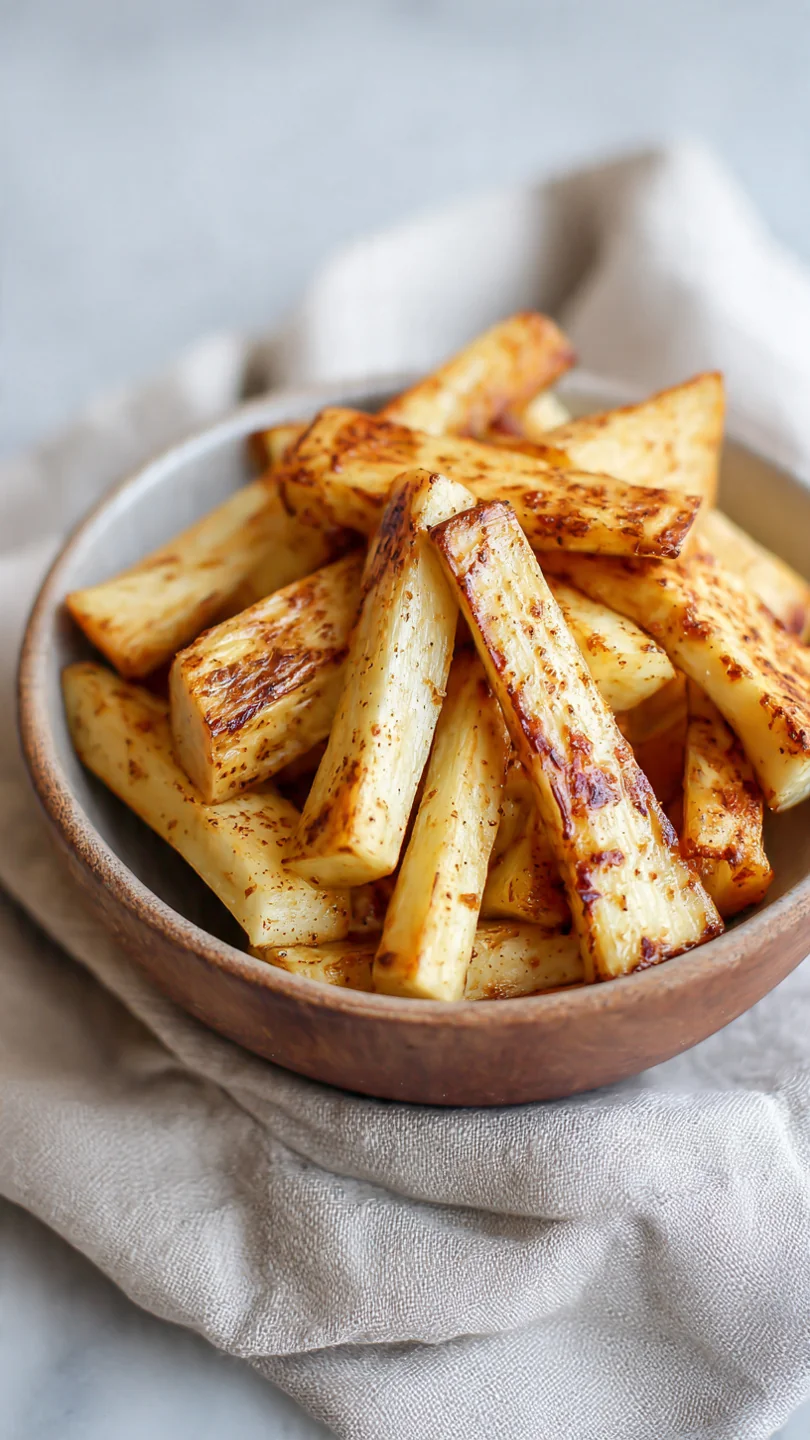
Have you ever tasted a vegetable that made you pause, look at your fork, and wonder why you haven’t been eating it this way forever? That’s the experience I’m aiming for with these Cinnamon Maple Roasted Parsnips. In my years in professional kitchens, I’ve roasted countless trays of vegetables, but there’s something uniquely magical about the humble parsnip.
Its earthy, slightly sweet flavor becomes a canvas for transformation in the oven. When tossed with just a few pantry staples—maple syrup, cinnamon, and oil—it emerges caramelized, tender, and deeply flavorful. This recipe is my go-to for elevating a simple weeknight dinner or adding a show-stopping, fuss-free side to a holiday table.
It’s proof that the most memorable dishes are often the simplest.
- Effortless Elegance: With just 10 minutes of hands-on prep, you can create a side dish that looks and tastes gourmet. The oven does the heavy lifting.
- Sweet & Savory Harmony: The natural sweetness of parsnips and maple syrup is perfectly balanced by the warmth of cinnamon and a savory pinch of salt. It’s a complex flavor profile achieved simply.
- Meal-Plan Friendly: This dish complements almost any protein—from a simple roasted chicken to a festive holiday ham. It’s incredibly versatile.
- Diet-Inclusive: Naturally gluten-free, vegan, and vegetarian, it’s a side dish that welcomes everyone to the table without special modifications.
- Perfect Texture: The high-heat roasting method ensures you get a caramelized, slightly crisp exterior and a creamy, tender interior—never mushy.
- Pantry Staples: You likely have most of the ingredients already. It’s a brilliant way to use that bottle of maple syrup for something other than pancakes.
Ingredients You’ll Need
Let’s gather our ingredients—this is where simple pantry staples come together to create something truly special. The star, of course, is the parsnip. Look for firm, medium-sized roots without soft spots or excessive branching; they’re easier to peel and cut uniformly.
Their natural sweetness is the perfect foundation. For the glaze, pure maple syrup is non-negotiable. The complex sugars in real maple syrup caramelize beautifully, whereas pancake syrup can burn and taste artificial.
Ground cinnamon adds a warm, aromatic depth that pairs wonderfully with the maple. A good olive oil helps everything crisp up and carries the flavors. Finally, kosher salt and black pepper are essential to balance the sweetness and round out the flavor profile.
A sprinkle of fresh thyme at the end adds a lovely herbal note, but it’s optional. The magic is in this short, powerful list.
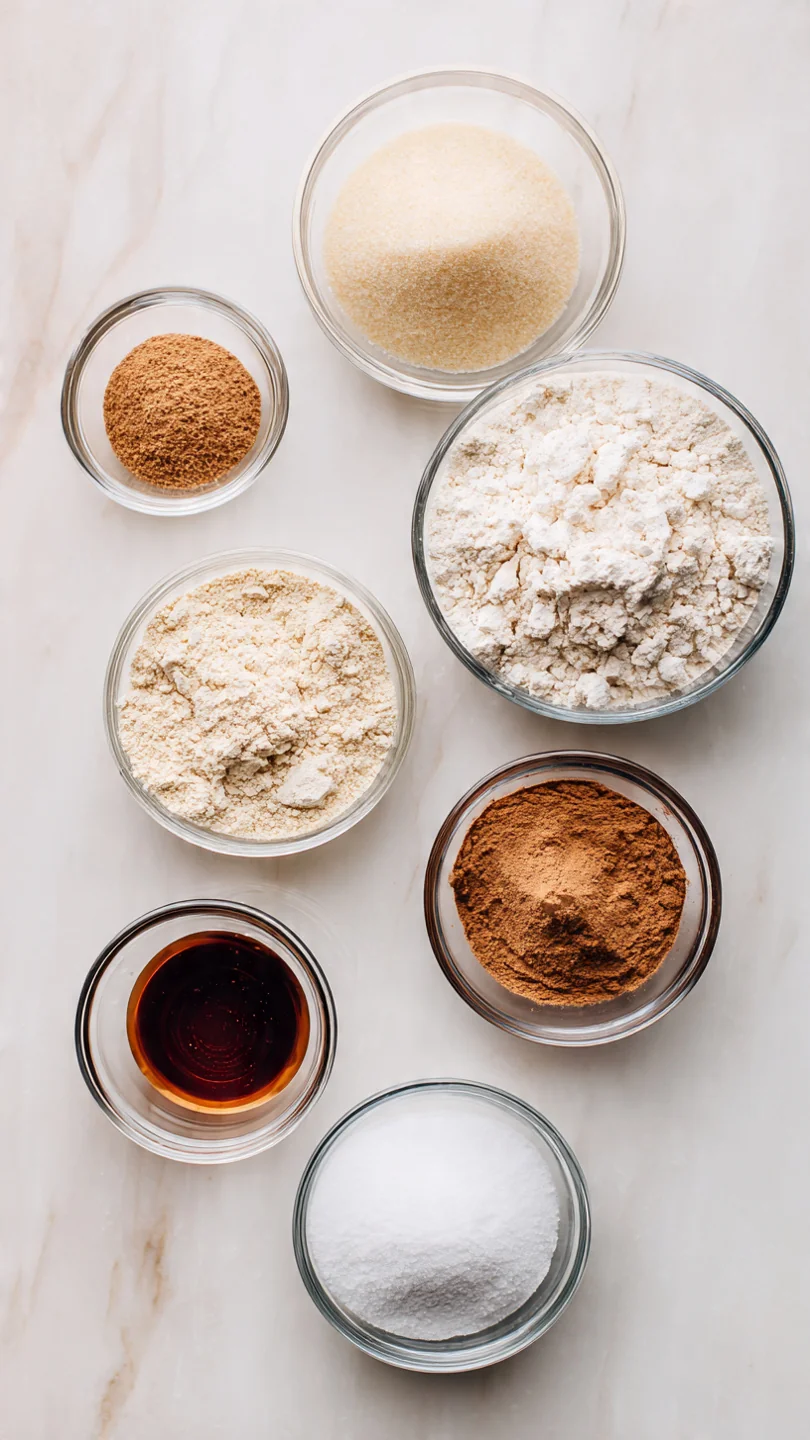
Note: You’ll find the complete list of ingredients, along with their exact measurements, in the printable recipe card at the bottom of this post.
Kitchen Equipment Needed
You don’t need any fancy gadgets for this recipe. A large, rimmed baking sheet (often called a half-sheet pan) is essential. The rim prevents any glaze from dripping into your oven, and the large surface area allows the parsnips to roast, not steam.
I highly recommend lining it with parchment paper or a silicone baking mat for effortless cleanup—that sticky maple glaze is delicious but can be a pain to scrub off. A large mixing bowl gives you plenty of room to toss the parsnips with the glaze evenly. A simple whisk to combine the glaze ingredients and a sharp chef’s knife and peeler for prepping the vegetables round out the list.
That’s it!
How to Make Cinnamon Maple Roasted Parsnips Recipe
Step 1: Heat the Oven & Prep the Pan
First, crank your oven to 425°F (220°C). This high temperature is my professional secret for perfect roasted vegetables. It quickly evaporates surface moisture, leading to caramelization instead of steaming.
While it heats, line your large baking sheet with parchment paper. Believe me, this one step saves you from a frustrating scrubbing session later. The maple syrup forms a delicious but sticky glaze that will fuse to a bare pan.
Step 2: Make the Glaze & Coat the Parsnips
In your large bowl, whisk together the maple syrup, olive oil, cinnamon, salt, and pepper until it forms a smooth, emulsified glaze. Now, add your parsnip sticks. Here’s a tip from me: take your time tossing.
Use your hands or a large spoon to gently fold and turn the parsnips for a good 60 seconds, ensuring every single surface is thinly coated. This guarantees flavor in every bite, not just on a few spots.
Step 3: Arrange for Success
Pour the coated parsnips onto your prepared baking sheet. This is critical: arrange them in a single layer with a little space between each piece. If they’re piled on top of each other, they’ll steam and become soggy.
We want the hot air to circulate freely, crisping and browning the exteriors to a beautiful golden brown. A little patience here makes all the difference in the final texture.
Step 4: Roast to Caramelized Perfection
Slide the pan into the preheated oven and set your timer for 10 minutes. After that time, remove the pan (carefully—it’s hot!) and use a spatula to flip each parsnip over. This ensures even browning on all sides.
Return them to the oven for another 10-15 minutes. They’re done when you can easily pierce them with a fork and they boast deep, caramelized spots. The glaze will be bubbly and fragrant.
Step 5: Garnish and Serve Immediately
Now comes the best part. Transfer the hot, glistening parsnips to a serving dish. Taste one—careful, it’s hot!—and add another tiny pinch of salt if needed to make the sweet flavors pop.
Scatter over some fresh thyme leaves for a beautiful finish. Serve them right away while they’re hot and their texture is at its peak: crispy-edged and tender within. Step back and admire your simple, stunning creation.
- Uniformity is Key: Take care to cut your parsnips into similarly sized pieces, about 1/2-inch thick and 3 inches long. This isn’t just for looks; it ensures they all cook through at the same rate, so you don’t end up with some pieces burnt and others undercooked.
- Don’t Crowd the Pan: This is the golden rule of roasting. If your baking sheet looks too full, use two sheets. Overcrowding creates steam, which prevents caramelization and leads to limp, steamed vegetables instead of crispy, roasted ones.
- The Flip Matters: Don’t skip flipping the parsnips halfway through roasting. This simple action exposes all sides to the direct heat of the pan, promoting an even, all-over caramelization and preventing one side from burning.
- Quality of Syrup: The flavor of your glaze hinges on using 100% pure maple syrup. The imitation “pancake syrup” varieties contain corn syrup and flavorings that can burn at high heat and lack the nuanced, woody sweetness that makes this dish special.
- Testing for Doneness: The parsnips are perfectly cooked when a paring knife or fork slides into the thickest part with just a slight resistance. They should be tender, not crunchy, but still hold their shape.
Recipe Variations
- Savory Herb Twist: For a less sweet profile, replace the cinnamon with 1 teaspoon of chopped fresh rosemary or 1/2 teaspoon of dried thyme. Add a clove of minced garlic to the glaze for a savory punch.
- Spicy Maple Glaze: Add 1/4 to 1/2 teaspoon of cayenne pepper or smoked paprika to the glaze mixture. The gentle heat beautifully contrasts the sweetness of the maple and parsnips.
- Citrus Brightness: Add the zest of one orange to the glaze before tossing. The bright, citrusy notes cut through the richness and add a wonderful aromatic layer.
- Nutty Crunch: After roasting, sprinkle the hot parsnips with 2-3 tablespoons of chopped toasted pecans or walnuts. The added crunch and nutty flavor take the texture to another level.
- Root Vegetable Medley: Combine parsnips with other roasting-friendly roots like carrots, sweet potatoes, or even chunks of red onion. Adjust the roasting time slightly as needed, as some vegetables may cook faster than others.
What to Serve With This Recipe
These parsnips are the ultimate versatile side. For a comforting weeknight meal, pair them with a simple roasted chicken or pan-seared pork chops—the sweet glaze complements the savory meat beautifully. They are a stellar addition to any holiday spread, sitting perfectly alongside turkey, glazed ham, or prime rib, offering a lighter, vegetable-based counterpoint to richer dishes.
For a vegetarian feast, serve them over a bed of creamy polenta or alongside a lentil loaf. The flavors also pair wonderfully with bitter greens; try them with a massaged kale salad for a balanced plate. In terms of beverages, a dry hard cider, a crisp Sauvignon Blanc, or even a non-alcoholic sparkling apple cider would all be delightful matches.
Storage & Make-Ahead Instructions
- Refrigerator Storage: Allow the roasted parsnips to cool completely, then transfer them to an airtight container. They will keep in the refrigerator for up to 4 days.
- Reheating Method: To restore their texture, reheat them in a 375°F oven or toaster oven for about 10 minutes, until warmed through. Avoid the microwave, as it will make them soft and soggy.
- Freezing Not Recommended: Due to their high water content and the maple glaze, parsnips do not freeze well. They become mushy and watery upon thawing.
- Make-Ahead Strategy: You can peel and cut the parsnips up to a day in advance. Store them submerged in cold water in the refrigerator to prevent browning. Drain and pat them very dry before proceeding with the recipe. The glaze can also be whisked together a day ahead and stored in the fridge.
Frequently Asked Questions
Q: Can I use baby carrots instead of parsnips?
A: Absolutely! The cooking method works wonderfully for carrots. Just ensure they are cut to a similar size (halved lengthwise if thick) so they roast evenly.
The flavor will be slightly different but still delicious.
Q: My glaze burned on the pan. What happened?
A: This usually means one of two things: the oven temperature was too high (an oven thermometer can help verify accuracy), or the maple syrup used wasn’t pure. Imitation syrups have additives that burn easily. Also, ensure your parsnips are in a single layer, not sitting in pooled glaze.
Q: Can I make this recipe with other sweeteners like honey or brown sugar?
A: Honey can be used as a 1:1 substitute for maple syrup, though it will impart its own distinct flavor. Brown sugar is not a direct substitute as it won’t create the same liquid glaze; you’d need to mix it with a little extra oil or water, and it may crystallize.
Q: Are parsnips spicy?
A: Not at all. Raw parsnips have a starchy, slightly earthy-sweet flavor, similar to a carrot but more complex. When roasted, their natural sugars caramelize, making them wonderfully sweet and mellow.
Q: How do I pick the best parsnips at the store?
A: Look for firm, smooth parsnips that are small to medium in size (about the width of your thumb). Larger ones can have a tough, woody core that may need to be cut out. Avoid any that are limp, shriveled, or have soft spots.
Q: Do I have to peel parsnips?
A: Yes, I highly recommend it. The skin can be slightly tough and bitter. Peeling ensures a tender, pleasant texture and allows the glaze to adhere directly to the sweet flesh.
Q: Can I add other spices?
A: Of course! A pinch of ground nutmeg or allspice would be lovely with the cinnamon. For a savory angle, try adding a bit of garlic powder or onion powder to the glaze mixture.
Final Thoughts
This Cinnamon Maple Roasted Parsnips recipe embodies what I love most about cooking: transforming a few humble ingredients into something extraordinary with minimal effort. It’s a dish that has earned a permanent spot in my recipe rotation, from busy Tuesday nights to crowded holiday tables. The contrast of the caramelized, sticky-sweet exterior with the tender, earthy interior is simply irresistible.
I encourage you to give it a try—it might just become your new favorite way to eat vegetables. Once you make it, I’d love to hear how it turned out for you. Share your results, your own variations, or any questions in the comments below.
And if you found this guide helpful, please consider sharing it with a friend who might be looking for the perfect side dish. Happy roasting
Cinnamon Maple Roasted Parsnips
Equipment
- Large rimmed baking sheet (half-sheet pan)
- Parchment paper or silicone baking mat
- Large mixing bowl
- Whisk
Ingredients
- 1.5 pounds parsnips peeled, ends trimmed, cut into 3-inch long sticks (about 1/2-inch thick)
- 2 tablespoons pure maple syrup Grade A or B, not pancake syrup
- 2 tablespoons olive oil or avocado oil
- 1 teaspoon ground cinnamon
- 1/2 teaspoon kosher salt plus more to taste
- 1/4 teaspoon black pepper freshly ground
- 1 tablespoon fresh thyme leaves optional, for garnish
Instructions
- Preheat your oven to 425°F (220°C). This high heat is crucial for achieving caramelization without steaming the vegetables. Line a large, rimmed baking sheet with parchment paper for easy cleanup.
- In a large bowl, whisk together the maple syrup, olive oil, ground cinnamon, salt, and pepper. Add the parsnip sticks and toss thoroughly until every piece is evenly coated. Trust me, taking a full minute to toss ensures no bland bites.
- Arrange the coated parsnips in a single layer on the prepared baking sheet. Make sure they aren’t crowded or overlapping. This allows hot air to circulate, promoting even roasting and browning instead of steaming.
- Roast for 20-25 minutes, flipping the parsnips halfway through the cooking time. You’ll know they’re done when they are fork-tender and have deep golden-brown, caramelized spots. The maple syrup will have created a beautiful glaze.
- Remove from the oven and transfer to a serving platter. Taste and adjust with an extra pinch of salt if needed. Garnish with fresh thyme leaves for a pop of color and aroma. Serve immediately while hot and caramelized.