
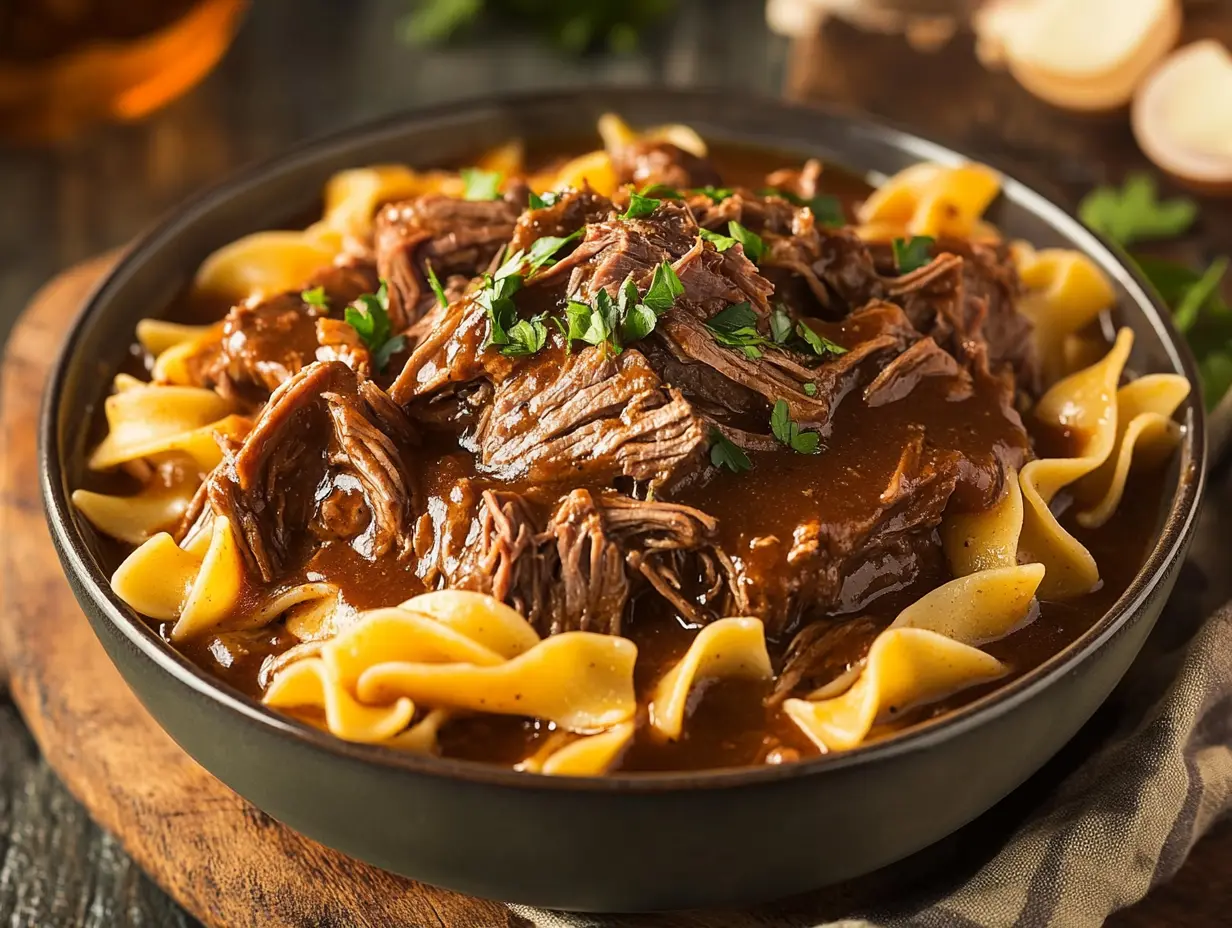
Does Chuck Roast Get More Tender the Longer You Cook It?
Introduction
Cooking chuck roast can be a bit tricky, especially if you’re aiming for that melt-in-your-mouth tenderness. This article dives deep into whether chuck roast gets more tender the longer you cook it. We’ll explore the science behind meat tenderness, various cooking methods, common mistakes, and tips for enhancing flavor. If you’ve ever wondered how to make your chuck roast perfect every time, keep reading!
Introduction to Chuck Roast
What is Chuck Roast?
Chuck roast is a cut of beef that comes from the shoulder area of the cow. It’s known for its rich flavor but can be quite tough if not cooked properly. Because of its relatively low cost and high flavor, it’s a popular choice for pot roasts and other slow-cooked dishes.
Common Uses of Chuck Roast
- Pot roasts
- Slow-cooked stews
- Braised dishes
- Shredded beef for sandwiches and tacos
Meat Tenderness Explained
Understanding meat tenderness is crucial for cooking chuck roast perfectly. Tenderness refers to how easily the meat can be chewed, which is influenced by several factors such as the amount of connective tissue, the cut of the meat, and the cooking method used.
The Science Behind Cooking Chuck Roast
Connective Tissue Breakdown
The connective tissue in chuck roast is mainly composed of collagen, which needs to be broken down to achieve tenderness. Cooking the roast at a low temperature for an extended period allows the collagen to break down into gelatin, making the meat tender and juicy.
Temperature and Time in Cooking
Cooking chuck roast at a low and slow pace is essential. The ideal temperature range is typically between 190°F to 250°F. Cooking at these temperatures for several hours ensures that the collagen breaks down properly without drying out the meat. For example, a perfectly tender chuck roast might need to cook for around 4-6 hours in a slow cooker.
Slow Cooker Method
Advantages of Using a Slow Cooker
- Even cooking temperature
- Set and forget convenience
- Retains moisture and flavor
Step-by-Step Guide to Slow Cooking Chuck Roast
- Season the Roast: Generously season with salt, pepper, and your favorite herbs.
- Sear the Meat: In a hot skillet, sear all sides of the roast until browned. This step enhances flavor.
- Prepare the Slow Cooker: Add vegetables like carrots, onions, and potatoes to the bottom.
- Add the Roast: Place the seared chuck roast on top of the vegetables.
- Add Liquid: Pour in beef broth, ensuring there’s enough to cover the vegetables but not submerge the meat completely.
- Cook: Set the slow cooker to low and cook for 8-10 hours or until the meat is tender.
Tips for Best Results
- Avoid lifting the lid during cooking as it lets out heat.
- Let the roast rest for 15-20 minutes after cooking before slicing.
The Science Behind Cooking Chuck Roast
Connective Tissue Breakdown
Understanding connective tissue breakdown is essential. Chuck roast contains a lot of collagen. This connective tissue needs to break down for the meat to become tender. When you cook it slowly, the collagen turns into gelatin. This process makes the meat juicy and tender. However, cooking too fast doesn’t allow this transformation. The result is tough meat.
Temperature and Time in Cooking
The relationship between temperature and time is crucial. Low and slow is the mantra here. Cooking chuck roast at a low temperature for a long period is key. Generally, temperatures between 190°F and 250°F work best. This method ensures the collagen breaks down without drying out the meat.
Ideal Temperature for Cooking Chuck Roast
Maintaining a consistent temperature is important. For example, cooking at 225°F for about 6 hours can yield excellent results. The meat stays tender and moist.
Optimal Cooking Time
Time also plays a critical role. Cooking chuck roast for several hours helps achieve perfect tenderness. Most recipes suggest cooking for 4-6 hours. However, depending on the size of the roast, it might need more time. Check the meat periodically. It’s done when it easily pulls apart with a fork.
Benefits of Low and Slow Cooking
- Even Tenderness: Slow cooking ensures the meat is tender throughout.
- Enhanced Flavor: The long cooking time allows flavors to develop.
- Moisture Retention: Cooking at low temperatures prevents the meat from drying out.
Common Mistakes in Cooking Chuck Roast
Many make the mistake of not cooking chuck roast long enough. Another common error is using too high a temperature. Both result in tough meat. Always remember: patience is key.
Tips for Achieving Perfect Tenderness
- Use a Meat Thermometer: Ensures accurate cooking.
- Check Doneness: Meat should pull apart easily.
- Resting Time: Let the meat rest before serving. This step helps retain juices.
Cooking chuck roast correctly involves understanding the science behind it. Low temperatures and long cooking times are your best friends. Following these tips will help you achieve a perfectly tender and flavorful chuck roast every time.
Cooking Methods for Tender Chuck Roast
Slow Cooker Method
Using a slow cooker is a popular method. It provides consistent, even heat. Additionally, it’s convenient. You can set it and forget it. Let’s dive into the steps for cooking chuck roast in a slow cooker.
Advantages of Using a Slow Cooker
- Consistent Temperature: Keeps heat even throughout.
- Convenience: Set it and leave it.
- Flavor: Retains moisture and enhances flavor.
Step-by-Step Guide
- Season the Meat: Use salt, pepper, and your favorite herbs.
- Sear the Meat: Brown the roast on all sides in a hot skillet.
- Prepare the Slow Cooker: Add vegetables like carrots, onions, and potatoes.
- Add the Meat: Place the seared roast on top of the vegetables.
- Add Liquid: Pour in beef broth. Ensure it covers the vegetables.
- Cook: Set the slow cooker to low. Cook for 8-10 hours.
Oven Roasting Chuck Roast
Oven roasting is another excellent method. It allows for a rich, caramelized exterior. However, maintaining a low temperature is crucial.
Traditional Oven Roasting Method
This method involves slow-cooking in the oven. You’ll need to preheat your oven to a low temperature, around 250°F.
Step-by-Step Guide
- Season the Roast: Generously season with salt, pepper, and herbs.
- Sear the Meat: Brown all sides in a hot skillet.
- Prepare the Oven: Place the roast in a roasting pan. Add vegetables and broth.
- Cover and Cook: Cover the pan with foil. Cook in the oven for 4-6 hours.
- Check for Tenderness: The roast is ready when it pulls apart easily.
Pressure Cooking Chuck Roast
Using a pressure cooker can save time. This method cooks chuck roast quickly while still breaking down connective tissues.
Benefits of Pressure Cooking
- Time-Saving: Cooks much faster than other methods.
- Tenderness: Still achieves tender, juicy meat.
Step-by-Step Guide
- Season the Roast: Use salt, pepper, and herbs.
- Sear the Meat: Brown the roast in the pressure cooker.
- Add Liquid and Vegetables: Pour in broth and add vegetables.
- Cook: Set the pressure cooker according to manufacturer’s instructions. Typically, cook for about 60-90 minutes.
- Release Pressure: Allow the pressure to release naturally for 10 minutes. Then, use the quick-release method.
Common Mistakes to Avoid
- Using High Temperatures: Leads to tough meat.
- Not Enough Cooking Time: Doesn’t allow collagen to break down.
- Skipping Searing: Misses out on flavor development.
Tips for Best Results
- Patience: Allow enough time for cooking.
- Proper Seasoning: Enhances flavor.
- Check for Doneness: Use a fork to test tenderness.
Each method has its benefits. Whether you use a slow cooker, oven, or pressure cooker, the key is low temperatures and sufficient cooking time. These methods ensure your chuck roast is tender and delicious.
Common Mistakes and How to Avoid Them
Overcooking and Undercooking Chuck Roast
Cooking chuck roast perfectly requires balance. Overcooking can dry out the meat. Conversely, undercooking leaves it tough. So, finding the sweet spot is crucial.
Signs of Overcooking
Overcooking chuck roast makes it dry and chewy. You’ll notice that the meat feels tough and lacks moisture. This happens when you cook it at too high a temperature or for too long without enough liquid.
Signs of Undercooking
Undercooked chuck roast remains tough and hard to chew. If it doesn’t pull apart easily with a fork, it needs more time. This often results from cooking at too high a temperature for a short period.
Not Allowing Rest Time
Resting the meat is vital. It lets the juices redistribute. Skipping this step leads to dry meat. So, always rest your chuck roast after cooking.
Importance of Resting Meat
Resting helps retain moisture. After cooking, cover the roast with foil. Let it sit for 15-20 minutes. This step ensures juicier, more tender meat.
Using High Temperatures
High temperatures cook the exterior too fast. This method doesn’t allow the collagen to break down properly. So, always cook at low temperatures for an extended period.
Low and Slow Cooking
Low and slow cooking means using temperatures around 190°F to 250°F. This method ensures the connective tissue breaks down fully, resulting in tender meat.
Insufficient Liquid
Cooking without enough liquid can dry out your chuck roast. Liquids like broth or water help maintain moisture. They also enhance flavor.
Adding Enough Liquid
Ensure there’s enough liquid in your cooking vessel. Whether using a slow cooker, oven, or pressure cooker, add broth or water. This step helps keep the meat moist and tender.
Skipping Searing
Searing locks in flavors. Many skip this step to save time. However, it adds a depth of flavor that’s hard to achieve otherwise.
Benefits of Searing
- Flavor Development: Browning the meat adds a rich, complex flavor.
- Juice Retention: Searing helps lock in juices.
Tips for Avoiding Common Mistakes
- Monitor Temperature: Use a meat thermometer to ensure proper cooking.
- Check Liquid Levels: Add more broth if it evaporates too quickly.
- Be Patient: Good chuck roast takes time.
Avoiding these common mistakes ensures a perfectly cooked chuck roast every time. Next, we’ll explore how to enhance the flavor and tenderness further.
For more tips on avoiding mistakes with chuck roast, check out 13 Biggest Mistakes Everyone Makes With Pot Roast.
Enhancing Flavor and Tenderness
Marinating Chuck Roast
Marinating can significantly improve the flavor and tenderness of chuck roast. It allows the meat to absorb spices and tenderizing agents, resulting in a more flavorful and tender dish.
Benefits of Marinating
Marinating infuses the meat with flavor. It also helps break down tough muscle fibers. This process makes the meat more tender and enjoyable to eat.
Best Marinades for Chuck Roast
- Acidic Marinades: Use vinegar or citrus juice. They help break down tough fibers.
- Herb and Spice Mixes: Combine rosemary, thyme, garlic, and pepper.
- Oil-based Marinades: Olive oil with spices ensures even coating and flavor penetration.
How to Properly Marinate
- Prepare the Marinade: Mix your chosen ingredients in a bowl.
- Coat the Meat: Place the chuck roast in a large zip-lock bag. Pour the marinade over the meat.
- Refrigerate: Seal the bag and refrigerate for at least 4-6 hours. Overnight is best for deeper flavor.
- Pat Dry Before Cooking: Remove excess marinade before cooking to avoid burning.
Seasoning and Spices for Chuck Roast
Proper seasoning is crucial for a flavorful chuck roast. Using the right spices enhances the natural flavors of the meat.
Key Spices for Chuck Roast
- Salt and Pepper: The basics but essential.
- Garlic and Onion Powder: Adds depth and a savory note.
- Paprika: For a hint of sweetness and color.
- Herbs: Rosemary, thyme, and bay leaves complement beef well.
Timing for Seasoning
Seasoning at the right time is important. Season the meat before searing. Add more herbs and spices towards the end of cooking for a fresh flavor boost.
Cooking Techniques to Enhance Tenderness
Different techniques can enhance the tenderness of your chuck roast. Besides marinating and seasoning, consider these methods.
Slow and Low Cooking
This technique, as discussed, is essential. It breaks down collagen effectively, ensuring a tender roast.
Braising Chuck Roast
Braising involves cooking the meat in a small amount of liquid at low temperatures. This method combines roasting and steaming, perfect for tough cuts like chuck roast.
Step-by-Step Braising Guide
- Sear the Meat: Brown the chuck roast in a hot skillet.
- Add Aromatics: Include onions, garlic, and herbs.
- Add Liquid: Use beef broth, wine, or water.
- Cover and Cook: Simmer on low heat or in an oven at 300°F for 3-4 hours.
Resting the Meat
Resting is a crucial step often overlooked. It allows the juices to redistribute, making the meat more succulent.
Recommended Resting Times
After cooking, let the chuck roast rest for 15-20 minutes. This time helps retain moisture and makes the meat easier to slice.
Tips for Best Flavor and Tenderness
- Consistent Seasoning: Ensure even seasoning all over the meat.
- Proper Marinating Time: Don’t rush the marinating process.
- Correct Cooking Temperature: Keep it low and slow for best results.
FAQs Section
How Long Does It Take for Chuck Roast to Get Tender?
Cooking time is crucial for achieving tender chuck roast. Typically, it takes about 4-6 hours in a slow cooker or oven at low temperatures (around 250°F). For pressure cooking, the time reduces to about 60-90 minutes. Always check for tenderness by pulling apart the meat with a fork. When it shreds easily, it’s done.
Does Chuck Roast Get Softer the Longer You Cook It?
Yes, chuck roast does get softer the longer you cook it, provided you cook it at low temperatures. Slow cooking breaks down the connective tissue and collagen, transforming it into gelatin. This process makes the meat tender and juicy. However, be mindful of the temperature to avoid drying it out.
Can You Overcook Chuck Roast?
Absolutely, you can overcook chuck roast. Although longer cooking makes it tender, cooking it too long at high temperatures can dry it out. Overcooked chuck roast becomes tough and chewy. The key is low and slow cooking. Maintain a low temperature and ensure there’s enough liquid to keep the meat moist.
Does Chuck Meat Get More Tender the Longer It Cooks?
Indeed, chuck meat does get more tender the longer it cooks, as long as it’s cooked at a low temperature. This method allows the connective tissues to break down into gelatin, enhancing tenderness. Cooking slowly and at the right temperature ensures the meat remains juicy and tender.
Final Tips for Perfect Chuck Roast
- Check Early and Often: Check the roast periodically to avoid overcooking.
- Use a Meat Thermometer: Ensure the internal temperature stays within the optimal range.
- Keep it Covered: Covering the roast helps retain moisture and heat.
Incorporating these tips and understanding the answers to these common questions can help you achieve the perfect chuck roast every time.
Conclusion
Cooking a perfect chuck roast requires understanding a few key principles. Does chuck roast get more tender the longer you cook it? Yes, it does, but only if you cook it at the right temperature and for the correct duration. Here are the main takeaways to ensure your chuck roast is always tender and flavorful.
Summary of Key Points
- Low and Slow Cooking: Always cook chuck roast at low temperatures for several hours. This method breaks down the collagen and connective tissues, resulting in tender meat.
- Proper Seasoning and Marinating: Season the roast generously and consider marinating it to enhance flavor and tenderness. Spices like garlic, onion powder, and paprika work wonders.
- Cooking Methods: Use a slow cooker, oven, or pressure cooker. Each method has its benefits, but they all rely on maintaining low temperatures and sufficient cooking time.
- Avoid Common Mistakes: Don’t cook at high temperatures. Ensure there’s enough liquid and always allow the meat to rest after cooking.
- Resting Time: Let the meat rest for at least 15-20 minutes post-cooking. This step redistributes the juices, ensuring moist and tender meat.
Final Thoughts
Making a tender and flavorful chuck roast isn’t complicated, but it does require patience and the right techniques. By following the guidelines and tips provided, you can transform a tough cut of meat into a delicious, melt-in-your-mouth meal. Remember, the secret lies in slow and steady cooking, proper seasoning, and allowing the meat to rest.