
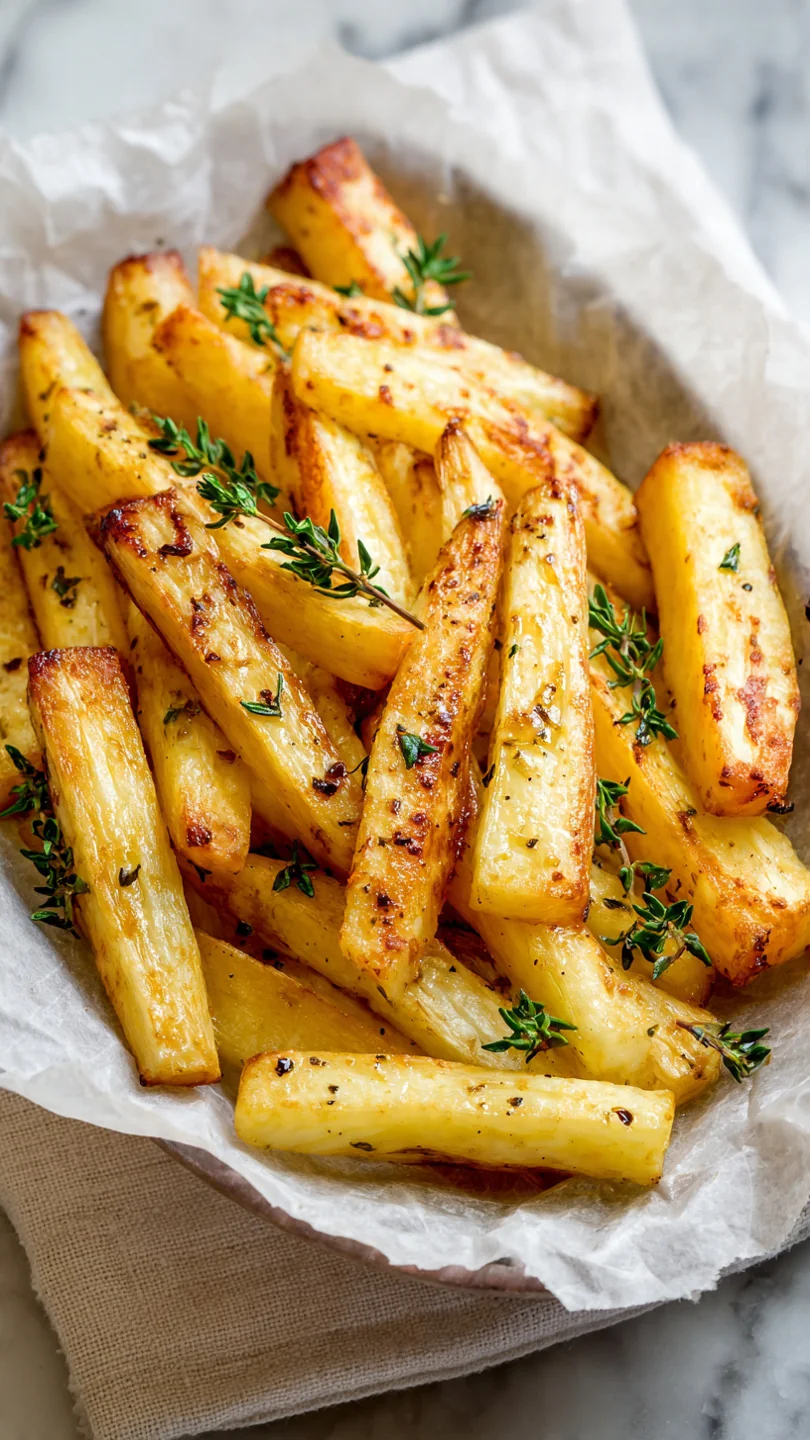
There’s a moment of quiet magic that happens in a hot oven. Humble roots transform, their earthy sweetness intensifying and edges crisping into golden perfection. That’s the promise of these maple roasted parsnips.
As a chef, I’ve roasted countless trays of vegetables, but parsnips hold a special place. They’re the carrot’s sophisticated cousin, with a complex, nutty sweetness that becomes utterly irresistible when roasted with just a few key ingredients. This recipe is my go-to for a reliable, elegant side that works for a Tuesday dinner or a holiday feast, delivering big flavor with minimal effort.
This recipe earns its spot in your regular rotation for several practical reasons that go beyond just great taste.
- Effortless Elegance: With just 5 core ingredients and one pan, you get a dish that looks and tastes far more complex than the effort required.
- Perfect Texture: The high-heat roasting method guarantees a crispy, caramelized exterior with a tender, creamy interior—no mushiness here.
- Sweet & Savory Balance: The pure maple syrup doesn’t make it dessert-like; instead, it deepens the parsnips’ natural sweetness, which is perfectly balanced by the savory thyme and olive oil.
- Meal-Plan Friendly: These parsnips pair beautifully with almost any protein, from weeknight chicken to a holiday roast, making menu planning simple.
- Diet-Inclusive: This dish is naturally gluten-free, dairy-free, vegan, and vegetarian, so it’s a safe and delicious option for diverse tables.
- Make-Ahead Simple: You can peel and cut the parsnips hours ahead, storing them in water, so active prep is a breeze when it’s time to cook.
Ingredients You’ll Need
- Let’s gather our ingredients—this short list of pantry staples is all you need to create a side dish that will steal the show. The quality of each component truly matters here.
- Parsnips: Look for firm, medium-sized parsnips (about 1.5 lbs total). Avoid very large ones, as they often have a woody, fibrous core that should be removed. Their natural sugars are the star.
- Pure Maple Syrup: This is non-negotiable. Please use 100% pure maple syrup, not pancake or table syrup. The complex flavor of the real thing caramelizes beautifully. Grade A Amber or Grade B Robust are both excellent choices.
- Olive Oil: A good extra virgin olive oil helps with crisping and adds a fruity, savory note. Avocado oil is a great high-heat alternative.
- Fresh Thyme: The earthy, slightly floral notes of fresh thyme are a classic pairing. If you must substitute, use 1 teaspoon of dried thyme, but fresh is vastly superior.
- Kosher Salt & Black Pepper: Kosher salt adheres well to the vegetables. Freshly cracked black pepper adds a necessary bite.
The magic is in the simplicity. Each ingredient has a purpose, and nothing is hiding.
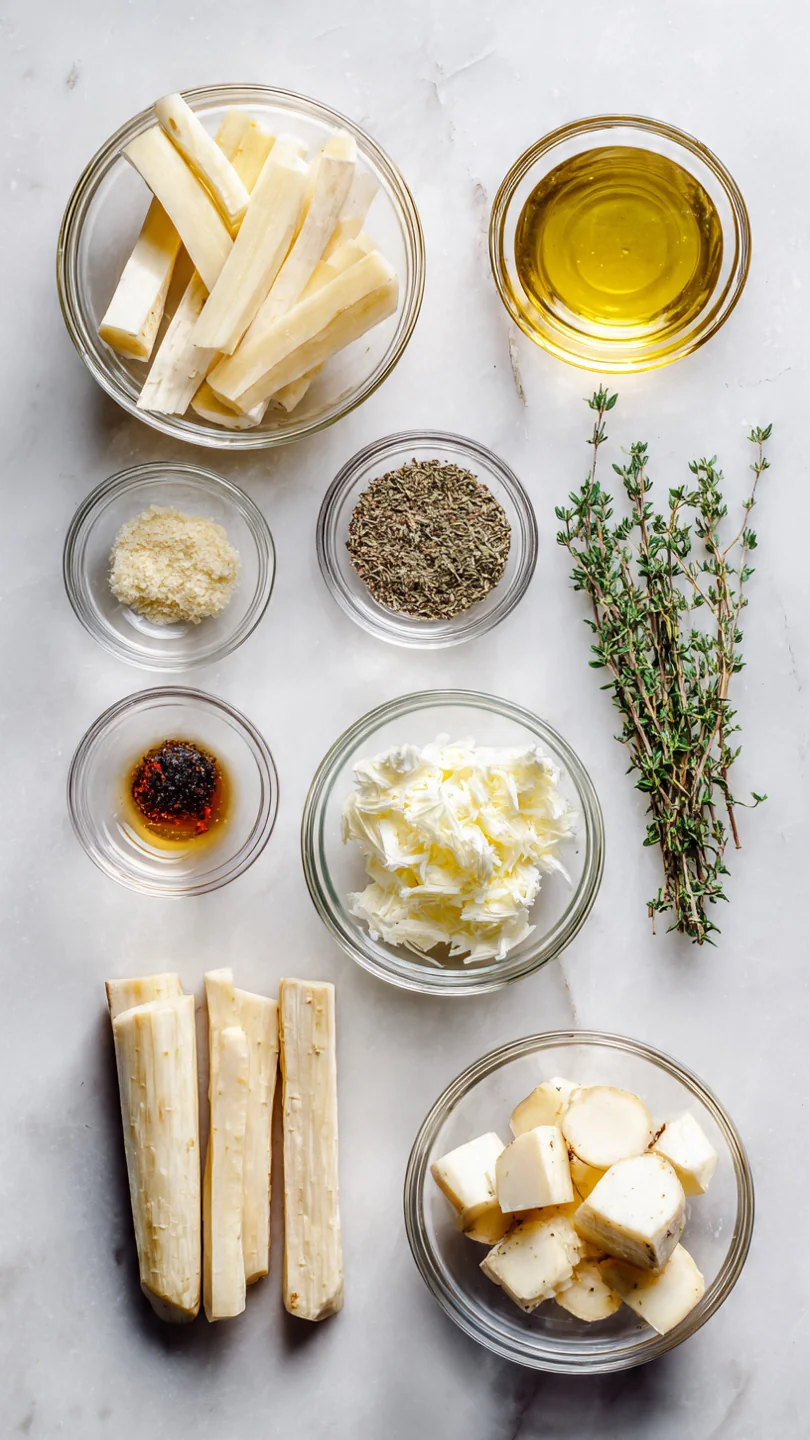
Note: You’ll find the complete list of ingredients, along with their exact measurements, in the printable recipe card at the bottom of this post.
Kitchen Equipment Needed
You likely have everything you need already. This recipe is designed for a standard home kitchen.
- Large Rimmed Baking Sheet: Often called a half-sheet pan (approximately 18×13 inches). The rim prevents oil from spilling, and the large surface area is key for allowing space between the parsnips so they roast instead of steam.
- Large Mixing Bowl: Big enough to toss the parsnips vigorously without making a mess.
- Sharp Chef’s Knife and Vegetable Peeler: For efficiently prepping the parsnips. A sharp knife makes cutting the dense roots much safer and easier.
- Spatula or Tongs: Essential for flipping the parsnips halfway through roasting to ensure even browning.
- Measuring Spoons: For accurately balancing the sweet maple and savory salt.
How to Make Maple Roasted Parsnips Recipe
Step 1: Heat Your Oven and Prep Your Pan
Preheat your oven to a solid 425°F (220°C). Trust me, this high temperature is the secret weapon. It quickly evaporates surface moisture on the parsnips, leading to caramelization instead of steaming.
While it heats, you can prep your vegetables. No need to grease the baking sheet—the parsnips are already coated in oil.
Step 2: Cut and Coat the Parsnips
Peel your parsnips thoroughly. Cut off the ends, then slice them into batons about 3 inches long and ½ to ¾-inch thick. Consistency in size is your friend here for even cooking.
Place them all in your large mixing bowl. Add the olive oil, maple syrup, salt, and pepper. Now, toss.
And I mean really toss—for a good 60 seconds. You want to see a glossy, even coat on every single piece. This diligence pays off in uniformly golden results.
Step 3: Arrange and Roast
Dump the coated parsnips onto your baking sheet and spread them into a single, uncrowded layer. If they’re piled on top of each other, they’ll steam. If your pan is too small, use two.
Scatter the fresh thyme sprigs over the top. The thyme will infuse the oil and the air in the oven with its aroma as it roasts. Slide the pan onto the center rack.
Step 4: The Caramelization Watch
Set your timer for 15 minutes. When it goes off, you should already smell that incredible sweet, earthy fragrance. Pull the oven rack out carefully and use your spatula or tongs to flip and stir the parsnips.
This ensures all sides get contact with the hot pan for even browning. Believe me, this simple flip is what creates those beautiful, crispy edges. Return them to the oven for another 10-15 minutes.
Step 5: Finish and Serve
Your parsnips are done when they are fork-tender and have deep golden-brown, caramelized spots. The thinner ends may be crispy—that’s a bonus! Remove the pan from the oven.
Discard the now-spent thyme sprigs. Tip the parsnips into a serving dish. For a final fresh touch, garnish with a few leaves from a new sprig of thyme.
Serve them immediately while they are hot and at their crispy best. Step back and admire your beautiful, flavorful work.
A few insights from my years in professional kitchens will help you nail this recipe every single time.
- The Dry Start: After peeling and cutting, pat the parsnips completely dry with a kitchen towel. Any excess water will inhibit browning and can make the coating slide off.
- Pan Choice Matters: A light-colored, heavy-duty aluminum baking sheet promotes the best browning. Dark non-stick pans can sometimes cause the sugars to burn more quickly, so keep a closer eye.
- Don’t Skimp on Space: I can’t stress this enough. Giving each piece room to breathe is the single biggest factor in achieving caramelization versus a soft, steamed texture. Use two pans if needed.
- The Flavor Infusion: Adding the thyme sprigs whole, rather than just the leaves, allows the woody stems to slowly release their oils without burning. You get all the flavor without any bitter, charred bits.
- Testing for Doneness: Don’t just look—poke. The parsnips should offer no resistance when pierced with the tip of a knife or a fork. If they’re still firm in the center, give them another 5 minutes.
Recipe Variations
- This recipe is a wonderful canvas. Once you’ve mastered the basic method, try these tested variations to keep it exciting.
- Citrus & Herb: Add the zest of one orange to the coating mixture and use fresh rosemary instead of thyme for a bright, aromatic twist.
- Spicy Maple: Add ¼ to ½ teaspoon of crushed red pepper flakes or a pinch of cayenne to the oil and maple mixture for a sweet heat that builds.
- Garlic & Parmesan: Toss the hot, just-roasted parsnips with two minced garlic cloves and ¼ cup of finely grated Parmesan cheese. The residual heat will cook the garlic gently and melt the cheese.
- Honey & Balsamic: Substitute the maple syrup with an equal amount of honey and add 1 teaspoon of good balsamic vinegar to the coating for a deeper, tangier sweetness.
- Root Vegetable Medley: Combine parsnips with carrots, sweet potato, or even chunks of red onion. Adjust roasting time slightly as needed, as some veggies may cook faster.
What to Serve With This Recipe
These maple roasted parsnips are the ultimate versatile side. Their sweet-savory profile makes them a perfect complement to a wide range of mains.
For a classic Sunday roast, serve them alongside a herb-crusted pork loin or a juicy roast chicken. The parsnips’ sweetness beautifully cuts through the richness of the meat. During the holidays, they are a stellar addition to the Thanksgiving or Christmas table, pairing wonderfully with turkey, glazed ham, or beef tenderloin.
For a vegetarian feast, combine them with a creamy lentil loaf or a wild mushroom wellington. They also make a fantastic, hearty component in a grain bowl with quinoa, kale, and a lemony tahini dressing. For beverages, a dry Riesling, a hard cider, or even a sparkling water with lemon all work beautifully to cleanse the palate.
Storage & Make-Ahead Instructions
- While best served fresh from the oven, you can manage some components ahead of time.
- Make-Ahead Prep: You can peel and cut the parsnips up to a day in advance. Store them submerged in a container of cold water in the refrigerator. This prevents oxidation (browning) and keeps them crisp. Drain and pat them very dry before using.
- Refrigerating Leftovers: Allow cooked parsnips to cool completely, then store in an airtight container in the refrigerator for up to 4 days. They will lose their crispness but will still be flavorful.
- Reheating for Best Results: To restore some crispness, reheat leftovers in a 375°F oven or toaster oven on a baking sheet for 10-15 minutes. Avoid the microwave, as it will make them soggy.
- Freezing Not Recommended: Due to their high water content, roasted parsnips do not freeze and reheat well; they become mushy and watery upon thawing.
Frequently Asked Questions
Q: Can I use bagged, pre-cut parsnips?
A: You can, but I don’t recommend it for this recipe. Pre-cut vegetables are often treated to prevent browning and can be dry or inconsistently sized, which affects roasting time and texture. Fresh, whole parsnips are far superior.
Q: My parsnips are burning before they get tender. What happened?
A: This usually means your pieces are cut too small or your oven temperature is running hot. Ensure your batons are at least ½-inch thick, and use an oven thermometer to verify the temperature isn’t exceeding 425°F.
Q: Can I make this with other sweeteners like brown sugar?
A: Pure maple syrup has a liquid form and complex flavor that works perfectly. Granulated sugars like brown sugar can burn more easily at this high heat. If you must substitute, honey is the best alternative, but watch closely as it also caramelizes quickly.
Q: How do I know if a parsnip is good quality?
A: Choose parsnips that are firm, not limp or rubbery. They should be relatively smooth and free of major blemishes or soft spots. Smaller to medium parsnips (about the width of a carrot) are generally more tender and sweet.
Q: Do I have to peel parsnips?
A: Yes, for this recipe, I strongly recommend it. The skin can be tough, fibrous, and sometimes bitter. Peeling ensures a tender, pleasant texture and allows the maple coating to adhere directly to the sweet flesh.
Q: Can I double this recipe for a crowd?
A: Absolutely! Simply double all ingredients. The key is to use multiple baking sheets and rotate them between oven racks halfway through cooking to ensure even roasting.
Do not pile the parsnips higher on one sheet.
Q: Are parsnips spicy?
A: Not at all. Raw parsnips have a starchy, slightly sweet, and earthy flavor. When roasted, their natural sugars caramelize, making them sweet, nutty, and delicious—no spiciness involved.
Final Thoughts
This recipe for maple roasted parsnips with thyme embodies what I love about cooking: transforming a few simple, quality ingredients into something truly special with a reliable technique. It’s a dish that builds confidence in the kitchen and delivers satisfaction on the plate every time. The contrast of the crispy, sweet edges with the creamy interior, all perfumed with thyme, is a combination I never tire of.
I encourage you to give it a try, whether as a new side for your weekly rotation or as a standout dish for your next gathering. It’s been tested and perfected to work for you. Once you see how easy it is to achieve such delicious results, you might just find yourself looking for more parsnips to roast.
I’d love to hear how it turns out for you—share your results or any creative variations you try. Happy roasting
Easy Maple Roasted Parsnips With Thyme
Equipment
- Large rimmed baking sheet (half-sheet pan)
- Large mixing bowl
- Vegetable peeler
- Sharp chef’s knife
- Spatula or tongs
Ingredients
- 1.5 pounds parsnips peeled and cut into 3-inch batons
- 2 tablespoons pure maple syrup Grade A or B, not pancake syrup
- 2 tablespoons olive oil extra virgin
- 4 sprigs fresh thyme plus more for garnish
- 0.75 teaspoon kosher salt or to taste
- 0.25 teaspoon black pepper freshly ground
Instructions
- Preheat your oven to 425°F (220°C). Position a rack in the center. This high, consistent heat is crucial for achieving caramelization without steaming the vegetables.
- In a large bowl, combine the peeled and cut parsnips, olive oil, maple syrup, salt, and pepper. Toss thoroughly for a full minute until every piece is evenly and generously coated. This step ensures even browning and flavor distribution.
- Arrange the parsnips in a single layer on a large, rimmed baking sheet. Scatter the fresh thyme sprigs over the top. Do not crowd the pan; use two sheets if necessary. Crowding leads to steaming, not roasting.
- Roast for 25-30 minutes, turning the parsnips with a spatula halfway through. They are done when deeply golden brown, tender when pierced with a fork, and caramelized at the edges.
- Remove from the oven. Discard the roasted thyme sprigs. Transfer the parsnips to a serving platter, garnish with fresh thyme leaves, and serve immediately while hot and crispy.