
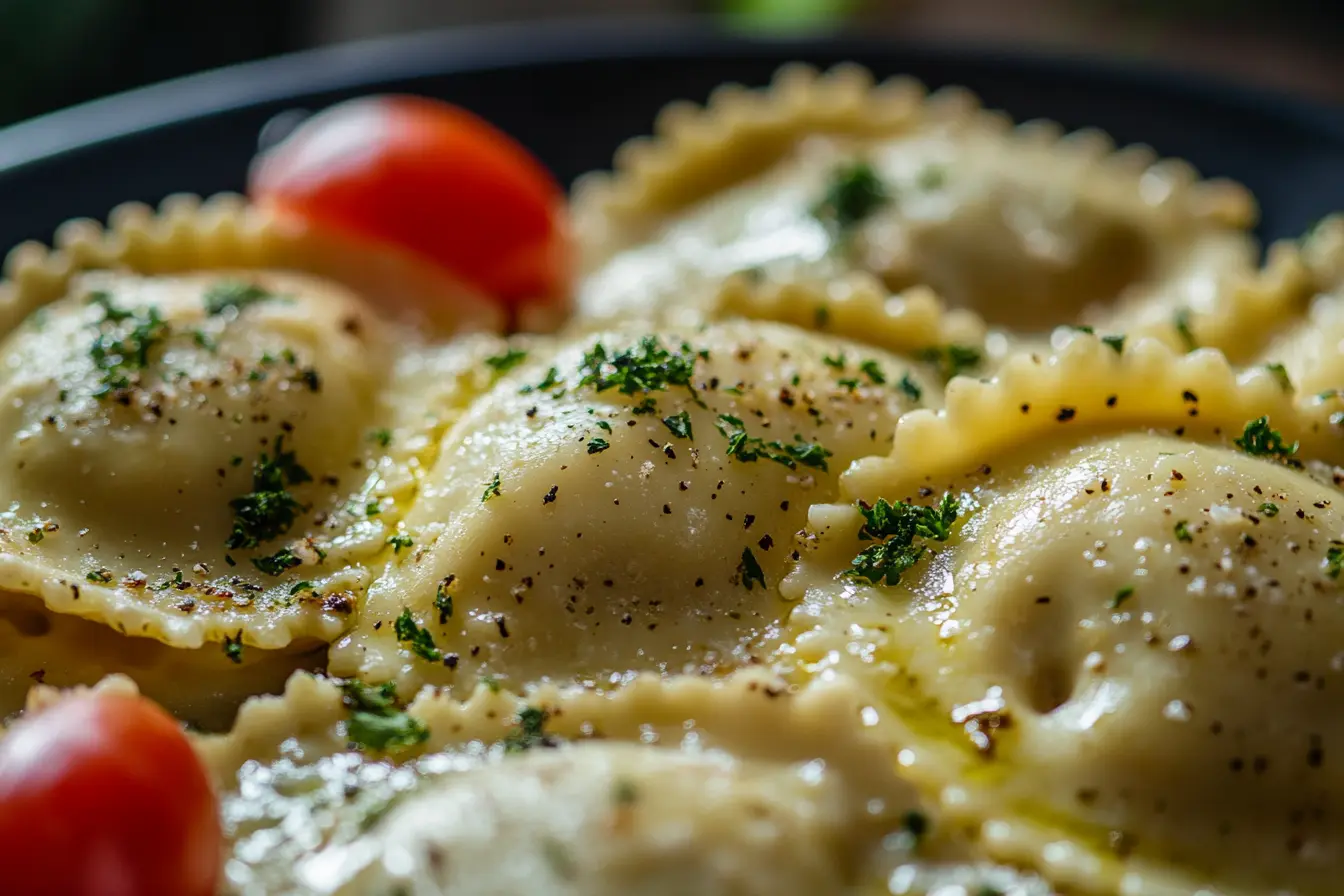
Introduction to Finding the Perfect Substitute for Lasagna Pasta
Lasagna, a beloved dish celebrated for its layers of cheesy goodness and robust flavors, often centers around its key component: the pasta. However, dietary preferences or a simple pantry shortage might prompt the need for an alternative. Whether you’re looking for gluten-free options, aiming to cut carbs, or just want to shake things up with a healthier twist, finding the right substitute for lasagna pasta can transform your dish while keeping the spirit of this classic alive. This article explores various alternatives to traditional lasagna noodles, providing you with creative and delicious , ways to enjoy your favorite lasagna recipes without the standard pasta.
Traditional Lasagna Noodles and Their Role in Lasagna
Lasagna without the traditional noodles? For many, this might sound like a culinary heresy, but the role of pasta in lasagna is primarily structural, offering layers that hold together the rich sauces and creamy cheeses. Understanding this role is key to finding a suitable substitute that not only complements the flavors but also maintains the integrity of the dish.
What Makes Lasagna Noodles Unique
Lasagna noodles are designed to withstand layers of ingredients and extensive baking times without becoming mushy. They have a flat, wide shape that provides an ideal surface area for layering and a texture that absorbs flavors well. However, for those avoiding gluten or watching their carbohydrate intake, these noodles may be less than ideal.
The Texture and Cooking Challenges
One of the main challenges when substituting lasagna noodles is maintaining the dish’s texture. Traditional noodles provide a certain firmness that helps the lasagna hold its shape when sliced. Any alternative should offer a similar texture, ensuring that the lasagna doesn’t fall apart or become too watery.
By exploring various substitutes that can mimic these characteristics, you can create a lasagna that satisfies the craving for this comforting dish while adhering to dietary preferences or restrictions. Dive into the myriad of options available and discover how each can be used to make your next lasagna not just good, but great. For further insight into gluten-free pasta alternatives that could fit your lasagna needs, you can explore this comprehensive guide on gluten-free pasta substitutes.
Traditional Lasagna Noodles and Their Role in Lasagna
Lasagna, a staple in Italian cuisine, is traditionally built around its key ingredient: the lasagna noodle. Understanding the role of these noodles can help appreciate why they are so central to the dish and what qualities a substitute needs to embody to maintain the integrity of a classic lasagna.
The Importance of Lasagna Noodles
Lasagna noodles are more than just layers in this beloved dish; they are the backbone that holds all the delicious components together. Their wide, flat surface is perfect for stacking layers of rich meat sauce, creamy cheeses, and sometimes vegetables, providing structure and stability to the lasagna.
Unique Characteristics of Lasagna Noodles
- Structure and Texture: Traditional lasagna noodles have a firm texture that helps the dish maintain its shape when cooked. They are designed to absorb the flavors of the sauce and cheese without becoming soggy, making each bite perfectly balanced.
- Cooking Requirements: Lasagna noodles typically require pre-cooking or using no-boil varieties that cook in the oven. This step is crucial as it determines the final texture of the pasta and its ability to hold up under layers of ingredients and lengthy baking times.
Cooking Lasagna Noodles for Optimal Results
To achieve the best results when making traditional lasagna:
- Pre-Cooking Noodles: If not using no-boil noodles, lasagna sheets are usually boiled until they are just al dente. This prevents them from disintegrating during the baking process.
- Layering Techniques: Proper layering is essential to ensure that the noodles do not stick together and the layers of sauce and cheese permeate the pasta for maximum flavor.
The Role of Noodles in Flavor and Texture
Lasagna noodles not only support the structure but also enhance the dish’s overall flavor and texture. They absorb the savory notes of the sauce and meld with the creamy textures of cheeses like ricotta and mozzarella, creating a harmonious blend in every layer.
By fully understanding the traditional role of lasagna noodles, one can better appreciate the nuances of substituting them with alternatives that maintain these essential qualities. Whether sticking to tradition or experimenting with new ingredients, the choice of noodle or its substitute significantly impacts the lasagna’s culinary success. For more on cooking techniques that enhance your lasagna, check out this resource on perfecting pasta dishes.
Popular Substitutes for Lasagna Pasta
When traditional lasagna noodles aren’t an option, whether due to dietary restrictions or simply a desire to experiment with new textures and flavors, there are numerous substitutes that can take their place. Each offers a unique twist to the classic lasagna, allowing for creativity in the kitchen without sacrificing the essence of this beloved dish.
Pasta Alternatives
- Penne Pasta: A robust choice that holds up well under layers of sauce and cheese. Penne can be mixed directly with the cheese and sauce before baking, creating a texture similar to baked ziti but with a lasagna-like layering effect.
- Fettuccine: Laid flat, fettuccine noodles offer a similar coverage area to traditional lasagna sheets, making them an easy swap that requires minimal adjustment in cooking times or techniques.
- Spaghetti Noodles: When laid carefully, spaghetti can mimic the layering of lasagna noodles, providing a unique textural element.
Gluten-Free and Low-Carb Options
- Zucchini Noodles: Sliced thinly and salted to remove excess moisture, zucchini noodles are a popular low-carb substitute that adds a hint of freshness and considerably reduces the dish’s calorie count.
- Eggplant Slices: Roasted or grilled eggplant slices can replace pasta sheets to create a richer, more vegetable-forward version of lasagna.
- Cabbage Leaves: Blanching cabbage leaves makes them pliable enough to roll or layer, offering a surprisingly neutral flavor that pairs well with traditional lasagna fillings.
Special Diet-Friendly Substitutes
- Brown Rice Lasagna Noodles: Available in most health food stores, these are perfect for those avoiding gluten but still looking for the pasta-like texture.
- Palmini Lasagna Sheets: Made from hearts of palm, these are low in carbs and calories, making them ideal for ketogenic and other low-carb diet plans.
- Almond Flour Noodle Sheets: For those on grain-free diets, homemade almond flour pasta can be cut into lasagna sheet sizes to provide a nutty flavor and firm texture.
Each of these substitutes not only offers a solution for those looking to avoid traditional pasta but also enhances the nutritional profile of the dish, making lasagna more accessible and enjoyable for everyone involved. Experimenting with these alternatives not only diversifies your culinary repertoire but also introduces new textures and flavors to your dining table. For those interested in exploring more about gluten-free pasta options, a detailed guide is available here, providing insights and tips on how to best use these alternatives in your cooking.
Gluten-Free and Low-Carb Alternatives for Lasagna Pasta
For those managing gluten sensitivities or following low-carb diets, traditional lasagna noodles might be off the menu. However, numerous innovative alternatives allow everyone to enjoy lasagna without compromising on taste or texture. These substitutes not only cater to dietary needs but also add a new dimension to the classic lasagna dish.
Gluten-Free Pasta Substitutes
- Brown Rice Lasagna Noodles: These noodles are an excellent gluten-free alternative that closely mimics the texture and flavor of traditional wheat pasta. They are a perfect choice for those who want to keep the classic lasagna experience without gluten.
- Corn-Based Pasta: Corn pasta offers a slightly sweet flavor and a firm texture that holds up well in lasagna, providing a satisfying bite that is comparable to regular noodles.
- Chickpea Lasagna Sheets: High in protein and fiber, chickpea pasta is another gluten-free option that adds nutritional value while maintaining the hearty feel of traditional lasagna.
Low-Carb and Keto-Friendly Alternatives
- Zucchini Noodles: For a low-carb version of lasagna, thinly sliced zucchini provides a great layering material. To prevent excess moisture, salt the zucchini slices and let them sit before patting them dry and using them in your recipe.
- Cauliflower Sheets: Innovations in low-carb cooking have brought about cauliflower sheets, which can be used as a direct substitute for pasta sheets in lasagna. They offer a mild flavor that pairs well with robust sauces and cheeses.
- Palmini Lasagna Sheets: Made from hearts of palm, Palmini sheets are low in calories and carbs, making them ideal for keto diets. They have a pasta-like texture and a neutral taste that absorbs the flavors of the lasagna ingredients.
Cooking Tips for Gluten-Free and Low-Carb Lasagna
- Pre-Cooking: Many vegetable-based noodles release water during the cooking process, so it’s advisable to pre-cook them to remove excess moisture. This step ensures that your lasagna doesn’t become watery.
- Layering: When using softer ingredients like vegetable noodles, consider adding extra layers of cheese or protein to help maintain the structure of the lasagna.
- Seasoning Adjustments: Gluten-free and low-carb noodles often require additional seasoning compared to traditional pasta. Experiment with herbs and spices to enhance the flavor profile of your lasagna.
These gluten-free and low-carb alternatives not only make lasagna accessible to those with dietary restrictions but also introduce healthier options into traditional cooking. By incorporating these substitutes, you can create a lasagna that is both delicious and aligned with your nutritional goals. For more detailed guidance on using these alternatives, including preparation tips and recipe ideas, check out this comprehensive resource on gluten-free pasta substitutes.
Preparing Lasagna with Substitutes
Adapting your lasagna recipe to include non-traditional noodles or noodle substitutes can be a fun and creative way to cater to different dietary needs or just to try something new. Here’s a guide on how to effectively prepare lasagna using various substitutes without losing the essence of this beloved dish.
Key Steps for Using Pasta Alternatives
- Selection of Substitute: Choose a substitute that complements the flavors and textures of the other ingredients. For instance, if moisture is a concern (as with zucchini or eggplant), select a substitute that holds up well under layers of sauce and cheese.
- Preparation of the Substitute: Many substitutes, especially vegetables, need to be pre-cooked to reduce moisture and ensure they are tender. For example, grilling or roasting slices of eggplant or zucchini can add flavor while removing excess water.
- Layering the Lasagna: When using substitutes, it’s crucial to consider how they will interact with the sauce and cheese. Layer them as you would traditional noodles, ensuring each layer is well-seasoned and covered adequately with sauce and cheese to help bind all the ingredients.
Tips for Cooking with Non-Pasta Alternatives
- Use Thicker Sauces: To prevent the lasagna from becoming too watery, especially when using vegetable sheets like zucchini or squash, opt for thicker, more reduced sauces. This adjustment helps maintain the lasagna’s structure and enhances flavor concentration.
- Increase Baking Time: Some substitutes, particularly those denser than traditional noodles, may require longer cooking times to achieve the desired tenderness and integration of flavors.
- Add Binding Ingredients: Ingredients like eggs mixed into the ricotta cheese filling can help stabilize the structure when using less sturdy substitutes, ensuring that the layers hold together when served.
Special Considerations for Gluten-Free and Low-Carb Lasagna
- Check for Cross-Contamination: When preparing gluten-free lasagna, ensure all ingredients are certified gluten-free, including any packaged substitutes and sauces.
- Enhance Flavor Profiles: Since some substitutes have milder flavors than traditional pasta, consider enhancing your lasagna with bold herbs and spices, or by incorporating umami-rich ingredients like mushrooms or sun-dried tomatoes to deepen the flavor.
- Balancing Moisture Levels: For substitutes that might introduce more moisture into the dish, such as fresh vegetables, consider adjusting the amount of sauce or incorporating drying techniques like salting and draining the vegetables beforehand.
Benefits of Using Substitutes in Lasagna
Using substitutes for traditional lasagna pasta can offer a variety of benefits, from accommodating dietary restrictions to enhancing nutritional content. This approach not only caters to specific health needs but also introduces new textures and flavors, making your lasagna a unique culinary experience.
Health Benefits
- Lower Carbohydrates: For those on low-carb or ketogenic diets, substitutes like zucchini noodles or Palmini lasagna sheets significantly reduce the carbohydrate content compared to traditional pasta.
- Increased Nutrient Density: Vegetable substitutes such as spinach, eggplant, or butternut squash add vitamins, minerals, and fiber to the dish, increasing its overall nutritional value.
- Gluten-Free Options: Gluten-sensitive individuals can enjoy lasagna without worry by using gluten-free substitutes like brown rice noodles or chickpea lasagna sheets, avoiding the discomfort that comes with gluten intolerance.
Environmental and Ethical Advantages
- Lower Environmental Impact: Choosing vegetable-based substitutes can reduce the environmental footprint associated with traditional pasta production, which often requires more water and energy.
- Support for Plant-Based Diets: Using vegetable noodles or other plant-based substitutes supports vegan and vegetarian diets, aligning with ethical eating practices and animal welfare.
Culinary Creativity and Personalization
- Flavor Diversity: Substitutes like almond flour noodles or cabbage sheets can introduce new flavors and textures to lasagna, making each dish unique and tailored to personal taste preferences.
- Customization for Dietary Needs: With substitutes, lasagna can be easily customized to meet various dietary requirements, making it a versatile dish that can be enjoyed by everyone regardless of their dietary restrictions.
Social Benefits
- Inclusivity in Dining: By accommodating different dietary needs, using substitutes in lasagna ensures that everyone at the table can enjoy the meal, making social gatherings more inclusive.
- Encouragement of Healthy Eating Habits: Introducing substitutes that are lower in carbs and higher in nutrients can help encourage healthier eating habits among family and friends.
Incorporating substitutes into your lasagna not only expands your culinary repertoire but also contributes to a healthier lifestyle, reduces environmental impact, and enhances meal inclusivity. Whether you’re trying to cater to specific health conditions, adhere to dietary preferences, or simply spice up your traditional cooking, lasagna with substitutes offers a satisfying solution that keeps the essence of the beloved dish intact while introducing beneficial changes. For more inspiration and guidance on using these alternatives, you can explore additional resources like this comprehensive guide on healthy and creative cooking techniques.