
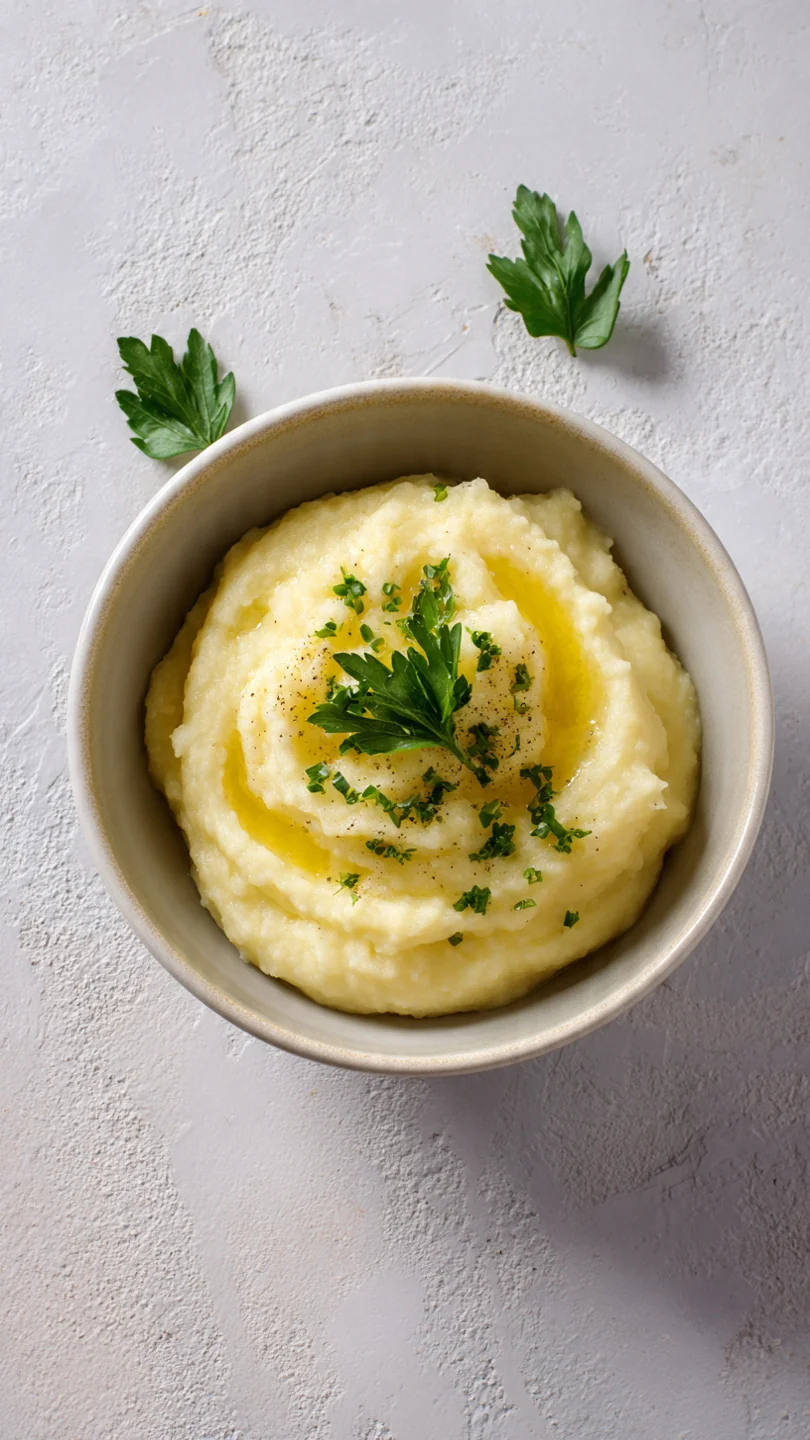
There’s a moment in a great meal where a simple side dish steals the show. It’s not the main event, but its perfect texture and deep, comforting flavor make everything else taste better. That’s the magic of a properly made vegetable puree.
Inspired by the techniques of chefs like Gordon Ramsay, this parsnip puree recipe moves far beyond mashed potatoes. It’s a study in transforming a humble, sweet root vegetable into something luxuriously smooth, subtly complex, and utterly elegant. With a few professional tricks, you can create this silky, restaurant-worthy accompaniment that pairs beautifully with everything from a Sunday roast to a weeknight pork chop.
This recipe delivers far more than the sum of its parts. Here’s what makes it special:
- Restaurant-Quality Results: Using chef-approved techniques like simmering in dairy and sieving creates a texture you’d be served in a fine dining establishment.
- Deep, Complex Flavor: The parsnips are gently poached in a thyme-and-garlic-infused cream mixture, absorbing incredible flavor before they’re even blended.
- Surprisingly Simple: The process is straightforward—chop, simmer, blend, and sieve. The magic is in the method, not a long list of complicated steps.
- Make-Ahead Friendly: You can prepare this puree a day in advance and gently reheat it, making it a stress-free star for holiday dinners or dinner parties.
- Versatile Pairing: Its sweet and savory profile complements a wide range of proteins, from beef and chicken to fish and vegetarian mains.
- Elegant Presentation: The final, glossy-smooth texture looks beautiful on the plate, elevating any meal instantly.
Ingredients You’ll Need
- Let’s gather our ingredients. This short list is all about quality and technique. The parsnips are the star, gently coaxed into sweetness, while the dairy, herbs, and butter build layers of richness and aroma.
- Parsnips: 1.5 pounds, peeled. Look for firm, medium-sized parsnips without soft spots or extensive hairy roots. Larger ones can have a woody core that should be trimmed out.
- Whole Milk & Heavy Cream: This combination provides the perfect balance of richness and fluidity for poaching. Using all cream can be too heavy.
- Garlic & Fresh Thyme: These aromatics infuse the dairy as it simmers, creating a flavorful poaching liquid that seasons the parsnips from the inside out.
- Bay Leaf: Adds a subtle, earthy background note. Don’t skip it.
- Unsalted Butter: Added cold at the end. It emulsifies into the hot puree, adding shine, richness, and a velvety mouthfeel.
- Fresh Nutmeg: Just a few gratings are essential. It has a warm, aromatic quality that pairs perfectly with the sweet parsnips.
- Kosher Salt & White Pepper: White pepper is traditional for its clean flavor and to avoid black specks in the pale puree, but black pepper works in a pinch.
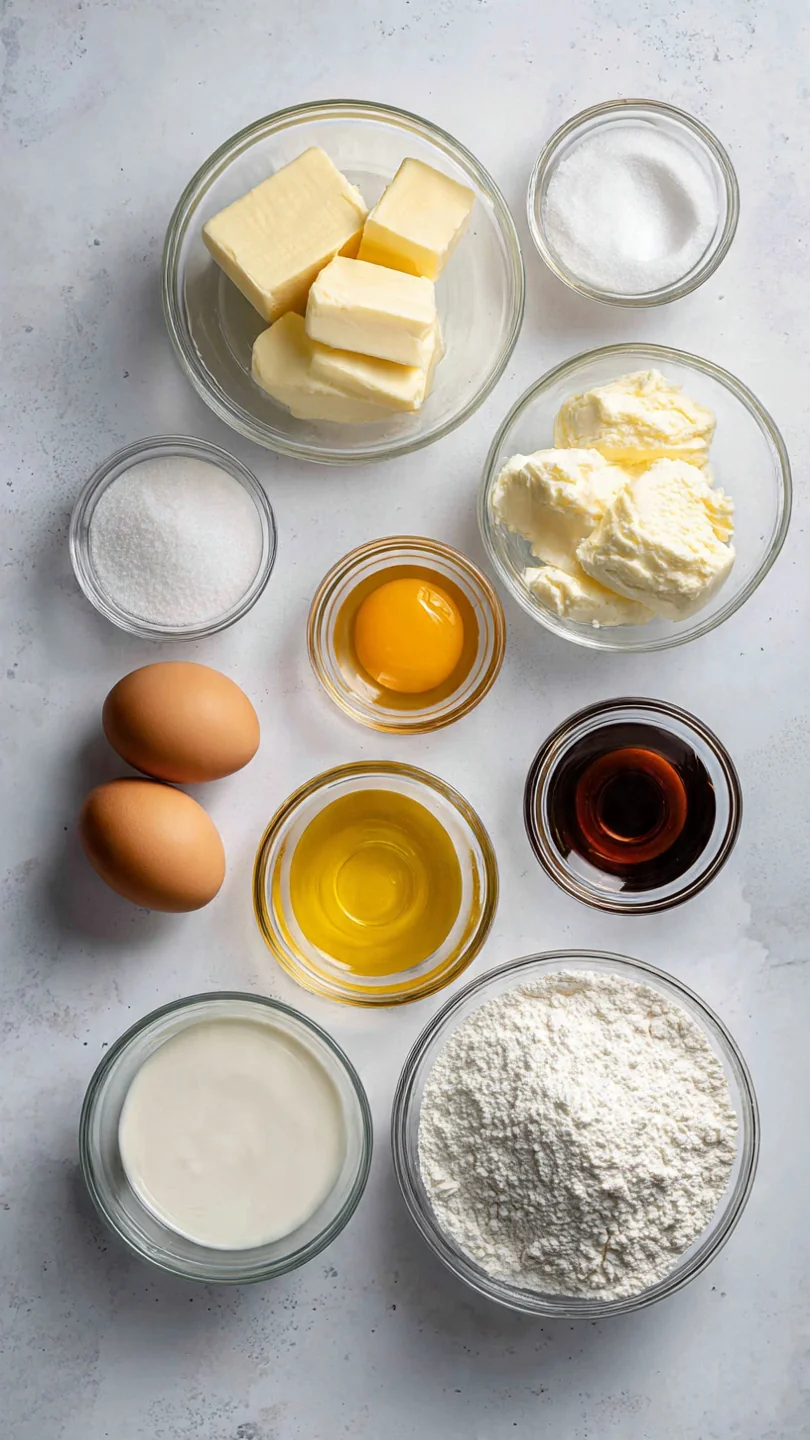
Note: You’ll find the complete list of ingredients, along with their exact measurements, in the printable recipe card at the bottom of this post.
Kitchen Equipment Needed
You don’t need specialized gear, but a few key tools will ensure success.
- A Medium Saucepan: For simmering the parsnips gently in the dairy.
- A High-Speed Blender or Food Processor: Essential for achieving that ultra-smooth, silky texture. A standard blender works better than an immersion blender here.
- A Fine-Mesh Sieve or Tamis: This is the professional secret for a flawless texture, removing any last fibrous bits.
- The Basics: A vegetable peeler, a sharp chef’s knife, a cutting board, and a slotted spoon for transferring the cooked parsnips.
How to Make Gordon Ramsay Parsnip Puree Recipe
Step 1: Infuse and Simmer
Place your chopped parsnips in the saucepan and pour over the milk and cream. They should just barely submerge the vegetables. Tuck in the garlic, thyme sprigs, and bay leaf.
Now, bring this to a very gentle simmer over medium heat. The moment you see small bubbles around the edges, reduce the heat to low. Let it cook gently for 20-25 minutes.
Believe me, a low, steady heat is non-negotiable. You’re looking for the parsnips to be completely tender when pierced with a knife—this slow cooking infuses them with flavor and ensures they’ll blend smoothly.
Step 2: Blend to Silkiness
Using your slotted spoon, carefully lift the parsnips and garlic from the liquid into your blender. Discard the thyme stems and bay leaf, but keep that flavorful poaching liquid. Add half of your cold, cubed butter to the blender.
Start blending on high. Now, here’s the trick: with the blender running, slowly add spoonfuls of the warm cooking liquid through the lid’s feed tube. Tip from me: Add just enough liquid to get the blades moving and create a vortex, then add more until the puree is perfectly smooth and pourable.
This controlled addition prevents a grainy or watery texture.
Step 3: Season with Precision
Once you have a velvety base, it’s time to season. Add a generous pinch of kosher salt and white pepper. Grate in a hearty amount of fresh nutmeg—about 1/4 teaspoon—and blend for another 5 seconds to combine.
Now, taste. The flavor should be a beautiful balance: the natural sweetness of the parsnip, the savory depth from the infused dairy, and the warm, aromatic lift from the nutmeg. Adjust the salt and pepper until it sings.
Step 4: The Chef’s Finish for Perfection
For that truly professional, blemish-free texture, pass the puree through a fine-mesh sieve set over a clean bowl. Use a rubber spatula to press it through. This step catches any tiny fibrous strands, guaranteeing an impossibly smooth mouthfeel.
Finally, stir in the remaining cold butter until it’s fully melted and incorporated. This “mounting” with butter gives the puree a gorgeous glossy sheen and an extra layer of richness.
Step 5: Garnish and Serve Immediately
Transfer your masterpiece to a warm serving bowl. Garnish with a few fresh thyme leaves, one last whisper of grated nutmeg, and a crack of black pepper for contrast. Serve it right away while it’s warm, glossy, and inviting.
Step back and admire how this simple vegetable has been transformed into a luxurious side dish.
A few insights from the professional kitchen will elevate your puree from good to exceptional.
- Texture is King: The goal is silk, not glue. If your puree seems too thick after blending, thin it with more of the warm cooking liquid, not water or cold milk, to maintain flavor.
- The Cold Butter Finish: Adding cold butter at the end and stirring it in off the heat (called monter au beurre) creates a stable, glossy emulsion that makes the puree shine, literally and figuratively.
- Avoid the Boil: Never let the dairy mixture come to a rolling boil. A gentle simmer prevents the dairy from separating or scorching, which would give the puree a grainy texture.
- Season in Stages: Season the cooking liquid lightly, then season again aggressively after blending. The flavors concentrate as you blend, so final seasoning is crucial.
- The Sieve is Non-Negotiable: If you want the authentic, ultra-refined texture Gordon Ramsay is known for, don’t skip passing the puree through a sieve. It’s the difference between very smooth and perfectly smooth.
Recipe Variations
- This recipe is a wonderful canvas for creativity. Here are some tested variations to make it your own.
- Roasted Parsnip Puree: For a deeper, caramelized flavor, toss the chopped parsnips in oil, roast at 400°F until golden and tender, then simmer briefly in the infused dairy before blending.
- Vegan/Dairy-Free: Substitute the milk and cream with unsweetened, unflavored plant-based milk (like oat or cashew) and vegetable broth. Use vegan butter or a rich olive oil to finish.
- Apple & Parsnip Puree: Add one peeled, cored, and chopped apple (like Granny Smith) to the saucepan with the parsnips. The apple adds a lovely bright sweetness.
- Horseradish Kick: Stir in 1-2 teaspoons of prepared horseradish after blending for a fantastic pairing with roast beef or prime rib.
- Truffle Indulgence: Finish the puree with a drizzle of high-quality truffle oil or a small spoonful of truffle butter for a decadent twist.
- Herb-Forward: Along with thyme, add a sprig of rosemary to the simmering liquid, or stir in freshly chopped chives or parsley after sieving for color and freshness.
What to Serve With This Recipe
This parsnip puree is the ultimate supporting actor, making a wide range of main dishes shine.
It’s a classic and elegant partner for holiday roasts like beef tenderloin, standing rib roast, or roast turkey. The sweet creaminess cuts through the richness of the meat beautifully. For a simpler dinner, try it with pan-seared pork chops, roasted chicken, or seared salmon.
The puree also makes a luxurious bed for pan-seared scallops or a mushroom ragout for a vegetarian feast. In terms of other sides, it pairs well with simple green vegetables like sautéed green beans, roasted Brussels sprouts, or a crisp salad to balance its richness. A glass of oaked Chardonnay or a light Pinot Noir would be excellent beverage companions.
Storage & Make-Ahead Instructions
- This puree is an excellent candidate for preparing in advance, making entertaining much easier.
- Refrigeration: Transfer cooled puree to an airtight container and refrigerate for up to 3 days. Press a piece of plastic wrap directly onto the surface before sealing to prevent a skin from forming.
- Freezing: While possible, freezing can slightly alter the creamy texture upon thawing. If you do freeze it, store in a freezer-safe container for up to 1 month. Thaw overnight in the refrigerator.
- Reheating: Gently reheat the puree in a saucepan over low heat, stirring frequently. You will likely need to add a small splash of milk or cream to loosen it back to its original silky consistency. Avoid microwaving in long bursts, as it can cause separation.
- Make-Ahead Strategy: Complete the recipe through sieving and butter incorporation. Cool, cover, and refrigerate. Reheat gently on the stovetop when ready to serve, adjusting consistency with warm liquid as needed.
Frequently Asked Questions
Q: Can I make this without a high-speed blender?
A: Yes, a food processor will work, though it may not get it quite as silky-smooth. For the best results with any tool, ensure the parsnips are very tender and pass the puree through a sieve. An immersion blender is the least effective option for this recipe.
Q: My puree is too thin/watery. How can I fix it?
A: If it’s too thin, return it to a saucepan and cook over low heat, stirring constantly, to evaporate some moisture. If it’s too thick, whisk in small amounts of warm milk, cream, or the reserved cooking liquid until the desired consistency is reached.
Q: Why use white pepper instead of black?
A: White pepper provides a clean, sharp heat without the visible black flecks, maintaining the puree’s elegant, pale color. It’s a classic fine-dining technique for light-colored sauces and purees.
Q: Can I use pre-chopped or frozen parsnips?
A: Fresh, whole parsnips are highly recommended for the best flavor and texture. Pre-chopped vegetables can be dry, and frozen parsnips often contain too much water, which will dilute the flavor and make achieving a thick, creamy texture difficult.
Q: What’s the purpose of the bay leaf and thyme?
A: They gently infuse the dairy poaching liquid with aromatic, savory notes that the parsnips absorb as they cook. This builds a foundational layer of flavor that’s more complex than simply seasoning the puree at the end.
Q: Is it necessary to pass the puree through a sieve?
A: For a truly refined, restaurant-smooth texture, yes. Parsnips can have fibrous strings, and the sieve catches any that the blender misses. If you prefer a more rustic texture, you can skip it, but the mouthfeel will be different.
Q: Can I make this recipe vegan?
A: Absolutely. Use a rich, unsweetened plant-based milk (oat or cashew work well) and vegetable broth instead of dairy. Finish with vegan butter or a high-quality olive oil, and ensure your nutmeg is fresh for the best flavor.
Final Thoughts
Mastering this parsnip puree is about embracing a simple truth: extraordinary side dishes often come from treating humble ingredients with care and a few smart techniques. The process of gentle infusion, patient blending, and the final sieve transforms the earthy parsnip into something celebratory and smooth. It’s a recipe that builds confidence in the kitchen and delivers impressive results every time.
I encourage you to try this method exactly as written first to experience that perfect texture. Once you’ve mastered it, play with the variations—add a hint of horseradish for beef, or try the roasted version for deeper flavor. This puree has earned a permanent spot in my holiday and entertaining repertoire, and I hope it does in yours too.
If you make it, I’d love to hear how it turned out! Share your results and any creative twists you tried. Enjoy the process and the delicious, silky-smooth results.
Gordon Ramsay’s Silky Parsnip Puree
Equipment
- Medium saucepan
- High-speed blender or food processor
- Fine-mesh sieve or tamis
- Vegetable peeler
- Chef’s knife and cutting board
Ingredients
- 1.5 lbs parsnips peeled and chopped into 1-inch chunks
- 1 cup whole milk
- 1 cup heavy cream
- 2 cloves garlic peeled and smashed
- 2 sprigs fresh thyme plus extra for garnish
- 4 tbsp unsalted butter cold, cubed, divided
- fresh nutmeg for grating
- kosher salt to taste
- white pepper to taste
Instructions
- Place the chopped parsnips in a medium saucepan. Pour in the milk and cream—they should just barely cover the vegetables. Add the smashed garlic cloves, thyme sprigs, and bay leaf. Bring to a very gentle simmer over medium heat, then immediately reduce to low. Cook for 20-25 minutes, or until the parsnips are completely tender when pierced with a knife. Tip from me: A true simmer means tiny bubbles around the edges; boiling will cause the dairy to separate.
- Using a slotted spoon, transfer the cooked parsnips and garlic to a blender. Discard the thyme stems and bay leaf, but reserve the cooking liquid. Add half of the cold, cubed butter to the blender. Blend on high, slowly adding spoonfuls of the reserved warm cooking liquid until you achieve a perfectly smooth, silky consistency. Trust me, adding the liquid gradually is key to controlling the texture.
- Once the puree is velvety smooth, season generously with kosher salt and white pepper. Grate in a generous amount of fresh nutmeg—about 1/4 teaspoon—and blend once more to incorporate. Taste and adjust seasoning. The flavor should be sweet from the parsnips, aromatic from the herbs and nutmeg, with a rich, creamy backdrop.
- For the final chef’s touch, pass the puree through a fine-mesh sieve or tamis into a clean bowl. This extra step removes any tiny fibrous bits, guaranteeing an impossibly smooth texture. Stir in the remaining cold butter until it melts and glazes the puree, making it extra glossy and luxurious.
- Transfer the puree to a serving dish. Garnish with a few fresh thyme leaves, a final grating of nutmeg, and a crack of black pepper. Serve immediately while warm and gloriously smooth. Step back and admire your restaurant-quality creation.