
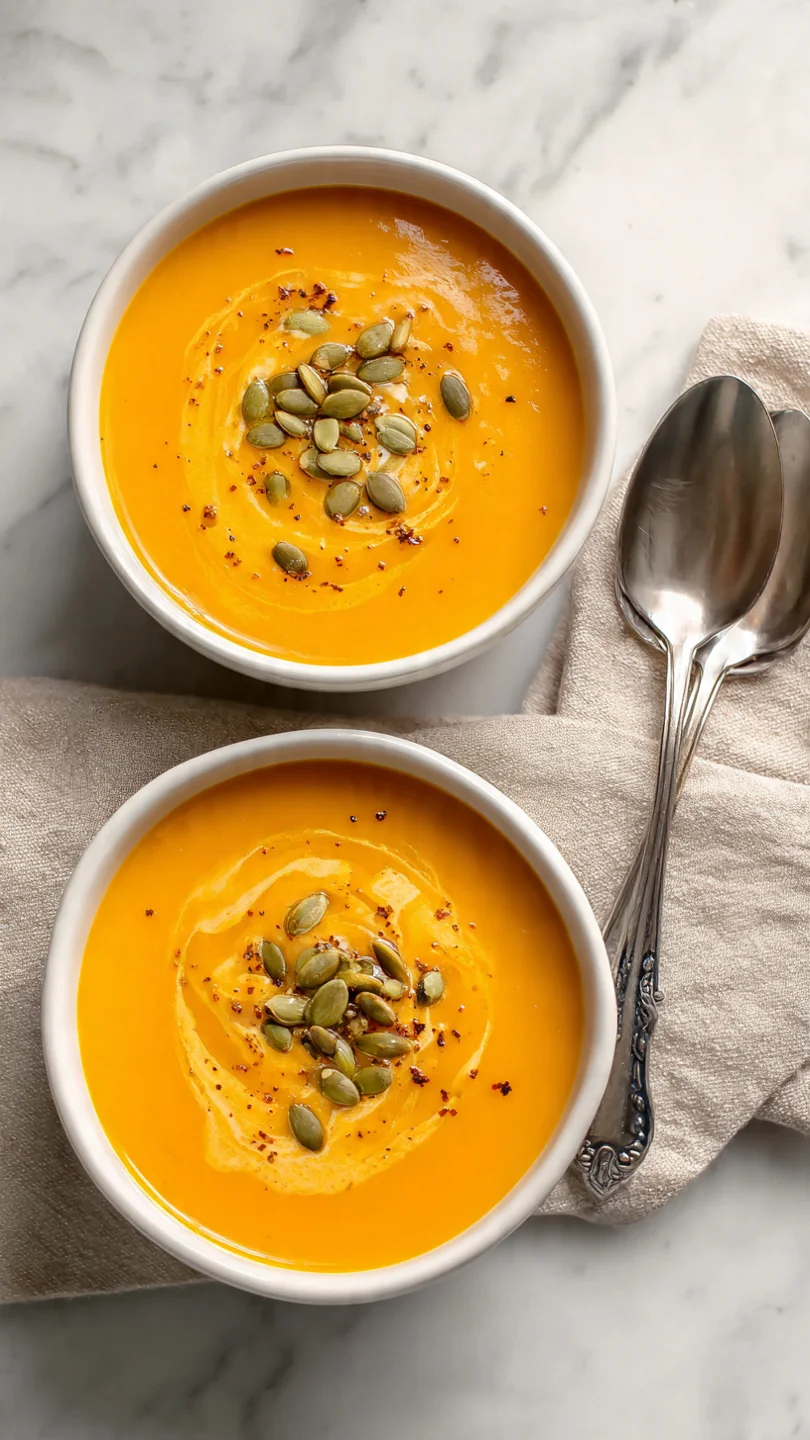
There’s something profoundly comforting about a bowl of soup that manages to be both nourishing and indulgent. This vegan carrot ginger soup is exactly that—a vibrant, velvety blend where the natural sweetness of carrots meets the warm, spicy kick of fresh ginger, all brought together with the rich creaminess of coconut milk. It’s the kind of meal that feels like a hug from the inside, perfect for a busy weeknight or when you need a healthy reset.
As a chef, I love recipes that deliver maximum flavor with minimal fuss, and this one, tested multiple times in my kitchen, consistently delivers a restaurant-quality result from simple, whole ingredients.
This soup is a staple in my home for good reason. It checks all the boxes for a perfect everyday recipe.
- Weeknight Easy: From chopping to serving, you’re about 40 minutes away from a gourmet-tasting meal with very little active cooking time.
- Creamy Without Dairy: The magic of full-fat coconut milk creates a luxuriously smooth, rich texture that’s completely vegan and dairy-free.
- Flavor-Packed Balance: It’s not just sweet. The fresh ginger adds a bright, spicy depth, and a squeeze of lemon juice at the end is the professional secret to making all the flavors pop.
- Nutrient-Dense Comfort: Packed with beta-carotene from carrots and the anti-inflammatory benefits of ginger, this is comfort food that genuinely makes you feel good.
- Meal-Prep Friendly: It tastes even better the next day and freezes beautifully, making it an ideal make-ahead lunch or dinner.
- Incredibly Versatile: I’ll show you how to easily customize it with different spices, proteins, or toppings to keep it exciting.
Ingredients You’ll Need
- Let’s gather our ingredients. This soup is a beautiful example of how a short list of pantry and produce staples can transform into something special. The quality of your carrots and ginger makes a noticeable difference here, so choose fresh, firm carrots and a plump piece of ginger root.
- Carrots: The star of the show. About 2 pounds gives you the perfect balance of sweetness and body. No need for baby carrots—standard large ones work great.
- Fresh Ginger: Please, trust me on this—use fresh, not dried. Grating it releases its potent, aromatic oils and ensures no fibrous bits end up in your smooth soup.
- Full-Fat Coconut Milk: This is our dairy-free cream. The fat content is essential for that lush, creamy mouthfeel. Light coconut milk will make the soup thinner and less rich.
- Vegetable Broth: Use a good-quality, low-sodium broth so you can control the final seasoning. It forms the flavorful base of our soup.
- Aromatics: A yellow onion and a few cloves of garlic build a savory foundation that balances the carrots’ sweetness.
- Lemon Juice: This is my non-negotiable chef’s tip. A bit of acid at the end brightens the entire dish and lifts all the other flavors.
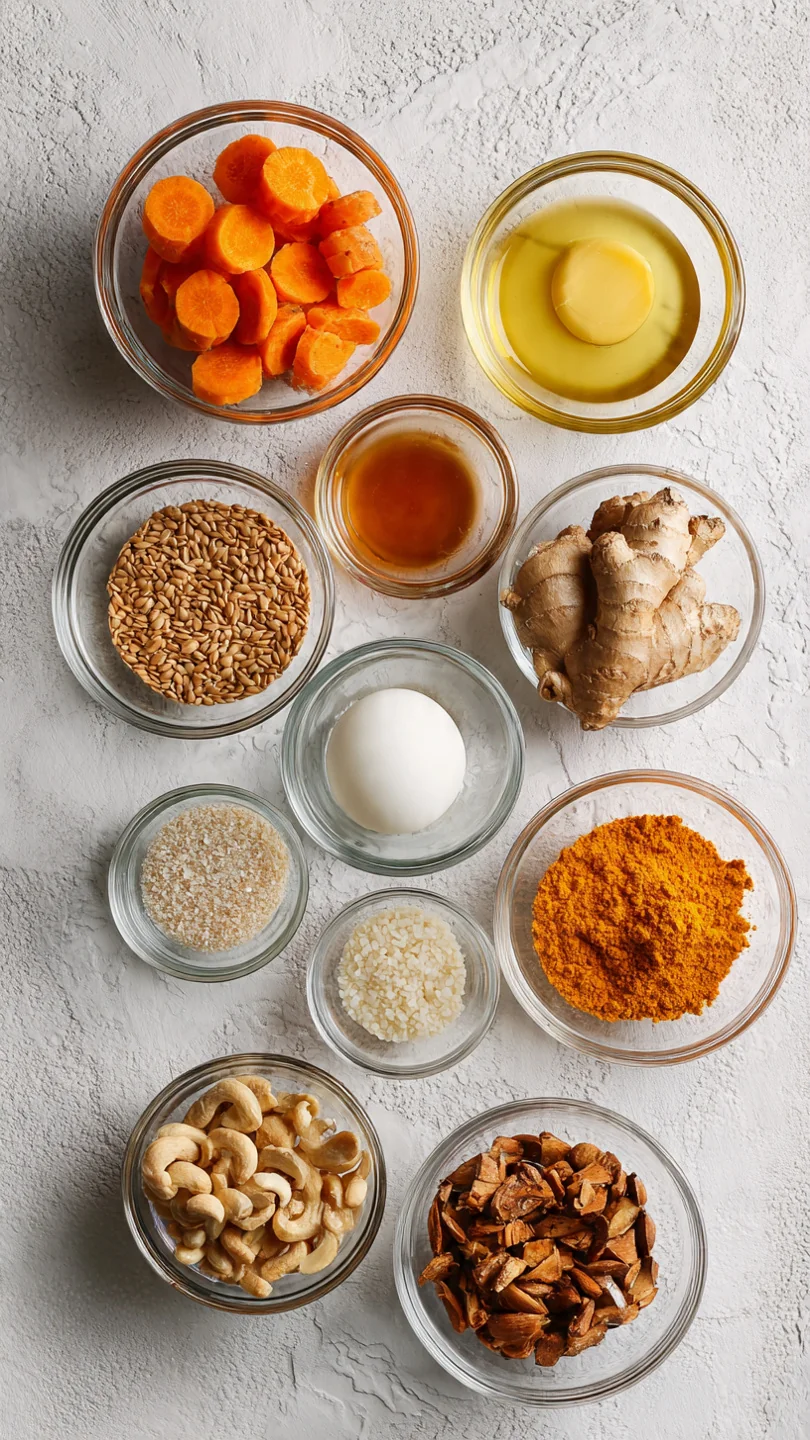
Note: You’ll find the complete list of ingredients, along with their exact measurements, in the printable recipe card at the bottom of this post.
Kitchen Equipment Needed
You don’t need any fancy gadgets for this recipe. A few basic tools will get the job done perfectly.
- A Large Pot or Dutch Oven: A 4 to 6-quart pot is ideal for sautéing and simmering all the ingredients comfortably.
- A High-Speed Blender or Immersion Blender: For achieving that signature silky-smooth texture. A standard blender gives the creamiest result, but an immersion blender right in the pot works well too (and means less cleanup).
- A Good Chef’s Knife and Cutting Board: For efficiently chopping the onions and carrots.
- A Box Grater or Microplane: The easiest way to grate your fresh ginger. A fine grater ensures it melts seamlessly into the soup.
How to Make Healthy Vegan Carrot Ginger Soup Recipe
Step 1: Build Your Flavor Base
Heat the oil in your large pot over medium heat. Add the chopped onion with a pinch of salt—the salt helps draw out moisture and speeds up softening. Sauté for 5 to 7 minutes until the onions are soft and translucent, not browned.
This gentle cooking builds sweetness. Now, add the minced garlic and grated ginger. Believe me, the aroma at this point is incredible.
Cook for just about 60 seconds, stirring constantly, until very fragrant. You’re toasting the ginger and garlic to unlock their flavors, but be careful not to burn them.
Step 2: Simmer Until Tender
Add all your chopped carrots and the vegetable broth to the pot. The liquid should just cover the vegetables. Turn the heat up to bring everything to a lively boil, then immediately reduce it to a steady simmer.
Cover the pot with a lid. Now, let nature take its course. Simmer for 20 to 25 minutes.
You’ll know it’s ready when you can easily pierce the thickest piece of carrot with a fork with no resistance. This ensures they will blend into a perfectly smooth puree.
Step 3: The Creamy Transformation
This is the fun part. Carefully ladle the hot carrot mixture into your blender. Tip from me: always work in batches if your blender is small, and never fill it more than halfway with hot liquid.
Add most of the can of coconut milk (save a couple of tablespoons for garnish) and the fresh lemon juice. The acid from the lemon is crucial—it cuts through the richness and makes the carrot flavor sing.
Step 4: Blend to Silky Perfection
Secure the blender lid. Here’s a critical safety tip: remove the center vent cap from the lid and cover the hole with a folded kitchen towel. This allows steam to escape and prevents the lid from blowing off.
Blend on high for 1 to 2 minutes. Trust me, you want to blend it longer than you think. This extra time is what creates that incredibly velvety, restaurant-smooth texture you’re after.
Step 5: Season and Serve
Pour the beautifully smooth soup back into the pot. Now, taste it. This is the most important step.
Season generously with sea salt and freshly ground black pepper. The salt will amplify every layer of flavor. Give it a final stir.
Ladle the soup into bowls and garnish with your reserved coconut milk, a sprinkle of fresh herbs like cilantro or parsley, and maybe some toasted pumpkin seeds for crunch. Step back and admire your vibrant, healthy creation before diving in.
A few chef-driven insights will guarantee your soup turns out perfectly every single time.
- Grating vs. Chopping Ginger: Grating the ginger on a fine microplane is my preferred method. It practically dissolves into the soup, distributing flavor evenly without any fibrous chunks.
- The Power of Acid: Don’t be tempted to skip the lemon or lime juice. In professional kitchens, we use acid to balance sweetness and fat. It’s the difference between a good soup and a great one.
- Blending Safety First: Never underestimate the pressure hot liquids create in a blender. Always vent the lid and cover it with a towel. Blending in batches is safer and often yields a smoother result.
- Texture Check: If your soup seems too thick after blending, simply thin it with a little extra vegetable broth or water until it reaches your desired consistency. If it’s too thin, simmer it uncovered for a few minutes to reduce and concentrate the flavors.
- Taste and Adjust: Always do your final seasoning after blending. The cold coconut milk and lemon juice can mute the flavors slightly, so a final pinch of salt is usually needed.
Recipe Variations & Customizations
- This soup is a wonderful canvas. Once you’ve mastered the base recipe, try these tested variations to keep things interesting.
- Spicy Thai-Inspired: Add 1-2 tablespoons of red curry paste when you sauté the ginger and garlic. Garnish with fresh basil and a squeeze of lime.
- Roasted Carrot Version: For a deeper, caramelized flavor, toss your chopped carrots with a tablespoon of oil and roast at 400°F for 25 minutes before adding them to the pot with the broth.
- Apple Addition: Add one peeled and chopped apple (like Granny Smith) with the carrots for a touch of fruity sweetness that pairs beautifully with the ginger.
- Protein Boost: Stir in a can of rinsed white beans (like cannellini) before blending for added fiber and protein, or top the finished soup with crispy baked tofu or chickpeas.
- Indian-Spiced: Toast 1 teaspoon each of cumin and coriander seeds in the pot before adding the oil. Finish the soup with a pinch of garam masala after blending.
- Herb-Infused: Add a few sprigs of fresh thyme or rosemary to the pot while the soup simmers. Remove them before blending.
What to Serve With This Recipe
This soup is satisfying enough to be a meal on its own, but it also plays well with others. For a simple, elegant lunch, pair it with a slice of crusty, toasted sourdough bread or a warm, whole-grain roll for dipping. If you’re making it part of a larger dinner, it works beautifully as a starter followed by a hearty salad like a quinoa and roasted vegetable bowl or a simple green salad with a tangy vinaigrette.
For a more substantial meal, serve it alongside a vegan grilled cheese sandwich or a scoop of coconut rice. A crisp, unoaked white wine or sparkling water with lemon makes a lovely beverage pairing.
Storage & Make-Ahead Instructions
- This soup is a meal-prep dream. To store, let it cool completely to room temperature before transferring it to airtight containers.
- Refrigerator: It will keep well in the fridge for up to 4 days. The flavors meld and often taste even better on day two.
- Freezer: For longer storage, freeze the soup in individual portions for up to 3 months. Leave about an inch of space at the top of the container for expansion.
- Reheating: Gently reheat thawed or refrigerated soup in a saucepan over medium-low heat, stirring occasionally. If it has thickened in the fridge, add a splash of broth or water to loosen it up.
- Make-Ahead Strategy: You can fully prepare this soup 1-2 days in advance. Simply reheat gently before serving. I do not recommend adding the lemon juice until you are reheating to serve, as the fresh acid flavor can fade.
Nutritional Benefits
- This soup isn’t just delicious; it’s a powerhouse of nutrients. Carrots are famously rich in beta-carotene, which your body converts to vitamin A, essential for good vision, a healthy immune system, and skin health. Fresh ginger is renowned for its anti-inflammatory and digestive properties, thanks to compounds like gingerol. Using coconut milk provides healthy medium-chain fats that can be a quick source of energy. Together, they create a meal that is high in fiber, vitamins, and antioxidants, supporting overall wellness in a bowl of cozy comfort.
Frequently Asked Questions
Q: Can I use an immersion blender instead of a regular blender?
A: Absolutely. An immersion blender is convenient for blending directly in the pot. For the absolute smoothest, silkiest texture, a high-speed countertop blender is superior, but an immersion blender will still give you a very good result with less cleanup.
Q: My soup turned out too sweet. What can I do?
A: This can happen with very sweet carrots. The fix is easy: balance it with more acid. Add an extra tablespoon of lemon or lime juice.
You can also add a pinch of cayenne pepper or more black pepper to introduce a savory-spicy element that counters the sweetness.
Q: Can I make this soup without coconut milk?
A: Yes, though the texture will be different. For a nuttier flavor, you can substitute with unsweetened almond or cashew milk. For creaminess, blend in ½ cup of raw cashews (soaked in hot water for 30 minutes first) with the soup.
Q: How can I tell if my ginger is still fresh and good to use?
A: Look for ginger root with smooth, taut skin that’s not wrinkled or shriveled. It should feel firm and heavy for its size. If it’s soft, moldy, or has a dry, fibrous texture inside, it’s past its prime.
Q: Is it okay to use pre-chopped or baby carrots?
A: You can, but for the best flavor, I recommend whole carrots. Pre-chopped carrots can be dry, and baby carrots are often trimmed and washed in a chlorine solution, which can subtly affect taste. If you do use them, the recipe will still work.
Q: Can I freeze this carrot ginger soup?
A: Yes, it freezes exceptionally well. Cool it completely, then freeze in airtight containers or freezer bags for up to 3 months. Thaw overnight in the refrigerator before reheating.
The texture may separate slightly after freezing; a quick whisk or blend after reheating will bring it back together.
Q: What’s the best way to reheat it without it becoming grainy or separating?
A: Reheat gently over medium-low heat on the stovetop, stirring frequently. Avoid boiling it vigorously. If the coconut milk has separated, a quick whisk or a brief pulse with an immersion blender will re-emulsify it perfectly.
Final Thoughts
This healthy vegan carrot ginger soup is more than just a recipe; it’s a reliable, flavorful tool for your cooking repertoire. It proves that eating well doesn’t require complicated techniques or hard-to-find ingredients. In under an hour, you can create a pot of something that feels both indulgent and virtuous.
The balance of sweet, spicy, creamy, and bright is what makes it so special and so repeatable. I hope this soup becomes a comforting staple in your kitchen as it is in mine. Give it a try, play with the variations, and don’t forget that final squeeze of lemon.
I’d love to hear how it turns out for you—share your photos and tag me, or leave a comment with your favorite twist on this classic. Happy, healthy cooking
Healthy Vegan Carrot Ginger Soup
Equipment
- Large pot or Dutch oven (4-6 quart)
- High-speed blender or immersion blender
- Chef’s knife and cutting board
- Vegetable peeler
- Measuring spoons and cups
Ingredients
- 2 tbsp Coconut oil or olive oil
- 1 large Yellow onion chopped
- 3 cloves Garlic minced
- 2 tbsp Fresh ginger peeled and finely grated
- 2 lbs Carrots peeled and chopped into 1-inch chunks (about 6-7 large carrots)
- 4 cups Vegetable broth low-sodium recommended
- 1 13.5 oz can Full-fat coconut milk divided; reserve 2-3 tbsp for garnish
- 2 tbsp Fresh lemon juice or lime juice
- to taste Sea salt
- to taste Freshly ground black pepper
- For garnish Fresh cilantro, parsley, toasted pumpkin seeds, or a drizzle of coconut milk
Instructions
- Heat the coconut oil in a large pot or Dutch oven over medium heat. Add the chopped onion and a pinch of salt. Sauté for 5-7 minutes, stirring occasionally, until the onion is soft and translucent. Add the minced garlic and grated ginger, and cook for another 60 seconds until fragrant. Be careful not to burn the garlic.
- Add the chopped carrots and vegetable broth to the pot. Increase the heat to bring the mixture to a boil, then reduce to a simmer. Cover the pot and let it cook for 20-25 minutes, or until the carrots are very tender when pierced with a fork.
- Carefully transfer the hot soup mixture to a high-speed blender. Alternatively, use an immersion blender directly in the pot. Add most of the can of coconut milk (reserving a few tablespoons for garnish) and the lemon juice.
- Blend the soup on high until completely smooth and creamy, which should take 1-2 minutes. For an ultra-silky texture, you can blend it in batches. Always be cautious when blending hot liquids—leave the vent hole in the blender lid open and cover it with a kitchen towel.
- Taste the soup and season generously with salt and pepper. The salt will brighten all the flavors. Blend once more to incorporate. Ladle the soup into bowls, garnish with a swirl of the reserved coconut milk, fresh herbs, and toasted seeds. Serve immediately.