
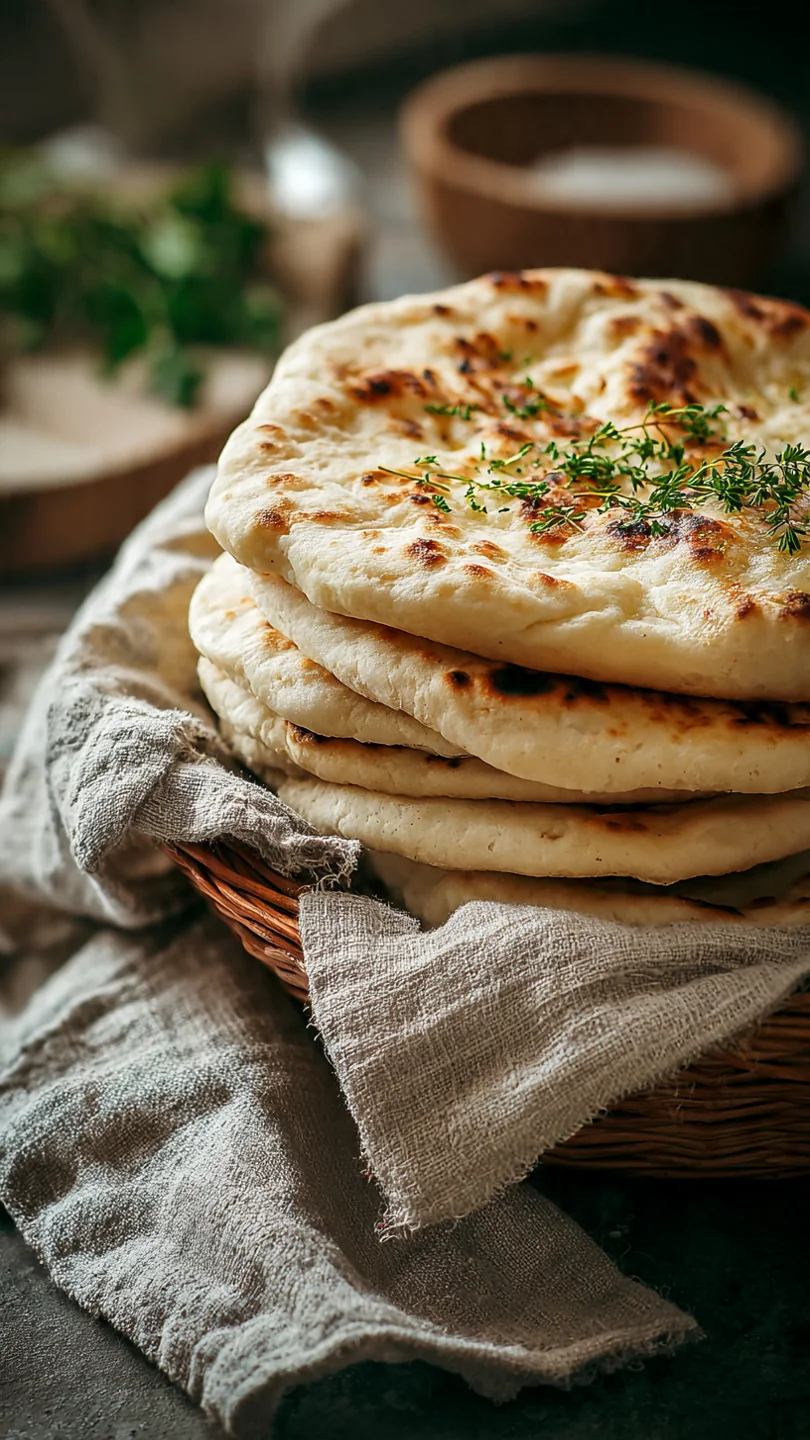
There’s something deeply satisfying about pulling a warm, puffed flatbread from a hot skillet. The aroma of toasted flour and olive oil fills the kitchen, promising a tender, chewy bite that’s infinitely better than anything from a package. This homemade Mediterranean flatbread is your gateway to that experience.
It’s the versatile, forgiving bread you can whip up on a weeknight to elevate a simple soup, create a stunning appetizer platter, or wrap around your favorite grilled meats and veggies. As a chef who has made thousands of breads, I can tell you this recipe is a keeper—it’s reliable, requires no special equipment, and delivers that authentic, soft-yet-substantial texture every time.
This flatbread recipe is designed for success and enjoyment, whether you’re a seasoned baker or trying yeast dough for the first time.
- Simple Pantry Ingredients: You likely have everything you need in your cupboard right now—flour, yeast, water, oil, salt, and a pinch of sugar.
- Incredibly Versatile: Serve it as an appetizer with dips, use it as a wrap for kebabs, or tear it into pieces to soak up sauces from a stew.
- Quick & No-Fuss Proofing: With a streamlined 30-45 minute rise, you can have fresh bread on the table in under an hour, not all day.
- Forgiving to Make: Unlike finicky sandwich loaves, flatbread is rustic. Imperfect shapes and slight variations in thickness only add to its homemade charm.
- Superior Texture & Flavor: The combination of a hot skillet cook and a brush of good olive oil creates a perfect contrast of soft interior, slight chew, and flavorful, blistered exterior.
- Kid-Friendly Activity: Rolling and shaping the dough is a fun, hands-on kitchen task that everyone can help with.
Ingredients You’ll Need
- Let’s gather our ingredients—this short list of pantry staples is all you need to create bread that tastes like it came from a sun-drenched Mediterranean kitchen. The magic is in the technique.
- All-purpose flour: This is our workhorse. It provides the right protein level for a chewy yet tender crumb. I don’t recommend bread flour here, as it can make the flatbreads too tough.
- Active dry yeast: The tiny powerhouse that makes our dough rise. Make sure your yeast is fresh for best results. If you only have instant yeast, you can use it interchangeably.
- Warm water: Temperature is crucial here. Aim for 110°F (43°C)—it should feel warm but not hot on your wrist. This wakes up the yeast without killing it.
- Extra virgin olive oil: Use a good-quality oil you enjoy tasting. It enriches the dough, keeps it soft, and is brushed on top for a beautiful sheen and flavor.
- Fine sea salt & sugar: Salt seasons the dough, while the small amount of sugar feeds the yeast, helping it activate quickly.
- Dried oregano & flaky salt: These are optional but highly recommended for topping. They add a classic Mediterranean aroma and a delightful salty crunch.
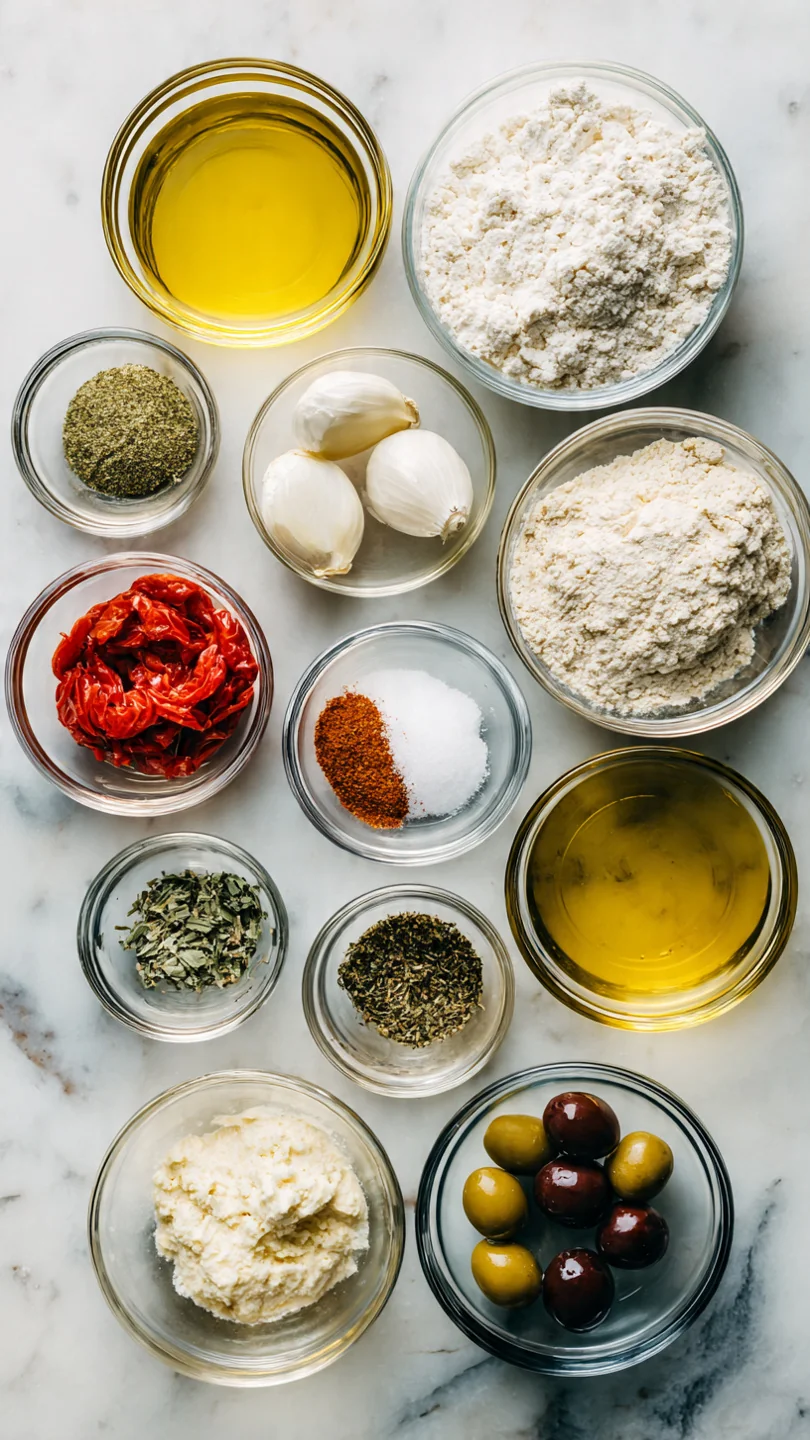
Note: You’ll find the complete list of ingredients, along with their exact measurements, in the printable recipe card at the bottom of this post.
Kitchen Equipment Needed
You don’t need any specialty gear for this recipe. A few basic tools will get the job done beautifully.
- Large Mixing Bowl: For combining and proofing the dough.
- Stand Mixer with Dough Hook (Optional): This makes kneading effortless, but your hands work perfectly well.
- Rolling Pin: Essential for getting the dough thin and even. In a pinch, a clean wine bottle works too.
- Large Cast-Iron Skillet or Griddle: My top choice. It retains heat evenly and gives the flatbreads a fantastic char. A heavy non-stick skillet will also work.
- Pastry Brush: For applying olive oil to the warm breads.
- Kitchen Scale (Helpful but Optional): For perfectly dividing the dough. You can also do it by eye.
How to Make Homemade Mediterranean Flatbread Recipe
Step 1: Activate the Yeast
In a large bowl, combine the warm water (trust me, use a thermometer if you’re unsure—110°F is ideal), yeast, and sugar. Give it a quick stir and let it sit for 5-7 minutes. You’re looking for a foamy, creamy layer on top that smells distinctly yeasty.
This “proofing” is your guarantee that the yeast is alive and ready to make your dough rise. If it doesn’t foam, your yeast may be old, and you should start fresh.
Step 2: Mix and Knead the Dough
Add the flour, fine sea salt, and 3 tablespoons of olive oil to the yeasty water. Stir with a wooden spoon or dough hook until a shaggy mass forms. Tip it onto a lightly floured surface.
Now, knead. Use the heels of your hands to push the dough away, then fold it back over itself. Do this for 8-10 minutes.
Believe me, this develops the gluten, which is what gives the flatbread its lovely chew. The dough is ready when it’s smooth, elastic, and springs back when you gently poke it.
Step 3: The Quick Rise
Place your beautiful, smooth dough ball into a lightly oiled bowl, turning it once to coat. Cover the bowl tightly with a damp kitchen towel or plastic wrap. Let it rest in a warm, draft-free spot.
Tip from me: your turned-off oven with the light on is perfect. In just 30-45 minutes, it should look puffy and nearly doubled. We’re not waiting for a full double—this quicker rise keeps the flavor mild and the process fast.
Step 4: Divide and Shape
Punch down the dough gently to release the air. Turn it out onto your work surface and divide it into 8 equal pieces. Roll each piece into a ball, then let them rest for 5 minutes under the towel—this relaxes the gluten, making them easier to roll out.
Now, using a rolling pin, roll each ball into a thin oval or circle, about 1/8-inch thick. Don’t stress about perfect shapes; irregular edges are part of the charm.
Step 5: Cook, Finish, and Serve
Heat your dry cast-iron skillet or griddle over medium-high heat. It should be hot enough that a drop of water sizzles and evaporates quickly. Cook one flatbread at a time for about 1-2 minutes per side.
You’ll see it puff up beautifully and develop golden-brown, charred spots. Transfer it to a plate and immediately brush the top with a little olive oil and sprinkle with dried oregano and a pinch of flaky salt. Step back and admire your handiwork!
Serve them warm and enjoy.
A few chef-approved insights will take your flatbread from good to exceptional.
- Water Temperature is Key: I can’t overstate this. Too cold and the yeast sleeps; too hot (above 130°F/54°C) and it dies. A digital thermometer is a small investment for baking confidence.
- The Windowpane Test: To know if you’ve kneaded enough, try the windowpane test. Stretch a small piece of dough between your fingers. If you can stretch it thin enough to see light through it without it tearing, you’re done.
- Roll Thin, But Not Too Thin: Aim for 1/8-inch thickness. Any thicker and the center might stay doughy; any thinner and it can become cracker-like instead of soft and pliable.
- Skillet Temperature: Let your skillet get properly hot before adding the first flatbread. If it’s not hot enough, the bread will steam and become tough instead of puffing and charring.
- Keep Them Soft: As you cook the flatbreads, stack them on a plate and cover loosely with a clean towel. This traps steam and keeps them all soft and warm until serving.
Recipe Variations
- This basic dough is a fantastic canvas for your creativity. Here are some tested variations to try.
- Garlic & Herb: Mix 2-3 minced garlic cloves and 2 tablespoons of chopped fresh parsley or dill into the dough during the kneading stage.
- Whole Wheat: Substitute up to half of the all-purpose flour with whole wheat flour for a nuttier flavor and extra fiber. You may need to add a tablespoon or two more water.
- Za’atar Spiced: After brushing with olive oil, sprinkle generously with za’atar seasoning instead of oregano for an authentic Middle Eastern twist.
- Cheese-Stuffed: Place a small amount of crumbled feta or shredded mozzarella in the center of each dough ball before rolling it out. Seal the edges well and roll gently.
- Griddle Marks: For classic restaurant-style marks, use a grill pan instead of a flat skillet. The ridges create beautiful visual appeal.
- Sweet Cinnamon-Sugar: Omit the oregano and salt from the topping. Mix 1/4 cup sugar with 1 tsp cinnamon. Brush cooked flatbreads with melted butter and sprinkle with the cinnamon sugar.
What to Serve With This Recipe
These flatbreads are the ultimate supporting player. Tear them apart and dive in.
For a classic Mezze Platter, serve them warm alongside bowls of creamy hummus, smoky baba ganoush, tangy tzatziki, and a simple tomato-cucumber salad. They are perfect for wrapping around grilled chicken or lamb kebabs, falafel, or roasted vegetables with a dollop of garlic sauce. For a simple weeknight meal, a stack of these breads turns a bowl of lentil soup or a hearty chickpea stew into a feast.
Beverage-wise, a crisp, cold glass of Assyrtiko white wine, a light lager, or even mint lemonade makes for a refreshing pairing.
Storage & Make-Ahead Instructions
- These flatbreads are truly best enjoyed the day they are made, but with the right techniques, you can plan ahead.
- Short-Term Storage: Once completely cooled, store flatbreads in an airtight container or ziplock bag at room temperature for up to 2 days.
- Reheating for Best Texture: To revive them, wrap a stack in foil and warm in a 300°F (150°C) oven for 5-10 minutes. You can also reheat individual pieces in a dry skillet for 30 seconds per side.
- Freezing for Longevity: Separate cooled flatbreads with parchment paper, place in a freezer bag, and freeze for up to 2 months. Thaw at room temperature and reheat as above.
- Make-Ahead Dough: The dough itself is a great make-ahead component. After the first rise, punch it down, place it in an oiled container, and refrigerate for up to 24 hours. Let it sit at room temperature for 30 minutes before dividing and rolling.
- What to Avoid: Do not store them in the refrigerator, as this will accelerate staling and make them dry and tough.
Frequently Asked Questions
Q: Can I make this dough without a stand mixer?
Absolutely. This is how flatbread has been made for centuries! Mix with a spoon, then knead by hand on a floured surface for 8-10 minutes.
It’s a satisfying process and great for developing a feel for the dough.
Q: My dough didn’t rise. What went wrong?
The most common culprits are old/inactive yeast or water that was too hot (killing the yeast) or too cold (not activating it). Always proof your yeast first to ensure it’s alive, and use a thermometer for the water.
Q: Can I use whole wheat flour?
Yes, but I recommend starting with a 50/50 blend of whole wheat and all-purpose flour. Whole wheat flour absorbs more liquid, so you may need to add an extra tablespoon or two of water to achieve a soft dough.
Q: Why didn’t my flatbread puff up in the skillet?
This usually means your skillet wasn’t hot enough, or you rolled the dough too thick. Ensure your pan is preheated over medium-high heat until a water droplet sizzles violently, and aim for that 1/8-inch thickness.
Q: How thin should I roll the dough?
Aim for about 1/8-inch thick—roughly the thickness of two stacked quarters. It should be thin enough to see some shadow through it but not so thin it’s translucent and fragile.
Q: Can I cook these on a grill?
Yes, a grill is fantastic for flatbread! Preheat your grill to medium-high. Place the rolled dough directly on the grates and cook for 1-2 minutes per side, watching for flare-ups.
You’ll get amazing smoky flavor.
Q: What’s the best way to reheat leftovers?
Avoid the microwave, as it makes them rubbery. Reheat in a dry skillet over medium heat for 30-60 seconds per side, or wrap in foil and warm in a 300°F oven until soft.
Q: Can I make these vegan?
This recipe is naturally vegan as written. Just ensure the optional butter brush is substituted with olive oil.
Final Thoughts
This homemade Mediterranean flatbread recipe is more than just a list of instructions—it’s an invitation to experience the simple joy of baking bread. The process is tactile, the ingredients are humble, and the reward is immense: warm, fragrant, chewy bread that connects you to a timeless culinary tradition. I’ve refined this recipe through countless tests in my kitchen to ensure it works reliably for you.
Whether you’re serving it at a dinner party or making a quick batch for a weeknight meal, it promises to impress. So, dust off your rolling pin, heat up that skillet, and give it a try. I’d love to hear how it turns out for you—share your results and any creative twists you come up with.
Happy baking
Homemade Mediterranean Flatbread
Equipment
- Large mixing bowl
- Stand mixer with dough hook (optional but helpful)
- Rolling Pin
- Large cast-iron skillet or griddle
- Pastry brush
Ingredients
- 3 1/2 cups All-purpose flour plus more for dusting
- 1 cup Warm water about 110°F (43°C)
- 1 tbsp Active dry yeast or instant yeast
- 1 tsp Granulated sugar helps activate the yeast
- 1 tsp Fine sea salt
- 3 tbsp Extra virgin olive oil plus more for brushing
- 1 tsp Dried oregano optional, for topping
- 1 pinch Flaky sea salt optional, for finishing
Instructions
- In a large bowl or the bowl of a stand mixer, combine the warm water, yeast, and sugar. Let it sit for 5-7 minutes until foamy and fragrant. This ‘proofing’ step ensures your yeast is active and ready to work.
- Add the flour, 1 tsp fine sea salt, and 3 tbsp olive oil to the yeast mixture. Mix with a dough hook or wooden spoon until a shaggy dough forms. Turn it out onto a lightly floured surface.
- Knead the dough for 8-10 minutes by hand (or 5-7 minutes with a mixer on medium-low) until it becomes smooth, elastic, and springs back when poked. The dough should be soft but not sticky.
- Place the kneaded dough in a lightly oiled bowl, turning to coat. Cover with a damp kitchen towel or plastic wrap and let it rise in a warm, draft-free spot for 30-45 minutes, or until nearly doubled in size.
- Divide the risen dough into 8 equal pieces. On a floured surface, roll each piece into a thin oval or circle, about 1/8-inch thick. Don’t worry about perfect shapes—rustic is charming!
- Heat a large cast-iron skillet or griddle over medium-high heat. Cook each flatbread for 1-2 minutes per side, until puffed, golden brown in spots, and cooked through. Brush the warm breads with olive oil and sprinkle with oregano and flaky salt.