
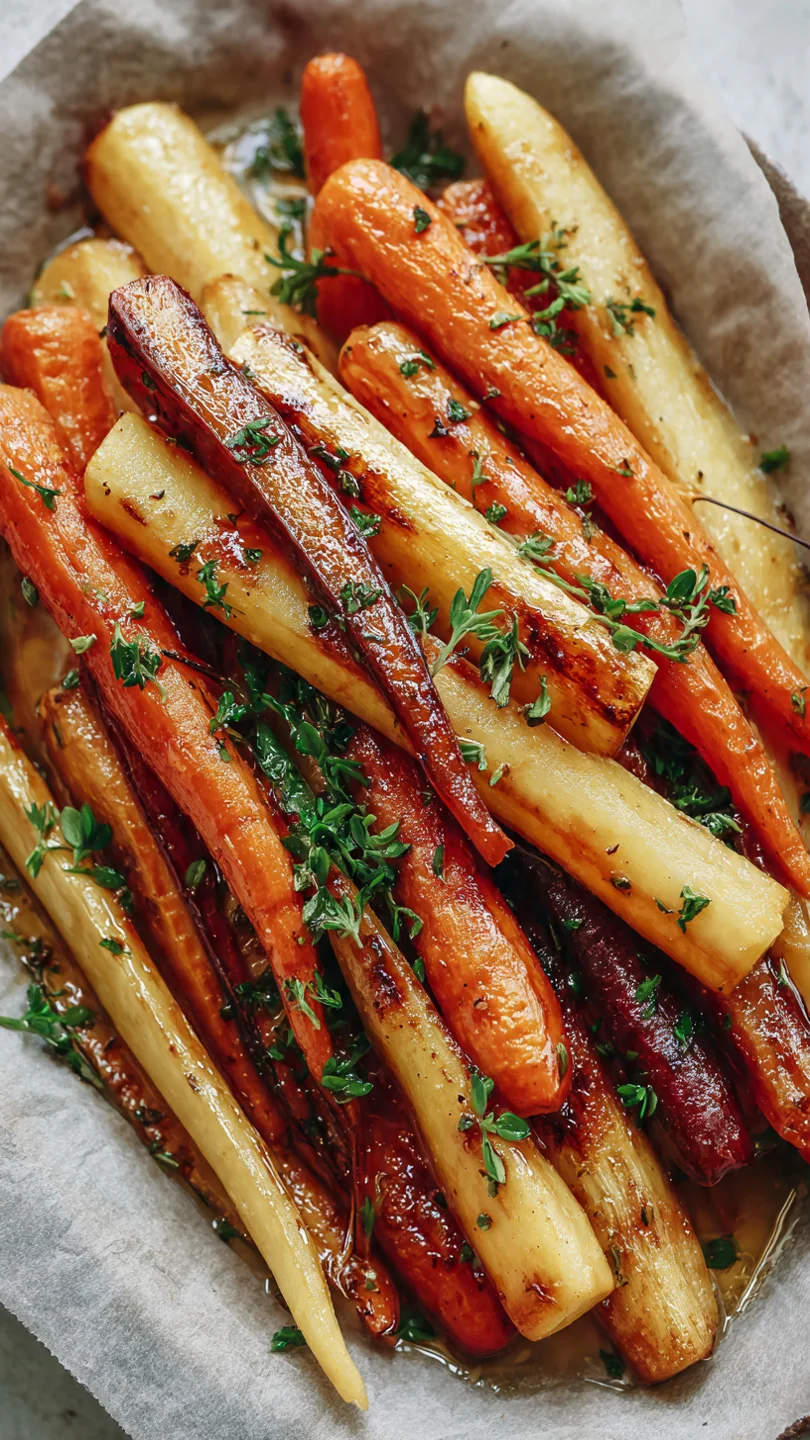
There’s something deeply satisfying about transforming humble root vegetables into a side dish that steals the show. The magic happens in a hot oven, where natural sugars concentrate and a simple honey glaze turns into a sticky, caramelized coating. This recipe for honey glazed carrots and parsnips is my go-to for weeknight dinners and holiday tables alike because it delivers restaurant-quality flavor with remarkably little effort.
You’ll love the contrast of the carrots’ sweetness with the parsnips’ subtle, earthy spice, all brought together with aromatic garlic and thyme. Let’s make a side dish that might just become the main attraction.
This recipe is designed for success, flavor, and ease. Here’s why it’s a keeper:
- One-pan convenience: Everything roasts together on a single baking sheet, meaning minimal cleanup and maximum efficiency.
- Big flavor, fast: The high-heat roasting method caramelizes the natural sugars in the vegetables and the honey glaze in under 30 minutes, creating deep, complex flavor.
- Diet-flexible: Naturally gluten-free and easily made dairy-free or vegan with one simple swap (use maple syrup instead of honey for vegan).
- Crowd-pleaser: The sweet and savory profile appeals to both kids and adults, making it a perfect dish for family gatherings.
- Meal prep friendly: These reheat beautifully, so you can make them ahead for easy weekday sides.
- Elegant yet simple: The glossy, golden finish looks impressive on any table, but the technique couldn’t be easier.
Ingredients You’ll Need
- Let’s gather our ingredients—this is where simple pantry staples create something truly special. The key is quality and balance. You want fresh, firm carrots and parsnips; avoid any that are limp or rubbery. For the honey, a good quality, pure honey will give you the best flavor, but any runny honey will work. The garlic and fresh thyme are non-negotiable for that savory, aromatic backbone that keeps the dish from being cloyingly sweet. If you only have dried thyme, use 1 teaspoon. The optional butter added at the end is a chef’s trick for an extra layer of richness and a more luxurious glaze.
- Carrots: 1.5 pounds, peeled. Look for medium-sized carrots that are uniform in thickness for even cutting.
- Parsnips: 1.5 pounds, peeled. They should feel heavy for their size and have smooth skin.
- Extra virgin olive oil: 3 tablespoons. This helps conduct heat and promotes browning.
- Honey: 3 tablespoons. This is our glazing agent and primary sweetener.
- Garlic: 3 cloves, minced. Fresh is best here for pungent flavor.
- Fresh thyme leaves: 1 tablespoon. Stripped from the stems.
- Kosher salt: 1 teaspoon. I prefer kosher salt for its clean flavor and ease of seasoning by hand.
- Black pepper: 1/2 teaspoon, freshly ground.
- Unsalted butter: 2 tablespoons, optional. Adds a beautiful silky finish to the glaze.
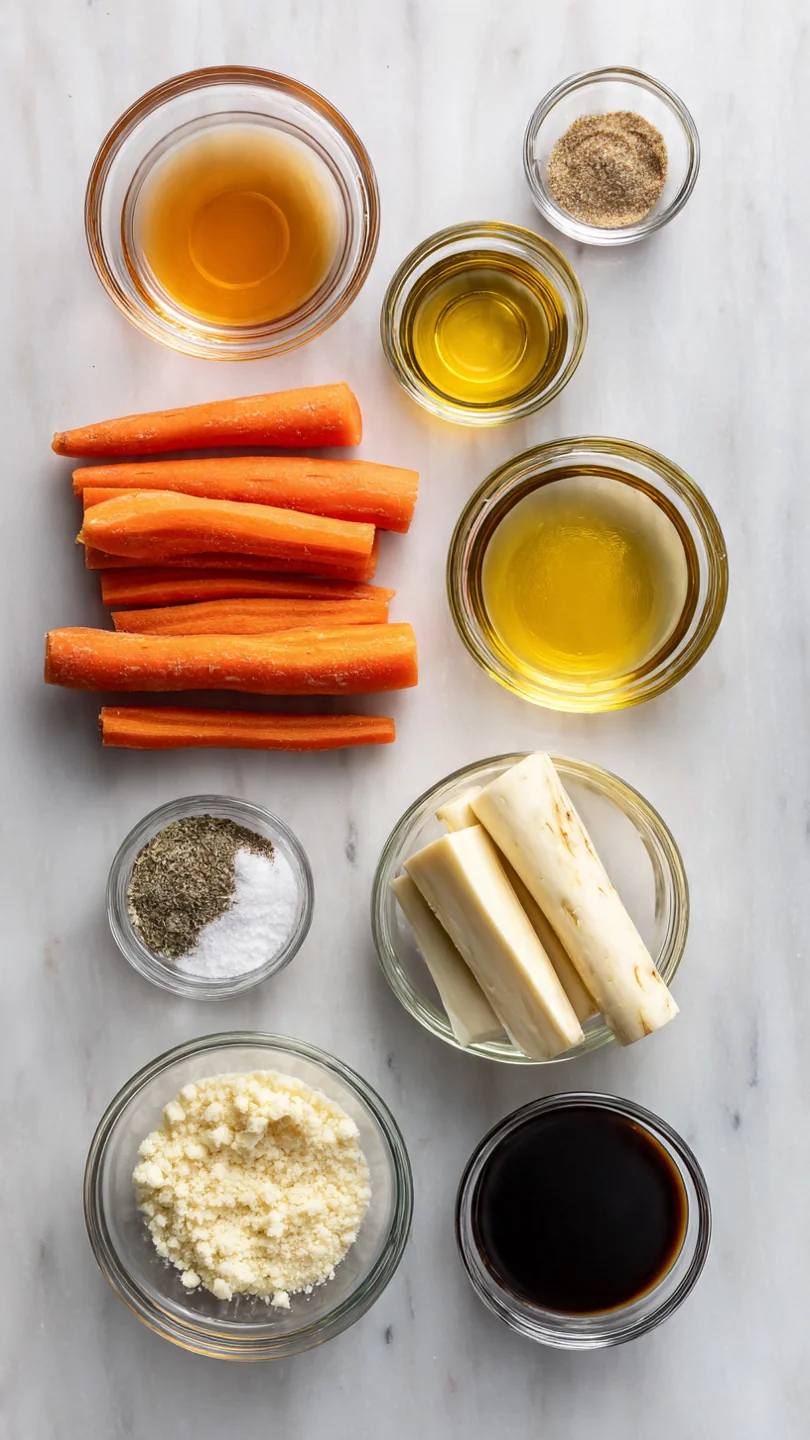
Note: You’ll find the complete list of ingredients, along with their exact measurements, in the printable recipe card at the bottom of this post.
Kitchen Equipment Needed
You don’t need any fancy gadgets for this recipe. A large, rimmed baking sheet (often called a half sheet pan) is essential. The rim prevents any oily glaze from dripping into your oven, and the large surface area allows the vegetables to roast, not steam.
A sharp chef’s knife and cutting board will make prepping the roots quick and safe. A large mixing bowl is needed for coating the vegetables evenly. Finally, a good spatula or pair of tongs is helpful for flipping the vegetables halfway through roasting.
If you have two baking sheets, that’s great for ensuring no overcrowding, but one large pan usually suffices.
How to Make Honey Glazed Carrots and Parsnips Recipe
Step 1: Prep and Preheat
Preheat your oven to 425°F (220°C). This high heat is crucial for achieving caramelization without steaming the vegetables. While the oven heats, peel the carrots and parsnips and cut them into uniform 2-inch sticks, about ½-inch thick.
Trust me, this consistent size is the secret to even cooking—no one wants a mix of mushy and crunchy pieces. Take your time here; good prep sets the stage for perfect results.
Step 2: Make the Glaze and Coat
In a large bowl, whisk together the olive oil, honey, minced garlic, thyme, salt, and pepper. Add the carrot and parsnip sticks to the bowl. Using your hands or a large spoon, toss everything together until every piece is thoroughly and evenly coated with the glossy honey mixture.
This step ensures flavor in every bite. Don’t be shy—get in there and make sure the garlic and thyme are well distributed.
Step 3: Roast for Initial Caramelization
Spread the coated vegetables in a single layer on a large, rimmed baking sheet. Use two sheets if you need to; overcrowding will cause them to steam. Roast in the preheated oven for 15 minutes.
Tip from me: Don’t skip preheating! A hot oven instantly starts the caramelization process, giving you those delicious browned edges rather than pale, steamed vegetables.
Step 4: Flip and Finish Roasting
After 15 minutes, carefully remove the pan from the oven. The vegetables should be starting to brown at the edges and the glaze will be bubbling. Using a spatula, flip and stir them to promote even browning.
This is when you add the optional butter, dotting it over the hot vegetables. Believe me, it melts into the glaze, creating something truly special. Return the pan to the oven for the final 8-12 minutes.
Step 5: Serve and Enjoy
Your kitchen should smell incredible by now. The vegetables are done when they are tender when pierced with a fork and beautifully glazed and caramelized. Transfer them to a serving dish.
Taste and adjust seasoning with an extra pinch of salt if needed—this makes all the flavors pop. For a final touch, sprinkle with a few fresh thyme leaves. Serve immediately while hot and enjoy the perfect balance of sweet, savory, and earthy flavors.
Here are the insights from my years in professional kitchens that will guarantee your success every time:
- Cut for success: The single most important tip is cutting your carrots and parsnips to a uniform size. Aim for pieces that are roughly the same length and thickness. This isn’t just for looks; it ensures everything finishes cooking at the same moment.
- Dry your roots: After washing and peeling, pat the vegetable sticks dry with a clean kitchen towel. Excess water will create steam in the oven, which prevents proper caramelization and can make the glaze watery.
- Don’t crowd the pan: If your baking sheet looks packed, use a second one. Vegetables need space around them for the hot air to circulate. If they’re piled on top of each other, they’ll steam and become soggy instead of roasting and caramelizing.
- The butter trick: Adding cold butter pieces when you flip the vegetables is a professional technique. As it melts, it emulsifies with the existing honey and oil, creating a richer, shinier, and more cohesive glaze that clings to every piece.
- Test for doneness: Don’t just rely on the timer. The vegetables are perfectly done when you can easily pierce the thickest piece with the tip of a paring knife or a fork. They should be tender but still have a slight bite, not mushy.
Recipe Variations
- This recipe is a wonderful template. Once you’ve mastered the basic method, try these delicious twists:
- Maple-Balsamic: Replace the honey with pure maple syrup and add 1 tablespoon of balsamic vinegar to the glaze for a sweet-tart complexity.
- Spicy Sriracha-Honey: Add 1-2 teaspoons of Sriracha or your favorite hot sauce to the glaze mixture for a sweet heat that’s incredibly addictive.
- Herb Garden: Swap the thyme for other fresh herbs. Rosemary (use half the amount, it’s potent) or chopped fresh dill work beautifully. For a summery twist, use chopped fresh parsley and a teaspoon of lemon zest.
- Whole Grain Mustard: Whisk 1 tablespoon of whole grain mustard into the glaze. It adds a wonderful tangy note that cuts through the sweetness perfectly.
- Citrus Glaze: Add the zest of one orange to the glaze. The bright, floral citrus aroma pairs wonderfully with the earthy roots.
- Pancetta or Bacon: For a non-vegetarian option, cook 4 ounces of diced pancetta or bacon until crisp, reserve the fat, and use it to replace half of the olive oil. Sprinkle the crispy bits over the finished dish.
- Vegan Version: Simply omit the butter and ensure your sweetener is vegan-friendly, like maple syrup or agave nectar.
What to Serve With This Recipe
These honey glazed carrots and parsnips are an incredibly versatile side dish. Their sweet and savory profile makes them a natural partner for simply roasted or grilled proteins. Think herb-roasted chicken, a juicy pork tenderloin, seared salmon, or a classic holiday turkey or ham.
For a vegetarian feast, they are spectacular alongside a wild mushroom risotto or a creamy lentil loaf. To round out a plate, consider a simple green like a crisp arugula salad with a lemony vinaigrette to provide a fresh contrast. They also make a fantastic addition to a grain bowl, paired with quinoa or farro and some chickpeas.
For beverages, a dry Riesling, a hard cider, or even a sparkling water with lemon complements the sweet glaze beautifully.
Storage & Make-Ahead Instructions
- Refrigerator Storage: Allow the glazed vegetables to cool completely, then transfer them to an airtight container. They will keep well in the refrigerator for 3-4 days.
- Reheating Best Practices: To restore their texture and gloss, reheat them in a 350°F oven on a baking sheet for 10-15 minutes until hot. You can also reheat them in a skillet over medium heat, stirring occasionally. The microwave will work in a pinch but can make them a bit soggy.
- Freezing Not Recommended: Due to the high water content of the vegetables and the sugar in the glaze, freezing and thawing will result in a very mushy, watery texture. It’s best enjoyed fresh or refrigerated for a few days.
- Make-Ahead Strategy: You can fully prep this dish 1 day ahead. Peel and cut the carrots and parsnips, store them submerged in cold water in the refrigerator to prevent browning. Make the glaze mixture and store it separately. When ready to cook, drain and pat the vegetables very dry, then toss with the glaze and roast.
Frequently Asked Questions
Q: Can I use baby carrots instead of whole carrots?
A: You can, but I don’t recommend it for the best texture. “Baby carrots” are often just whittled-down larger carrots and can be waterlogged. If you do use them, pat them extremely dry and be aware they may cook a bit faster.
Whole, fresh carrots provide superior flavor and texture.
Q: My vegetables aren’t caramelizing. What did I do wrong?
A: The most common culprits are an oven that wasn’t fully preheated, an overcrowded baking sheet (which causes steaming), or vegetables that were too wet when they went into the oven. Ensure your oven is at 425°F, spread the pieces in a single layer with space between them, and always pat them dry.
Q: Can I make this recipe vegan?
A: Absolutely! Simply omit the optional butter and substitute the honey with an equal amount of pure maple syrup or agave nectar. The results are just as delicious.
Q: What’s the difference between parsnips and carrots? Can I use all carrots?
A: Parsnips have a distinct, slightly spicy, earthy-sweet flavor that complements the straightforward sweetness of carrots beautifully. Using both creates a more complex dish. You can use all carrots, but you’ll miss that wonderful flavor dimension.
I highly encourage trying parsnips!
Q: How do I know when the vegetables are done roasting?
A: They should be easily pierceable with a fork or the tip of a knife, but not mushy or falling apart. The edges should be browned and caramelized, and the glaze should look sticky and reduced.
Q: Can I add other vegetables to this mix?
A: Yes, but choose roasting-friendly vegetables with similar cook times. Sweet potatoes, peeled and cut into chunks, or chunks of red onion are excellent additions. Avoid watery vegetables like zucchini.
Q: Is the garlic supposed to get crispy or burn?
A: The minced garlic in the glaze will soften and mellow in the oven, infusing the oil with flavor. It shouldn’t burn if it’s well-coated in the oil/honey mixture. If you see it browning too quickly on the pan, simply stir the vegetables more frequently.
Final Thoughts
This recipe for honey glazed carrots and parsnips embodies what I love about cooking: taking a few ordinary ingredients and, with a simple, reliable technique, creating something extraordinary. It’s a side dish that feels special enough for your holiday table but is easy enough for a busy Tuesday night. The combination of sweet caramelization, savory herbs, and tender-crisp texture is truly a winner.
I’ve tested this method countless times in my kitchen to ensure it works perfectly for you.
Now that you have all the tips, tricks, and variations, I encourage you to give it a try. Trust the process, enjoy the incredible aromas that will fill your kitchen, and get ready to receive compliments. I’d love to hear how it turns out for you!
Leave a comment below with your experience or any creative twists you added. If you loved it, please share it with friends and family. For more tested, professional recipes that bring confidence to your cooking, explore the other recipes on the site.
Happy cooking
Honey Glazed Carrots and Parsnips
Equipment
- Large rimmed baking sheet (half-sheet pan)
- Sharp chef’s knife and cutting board
- Large mixing bowl
- Spatula or tongs for turning
Ingredients
- 1.5 pounds carrots peeled, cut into 2-inch sticks of similar thickness
- 1.5 pounds parsnips peeled, cut into 2-inch sticks of similar thickness
- 3 tablespoons extra virgin olive oil or avocado oil
- 3 tablespoons honey use a good quality, runny honey
- 3 cloves garlic minced
- 1 tablespoon fresh thyme leaves or 1 teaspoon dried thyme
- 1 teaspoon kosher salt plus more to taste
- 1/2 teaspoon black pepper freshly ground
- 2 tablespoons unsalted butter optional, for extra richness
Instructions
- Preheat your oven to 425°F (220°C). This high heat is crucial for achieving caramelization without steaming the vegetables. While the oven heats, peel the carrots and parsnips and cut them into uniform 2-inch sticks, about ½-inch thick. Trust me, this consistent size is the secret to even cooking—no one wants a mix of mushy and crunchy pieces.
- In a large bowl, whisk together the olive oil, honey, minced garlic, thyme, salt, and pepper. Add the carrot and parsnip sticks to the bowl. Using your hands or a large spoon, toss everything together until every piece is thoroughly and evenly coated with the glossy honey mixture. This step ensures flavor in every bite.
- Spread the coated vegetables in a single layer on a large, rimmed baking sheet. Use two sheets if you need to; overcrowding will cause them to steam. Roast in the preheated oven for 15 minutes. Tip from me: Don’t skip preheating! A hot oven instantly starts the caramelization process.
- After 15 minutes, carefully remove the pan from the oven. The vegetables should be starting to brown at the edges. Using a spatula, flip and stir them to promote even browning. If using, dot the pieces with the optional butter. Return the pan to the oven and roast for another 8-12 minutes, until the vegetables are tender when pierced with a fork and beautifully glazed and caramelized.
- Transfer the honey glazed carrots and parsnips to a serving dish. Taste and adjust seasoning with an extra pinch of salt if needed. For a final touch, sprinkle with a few fresh thyme leaves. Serve immediately while hot and enjoy the perfect balance of sweet, savory, and earthy flavors.