
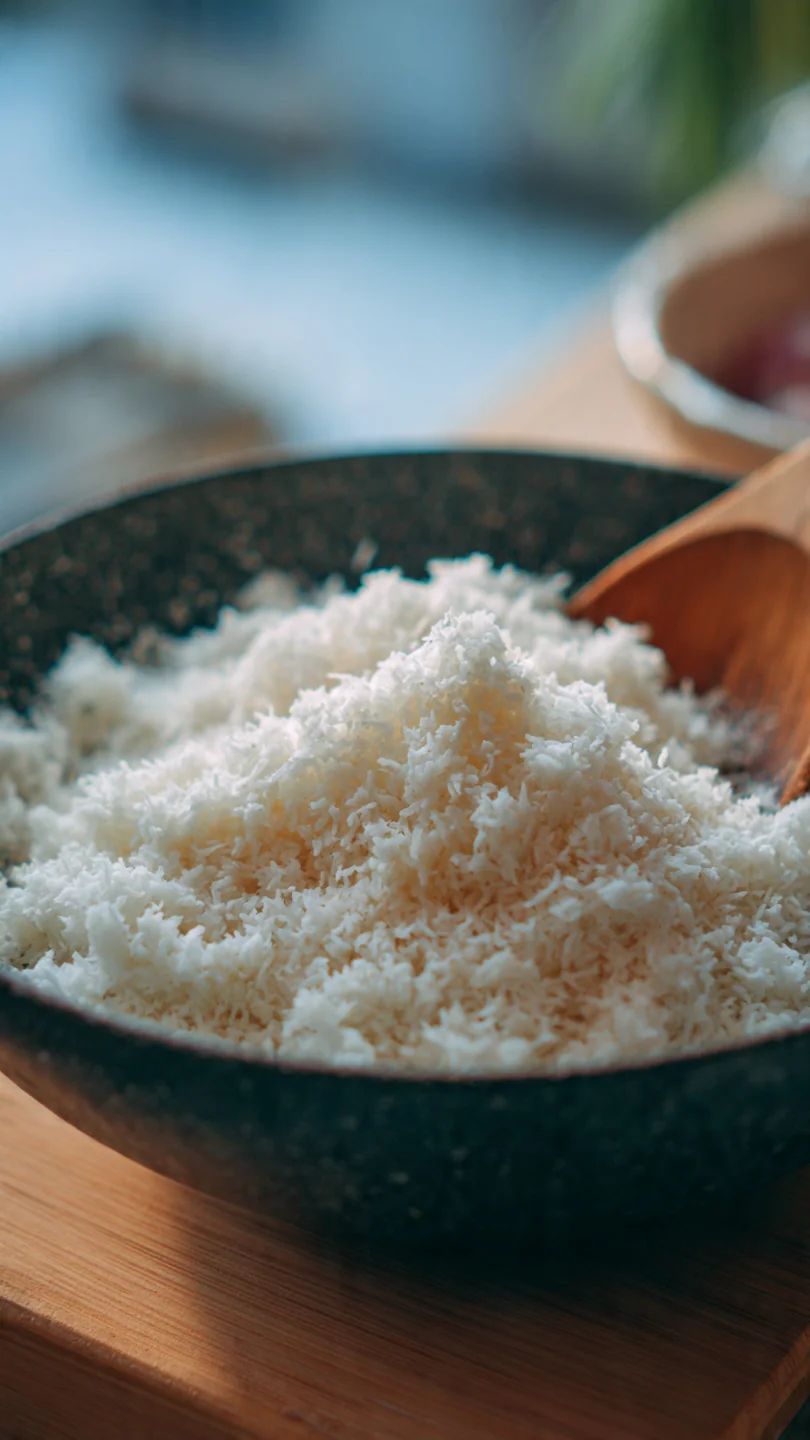
There’s a quiet satisfaction in lifting the lid from a pot to find a mound of perfectly cooked rice—each grain distinct, tender, and glistening. Yet, for something so seemingly simple, rice can be surprisingly temperamental. Is it gummy?
Crunchy? Stuck to the bottom of the pot? After 15 years of cooking everything from delicate sushi rice for hundreds to simple weeknight sides, I’ve learned that flawless rice isn’t about magic; it’s about understanding a few fundamental principles.
This guide will give you a master method for long-grain white rice and the knowledge to adapt it to any pot, any rice cooker, and any variety. Let’s demystify the process and make perfect rice a guaranteed part of your kitchen repertoire.
- Foolproof Consistency: This method uses precise water ratios and a hands-off technique that works every single time, eliminating guesswork.
- Perfect Texture: You’ll achieve the ideal balance of tender, fully cooked grains that are still separate and fluffy, not sticky or mushy.
- Universal Technique: The core principles apply whether you’re using a saucepan, a Dutch oven, or a rice cooker, making it a truly essential skill.
- Minimal Effort: Once you bring it to a boil and cover it, the rice cooks and steams itself with no stirring or babysitting required.
- Endlessly Adaptable: Master this basic formula, and you can easily build on it with broths, herbs, spices, or aromatics for endless flavor variations.
- Foundational Skill: Perfect rice is the cornerstone for countless dishes, from stir-fries and curries to burrito bowls and simple, comforting sides.
Ingredients You’ll Need
Let’s gather our ingredients—you truly only need two things to make exceptional rice, but the quality and type you choose set the stage. Think of rice and water as partners; their ratio is the most critical factor for success.
- Long-Grain White Rice (1 cup): This is our standard. I recommend starting with a good-quality basmati or jasmine rice. Basmati yields long, slender, fragrant grains that stay beautifully separate. Jasmine is slightly softer and clings together just a touch more, perfect for Thai cuisine. The brand matters less than buying from a store with good turnover to ensure freshness.
- Water (1 3/4 cups): Use cold tap water. The amount is key: for standard long-grain rice, the classic ratio is 1 part rice to 1.75 parts water. For basmati, which is often aged and drier, I find 1 part rice to 1.5 parts water is perfect. If you’re at a high altitude, you may need a tablespoon or two more.
- Fine Sea Salt (1/2 tsp, optional): A small pinch of salt seasons the rice from within, elevating it from bland to a flavorful base. It’s optional, but I always add it.
The only other ingredient you need is a little patience. Trust the process.
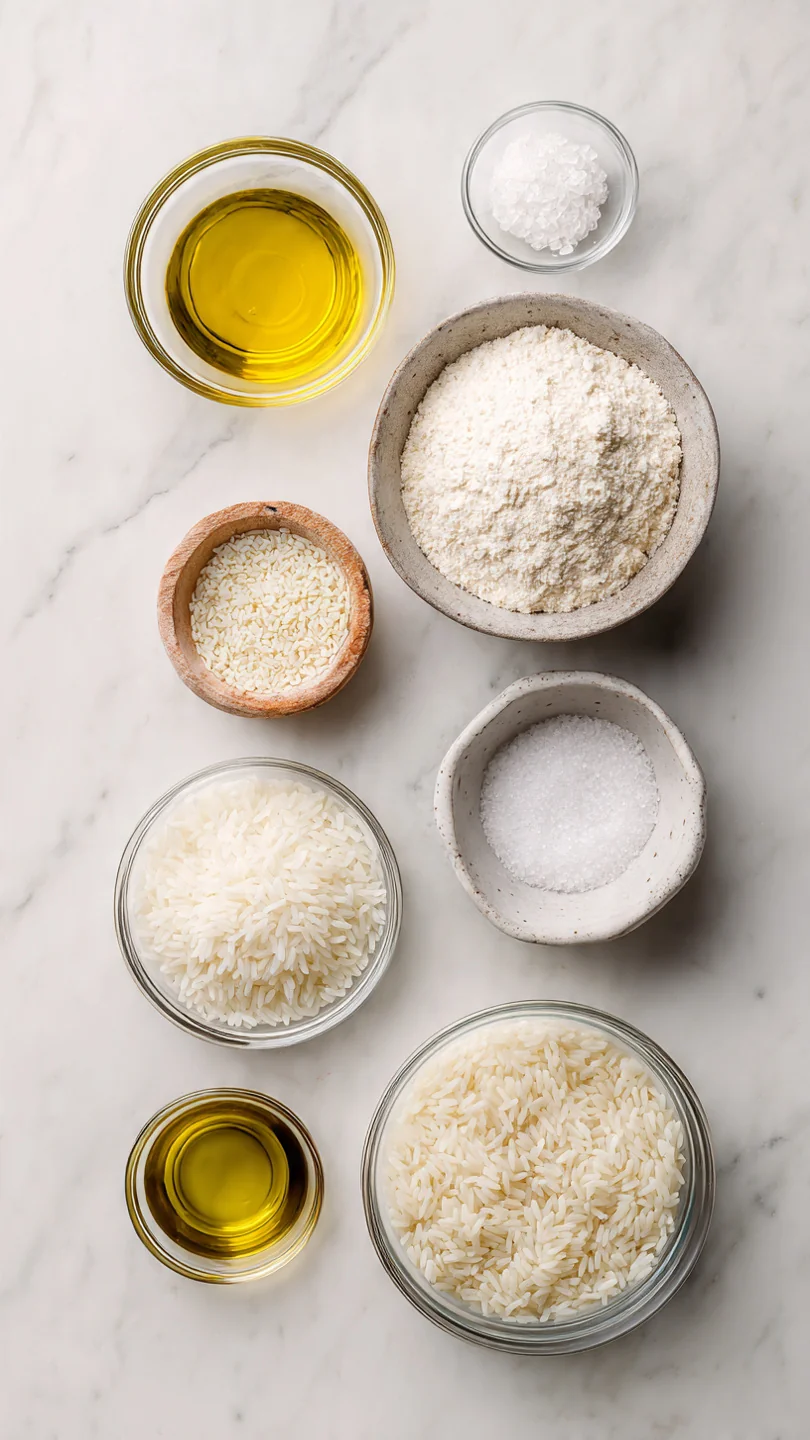
Note: You’ll find the complete list of ingredients, along with their exact measurements, in the printable recipe card at the bottom of this post.
Kitchen Equipment Needed
You don’t need special gear. The right pot is your most important tool.
- A Medium Saucepan (2-3 quart capacity) with a Tight-Fitting Lid: This is non-negotiable. A heavy-bottomed pot distributes heat evenly to prevent scorching. The lid must fit snugly to trap all the steam, which is what cooks the top layer of rice. If your lid is loose, cover the pot first with a layer of foil, then place the lid on top.
- Fine-Mesh Sieve: Essential for rinsing the rice. Rinsing removes the loose surface starch that causes clumping and gumminess.
- A Fork: Not a spoon! A fork is perfect for gently fluffing the finished rice without crushing the delicate grains.
How to Make Perfect Rice Recipe
Step 1: Rinse the Rice
Place your rice in a fine-mesh sieve and rinse it under cold running water. Swirl the grains with your fingers. You’ll see cloudy water—that’s the starch.
Rinse until the water runs mostly clear, about 1-2 minutes. This simple step is a game-changer for preventing gluey rice. Believe me, skipping this is the number one reason home-cooked rice turns out sticky.
Shake the sieve well to drain excess water.
Step 2: Combine and Boil
Transfer the rinsed and drained rice to your saucepan. Add the measured water and salt, if using. Give it one quick stir to ensure no grains are stuck to the bottom.
Now, place the pot over high heat and bring it to a full, rolling boil, uncovered. You’ll see large bubbles breaking the surface across the entire pot. This usually takes 3-5 minutes.
Step 3: Simmer, Covered and Undisturbed
As soon as it reaches a vigorous boil, immediately reduce the heat to the lowest possible setting on your burner. Quickly cover the pot with the tight-fitting lid. Set a timer for 15 minutes.
Here’s the critical part: do not lift the lid. Trust me. You are creating a sealed, steamy environment inside that pot.
Peeking releases that precious steam and drops the temperature, leading to uneven cooking. Let it simmer gently, undisturbed.
Step 4: The Crucial Steam Off the Heat
When the timer goes off, turn off the heat. Do not uncover the pot yet. Let it sit, covered and off the heat, for another 5 to 10 minutes.
This final steaming phase allows the rice to absorb any remaining water evenly and firms up the grains so they don’t smash when you fluff them. This is the professional secret to perfectly separate, fluffy rice.
Step 5: Fluff and Serve
Now, remove the lid. You’ll see small steam holes across the surface of the rice—a good sign! Take a fork and gently fluff the rice from the top down, lifting and separating the grains.
This releases any residual steam and prevents condensation from making the bottom soggy. Serve it immediately, warm and fragrant.
- The Finger Method for Water: For a more intuitive approach, place the rinsed rice in the pot and add water until it reaches the first knuckle on your index finger when the tip is touching the rice surface. This works surprisingly well for many rice types.
- No-Peek Rule: I can’t stress this enough. Lifting the lid during the simmering stage is the most common mistake. You lose steam, which is the active cooking agent for the top layer of rice. Set a timer and walk away.
- Resting is Non-Negotiable: The off-heat steam rest is not a suggestion—it’s a requirement. It completes the cooking process gently and ensures every grain is perfectly tender.
- Troubleshooting Sticky Rice: If your rice is consistently sticky, you’re likely using too much water or not rinsing thoroughly enough. Reduce the water by 2 tablespoons next time and rinse for a full 2 minutes.
- Troubleshooting Crunchy Rice: Undercooked, crunchy rice means not enough water or cooking time. Ensure you’re using the correct ratio and that your heat is low enough for a true simmer, not a boil.
Recipe Variations
- Toasted Rice: For a nuttier flavor, sauté the rinsed and drained rice in a tablespoon of butter or oil over medium heat for 2-3 minutes until it smells fragrant and some grains turn opaque. Then add the water (it will sizzle) and proceed with boiling.
- Broth-Infused Rice: Replace the water with an equal amount of chicken, vegetable, or beef broth for deeply flavorful rice that stands on its own.
- Coconut Rice: Substitute one can (13.5 oz) of full-fat coconut milk for the water, topping up with a little water if needed to reach the correct liquid volume. Add a pinch of sugar with the salt.
- Pilaf-Style: In the empty pot, sauté 1/4 cup finely chopped onion in 1 tbsp butter until soft. Add the rice and toast for 1 minute, then add the water and proceed. You can also add a bay leaf or a cinnamon stick to the cooking water.
- Lemon-Herb Rice: After fluffing, stir in the zest of one lemon, 2 tablespoons of chopped fresh parsley, and 1 tablespoon of chopped fresh dill.
- For a Rice Cooker: The method is even easier. Rinse the rice, add it and the measured water to the cooker, and press start. Most modern cookers have a “keep warm” function that performs the crucial steaming step automatically. Always follow your cooker’s specific cup markings for water.
What to Serve With This Recipe
Perfect rice is the ultimate supporting player. Serve it under a saucy curry, stir-fry, or stew to soak up all the delicious flavors. It’s the ideal base for burrito bowls topped with beans, salsa, and grilled chicken or vegetables.
For a simple, comforting meal, pair it with roasted chicken and steamed broccoli, or top it with a fried egg and a drizzle of soy sauce. It also makes fantastic leftovers for fried rice the next day—just spread it on a baking sheet to cool quickly before refrigerating.
Storage & Make-Ahead Instructions
- Cooling is Key: To store leftovers, spread the rice in a thin layer on a baking sheet to cool to room temperature quickly (within 1 hour). This prevents bacterial growth.
- Refrigerator Storage: Transfer the cooled rice to an airtight container. It will keep well in the refrigerator for 4-5 days.
- Freezing: Portion cooled rice into freezer-safe bags or containers, pressing out excess air. It freezes beautifully for up to 3 months. Thaw overnight in the fridge.
- Reheating: The best way to reheat rice is to sprinkle it with a tablespoon or two of water, cover it tightly (in a microwave-safe dish with a lid or damp paper towel), and microwave in 30-second bursts until hot. You can also reheat it in a steamer basket or by sautéing it in a pan with a little oil or broth to refresh it.
Frequently Asked Questions
Q: Do I really have to rinse the rice?
A: Yes, if you want the best texture. Rinsing removes excess surface starch, which is what causes rice to become gummy and clump together as it cooks. For stickier styles like sushi rice, you rinse until the water is clear, but for everyday fluffy rice, rinsing is essential.
Q: Can I double or triple this recipe?
A: Absolutely. The water ratio (1:1.75 for standard long-grain) stays the same. Use a pot large enough so the rice and water don’t come more than halfway up the sides, as you need room for the steam to circulate.
The cooking time remains the same, but the off-heat steaming time may need an extra 2-3 minutes for a larger batch.
Q: My rice is always mushy. What am I doing wrong?
A: Mushy rice is almost always caused by too much water. Double-check your measuring technique. Use a dry measuring cup for the rice and a liquid measuring cup for the water.
Also, ensure you are draining the rinsed rice well before adding the cooking water.
Q: Can I cook rice ahead of time for a party?
A: Yes, it reheats very well. Cook it as directed, spread it on a sheet pan to cool quickly, then store it in the fridge for up to 24 hours. Reheat it in a covered dish in the oven at 300°F with a few tablespoons of water sprinkled over the top, or use the microwave method described above.
Q: What’s the difference between basmati, jasmine, and regular long-grain rice?
A: Basmati is a long, slender grain with a distinctive aroma and flavor; it’s very dry and separate when cooked. Jasmine is also aromatic but slightly shorter and stickier, perfect for Southeast Asian dishes. Standard American long-grain rice (like Carolina) is neutral in flavor and falls in between in texture.
Adjust water slightly: basmati uses less water (1:1.5), jasmine uses the standard ratio.
Q: Why does restaurant rice taste different?
A: Many restaurants use commercial rice cookers, which provide incredibly consistent heat and steam. They also often cook rice in large batches with precise ratios and may use broth or a bit of oil or butter for flavor and sheen. You can easily replicate this at home with broth and the toasting variation.
Q: Is the “let it steam off the heat” step really that important?
A: It is the single most important tip I can give you. This step allows the residual heat and steam to finish cooking the rice gently and evenly, ensuring the grains at the top are as tender as those at the bottom and that any remaining moisture is absorbed. It guarantees fluffy, not wet, rice.
Final Thoughts
Mastering the simple art of cooking rice is one of those foundational kitchen skills that pays dividends for a lifetime. It’s less about following a rigid recipe and more about understanding the relationship between grain, water, and heat. Once you internalize the basic formula—rinse, use the right ratio, simmer covered, and steam off the heat—you’ll have the confidence to cook any variety of rice perfectly.
It transforms from a potentially frustrating task into a reliable, almost effortless routine. So, grab your saucepan and give this method a try. I promise that the sight of those perfectly separate, fluffy grains will bring you a quiet sense of culinary accomplishment.
Once you’ve tried it, I’d love to hear how it turned out for you. Share your results or your favorite way to serve rice in the comments below!
Perfect Fluffy White Rice
Equipment
- Medium saucepan (2-3 quart) with tight-fitting lid
- Fine mesh sieve
- Fork for fluffing
Ingredients
- 1 cup Long-grain white rice Basmati or jasmine rice work beautifully
- 1 3/4 cups Water For basmati, use 1 1/2 cups
- 1/2 tsp Fine sea salt Optional, but enhances flavor
Instructions
- Rinse the rice in a fine-mesh sieve under cold running water until the water runs mostly clear, about 1-2 minutes. This removes excess surface starch for less sticky rice.
- Combine the rinsed rice, water, and salt (if using) in a medium saucepan with a tight-fitting lid. Bring to a boil over high heat, uncovered.
- Once boiling, immediately reduce the heat to the lowest possible setting. Cover the pot tightly and let it simmer undisturbed for 15 minutes. Do not lift the lid.
- After 15 minutes, remove the pot from the heat. Keep it covered and let the rice steam for an additional 5-10 minutes. This final steam is crucial for perfect texture.
- Uncover the pot. Fluff the rice gently with a fork to separate the grains. Serve immediately.