
There’s a world of difference between a gluey, bland bowl of mush and a luxuriously creamy, flavorful pot of oatmeal. As a chef, I’ve learned that mastering a few simple techniques transforms this humble breakfast staple into a truly satisfying meal. Whether you need a quick, nutritious start to your day or a comforting weekend brunch, this guide will show you how to make oatmeal that’s worthy of a spot on any table.
Let’s unlock the secrets to perfect texture and flavor.
This method is your blueprint for oatmeal success every single time.
- Chef-Approved Technique: The “low and slow” simmer with frequent stirring is the professional secret to maximum creaminess without stickiness.
- Endlessly Customizable: This master recipe is a blank canvas. Change the liquid, sweetener, and toppings to create a new bowl every day of the week.
- Nutrient-Dense Foundation: Starting your day with whole-grain oats provides lasting energy, fiber, and essential nutrients to fuel your morning.
- Quick & Practical: From pot to bowl in under 15 minutes, this is a realistic, healthy breakfast for busy mornings.
- Budget-Friendly Comfort: Made with simple pantry staples, it’s one of the most economical and comforting meals you can make.
Ingredients You’ll Need
- Let’s gather our ingredients—this short list is the foundation for a perfect bowl. Quality matters, even with simple staples.
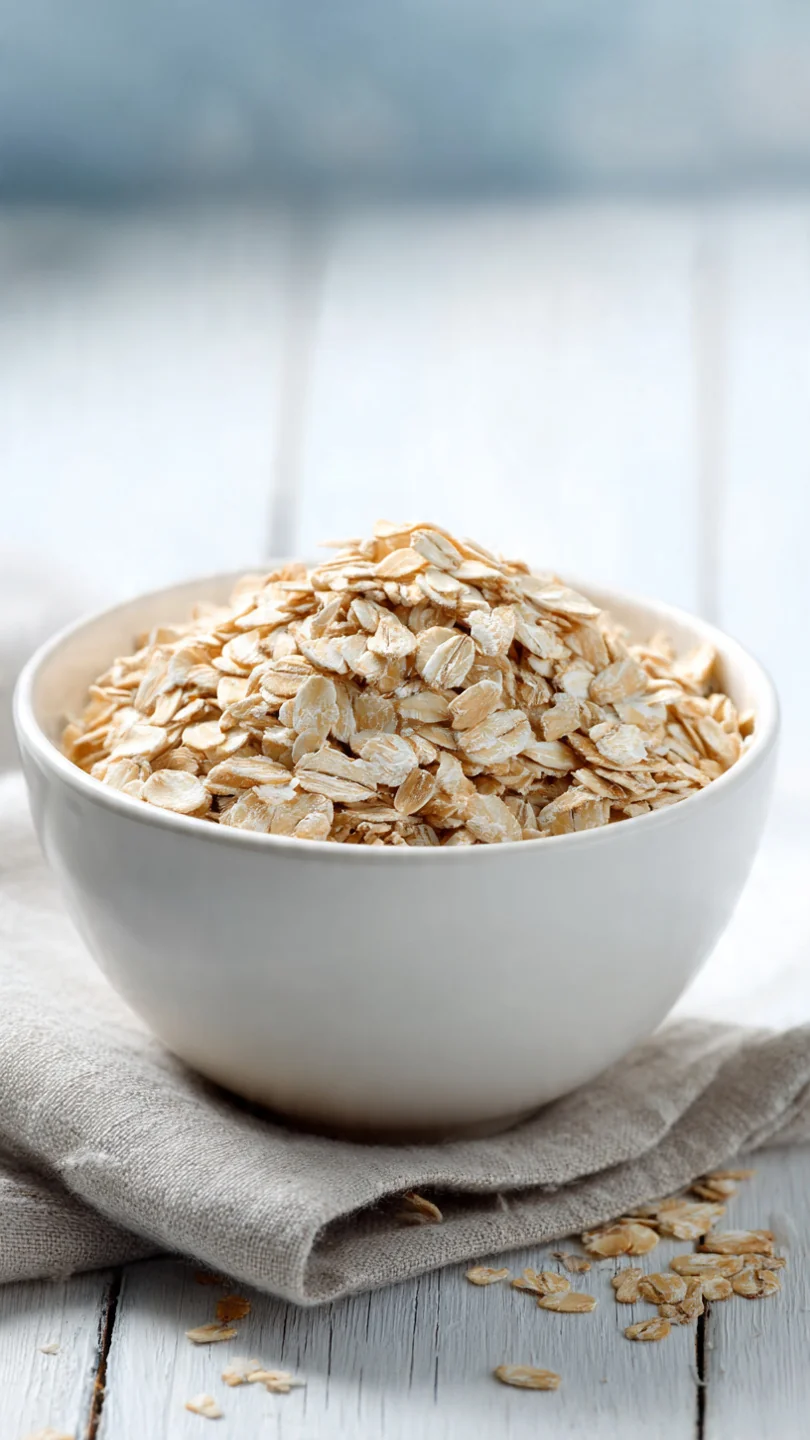
- Old-Fashioned Rolled Oats: This is my go-to oat for everyday oatmeal. They have the perfect balance of texture and cook time. Look for thick, whole flakes. Avoid “quick-cooking” or “instant” oats for this method, as they can become mushy.
- Liquid: Water is standard, but using milk (dairy or plant-based) adds protein, richness, and creaminess. My favorite is a 50/50 blend of water and whole milk or unsweetened almond milk.
- Fine Sea Salt: Don’t skip this! A small pinch doesn’t make the oatmeal taste salty; it enhances the natural, nutty flavor of the oats and balances any sweetness you add later.
- Sweetener (Optional): Add to taste after cooking. Pure maple syrup, honey, brown sugar, or a mashed ripe banana are all excellent choices.
- Toppings (Optional): This is where the fun begins. Fresh berries, sliced banana, a spoonful of nut butter, chopped nuts, seeds, or a dash of cinnamon.
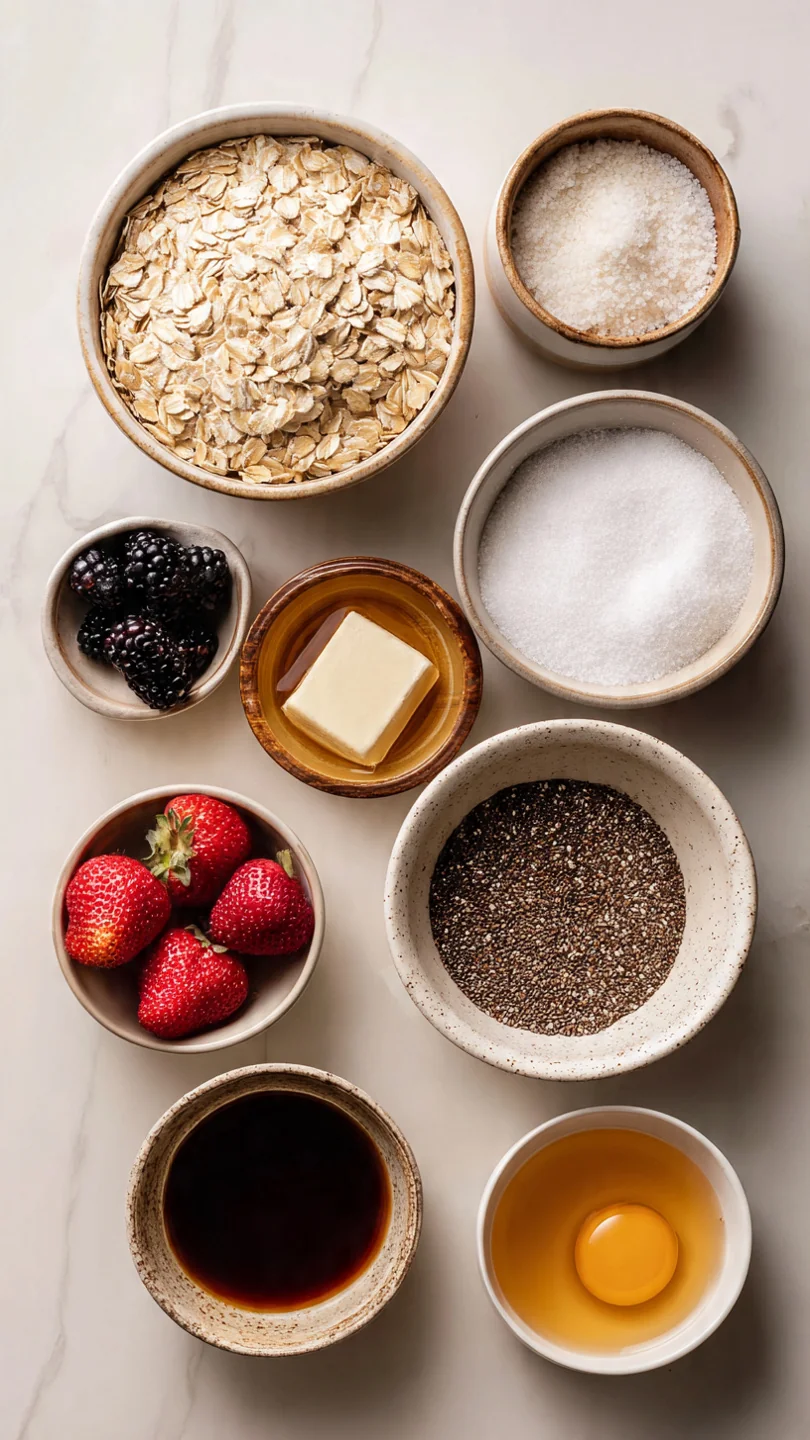
Note: You’ll find the complete list of ingredients, along with their exact measurements, in the printable recipe card at the bottom of this post.
Kitchen Equipment Needed
You likely have everything you need already. The right tools make the process seamless.
- Small Saucepan: A 1.5 to 2-quart size is ideal. A heavy-bottomed pan distributes heat evenly and reduces the chance of scorching.
- Wooden Spoon or Silicone Spatula: Essential for frequent stirring. A wooden spoon is my preference as it gently scrapes the bottom of the pan without scratching.
- Measuring Cups: For accuracy. The oat-to-liquid ratio is key for your preferred consistency.
How to Make Perfect Oatmeal Recipe
Step 1: Combine and Bring to a Boil
In your saucepan, combine the oats, your chosen liquid, and that all-important pinch of salt. Give it a quick stir. Place it over medium-high heat and bring it to a gentle boil.
You’ll see small bubbles breaking all over the surface. This initial boil is crucial—it quickly hydrates the oat starches and gets the cooking process started evenly. Trust me, starting with a cold mix and just simmering doesn’t yield the same creamy result.
Step 2: The Low and Slow Simmer
As soon as it boils, immediately reduce the heat to low. This is the most critical step. You want a very gentle simmer with just a few lazy bubbles.
Now, stir frequently—about every 30 seconds. Believe me, this frequent agitation is what releases the oats’ starches into the liquid, creating that luxurious, creamy body rather than a separated, watery texture. Let it cook like this for 5 to 7 minutes.
Step 3: Test for Doneness
After about 5 minutes, start checking the consistency. The oats should be tender, not crunchy, and the mixture will have thickened significantly. Tip from me: The perfect creamy oatmeal should slowly flow off the spoon; it shouldn’t hold a stiff shape or be as thin as soup.
If it seems too thick, stir in a splash of warm liquid. Too thin? Cook for another minute or two.
Remove the pan from the heat.
Step 4: Rest and Flavor
Now, stir in any sweetener or spices like cinnamon or vanilla extract. If you’re feeling indulgent, a small pat of butter stirred in at this stage adds incredible silkiness. Then, cover the pot and let it sit off the heat for 2-3 minutes.
This resting period is a chef’s trick—it allows the oatmeal to finish thickening gently and lets all the flavors you just added meld together beautifully.
Step 5: Top and Serve Immediately
Transfer your perfect oatmeal to a bowl. This is the fun part—add your toppings! I love a combination of textures: fresh berries for brightness, crunchy walnuts, a drizzle of honey, and a sprinkle of chia seeds.
Step back and admire your creation, then enjoy it immediately while it’s hot and at its peak creaminess.
A few insights from my years in the kitchen will guarantee your success.
- The Stirring Secret: Creaminess comes from starch. Stirring frequently during the simmer physically rubs the oat granules, releasing more starch into the liquid. Think of it like making a risotto.
- Liquid Temperature Matters: If you need to adjust consistency, always add warm liquid (water or milk). Adding cold liquid can shock the starches and make the texture gluey.
- Avoid the Gluey Trap: Overcooking is the main culprit for paste-like oatmeal. Once the oats are tender and the mixture is creamy, it’s done. Residual heat will continue to thicken it during the rest period.
- Batch Cooking: You can easily double or triple this recipe. Use a wider, heavier pot and increase the simmer time by a few minutes, stirring constantly.
Recipe Variations
- This master recipe is just the beginning. Here are some of my favorite tested variations.
- Steel-Cut Oatmeal: For a chewier, nuttier texture, use steel-cut oats. Use a 1:3 ratio of oats to liquid. Simmer for 20-30 minutes, stirring occasionally, until tender and creamy.
- Baked Oatmeal: For a hands-off, family-style dish, mix 2 cups oats with 2 cups milk, 1 egg, 1/3 cup maple syrup, and baking powder. Pour into a greased dish, top with fruit and nuts, and bake at 375°F for 35-40 minutes.
- Savory Oatmeal: Skip the sweetener. Cook oats in vegetable broth. Top with a soft-boiled egg, sautéed greens, avocado, and a sprinkle of everything bagel seasoning.
- Apple Cinnamon: Stir 1/2 cup finely diced apple and 1/2 tsp cinnamon into the oats before cooking. Sweeten with maple syrup.
- Peanut Butter & Banana: After cooking, stir in a tablespoon of peanut butter. Top with sliced banana and a drizzle of honey.
- Pumpkin Spice: Stir 1/4 cup pumpkin puree and 1/2 tsp pumpkin pie spice into the cooking oats. Sweeten with brown sugar.
- Overnight Oats: For a no-cook option, combine equal parts oats and milk/yogurt in a jar with your mix-ins. Seal, shake, and refrigerate overnight.
What to Serve With This Recipe
Oatmeal is a complete meal on its own, but it pairs wonderfully with other breakfast items for a larger spread.
- Protein Pairings: Serve alongside scrambled eggs, turkey sausage, or Greek yogurt for a balanced, protein-packed breakfast.
- Beverage Ideas: A hot cup of coffee or black tea is classic. For a cozy treat, a chai latte or hot chocolate complements the warmth of the oatmeal perfectly.
- Brunch Spread: For a weekend brunch, offer a oatmeal bar with an array of toppings (nuts, seeds, dried and fresh fruit, syrups, spices) alongside a platter of breakfast pastries or a frittata.
- Seasonal Touch: In the fall, serve it with warm mulled cider. In summer, pair it with an iced coffee and fresh fruit salad.
Storage & Make-Ahead Instructions
- Oatmeal stores and reheats beautifully, making it a fantastic make-ahead breakfast.
- Refrigerator Storage: Transfer cooled oatmeal to an airtight container. It will keep for 4-5 days. The texture will thicken significantly as it chills.
- Reheating Perfection: The best way to reheat is on the stovetop. Place oatmeal in a saucepan with a splash of milk or water. Warm over low heat, stirring frequently, until hot and creamy again. You can also microwave it in 30-second intervals, stirring between each and adding liquid as needed.
- Freezing: Portion cooled oatmeal into freezer-safe containers or muffin tins for single servings. Freeze for up to 3 months. Thaw overnight in the fridge before reheating.
- Make-Ahead Tip: Prepare a big batch of plain oatmeal (without toppings) on Sunday. Store it in the fridge and reheat individual portions each morning, adding fresh toppings daily.
Frequently Asked Questions
Q: Can I use quick oats or instant oatmeal packets?
A: You can, but follow the package instructions for liquid and time. My stovetop method is optimized for old-fashioned rolled oats, which have a superior texture. Instant packets often contain added sugars and salt and will cook much faster, with a softer, less distinct texture.
Q: Why is my oatmeal always too watery or too thick?
A: This is usually a ratio or timing issue. For thicker oatmeal, use slightly less liquid next time or simmer for a minute or two longer. For thinner oatmeal, add more liquid at the start or stir in a splash of warm milk at the end.
Remember, it will also thicken as it cools.
Q: Is oatmeal gluten-free?
A: Oats are naturally gluten-free, but they are often processed in facilities that also handle wheat, barley, and rye, leading to cross-contamination. If you require gluten-free oatmeal, you must purchase oats that are specifically labeled “certified gluten-free.”
Q: How can I make oatmeal more filling?
A: Boost the protein and healthy fats! Stir in a scoop of protein powder, nut butter, or Greek yogurt after cooking. Top with nuts, seeds, or hemp hearts.
Using milk instead of water also adds protein.
Q: Can I make this recipe vegan?
A: Absolutely. Use water or a plant-based milk (like almond, oat, or soy) as your liquid, and choose a vegan sweetener like maple syrup or agave nectar.
Q: My oatmeal sticks to the pan. How do I prevent this?
A: Ensure you are using a heavy-bottomed pan and keeping the heat at a true low simmer, not a rapid boil. Stirring frequently is your best defense. A non-stick pan can also help, but a well-tended stainless steel or enameled cast iron pot works perfectly.
Q: Can I cook oatmeal in the microwave?
A: Yes, for a single serving. Combine oats, liquid, and salt in a large microwave-safe bowl. Microwave on high for 2-3 minutes, stopping to stir halfway through.
Let it stand for a minute before eating. Stovetop control is superior, but the microwave works in a pinch.
Final Thoughts
Learning how to make perfect oatmeal is one of those foundational kitchen skills that pays off for a lifetime. It’s more than just breakfast; it’s a template for nourishment, creativity, and comfort. With this master recipe and its variations, you have the power to create a delicious, healthy meal that suits your taste and schedule any day of the week.
I encourage you to try it, play with the toppings, and make it your own.
I’d love to hear how your oatmeal turns out! What’s your favorite combination? Share your creations and ratings, and if you have any questions, don’t hesitate to ask.
For more tested, chef-approved recipes that simplify home cooking, be sure to explore the other guides on the site. Now, go enjoy that perfect, creamy bowl.
Perfect Creamy Stovetop Oatmeal
Equipment
- Small saucepan (1.5-2 quart)
- Wooden spoon or silicone spatula
- Measuring cups and spoons
Ingredients
- 1/2 cup old-fashioned rolled oats also called regular oats; not quick-cooking or instant
- 1 cup liquid water, milk, or a combination (see notes)
- 1/8 tsp fine sea salt enhances flavor
- optional sweetener of choice maple syrup, honey, brown sugar, etc.
- optional toppings fresh fruit, nuts, seeds, spices
Instructions
- In a small saucepan, combine the oats, liquid, and salt. Bring to a gentle boil over medium-high heat, stirring occasionally. This initial boil helps hydrate the oats evenly.
- Once boiling, immediately reduce the heat to low. Simmer gently for 5-7 minutes, stirring frequently with a wooden spoon or silicone spatula. The key to creaminess is this low, slow simmer and frequent stirring to release the starches.
- Cook until the oatmeal has thickened to your desired consistency. For a classic creamy texture, aim for the oats to be tender and the liquid mostly absorbed, but the mixture should still flow slowly off the spoon. Remove from heat.
- Stir in any desired sweetener, spices (like cinnamon or vanilla), or a pat of butter for extra richness. Let the oatmeal stand, covered, for 2-3 minutes. This resting period allows it to thicken slightly and the flavors to meld.
- Transfer to a bowl and add your favorite toppings. Serve immediately while hot and creamy.