
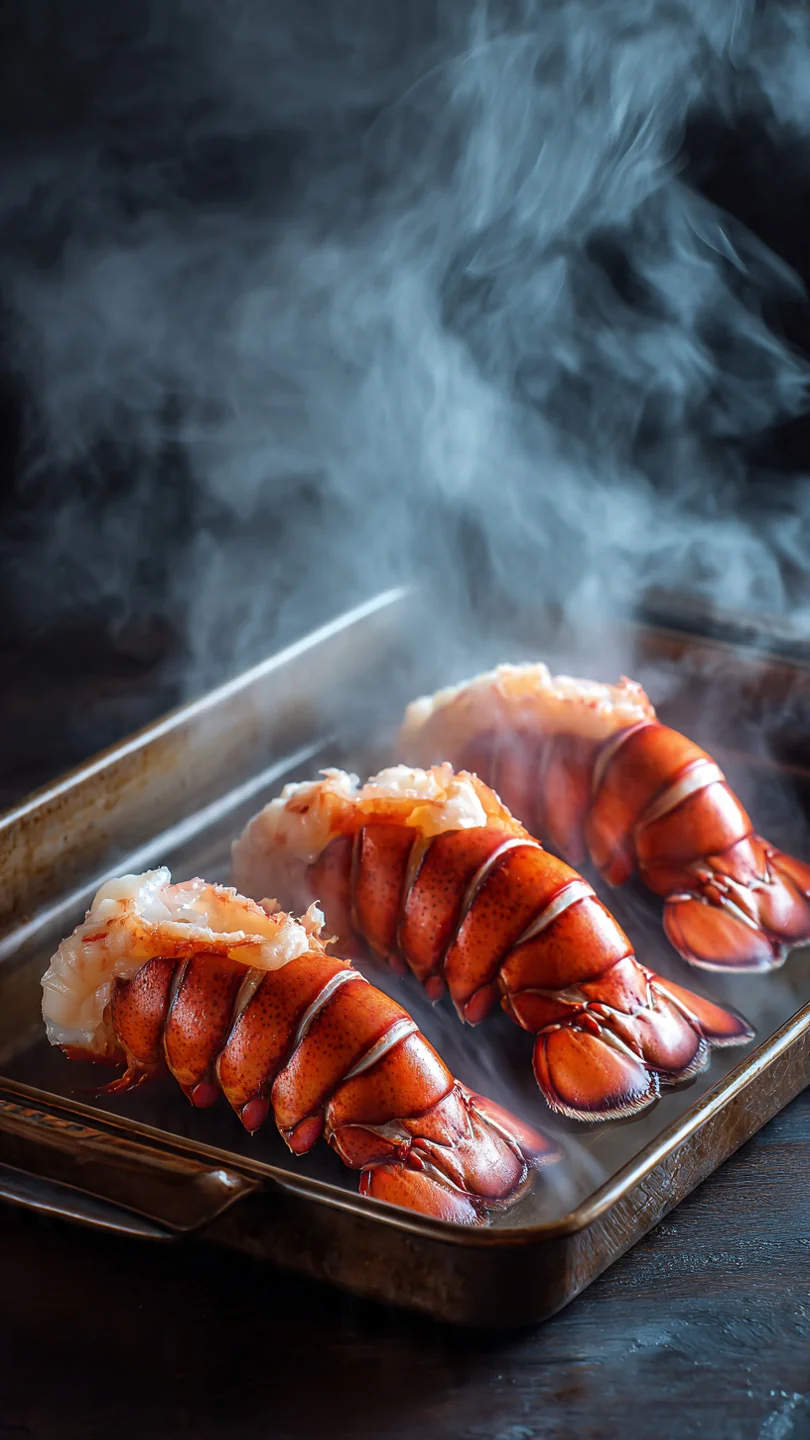
There’s a moment of pure culinary satisfaction when you crack into a perfectly steamed lobster tail. The shell gives way to reveal tender, sweet meat that hasn’t been toughened by boiling or dried out in the oven. As a chef, steaming is my go-to method for lobster tails at home.
It’s gentle, fast, and preserves every ounce of that delicate ocean flavor. Whether it’s a special date night or you’re simply treating yourself, mastering this technique means restaurant-quality seafood is just a pot of boiling water away. Let’s walk through the foolproof process.
- Chef-Approved Technique: Steaming is the professional’s choice for preserving moisture and achieving a consistently tender texture.
- Incredibly Fast: From fridge to plate in under 20 minutes, making it perfect for an impressive yet quick weeknight meal.
- Minimal Ingredients: You don’t need a pantry full of spices. The focus is on the pure, sweet flavor of the lobster itself.
- Foolproof & Forgiving: Unlike baking or broiling, the moist heat of steaming provides a buffer against drying out, giving you a wider margin for error.
- Health-Conscious: This is a lean, high-protein cooking method that requires no added fats during the cooking process.
- Visually Stunning: The butterflied presentation is elegant and impressive, turning a simple meal into a special occasion.
Ingredients You’ll Need
Let’s gather our ingredients—this is a beautiful example of how simplicity leads to excellence. The star, of course, is the lobster tail itself. Look for cold-water tails, which typically have a firmer, sweeter meat.
Whether you choose Maine or Canadian lobster is a matter of preference and availability. Fresh is fantastic, but high-quality frozen tails (thawed overnight in the refrigerator) work brilliantly and are often more accessible.
- Lobster Tails: Two 6-8 ounce tails are perfect for a main course. The size will determine your cooking time.
- Unsalted Butter: For serving. I prefer unsalted so I can control the seasoning. Melting it into drawn butter is the classic accompaniment.
- Lemon: Fresh lemon wedges are non-negotiable. The bright acidity cuts through the richness.
- Sea Salt: A flaky sea salt for finishing adds a pleasant texture and burst of salinity.
- Whole Black Peppercorns & Bay Leaf: These are optional aromatics for the steaming water. They impart a very subtle, background fragrance that elevates the experience without overpowering the lobster.
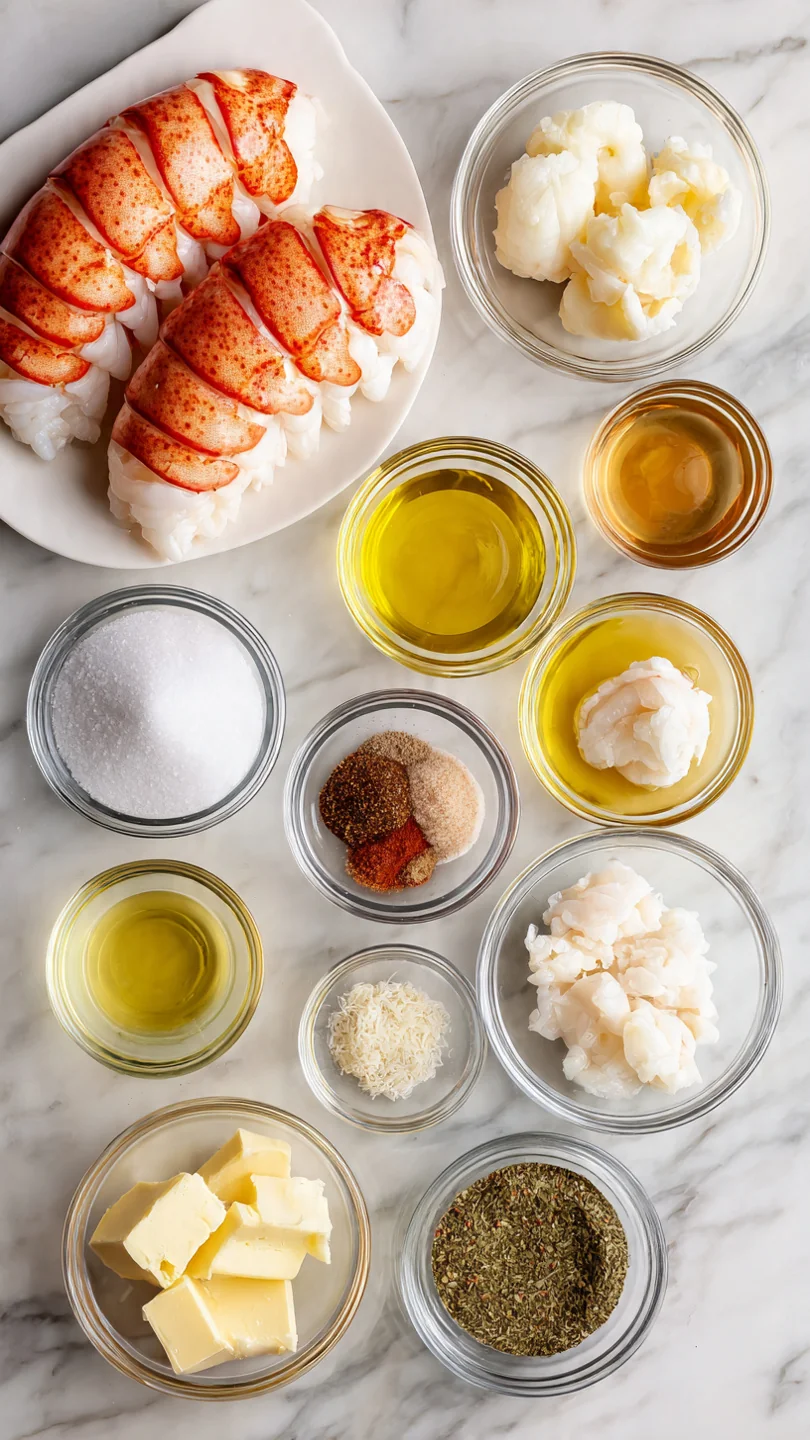
Note: You’ll find the complete list of ingredients, along with their exact measurements, in the printable recipe card at the bottom of this post.
Kitchen Equipment Needed
You likely have everything you need already. The essential piece is a large pot with a tight-fitting lid and a steamer basket or insert. If you don’t have a dedicated steamer basket, a metal colander or even a heatproof plate set on a ramekin or trivet in the pot will work.
You’ll also need a good pair of kitchen shears for butterflying the shell—don’t try this with a dull knife. Finally, an instant-read thermometer is my secret weapon for guaranteeing perfect doneness every single time. Tongs are helpful for safely removing the hot tails.
How to Make Steamed Lobster Tails Recipe
Step 1: Prepare and Butterfly the Tails
Start with cold tails. Using your kitchen shears, cut straight down the center of the top shell from the thick end all the way to the tail fan, but do not cut through the bottom shell or the tail meat. Now, use your fingers to gently pry the shell open.
Carefully loosen the meat from the shell, lift it up, and lay it back on top of the split shell. This “butterflying” exposes more surface area to the steam, ensuring even cooking from end to end, and makes for dramatic, easy-to-eat presentation. Trust me, this one-minute prep step is worth it.
Step 2: Set Up Your Steaming Station
Add about 1 to 2 inches of water to your large pot. If using, toss in the peppercorns and bay leaf. Place the pot over high heat and bring the water to a full, rolling boil.
You want a lot of energetic steam ready to go before the lobster goes in. Believe me, starting with a weak steam will lead to uneven cooking. The goal is to envelop the tails in a consistent cloud of hot vapor the moment they hit the basket.
Step 3: Steam with Confidence
Once the steam is vigorously billowing, place your prepared lobster tails in the steamer basket, shell-side down. Make sure they aren’t crowded or touching. Immediately cover the pot with the lid.
This captures all that initial intense heat. Reduce the heat to medium-high—you should still hear a steady, active sizzle and see steam escaping from the lid. This is the sweet spot for maintaining temperature without boiling the pot dry.
Step 4: Time and Check for Doneness
Now, set your timer. For a 6-ounce tail, aim for 8-9 minutes; for an 8-ounce tail, 10-12 minutes. The visual cues are opaque, white meat and a firm, springy texture.
Tip from me: The most reliable method is to use an instant-read thermometer. Insert it into the thickest part of the meat; it should read 140°F (60°C). At this temperature, the meat is just cooked through, juicy, and not at all rubbery.
Do not be tempted to overcook “just to be safe.”
Step 5: Rest, Serve, and Enjoy
Carefully remove the tails from the steamer with tongs. Let them rest on a plate for 2-3 minutes. This brief rest allows the intense heat to equalize throughout the meat, ensuring every bite is succulent.
Serve immediately with small bowls of warm drawn butter, fresh lemon wedges, and a light sprinkle of flaky sea salt. Step back and admire your beautiful, chef-worthy creation before diving in.
- The Cold Start: Always start with lobster tails straight from the refrigerator. If they come to room temperature, the exterior will overcook before the center is done.
- Don’t Peek: Resist the urge to lift the lid and check on them. Every time you do, you release a massive amount of steam and drop the temperature, extending the cooking time unevenly.
- Thermometer is Key: Visual cues can be tricky through steam. A quick thermometer check removes all guesswork and guarantees perfect results every time.
- Size Matters: If your tails are significantly larger or smaller than 6-8 ounces, calculate cooking time at roughly 1.5 to 2 minutes per ounce. A 4-ounce tail will take about 6-8 minutes.
- The Butterfly Effect: If you’re nervous about fully lifting the meat, you can simply cut the shell and leave the meat in place. It will still steam well, but butterflying gives more consistent results.
Recipe Variations
- Garlic-Herb Butter: While the lobster rests, sauté 2 minced garlic cloves and 1 tbsp of chopped fresh parsley or tarragon in the butter for 1-2 minutes before serving.
- Asian-Style Steam: Add a few slices of fresh ginger and a couple of green onion stalks to the steaming water. Serve with a dipping sauce of soy sauce, rice vinegar, and a touch of sesame oil.
- Lemon-Butter Baste: Halfway through steaming, quickly lift the lid and brush the exposed lobster meat with a mixture of melted butter and lemon juice for an extra layer of flavor.
- Spicy Cajun: Before steaming, brush the meat with a little olive oil and sprinkle lightly with a Cajun or Old Bay seasoning blend.
- Wine-Infused Steam: Replace half the water in the pot with a dry white wine for a wonderfully aromatic steam that subtly flavors the lobster.
What to Serve With This Recipe
Steamed lobster tails are a rich centerpiece, so I love to pair them with light, fresh, and often slightly acidic sides to balance the meal. A simple arugula salad with a lemon vinaigrette is perfect. For something heartier, garlic-herb roasted potatoes or creamy polenta are excellent for soaking up the drawn butter.
Grilled asparagus or sautéed fresh corn celebrate the season. For a beverage, a crisp, unoaked Chardonnay, a brut Champagne, or even a citrusy IPA beer makes a fantastic pairing. This meal is ideal for celebrations like anniversaries, Valentine’s Day, or a summer patio dinner.
Storage & Make-Ahead Instructions
- Storage: Steamed lobster is best enjoyed immediately. If you have leftovers, remove the meat from the shell, let it cool completely, and store it in an airtight container in the refrigerator for up to 2 days.
- Reheating: Reheat very gently to prevent toughness. The best method is to place the meat in a heatproof dish with a tablespoon of water or broth, cover with a lid or foil, and warm in a 250°F oven for just 5-10 minutes until heated through. Microwaving is not recommended.
- Make-Ahead: You can prepare the lobster tails up to the butterflying step, place them on a plate, cover tightly with plastic wrap, and refrigerate for up to 4 hours before steaming. This makes final prep for a dinner party incredibly quick.
Frequently Asked Questions
Q: Can I steam frozen lobster tails?
A: Yes, but they must be fully thawed first. Thaw them in the refrigerator for 24 hours. Steaming from frozen will result in an overcooked exterior and a cold, undercooked center.
Q: How do I know if the lobster tail is cooked without a thermometer?
A: The meat will be completely opaque (no translucent grey areas) and firm to the touch. The shell will turn bright red. When in doubt, make a small cut into the thickest part to check.
Q: What’s the difference between steaming and boiling lobster tails?
A: Steaming is gentler. The lobster isn’t submerged, so it doesn’t lose as much flavor or natural sweetness to the water. It also cooks more evenly and is less likely to become waterlogged or tough.
Q: My lobster meat is stuck to the shell. What did I do wrong?
A: This usually means it was slightly overcooked. To prevent this, ensure proper butterflying to loosen the meat before cooking, and stick to the recommended time and temperature.
Q: Can I add salt to the steaming water?
A: You can, but it’s not necessary for flavoring the meat, as the steam doesn’t penetrate that way. I prefer to season the lobster after cooking with a good flaky salt.
Q: Is it better to steam or bake lobster tails?
A: For pure, tender, moist results, I always choose steaming. Baking can easily dry out the delicate meat unless you are very careful with temperature and basting.
Q: Can I use this method for very large lobster tails?
A: Absolutely. For tails over 8 ounces, use the per-ounce timing guide (1.5-2 min/oz) and rely heavily on your thermometer. You may need to add more water to the pot to account for the longer steaming time.
Final Thoughts
Mastering how to steam lobster tails is one of those kitchen skills that pays dividends in confidence and delicious results. It demystifies a luxury ingredient and puts a spectacular meal within easy reach. The technique is simple, but the outcome feels anything but.
Remember, the keys are a good steam, a reliable timer (or better yet, a thermometer), and the restraint not to overcook. I encourage you to give this method a try—it might just become your default for perfect lobster. I’d love to hear how it turns out for you.
Share your creations with me, and if you have any questions, don’t hesitate to ask. Now, go enjoy that sweet, succulent reward

Perfectly Steamed Lobster Tails
Equipment
- Large pot with tight-fitting lid
- Steamer basket or insert
- Kitchen shears
- Instant-read thermometer (highly recommended)
- Tongs
Ingredients
- 2 lobster tails 6-8 oz each, fresh or thawed
- 2 tbsp unsalted butter melted, for serving
- 1 lemon cut into wedges, for serving
- 1 tsp sea salt or to taste
- 1 tsp whole black peppercorns optional, for steaming liquid
Instructions
- Prepare the lobster tails by using kitchen shears to cut through the top shell lengthwise, from the thick end to the tail fan. Gently pry the shell open and lift the meat, keeping it attached at the base. Place it on top of the split shell. This ‘butterflying’ helps it cook evenly and makes for easy eating.
- Set up your steamer. Add 1-2 inches of water to a large pot. Add the peppercorns and bay leaf if using. Bring the water to a rolling boil over high heat. The aromatics will subtly perfume the lobster.
- Place the prepared lobster tails in the steamer basket, shell-side down, ensuring they are not touching. Immediately cover the pot with a tight-fitting lid to trap the steam. Reduce heat to medium-high to maintain a vigorous steam.
- Steam for 8-12 minutes, depending on size. A 6-ounce tail will take about 8-9 minutes; an 8-ounce tail will need 10-12. The lobster is done when the meat is opaque white, firm to the touch, and the internal temperature reaches 140°F (60°C). Do not overcook.
- Carefully remove the tails from the steamer using tongs. Let them rest for 2-3 minutes. This allows the juices to redistribute. Serve immediately with melted butter, lemon wedges, and a sprinkle of sea salt.