
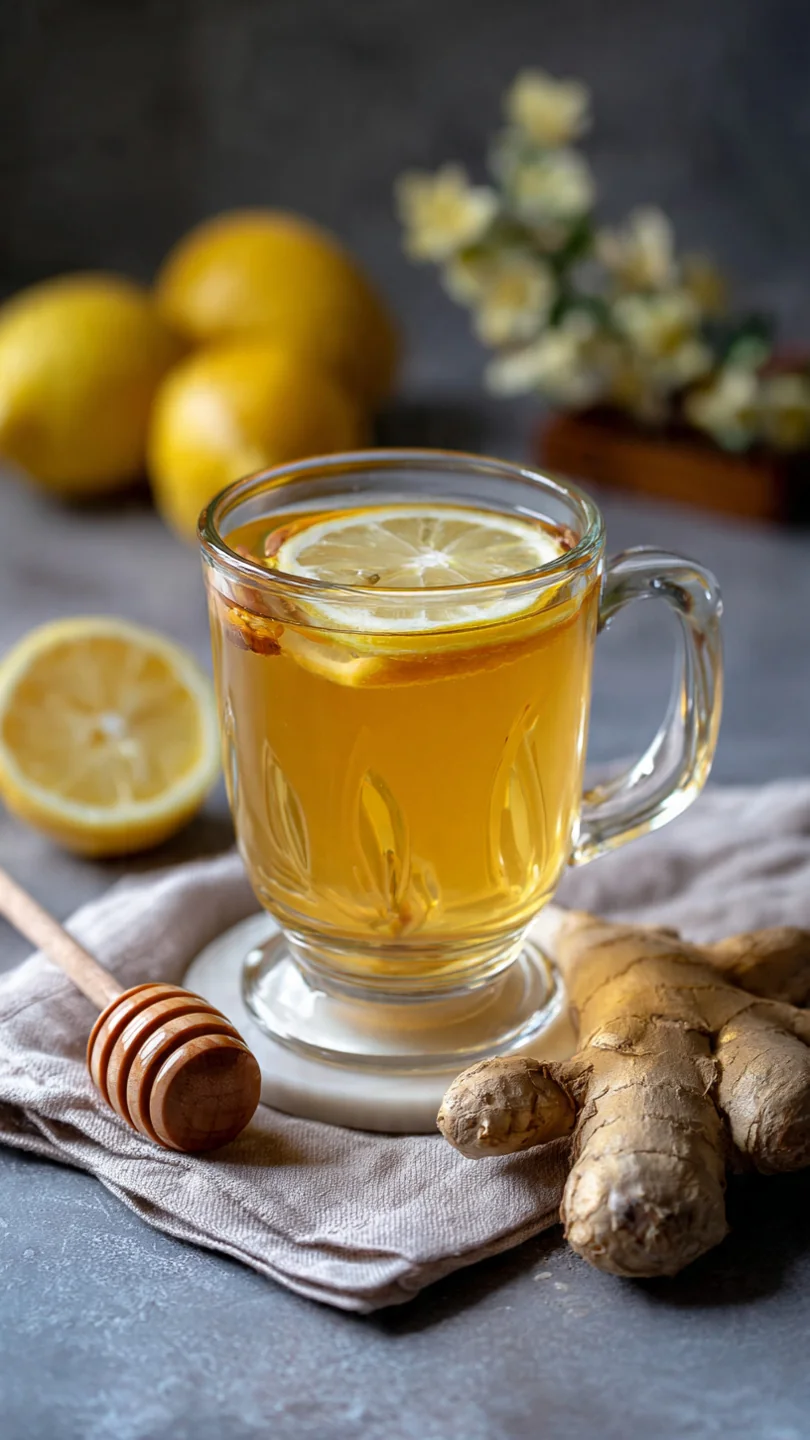
There’s something almost alchemical about transforming a few humble ingredients—a knobby root, a bright citrus, and golden honey—into a steaming mug of pure comfort. In my years in professional kitchens and now developing recipes at home, I’ve made countless versions of this tea, but this method is the one I always return to. It’s not just a drink; it’s a ritual.
When the weather turns, stress hits, or you simply need a moment of warmth, this immunity-boosting ginger lemon honey tea delivers a complex, spicy-sweet flavor and a deeply soothing experience from the first aromatic sip to the last.
This recipe is my go-to for good reason. It’s the perfect blend of simplicity, science, and soul.
- Maximum Potency: By grating the ginger finely and simmering it gently, we extract the highest concentration of gingerol, the active compound responsible for ginger’s famous kick and health benefits.
- Quick & Accessible: From start to finish in 15 minutes with ingredients you likely already have. It’s faster than waiting for delivery.
- Deeply Customizable: This is a fantastic base recipe. Feel a cold coming on? Add more ginger. Need extra comfort? A cinnamon stick works wonders. I’ll share all my favorite variations below.
- Scientifically Sound: The method matters. Adding honey after cooking preserves its natural enzymes, and using the whole lemon (juice and zest-infused slices) gives you the full spectrum of citrus oils and vitamin C.
- A True Wellness Ritual: The process of making it—the scent of ginger filling your kitchen, the careful stirring—is as therapeutic as drinking it.
Ingredients You’ll Need
- Let’s gather our ingredients. This is where quality truly impacts the final cup. Using fresh, whole ingredients makes all the difference between a good tea and a transformative one.
- Fresh ginger root: Look for firm, smooth pieces with taut skin. Avoid any that are wrinkled or soft. We keep the skin on—it’s packed with nutrients and flavor, and a good scrub is all it needs.
- Filtered water: Starting with good-tasting water ensures a clean, pure base for the ginger to shine.
- Raw honey: This is non-negotiable for the full wellness benefits. Processed honey is just sugar. Raw honey, especially local or Manuka, retains natural antimicrobial properties. It also adds a complex floral note you can’t get from refined sweeteners.
- Fresh lemon: Please, no bottled juice. A fresh lemon provides vibrant acidity and aromatic oils from the zest. Meyer lemons are a delightful, sweeter variation if you have them.
- Ground turmeric (optional): Just a pinch adds a warm, earthy depth and a potent anti-inflammatory boost from curcumin. It will give the tea a beautiful golden hue.
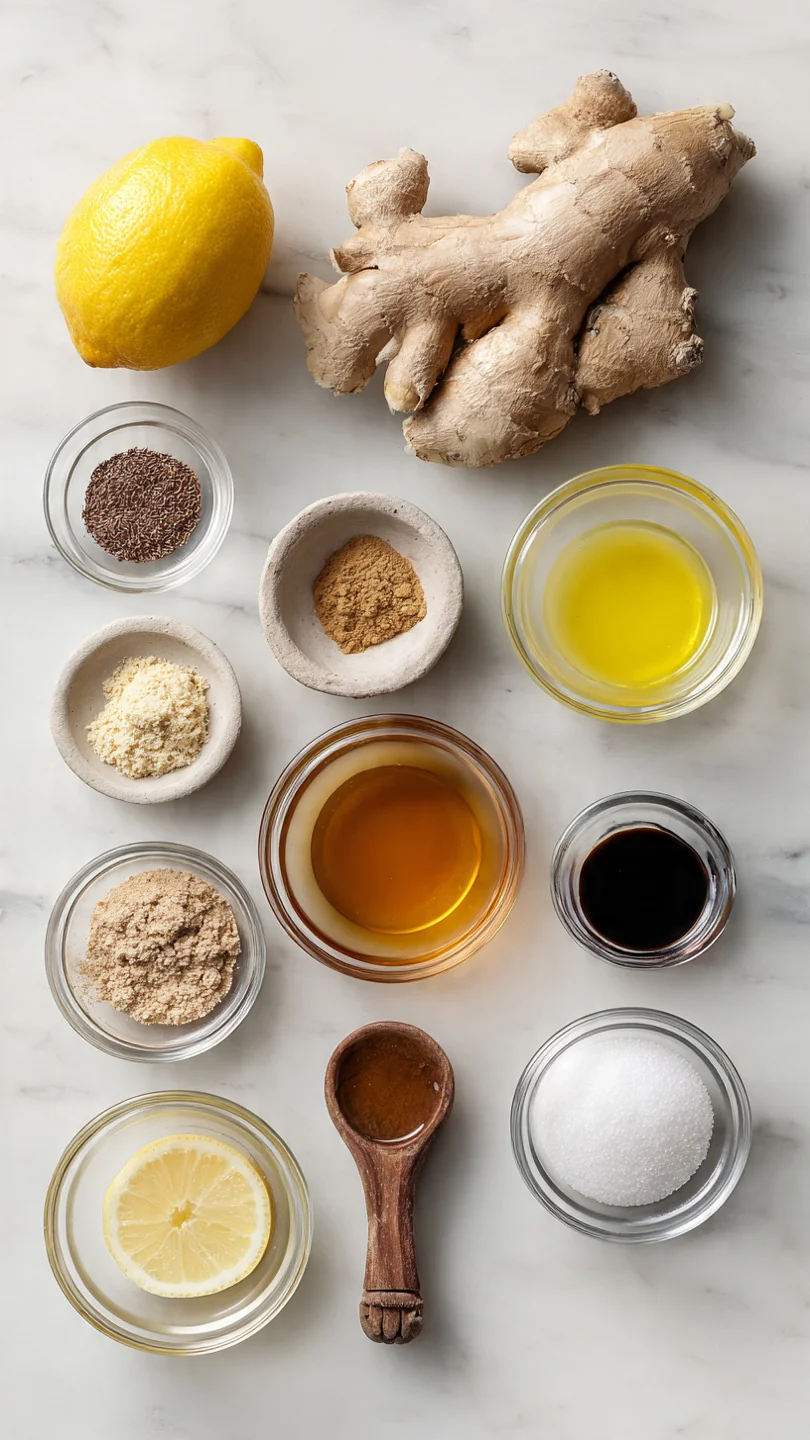
Note: You’ll find the complete list of ingredients, along with their exact measurements, in the printable recipe card at the bottom of this post.
Kitchen Equipment Needed
You don’t need any special gear. A few basic tools will get you a perfect brew.
- A small saucepan (1.5-2 quarts is ideal) for controlled simmering.
- A microplane or the fine side of a box grater. This is key for grating the ginger into a pulp. A knife will just give you chunks that won’t infuse as effectively.
- A fine-mesh strainer to catch all the ginger pulp. For an ultra-smooth tea, line it with a single layer of cheesecloth.
- A simple juicer or a fork to get every last drop from your lemon.
- Your favorite mugs. A pre-warmed mug will keep your tea hot longer, making the experience even more comforting.
How to Make Immunity Boosting Ginger Lemon Honey Tea Recipe
Step 1: Prepare the Ginger
Thoroughly scrub your piece of ginger under cold running water to remove any dirt—we’re keeping the nutrient-rich skin on. Trust me, this adds depth. Using your microplane, grate the entire piece directly over your saucepan.
You want a fine, almost pulpy consistency. This isn’t just about convenience; grating creates maximum surface area, allowing hot water to pull out every bit of ginger’s spicy, aromatic compounds. You should end up with about 3 tablespoons of fragrant ginger pulp.
Step 2: Simmer to Extract
Add the filtered water to the saucepan with the grated ginger. Bring it to a gentle boil over medium-high heat, then immediately reduce the heat to low so it maintains a soft, steady simmer. Let it bubble gently, uncovered, for a full 10 minutes.
Believe me, this slow simmer is the secret. A rolling boil can drive off the delicate volatile oils that carry both flavor and benefits. You’ll know it’s ready when your kitchen smells incredible and the water has taken on a deep, golden-yellow color.
Step 3: Prep the Finishing Touches
While the tea simmers, prep your lemon. Roll the whole lemon on the counter under your palm to loosen the juices inside. Cut it in half.
Juice one half thoroughly—you’re aiming for about 2 tablespoons of bright, fresh juice. Slice the other half into thin, beautiful rounds for garnish. This way, you get the double benefit of the juice’s sharp vitamin C and the aromatic oils from the zest in the floating slices.
Have your honey and mugs at the ready.
Step 4: Strain for Smoothness
After 10 minutes, remove the saucepan from the heat. Now comes the satisfying part: straining. Place your fine-mesh strainer over a heatproof bowl or pitcher.
Carefully pour the hot ginger tea through the strainer. Use a spoon to press gently on the ginger pulp to extract every last drop of flavorful liquid. For a crystal-clear tea like you’d get in a spa, line the strainer with cheesecloth.
You’ll be left with a smooth, potent ginger infusion.
Step 5: Combine, Serve, and Savor
Immediately pour the hot strained tea into your mugs. Tip from me: swish a little hot water in the mugs first to warm them. Now, stir in the raw honey and the fresh lemon juice until the honey dissolves completely.
Adding them now, off the direct heat, protects the honey’s beneficial enzymes and the lemon’s vitamin C from degradation. Drop in a lemon slice, add that optional pinch of turmeric for a golden glow, and your elixir is complete. Step back and admire it, then take that first warming, soothing sip.
A few chef-level insights can elevate your tea from good to exceptional.
- Grating vs. Slicing: I’ve tested both extensively. Grating releases significantly more gingerol, resulting in a tea that’s both spicier and more potent. Slicing is faster but yields a milder, more subtle brew.
- The Honey Rule: Never add honey to boiling water. Heat above 110°F (43°C) begins to destroy the delicate enzymes and antioxidants that make raw honey special. Always let the liquid cool for a minute off the heat first.
- Simmer, Don’t Boil: A vigorous boil makes the tea taste harsh and bitter. A gentle, lazy simmer coaxes out a rounded, spicy-sweet flavor profile.
- Freshness is Key: Bottled lemon juice lacks the bright, clean acidity and aromatic oils of fresh fruit. The difference in the final cup’s vibrancy is night and day.
- Taste and Adjust: Before serving, taste your tea. Want more zing? Add a little extra fresh lemon juice. Need more sweetness? Stir in another half teaspoon of honey. This recipe is your template.
Recipe Variations & Customizations
- This basic formula is wonderfully adaptable. Here are my favorite tested twists.
- Turmeric-Ginger Gold: Add a 1-inch piece of fresh turmeric root, grated with the ginger, and a crack of black pepper. The pepper significantly boosts the bioavailability of curcumin, turmeric’s active compound.
- Spicy Citrus Kick: Add 2-3 thin slices of fresh jalapeño or a pinch of cayenne pepper to the simmering pot. The capsaicin can help clear sinuses and adds a thrilling warmth.
- Herbal Infusion: In the last 2 minutes of simmering, add a sprig of fresh rosemary, a few thyme sprigs, or a cinnamon stick. Strain them out with the ginger. The herbal notes are incredibly soothing.
- Apple Cider Boost: Replace 1 cup of the water with pure, unfiltered apple cider. Simmer as directed. It adds a lovely autumnal sweetness and another layer of wellness benefits.
- Iced Tea Version: Double the amount of grated ginger for a stronger brew. Let the strained tea cool completely, then pour over a glass full of ice. Stir in honey and lemon. It’s incredibly refreshing.
- Vegan Adaptation: Substitute the raw honey with pure maple syrup. Use about 1 ½ tablespoons, as it’s slightly less sweet than honey, and add it off the heat just the same.
What to Serve With This Recipe
This tea is a complete experience on its own, but it also plays well with others. For a cozy morning, pair it with a slice of whole-grain toast or a simple bowl of oatmeal—the spice of the tea cuts through creamy textures beautifully. In the afternoon, it’s the perfect companion to a few plain digestive biscuits or a piece of dark chocolate.
If you’re feeling under the weather, this tea is the meal, but having some plain broth or a simple soup alongside can provide comforting nourishment without overwhelming your senses.
Storage & Make-Ahead Instructions
- You can absolutely get a head start on this comforting ritual.
- For Make-Ahead: Prepare the ginger infusion (strained ginger water) up to 3 days in advance. Let it cool, then store it in a sealed jar in the refrigerator. When ready to serve, gently reheat the desired amount until hot (not boiling), then stir in the fresh lemon and honey per serving.
- Storage Warning: Do not store the tea with the lemon juice and honey already mixed in for more than 24 hours. The acidity can cause the honey to ferment slightly, and the lemon flavor becomes bitter. Always add them fresh.
- Freezing: Pour cooled, plain ginger infusion into ice cube trays. Once frozen, transfer the cubes to a freezer bag. They’re perfect for quickly making a single serving—just add a few cubes to a mug, top with hot water, and finish with lemon and honey.
Frequently Asked Questions
Q: Can I use ground ginger instead of fresh?
A: I don’t recommend it for this recipe. Ground ginger will make the tea cloudy, gritty, and impart a dusty, one-dimensional flavor compared to the bright, spicy complexity of fresh. In a true pinch, use ¾ teaspoon of ground ginger per serving, but expect a different result.
Q: How much ginger tea can I safely drink in a day?
A: For general wellness, 1-2 cups per day is perfect. If you’re using it to soothe a cold, 3-4 cups spaced throughout the day is common. Listen to your body—ginger is very safe but is a potent digestive stimulant for some.
Q: My tea turned out too spicy! How can I fix it?
A: No problem! Simply dilute it with a bit more hot water. Next time, reduce the ginger by half or simmer for only 5-7 minutes.
You can also add a touch more honey to balance the heat.
Q: Can I sweeten this with sugar instead of honey?
A: You can, but you’ll lose the wellness properties and unique flavor of raw honey. If you must substitute, use organic cane sugar or maple syrup, adding it off the heat and stirring until dissolved.
Q: Is it okay to drink this before bed?
A: Absolutely. The warm liquid and ginger can be very soothing. However, if you are sensitive to caffeine-like effects from spices, you may want to have your last cup an hour or so before sleep.
Q: Why is my tea bitter?
A: Bitterness usually comes from two sources: boiling the ginger too vigorously or adding the lemon juice while the water is still at a rolling boil. Always simmer gently and add lemon off the heat.
Q: Can I reuse the grated ginger pulp?
A: You can get one weaker second steeping from it. Cover the strained pulp with fresh water, simmer for 5 minutes, and strain. It will be much milder but still flavorful.
Final Thoughts
This immunity-boosting ginger lemon honey tea is more than the sum of its parts. It’s a testament to how a little culinary knowledge—knowing why we grate, why we simmer, why we add ingredients in a specific order—can transform everyday ingredients into something truly special. It’s the recipe I make for myself when I need centering, for my family at the first sign of a sniffle, and for friends who need a warm hug in a mug.
I encourage you to make this your own. Start with the classic recipe, then play with the variations. Pay attention to how the ginger feels in your throat, how the honey coats it, and how the lemon brightens everything up.
This is cooking at its most intuitive and rewarding. I’d love to hear how it turns out for you—what variations you tried, what made it perfect for your moment. Share your creations with me, and don’t forget to savor every soothing sip.
Immunity Boosting Ginger Lemon Honey Tea
Equipment
- Small saucepan (1.5-2 quart)
- Fine mesh strainer
- Microplane or box grater
- Juicer or fork for lemon
- Measuring spoons
Ingredients
- 1 piece Fresh ginger root About a 3-inch piece, unpeeled for maximum nutrients
- 4 cups Filtered water
- 2 tbsp Raw honey Manuka or local raw honey preferred; adjust to taste
- 1 whole Fresh lemon For juice and slices
- 1 pinch Ground turmeric Optional for extra anti-inflammatory benefits
Instructions
- Thoroughly scrub the ginger root under cold water. Using a microplane or the finest side of a box grater, grate the entire piece, skin and all, into a fine pulp. This maximizes surface area for infusion. You should have about 3 tablespoons of grated ginger.
- In a small saucepan, combine the grated ginger and filtered water. Bring to a gentle boil over medium-high heat, then immediately reduce to a low simmer. Let it simmer uncovered for 10 minutes. This slow simmer extracts the ginger’s volatile oils and bioactive compounds without boiling them away.
- While the tea simmers, juice half of the lemon to yield about 2 tablespoons of fresh juice. Slice the other half into thin rounds for garnish. Have your honey and mugs ready.
- After 10 minutes, remove the saucepan from the heat. Place a fine-mesh strainer over a heatproof bowl or pitcher and carefully pour the tea through to catch all the ginger pulp. For a clearer tea, you can line the strainer with a cheesecloth.
- Immediately pour the hot tea into your mugs. Stir in the raw honey and fresh lemon juice until the honey is fully dissolved. The residual heat will gently warm the honey without destroying its beneficial enzymes. Add a lemon slice and a pinch of turmeric if using. Serve hot and inhale the soothing steam.