
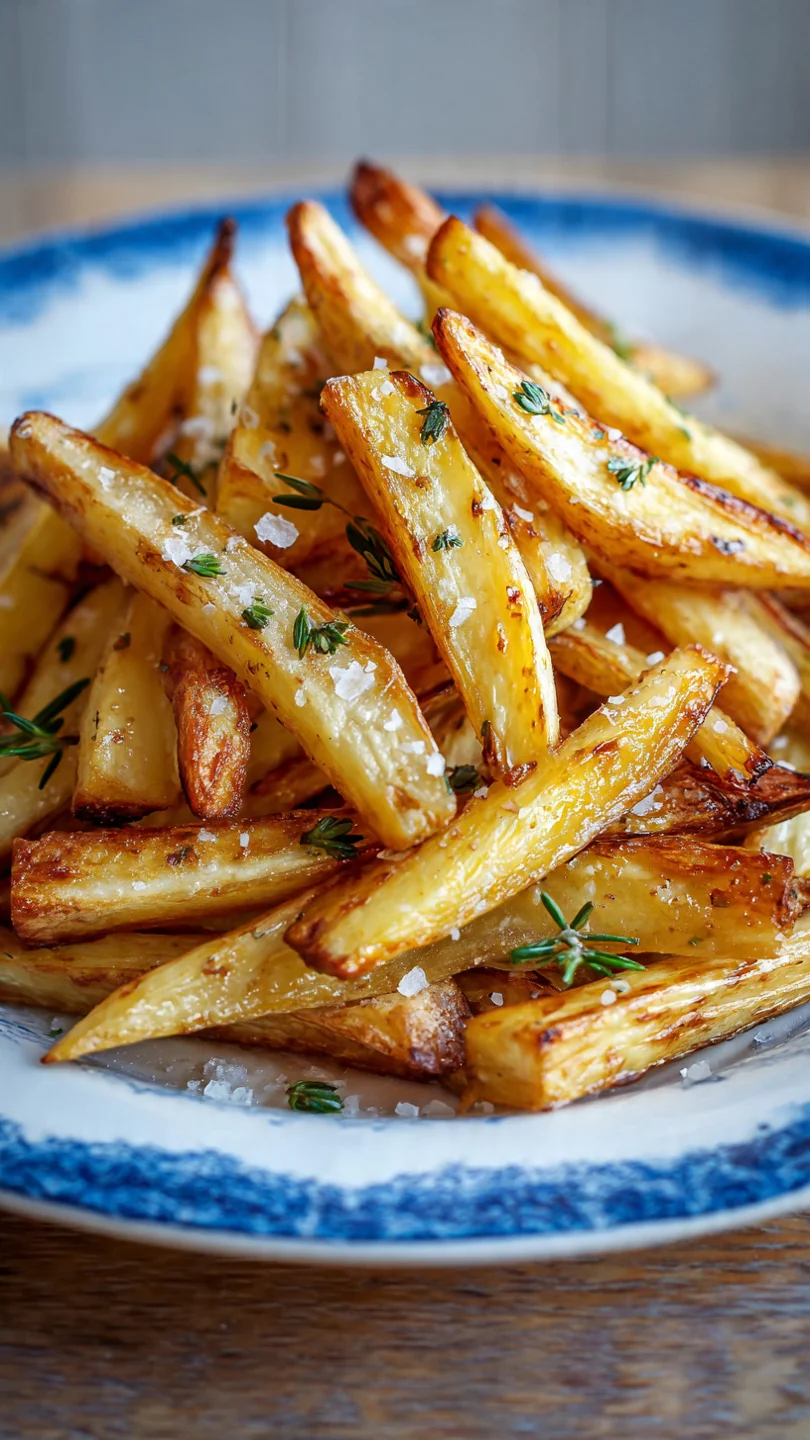
Have you ever tasted a vegetable so perfectly transformed by heat that it becomes almost candy-like? That’s the magic of a well-roasted parsnip. This humble root vegetable, often overlooked in favor of its cousin the carrot, holds a secret: an incredible natural sweetness that intensifies and caramelizes beautifully in a hot oven.
As a chef, I’ve found that roasting is the ultimate way to showcase the parsnip’s unique flavor—a delightful cross between a carrot and a hint of sweet parsley. This recipe is my go-to method for creating a side dish that consistently steals the show, whether it’s a casual Tuesday dinner or the centerpiece of a holiday feast. You’ll end up with parsnips that are tender on the inside, gloriously crispy and caramelized on the edges, and coated in a warm, savory-sweet glaze.
Let’s turn this underrated veggie into the star it deserves to be.
This recipe succeeds because it focuses on technique to maximize flavor with minimal effort. Here’s why it works so well:
- Transformative Simplicity: Just a handful of pantry ingredients unlock the parsnip’s hidden potential, turning it from a plain root into a sophisticated side.
- Perfect Texture: The high-heat method guarantees the ideal contrast of a caramelized, slightly crisp exterior and a soft, creamy interior.
- Meal-Proof Versatility: These parsnips pair effortlessly with almost any main course, from a simple weeknight roast chicken to an elaborate holiday ham.
- Make-Ahead Friendly: You can peel and cut the parsnips a day in advance, storing them in water in the fridge, so dinner comes together in minutes.
- Diet-Inclusive: Naturally gluten-free, dairy-free, and easily made vegan, this dish pleases a crowd with diverse dietary needs.
- Kid-Approved Sweetness: The natural caramelization creates a sweetness that often wins over even the most hesitant vegetable eaters.
Ingredients You’ll Need
- Let’s gather our ingredients—this is where simple pantry staples come together to create something truly special. The parsnip is the canvas, and our glaze is the artist’s brush that highlights its best qualities.
- Parsnips: Look for medium-sized, firm roots without soft spots or excessive branching. Larger parsnips can have a woody core; if yours are very thick, you may want to halve them lengthwise and remove the tough center.
- Extra Virgin Olive Oil: This helps conduct heat and promotes browning. A good, fruity olive oil adds flavor, but avocado oil is an excellent high-heat alternative.
- Pure Maple Syrup: This is our caramelization catalyst. It encourages deep browning and adds a complex sweetness. Honey works beautifully too.
- Garlic: Minced fresh garlic infuses the oil with savory depth that balances the sweetness.
- Fresh Thyme: Its earthy, slightly floral notes are a classic pairing with root vegetables. Dried thyme works in a pinch—use half the amount.
- Warm Spices (Cinnamon & Nutmeg): Don’t be shy! A touch of cinnamon and nutmeg doesn’t make the dish taste like dessert; instead, it warmly accentuates the parsnip’s natural sugar notes in a way that simply tastes “holiday-ready” and complex.
- Kosher Salt & Black Pepper: Essential for seasoning every layer. I prefer kosher salt for its clean flavor and ease of pinching.
- Fresh Parsley: The final garnish of bright, fresh parsley adds a necessary pop of color and a clean flavor note that cuts through the richness.
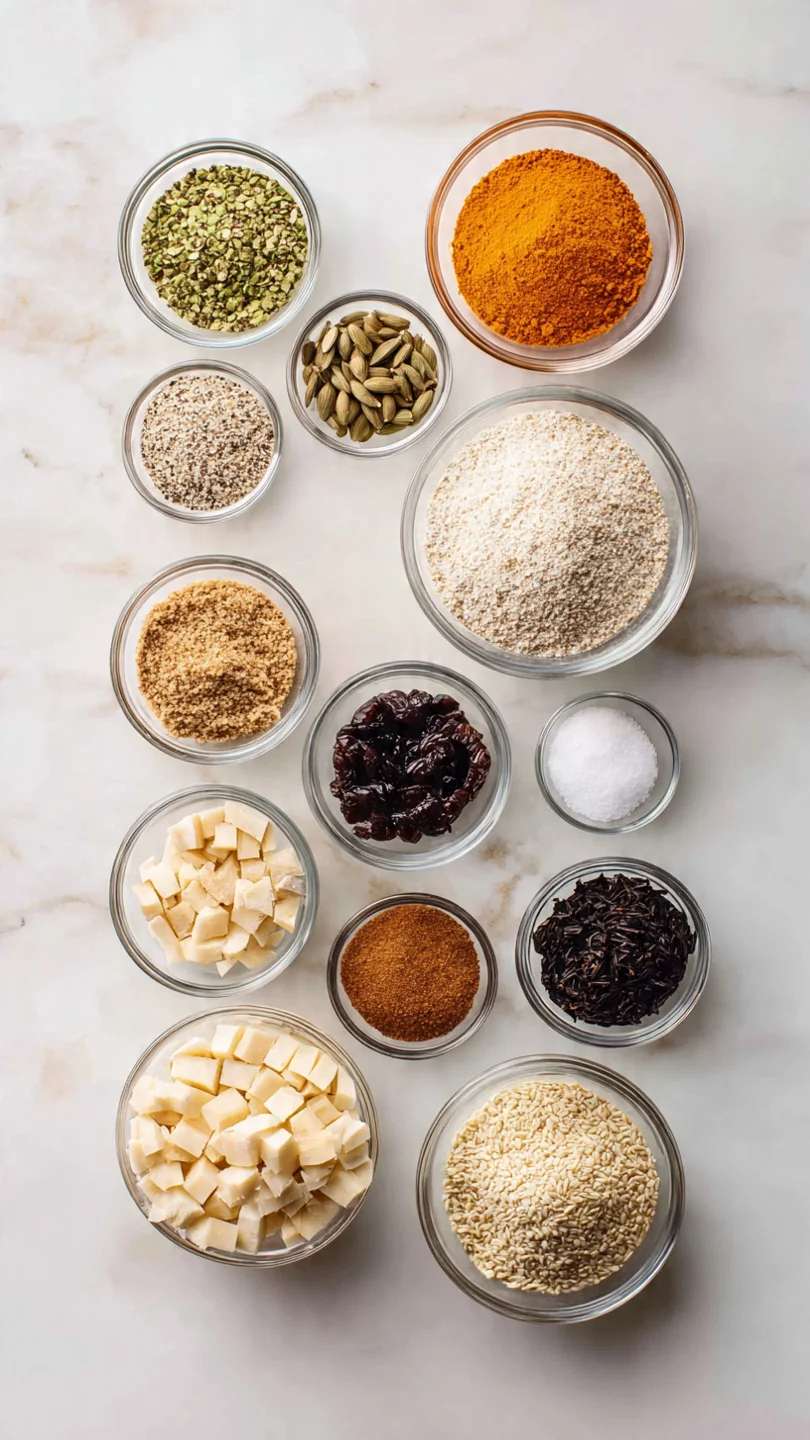
Note: You’ll find the complete list of ingredients, along with their exact measurements, in the printable recipe card at the bottom of this post.
Kitchen Equipment Needed
You don’t need any fancy gadgets for this recipe. Success comes from a few key tools:
- A Large Rimmed Baking Sheet: Often called a half-sheet pan (approximately 18×13 inches). The rim prevents oil from spilling, and the large surface area is critical for allowing space between the parsnips. Crowding is the enemy of crispiness.
- A Sharp Chef’s Knife: For safely and efficiently peeling and cutting the parsnips into even pieces.
- A Large Mixing Bowl: Big enough to comfortably toss all the parsnips with the glaze.
- A Whisk or Fork: For thoroughly combining the oil, syrup, and spices into an emulsified glaze.
How to Make Irresistibly Sweet Roasted Parsnips Recipe
Step 1: Prep the Oven and Parsnips
Preheat your oven to 425°F (220°C). This high heat is non-negotiable for achieving proper caramelization. While it heats, peel the parsnips and trim the ends.
Cut them into evenly sized pieces, about 3-inch long sticks that are 1/2 to 3/4-inch thick. Trust me, uniform sizing is the key to even cooking—no one wants a mix of burnt and undercooked pieces.
Step 2: Create and Apply the Flavor Glaze
In a large bowl, whisk together the olive oil, maple syrup, minced garlic, thyme, cinnamon, nutmeg, salt, and pepper. This creates a flavorful glaze that will coat every piece. Add the parsnip sticks to the bowl.
Using your hands or a large spoon, toss thoroughly until every surface is glistening and well-coated. Tip from me: Let them sit for 5 minutes if you have time; it helps the flavors penetrate.
Step 3: Arrange for Maximum Caramelization
Arrange the coated parsnips in a single layer on a large, rimmed baking sheet. Do not crowd them! If they’re piled on top of each other, they’ll steam instead of roast.
For the crispiest results, use two sheets if needed. Believe me, giving them space is the secret to those beautifully caramelized, crispy edges we’re after.
Step 4: Roast with Strategic Patience
Roast in the preheated oven for 25-30 minutes. Do not stir for the first 20 minutes—this allows the sugars to caramelize properly on the hot pan. After 20 minutes, use a spatula to flip the pieces over.
You should see gorgeous golden-brown spots. Roast for another 5-10 minutes until tender when pierced with a fork and deeply caramelized.
Step 5: Garnish and Serve Immediately
Transfer the roasted parsnips to a serving platter. Taste and adjust with an extra pinch of salt if needed. Garnish generously with the chopped fresh parsley for a pop of color and freshness.
Step back and admire your work—the sweet, savory aroma is incredible. Serve immediately while they’re hot and crispy!
A few chef-driven insights will ensure your roasted parsnips are perfect every single time.
- The Single Layer Rule: This is the most important tip. Overcrowding the pan creates steam, which leads to soggy, steamed vegetables instead of roasted ones. Use two pans if necessary.
- Embrace the High Heat: Roasting at 425°F is ideal. It quickly caramelizes the natural and added sugars on the outside while cooking the inside to tenderness. A lower temperature will stew them.
- Resist the Urge to Stir: During the first 20 minutes of roasting, leave them alone! This uninterrupted contact with the hot pan is what builds that delicious, crispy fond (the browned bits) on the bottom of each piece.
- Uniformity is Key: Take an extra minute to cut your parsnips into similarly sized pieces. This ensures they all finish cooking at the same time.
- The Garnish Matters: Don’t skip the fresh parsley or another herb like chives. That fresh, green note provides a vital flavor and visual contrast to the rich, caramelized parsnips.
Recipe Variations
- The basic formula is wonderfully adaptable. Here are some tested variations to keep this recipe exciting.
- Savory Herb & Parmesan: Omit the cinnamon and nutmeg. Toss with the oil, garlic, salt, pepper, and 2 tbsp of chopped fresh rosemary. After roasting, sprinkle with 1/4 cup of finely grated Parmesan cheese.
- Spicy Maple Glaze: Add 1/2 to 1 teaspoon of crushed red pepper flakes or a few shakes of cayenne pepper to the glaze for a sweet-heat combination.
- Citrus & Ginger: Add 1 tablespoon of finely grated fresh ginger and the zest of one orange to the glaze. A squeeze of fresh orange juice over the top after roasting is fantastic.
- Balsamic & Brown Sugar: Replace the maple syrup with 1 tbsp of brown sugar and 1 tbsp of good balsamic vinegar. The balsamic reduces into a gorgeous, sticky glaze.
- Harissa Roasted: For a North African twist, whisk 1-2 tablespoons of harissa paste into the olive oil before adding the maple syrup and other spices.
What to Serve With This Recipe
These parsnips are the ultimate versatile side. Their sweet and savory profile makes them a perfect complement to a wide range of mains.
For a classic Sunday roast, serve them alongside a Herb-Roasted Chicken or a Pork Tenderloin with a Mustard Sauce. The parsnips’ sweetness beautifully cuts through the richness of the meat. For a vegetarian feast, they are stellar on a plate with a Creamy Lentil Shepherd’s Pie or a Wild Mushroom Risotto.
During the holidays, they hold their own next to Roast Turkey, Honey-Glazed Ham, or Beef Wellington. For a simple, satisfying weeknight meal, pair them with Pan-Seared Salmon and a simple green salad. Beverage-wise, a glass of off-dry Riesling, a hard cider, or even a robust brown ale would pair wonderfully.
Storage & Make-Ahead Instructions
- While best served fresh from the oven, you can manage some components in advance.
- Refrigerator Storage: Store cooled leftovers in an airtight container in the refrigerator for up to 4 days. The texture will soften.
- Reheating Method: To restore crispiness, reheat in a 375°F oven or toaster oven on a baking sheet for 10-15 minutes. Avoid the microwave, as it will make them soggy.
- Make-Ahead Prep: You can peel and cut the parsnips 1-2 days ahead. To prevent browning, store them submerged in cold water in the refrigerator in an airtight container. Drain and pat them very dry before tossing with the glaze and roasting.
- Freezing (Not Recommended): Freezing and thawing will cause the parsnips to become very mushy and watery due to their high moisture content. I do not recommend it for quality.
Frequently Asked Questions
Q: Can I use baby parsnips?
A: Absolutely! Baby parsnips are wonderful and often more tender. Simply halve or quarter them lengthwise to create pieces of a similar thickness to the recipe’s guideline, and reduce the roasting time by 5-10 minutes, checking for tenderness.
Q: My parsnips are burning before they get tender. What happened?
A: This usually means your pieces were cut too small, your oven runs hot, or you used a dark-colored pan (which absorbs more heat). Try cutting slightly thicker pieces, verifying your oven temperature with a thermometer, or using a lighter-colored aluminum baking sheet next time.
Q: Can I make this with other root vegetables?
A: Yes, this method works beautifully for carrots, sweet potatoes, turnips, or a mix. Just ensure all pieces are cut to a similar size for even cooking. Denser veggies like potatoes or beets may need a slightly longer roasting time.
Q: Is the maple syrup necessary? Can I use a sugar substitute?
A: The syrup aids in caramelization and flavor. You can omit it for a less sweet result, but the browning will be less pronounced. For a sugar-free version, a monk fruit or erythritol-based syrup may work, but I haven’t tested them for caramelization properties.
Q: Why are my roasted parsnips soggy?
A: Sogginess is almost always due to overcrowding the baking sheet. The vegetables release moisture as they cook, and if there’s no space for it to evaporate, they steam. Always use a large enough pan for a single layer.
Q: Can I roast these from frozen?
A: I don’t recommend starting with frozen parsnips. They will release too much water during roasting, preventing proper browning and leading to a steamed texture. Always start with fresh, raw parsnips.
Q: What’s the difference between parsnips and carrots for roasting?
A: Parsnips have a starchier, denser texture and a more complex, earthy-sweet flavor with a hint of spice. They often caramelize more deeply than carrots and hold their shape very well.
Final Thoughts
This recipe for irresistibly sweet roasted parsnips is a perfect example of how a little culinary knowledge can elevate a simple ingredient into something extraordinary. It proves that the most satisfying dishes often come from understanding a basic technique—in this case, the power of high-heat roasting and the patience to let caramelization work its magic. These parsnips have earned a permanent spot in my recipe rotation for their reliability, crowd-pleasing flavor, and elegant simplicity.
I encourage you to give them a try; I think you’ll be amazed at how such minimal effort yields such impressive, delicious results. Once you taste that crispy, sweet, and savory bite, you’ll see the humble parsnip in a whole new light. Please let me know how it turns out for you—share your photos and tag me!
Enjoy every last caramelized piece.

Irresistibly Sweet Roasted Parsnips
Equipment
- Large rimmed baking sheet (half-sheet pan)
- Sharp chef’s knife and cutting board
- Large mixing bowl
- Whisk or fork
Ingredients
- 2 lbs parsnips peeled, ends trimmed
- 3 tbsp extra virgin olive oil or avocado oil
- 2 tbsp pure maple syrup or honey
- 3 cloves garlic minced
- 1 tsp fresh thyme leaves or 1/2 tsp dried thyme
- 1/2 tsp ground cinnamon
- 1/4 tsp ground nutmeg freshly grated if possible
- 1 tsp kosher salt plus more to taste
- 1/2 tsp freshly ground black pepper
- 1 tbsp fresh parsley chopped, for garnish
Instructions
- Preheat your oven to 425°F (220°C). This high heat is non-negotiable for achieving proper caramelization. While it heats, peel the parsnips and trim the ends. Cut them into evenly sized pieces, about 3-inch long sticks that are 1/2 to 3/4-inch thick. Trust me, uniform sizing is the key to even cooking—no one wants a mix of burnt and undercooked pieces.
- In a large bowl, whisk together the olive oil, maple syrup, minced garlic, thyme, cinnamon, nutmeg, salt, and pepper. This creates a flavorful glaze that will coat every piece. Add the parsnip sticks to the bowl. Using your hands or a large spoon, toss thoroughly until every surface is glistening and well-coated. Tip from me: Let them sit for 5 minutes if you have time; it helps the flavors penetrate.
- Arrange the coated parsnips in a single layer on a large, rimmed baking sheet. Do not crowd them! If they’re piled on top of each other, they’ll steam instead of roast. For the crispiest results, use two sheets if needed. Believe me, giving them space is the secret to those beautifully caramelized, crispy edges we’re after.
- Roast in the preheated oven for 25-30 minutes. Do not stir for the first 20 minutes—this allows the sugars to caramelize properly on the hot pan. After 20 minutes, use a spatula to flip the pieces over. You should see gorgeous golden-brown spots. Roast for another 5-10 minutes until tender when pierced with a fork and deeply caramelized.
- Transfer the roasted parsnips to a serving platter. Taste and adjust with an extra pinch of salt if needed. Garnish generously with the chopped fresh parsley for a pop of color and freshness. Step back and admire your work—the sweet, savory aroma is incredible. Serve immediately while they’re hot and crispy!