

There’s something undeniably special about a perfect scone. It should be tender and flaky on the inside with just enough crispness on the outside to provide that satisfying contrast. When you add the bright, sunny flavor of lemon and the delicate crunch of poppy seeds, you have a treat that feels both indulgent and refreshing.
This recipe is my tested-and-perfected version of the classic lemon poppy seed scone, designed to deliver bakery-quality results from your own kitchen. Whether you’re planning a leisurely weekend brunch or need a delightful offering for afternoon tea, these scones promise a burst of citrusy joy in every bite.
This recipe is built on professional kitchen principles but simplified for the home cook. Here’s what makes it a keeper:
- Perfect Texture: The method ensures a tender, flaky crumb with a lightly crisp exterior—exactly what a great scone should be.
- Bright, Balanced Flavor: With both lemon zest in the dough and a tangy lemon glaze, the citrus flavor is prominent but not overpowering.
- Surprisingly Simple: With just a few mixing steps and no fancy equipment required, these come together in about 30 minutes.
- Make-Ahead Friendly: You can freeze the unbaked scone wedges and bake them straight from the freezer whenever a craving strikes.
- Versatile Serving: Enjoy them plain, with butter, or go all out with clotted cream and jam for a proper tea-time experience.
- Crowd-Pleasing: These scones are a guaranteed hit at gatherings, potlucks, or as a thoughtful homemade gift.
Ingredients You’ll Need
- Let’s gather our ingredients—this is where simple pantry staples combine to create something truly magical. The key to exceptional scones lies in the quality and temperature of your ingredients. Using cold dairy and butter is non-negotiable for achieving those beautiful, flaky layers.
- All-purpose flour: This is the foundation. Be sure to spoon it into your measuring cup and level it off for accuracy; scooping packs in too much flour and leads to dry scones.
- Granulated sugar: Provides just the right amount of sweetness to balance the tart lemon.
- Baking powder: This is our primary leavening agent, giving the scones their lift. Make sure yours is fresh for the best rise.
- Fine sea salt: Enhances all the other flavors. I prefer sea salt for its clean taste.
- Poppy seeds: They add a lovely visual speckle and a subtle nutty crunch. You’ll find them in the spice aisle.
- Lemon zest: This is where the powerful lemon aroma comes from! Use a microplane to zest just the yellow outer skin, avoiding the bitter white pith beneath.
- Unsalted butter: Must be cold. I cut it into cubes and sometimes even pop it back in the freezer for 5 minutes before using. Those solid butter pieces create steam pockets during baking, which equals flakiness.
- Heavy cream: Also cold. The high fat content contributes to a rich, tender crumb.
- Egg: Adds structure and richness. Have it cold as well.
- Pure vanilla extract: A background note that complements the lemon beautifully.
- Powdered sugar & fresh lemon juice: For the simple, tangy glaze that takes these scones over the top.
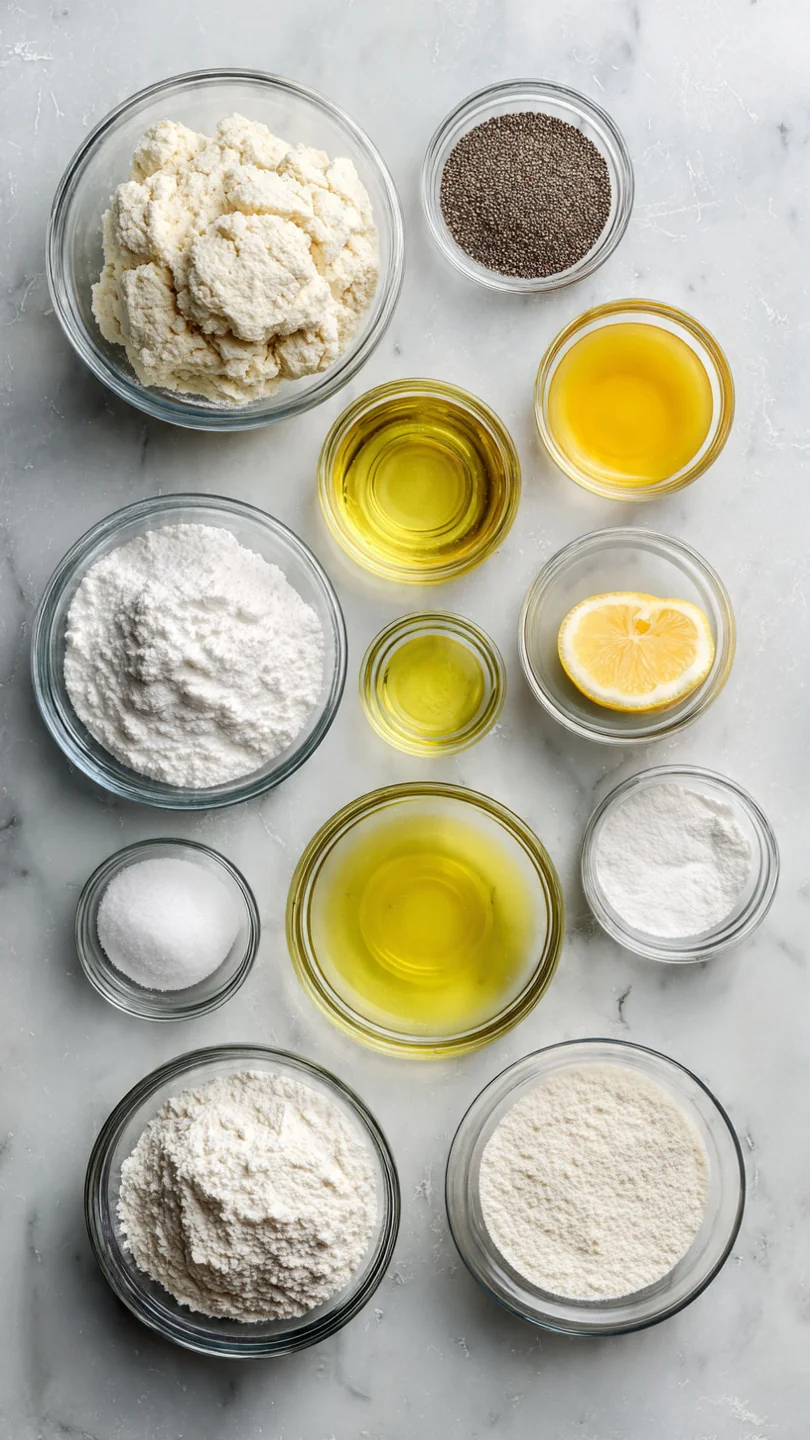
Note: You’ll find the complete list of ingredients, along with their exact measurements, in the printable recipe card at the bottom of this post.
Kitchen Equipment Needed
You don’t need any specialty tools for this recipe. A few basics will get the job done perfectly:
- Large Baking Sheet & Parchment Paper: For easy baking and cleanup. The parchment prevents sticking and promotes even browning.
- Large Mixing Bowl: For combining your dry and wet ingredients.
- Pastry Cutter or Fork: To cut the cold butter into the flour. You can also use your fingertips, but work quickly so the butter doesn’t melt.
- Measuring Cups and Spoons: For accuracy, especially with the baking powder and flour.
- Wire Cooling Rack: Essential for allowing air to circulate around the baked scones so the bottoms don’t get soggy.
- Sharp Knife or Bench Scraper: For cleanly cutting the dough circle into wedges. A bench scraper is also great for lifting and transferring the wedges.
How to Make Lemon Poppy Seed Scones Recipe
Step 1: Combine Dry Ingredients & Cut in Butter
Preheat your oven to 400°F (200°C)—a hot oven is crucial for a good rise. In your large bowl, whisk together the flour, sugar, baking powder, salt, poppy seeds, and that fragrant lemon zest. Now, add your cold, cubed butter.
Using a pastry cutter, cut the butter into the flour until the mixture looks like coarse sand with some pea-sized butter bits remaining. Trust me, these visible butter pieces are your secret weapon for flaky layers. If you use your fingers, work quickly to keep the butter cold.
Step 2: Mix the Wet Ingredients
In a separate bowl or large measuring cup, whisk the cold heavy cream, cold egg, and vanilla extract until they are fully combined. Make a well in the center of your dry, buttery mixture. Pour the wet ingredients into this well.
Now, with a rubber spatula or fork, gently stir everything together. The goal is a shaggy, somewhat crumbly dough. It’s okay if there are a few dry spots at the bottom of the bowl; overmixing is the enemy of tender scones.
Step 3: Shape and Cut the Dough
Lightly flour your countertop. Dump the shaggy dough out and give it a very gentle knead—just 3 or 4 folds—to bring any stray bits into the fold. Pat the dough into a 7-inch circle that’s about 1-inch thick.
This uniform thickness ensures even baking. Take your sharp knife or bench scraper and cut the circle into 8 equal wedges, like you’re cutting a pizza. This is the classic scone shape.
Step 4: Bake to Golden Perfection
Carefully transfer the wedges to your parchment-lined baking sheet, leaving about 2 inches of space between them so they have room to expand. Now, take a pastry brush and lightly brush the tops of each scone with a little extra heavy cream. This simple step gives them a beautiful, golden-brown finish.
Slide the tray into your preheated oven and bake for 16 to 18 minutes. You’ll know they’re done when the tops are set and lightly golden, and the edges look firm. Let them cool on the pan for a minute before moving them to a wire rack.
Step 5: Glaze and Serve
While the scones cool for about 10 minutes (they should still be slightly warm), make the glaze. Whisk the powdered sugar with 2 tablespoons of fresh lemon juice. Tip from me: add the juice gradually.
You want a thick but pourable consistency—add another teaspoon of juice if it’s too thick. Drizzle the glaze liberally over the scones. Let it set for 5 glorious minutes.
Now, pour yourself a cup of tea or coffee, and enjoy the perfect balance of sweet, tangy, and buttery.
A few insights from my years in professional kitchens can make the difference between good scones and great ones.
- The Cold Factor: This is the most important tip. Your butter, cream, and egg should be refrigerator-cold. I even freeze my butter cubes for 10 minutes before starting. Cold fat creates steam in the hot oven, which lifts the layers apart.
- Minimal Handling: Overworking the dough develops gluten in the flour, leading to tough, dense scones. Mix until just combined and knead only enough to bring it together.
- Zest Smartly: When zesting your lemons, only grate the bright yellow outer skin. The white pith underneath is bitter and will negatively affect the flavor of your scones.
- Sharp Cuts: Use a sharp knife or bench scraper to cut your dough circle. A dull tool can press down the edges and inhibit the scone’s ability to rise straight up.
- Don’t Skip the Cream Wash: Brushing the tops with cream before baking isn’t just for color. It also helps create a slightly crisp, flavorful crust that contrasts wonderfully with the tender interior.
Recipe Variations & Customizations
- Once you’ve mastered the basic recipe, feel free to get creative. Here are some tested variations that work beautifully.
- Lemon Blueberry: Gently fold 3/4 cup of fresh or frozen blueberries into the dough at the end of Step 2. If using frozen, do not thaw them first.
- Orange Poppy Seed: Substitute the lemon zest and juice with an equal amount of orange zest and juice for a sweeter, mellower citrus flavor.
- Gluten-Free Adaptation: Replace the all-purpose flour with a 1:1 gluten-free baking blend. The texture will be slightly more crumbly but still delicious.
- Dairy-Free Version: Use a high-fat, cold vegan butter (sticks work best) and replace the heavy cream with full-fat, canned coconut cream. Omit the cream wash.
- Lavender Lemon: Add 1 teaspoon of culinary-grade dried lavender buds to the dry ingredients for a sophisticated floral note that pairs wonderfully with lemon.
- Cream Scone Style: For an even richer, more biscuit-like scone, omit the egg and increase the heavy cream to 3/4 cup.
- Savory Herb & Cheese: Omit the sugar, lemon, and poppy seeds. Add 1 cup of shredded sharp cheddar and 2 tablespoons of chopped fresh chives to the dry ingredients. Perfect with soup!
What to Serve With This Recipe
These lemon poppy seed scones are incredibly versatile. For a classic British afternoon tea, serve them with clotted cream and a good-quality strawberry or raspberry jam. For a simpler breakfast or brunch, a pat of good salted butter is all you need.
They pair wonderfully with a pot of Earl Grey tea, a hot cup of coffee, or a glass of cold milk. Consider them for a bridal or baby shower brunch, a Mother’s Day treat, or as part of a holiday breakfast spread. They also make a wonderfully thoughtful homemade gift when packaged in a pretty box or tin.
Storage & Make-Ahead Instructions
- To enjoy these scones at their absolute best, serve them the day they are made. However, they store well if needed.
- Room Temperature Storage: Once completely cooled, store scones in an airtight container at room temperature for up to 2 days.
- Freezing Unbaked Dough: This is my preferred make-ahead method. After cutting the dough into wedges, place them on a parchment-lined tray and freeze solid. Then, transfer the frozen scones to a freezer bag. You can bake them directly from frozen, adding 2-4 minutes to the baking time.
- Freezing Baked Scones: You can also freeze fully baked and cooled scones. Thaw at room temperature and warm in a 300°F oven for 5-10 minutes to refresh.
- Reheating: To revive day-old scones, warm them in a 300°F (150°C) oven for 5-8 minutes. Avoid the microwave, as it can make them tough and rubbery.
Frequently Asked Questions
Q: Can I use bottled lemon juice instead of fresh for the dough?
A: For the zest in the dough, you must use fresh lemons to get that potent citrus oil. For the glaze, fresh juice is highly recommended for the brightest flavor, but bottled can work in a pinch.
Q: Why are my scones dense and not flaky?
A: This is usually caused by one of three things: the butter was too warm and melted into the flour, the dough was overmixed, or your baking powder is old and lost its potency. Ensure everything is cold and handle the dough minimally.
Q: Can I make the dough the night before?
A: Yes, for a true make-ahead option, you can prepare the dough through Step 3 (shaping and cutting), cover the baking sheet tightly with plastic wrap, and refrigerate overnight. Bake directly from the fridge in the morning, adding a minute or two to the bake time.
Q: My glaze is too runny/thick. How do I fix it?
A: Glaze consistency is easy to adjust. If it’s too runny, whisk in more powdered sugar, a tablespoon at a time. If it’s too thick to drizzle, add more lemon juice, a teaspoon at a time, until it reaches your desired consistency.
Q: Can I use milk instead of heavy cream?
A: I don’t recommend it. Heavy cream has a much higher fat content (36-40%) which is essential for the rich, tender crumb. Using milk will result in a drier, less flavorful scone.
Q: How do I know when the scones are fully baked?
A: They should be lightly golden brown on top. The edges will look set and dry, and if you gently lift one, the bottom should also be golden. A toothpick inserted into the center of a wedge should come out with just a few moist crumbs, not wet batter.
Q: What’s the purpose of poppy seeds? Can I omit them?
A: Poppy seeds add a subtle nutty flavor and a delightful textural crunch. You can absolutely omit them if you prefer for a plain lemon scone, or substitute with an equal amount of sesame seeds.
Final Thoughts
Mastering a perfect scone is a rewarding baking achievement, and this lemon poppy seed version is a fantastic place to start. It combines straightforward technique with a spectacular payoff: a treat that’s simultaneously comforting and elegant. The bright citrus aroma that fills your kitchen is just a bonus.
Remember, the keys are cold ingredients, a light touch, and not being afraid of a shaggy dough. I hope this recipe becomes a cherished part of your baking repertoire, bringing a little sunshine to your table for many brunches and tea times to come. If you give it a try, I’d love to hear how it turned out for you.
Happy baking

Lemon Poppy Seed Scones
Equipment
- Large baking sheet
- Parchment paper
- Large mixing bowl
- Pastry cutter or fork
- Measuring cups and spoons
- Wire cooling rack
- Sharp knife or bench scraper
Ingredients
- 2 cups all-purpose flour spooned and leveled
- 1/3 cup granulated sugar
- 1 tbsp baking powder
- 1/2 tsp fine sea salt
- 2 tbsp poppy seeds
- 1 tbsp lemon zest from about 2 large lemons
- 1/2 cup unsalted butter cold, cut into 1/2-inch cubes
- 1/2 cup heavy cream cold, plus extra for brushing
- 1 large egg cold
- 1 tsp pure vanilla extract
- 1 cup powdered sugar for glaze
- 2-3 tbsp fresh lemon juice for glaze
Instructions
- Preheat your oven to 400°F (200°C) and line a large baking sheet with parchment paper. In a large bowl, whisk together the flour, sugar, baking powder, salt, poppy seeds, and lemon zest. Add the cold, cubed butter. Using a pastry cutter or your fingertips, work the butter into the flour mixture until it resembles coarse crumbs with some pea-sized pieces of butter remaining. This creates the flaky layers.
- In a separate small bowl or measuring cup, whisk together the cold heavy cream, cold egg, and vanilla extract until well combined. Make a well in the center of your dry ingredients and pour the wet mixture in. Using a rubber spatula or fork, gently mix just until a shaggy dough begins to form. Do not overmix.
- Turn the dough out onto a lightly floured surface. Gently knead it 3-4 times, just enough to bring it together into a cohesive ball. Pat the dough into a 7-inch circle that’s about 1-inch thick. Using a sharp knife or bench scraper, cut the circle into 8 equal wedges.
- Place the scone wedges on the prepared baking sheet, spacing them about 2 inches apart. Brush the tops lightly with a little extra heavy cream. This promotes browning. Bake for 16-18 minutes, or until the tops are lightly golden and the edges look set. Transfer to a wire rack to cool for 10 minutes.
- While the scones cool slightly, make the glaze. In a small bowl, whisk the powdered sugar with 2 tablespoons of fresh lemon juice. Add more lemon juice, a teaspoon at a time, until you reach a thick but pourable consistency. Drizzle the glaze generously over the warm scones. Let the glaze set for 5 minutes before serving.