
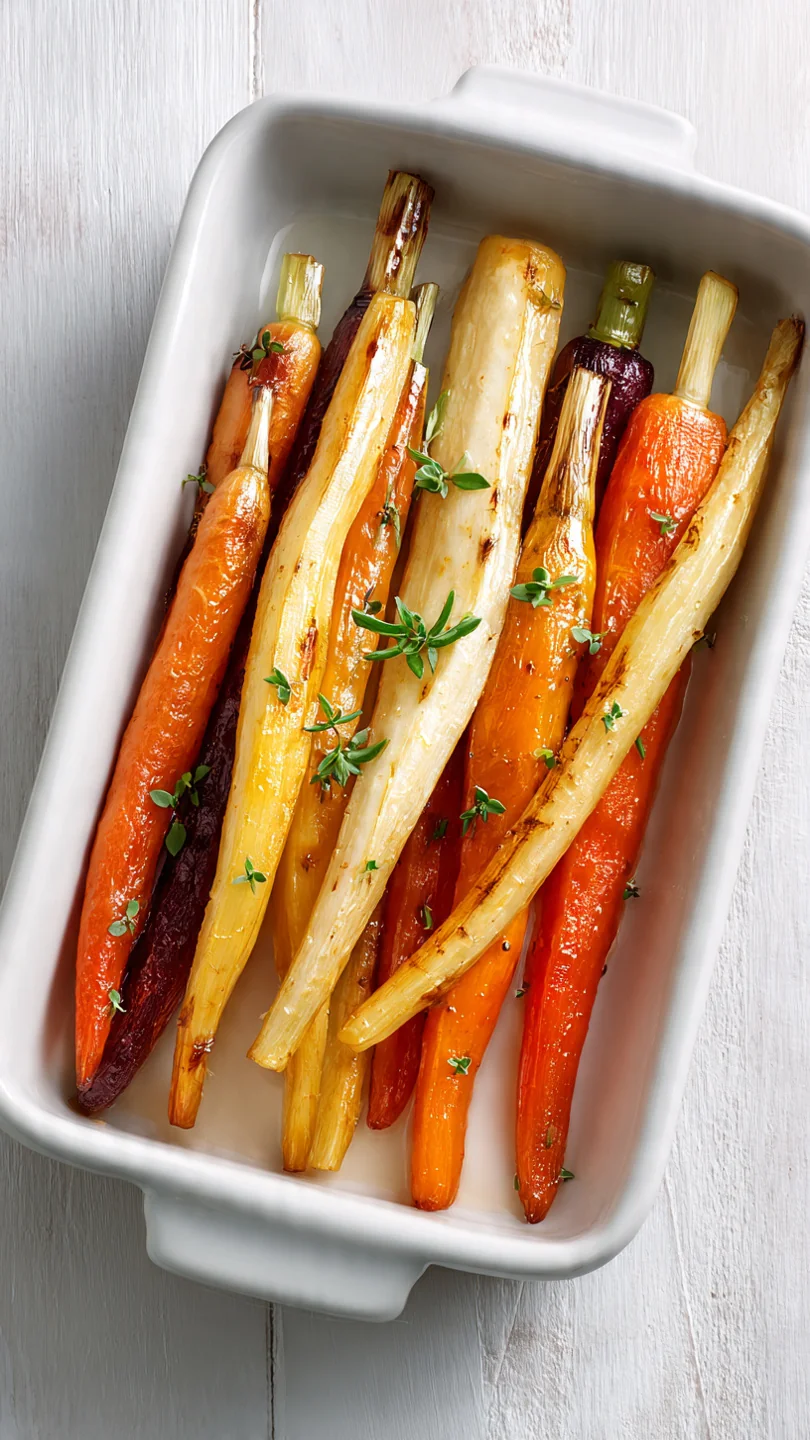
There’s a quiet magic that happens in a hot oven. Humble root vegetables, sliced and tossed with oil, transform into something greater than the sum of their parts. The natural sugars concentrate, edges crisp and caramelize, and earthy flavors deepen into a sweet, savory, and utterly satisfying side dish.
This recipe for roasted carrots and parsnips is my go-to for a reason: it’s unfailingly reliable, endlessly adaptable, and brings a touch of gourmet simplicity to any table. Let’s turn these pantry staples into the star of your meal.
This dish earns its place in your weekly rotation for more than just its delicious taste. Here’s what makes it special:
- Effortless Elegance: With minimal hands-on prep, you get a restaurant-quality side that looks and tastes impressive.
- Customizable Canvas: The basic method is a perfect foundation. Swap herbs, change the sweetener, or add spices to match any main course.
- Meal-Prep Friendly: Roast a double batch on Sunday. They reheat beautifully for quick lunches or easy weeknight sides.
- Diet-Friendly by Nature: This recipe is inherently gluten-free, dairy-free, and can easily be made vegan. It suits almost every eating style.
- Perfect Texture: The high-heat method guarantees tender interiors with those coveted crispy, caramelized edges we all crave.
- Versatile Pairing: It complements everything from a holiday ham to a simple weeknight roast chicken or even a vegetarian grain bowl.
Ingredients You’ll Need
- Let’s gather our ingredients. This recipe is a celebration of simplicity, where a few quality components create deep, complex flavor. The key is choosing fresh, firm carrots and parsnips—their natural sweetness is the foundation of the dish.
- Carrots: Look for medium-thick carrots that are uniform in size for even cutting. I prefer standard orange carrots, but rainbow varieties add beautiful color.
- Parsnips: Choose parsnips that are smooth and firm, not limp or rubbery. If they are very thick, you may want to slice them in half lengthwise and remove the sometimes-woody core before cutting into batons.
- Extra Virgin Olive Oil: A good, fruity olive oil isn’t just for dressing; it helps conduct heat and adds a lovely background flavor that complements the vegetables’ sweetness.
- Pure Maple Syrup: Just a touch enhances the vegetables’ natural caramelization without making the dish cloyingly sweet. Honey is a fine substitute.
- Garlic: Minced fresh garlic infuses the oil and creates a savory base note that balances the sweetness.
- Fresh Thyme: Its earthy, slightly floral notes are a classic pairing with root vegetables. Dried thyme works in a pinch, but fresh is superior.
- Kosher Salt & Black Pepper: Kosher salt adheres better to the vegetable surfaces than fine table salt. Freshly cracked pepper adds a necessary bite.
- Fresh Parsley: The bright, fresh garnish of chopped parsley added after roasting lifts the whole dish and adds a pop of color.
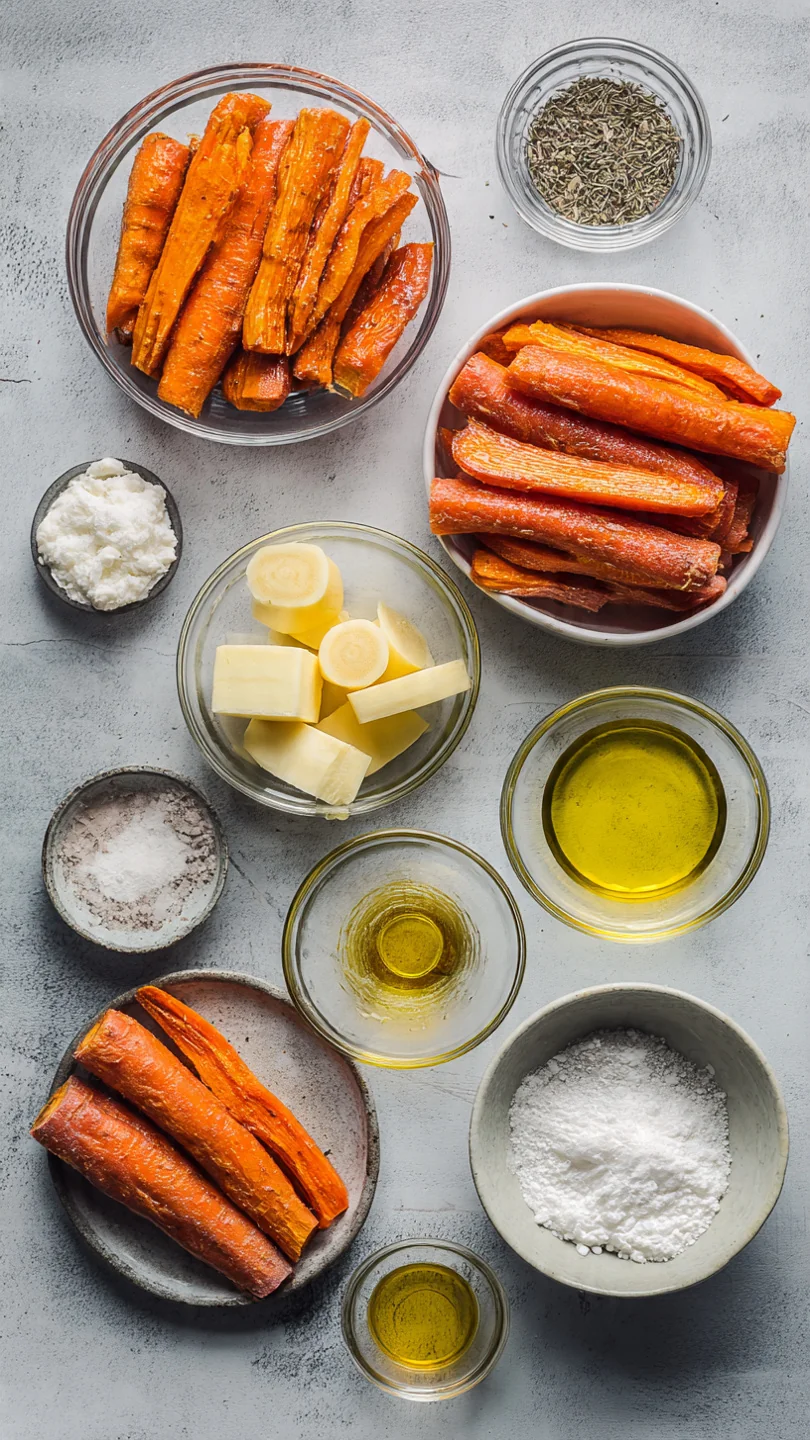
Note: You’ll find the complete list of ingredients, along with their exact measurements, in the printable recipe card at the bottom of this post.
Kitchen Equipment Needed
You likely have everything you need already. This recipe requires no special gadgets, just solid basics.
- Large Rimmed Baking Sheet: Often called a half-sheet pan (approximately 18×13 inches). The rim prevents oil from spilling into your oven, and the large surface area is essential for giving the vegetables space.
- Parchment Paper or Silicone Mat: This isn’t just for easy cleanup; it prevents sticking and ensures those caramelized bits release easily.
- A Large Mixing Bowl: Big enough to toss all the vegetables comfortably with the marinade.
- A Sharp Chef’s Knife: The most important tool. A sharp knife makes prepping the carrots and parsnips into even batons safe and quick.
- Cutting Board: Protect your counters and your knife’s edge.
How to Make Roasted Carrots and Parsnips Recipe
Step 1: Heat the Oven and Prep the Pan
Preheat your oven to a solid 425°F (220°C). This high temperature is your secret weapon—it quickly evaporates surface moisture on the vegetables, allowing them to brown and caramelize instead of steam. While it heats, line your large baking sheet with parchment paper.
Trust me, this simple step saves you from a frustrating scrubbing session later and guarantees nothing sticks.
Step 2: Create the Flavor Base and Coat the Veggies
In your large mixing bowl, whisk together the olive oil, maple syrup, minced garlic, thyme, salt, and pepper. It will form a loose, fragrant emulsion. Add all your carrot and parsnip batons to the bowl.
Now, get your hands in there (or use a large spoon) and toss, toss, toss until every single piece glistens and is evenly coated. Tip from me: taking an extra 60 seconds here is the difference between spotty browning and perfect, all-over color.
Step 3: Arrange for Success
Pour the vegetables onto your prepared baking sheet and spread them out into a single, uncrowded layer. If the pieces are touching or piled, they will steam each other and you’ll miss out on the crispy edges. Give them some breathing room.
If your pan looks too full, it is—use a second sheet. Drizzle any remaining marinade from the bowl over the top.
Step 4: The Roasting Ritual
Slide the pan into the hot oven. Here’s the critical professional tip: do not stir or touch them for the first 20 minutes. This patience allows the surfaces in direct contact with the hot pan to develop a deep, flavorful crust.
After 20 minutes, the vegetables will have started to brown on one side. Use a thin spatula to flip and stir them, then return to the oven for 5-10 more minutes until they are fork-tender and beautifully caramelized at the edges.
Step 5: Finish and Serve with Flair
Remove the pan from the oven. The smell will be incredible. Give them a quick taste and add another small pinch of salt if needed—this brightens all the flavors.
Transfer to a warm serving dish, sprinkle generously with the fresh chopped parsley for a burst of color and freshness, and serve immediately. Step back and admire your gorgeous, simple, and delicious creation.
A few insights from the kitchen can elevate this simple dish from good to exceptional.
- Cut for Consistency: The single most important factor for even cooking is cutting the carrots and parsnips into pieces of similar size and shape. Aim for batons about 2 inches long and 1/2 to 3/4-inch thick.
- Dry Your Veggies: After washing, pat the peeled and cut vegetables very dry with a clean kitchen towel. Excess water creates steam, which is the enemy of crispiness.
- Embrace High Heat: Don’t be tempted to lower the oven temperature, even if you’re roasting something else alongside. 425°F is the sweet spot for caramelization.
- The No-Stir Start: Resisting the urge to stir for the first 20 minutes is a game-changer. It allows for proper Maillard browning (the flavor-producing chemical reaction) on one side.
- Test for Doneness: Doneness is about tenderness, not just color. Pierce a piece of parsnip (which takes slightly longer than carrot) with a fork or the tip of a knife. It should glide in with little resistance.
Recipe Variations
- This recipe is a perfect template. Once you master the basic method, try these delicious twists.
- Spiced Maple Glaze: Add 1/2 teaspoon each of ground cumin and smoked paprika to the oil mixture for a warm, smoky depth.
- Citrus & Herb: Replace the maple syrup with the juice of half an orange and add a tablespoon of chopped fresh rosemary along with the thyme.
- Balsamic & Dijon: Whisk 1 tablespoon of good balsamic vinegar and 1 teaspoon of Dijon mustard into the marinade for a tangy, sophisticated profile.
- Harissa Roasted: Add 1-2 teaspoons of harissa paste to the oil for a North African-inspired spicy kick.
- Parmesan-Herb Crust: In the last 5 minutes of roasting, sprinkle the vegetables with 1/4 cup of finely grated Parmesan cheese and return to the oven until melted and crispy.
- Root Vegetable Medley: Add other root veggies like peeled sweet potato cubes, chopped red onion wedges, or whole peeled shallots to the mix. Adjust roasting time as needed for denser additions.
What to Serve With This Recipe
These roasted vegetables are the ultimate utility player on your dinner table. Their sweet and savory profile makes them incredibly versatile.
For a classic Sunday dinner, pair them with a simple roast chicken or a pork tenderloin with a pan sauce. The vegetables’ sweetness beautifully cuts through rich meats. For a vegetarian feast, serve them atop a bed of creamy polenta or quinoa with a dollop of tangy goat cheese.
They are a non-negotiable, colorful addition to any holiday spread, holding their own next to turkey, ham, or prime rib. For a quick, satisfying bowl, combine leftover roasted carrots and parsnips with mixed greens, farro, and a lemon-tahini dressing. Beverage-wise, a crisp, dry rosé or a pinot noir complements the earthy-sweet flavors perfectly.
Storage & Make-Ahead Instructions
- This dish is excellent for planning ahead, though it’s best served fresh for maximum crispness.
- Refrigeration: Allow leftovers to cool completely, then store in an airtight container in the refrigerator for up to 4 days.
- Reheating Best Practices: To restore some crispness, reheat in a 375°F oven or toaster oven on a baking sheet for 10-15 minutes. The microwave will make them soft (though still tasty) in about 60-90 seconds.
- Freezing: You can freeze roasted carrots and parsnips for up to 2 months. Spread cooled vegetables on a baking sheet to freeze individually, then transfer to a freezer bag. Reheat from frozen in the oven.
- Make-Ahead Strategy: You can peel and cut the vegetables 1-2 days in advance. Store them submerged in water in an airtight container in the fridge to prevent oxidation. Drain and pat very dry before using.
Frequently Asked Questions
Q: Can I use baby carrots instead of whole carrots?
Yes, but be cautious. “Baby-cut” carrots are often thicker in the middle. Halve them lengthwise to create more uniform pieces for even roasting.
True, slender baby carrots can be roasted whole.
Q: My vegetables are burning on the edges before they’re tender inside. What happened?
This usually means your pieces are too small or your oven temperature is too high (or runs hot). Try cutting slightly larger pieces and/or lowering your oven temperature by 25°F next time. An oven thermometer can help you calibrate.
Q: Can I make this recipe without any sweetener?
Absolutely. The vegetables will still caramelize from their own natural sugars. The maple syrup just accelerates and enhances the process.
You may want to add a touch more salt or a splash of vinegar at the end to balance the flavors.
Q: Why remove the core from large parsnips?
Very large, mature parsnips can develop a tough, fibrous core that remains unpleasantly chewy even after roasting. If your parsnip is wider than an inch and a half at the top, it’s a good idea to halve it lengthwise and slice out the darker core.
Q: Is it okay to use dried herbs instead of fresh?
Yes, you can substitute dried thyme for fresh. Use 1/2 teaspoon of dried thyme for every teaspoon of fresh called for. Add it directly to the oil mixture.
Q: Can I add other vegetables to the same pan?
You can, but choose wisely. Quick-cooking veggies like broccoli or zucchini will burn at this high heat and duration. Stick with other dense root vegetables (turnips, rutabaga, potatoes) and cut them to a similar size.
Q: How do I prevent the garlic from burning?
Mincing it finely and mixing it into the oil helps. The oil and vegetable juices protect it from direct, scorching heat. If you’re concerned, you can add whole, unpeeled garlic cloves to the pan—they will roast and become sweet and spreadable.
Final Thoughts
In a world of complicated recipes, sometimes the greatest satisfaction comes from mastering the simple things. Perfectly roasted carrots and parsnips are a foundational skill that will serve you for years—a dependable, healthy, and truly delicious side that never fails to please. It’s a lesson in how heat, time, and a few good ingredients can create something wonderful.
I hope this recipe becomes a trusted favorite in your kitchen, as it is in mine.
Give it a try this week. Play with the variations, pair it with your favorite protein, and enjoy the process. I’d love to hear how it turns out for you!
Leave a comment or rating below, and if you share your creation on social media, be sure to tag me. Happy roasting
Perfect Roasted Carrots and Parsnips
Equipment
- Large rimmed baking sheet (half-sheet pan)
- Parchment paper or silicone baking mat
- Large mixing bowl
- Sharp chef’s knife and cutting board
- Microplane or garlic press (optional, for mincing garlic)
Ingredients
- 1.5 lb carrots peeled, cut into 2-inch batons of similar thickness
- 1.5 lb parsnips peeled, woody core removed if large, cut into 2-inch batons
- 3 tbsp extra virgin olive oil high-quality for best flavor
- 2 tbsp pure maple syrup or honey
- 4 cloves garlic minced
- 1 tsp fresh thyme leaves or 1/2 tsp dried thyme
- 1 tsp kosher salt plus more to taste
- 1/2 tsp freshly ground black pepper
- 1 tbsp fresh parsley chopped, for garnish
Instructions
- Preheat your oven to 425°F (220°C). This high heat is crucial for achieving caramelization without steaming the vegetables. While it heats, prepare a large rimmed baking sheet by lining it with parchment paper for easy cleanup.
- In a large mixing bowl, whisk together the olive oil, maple syrup, minced garlic, thyme, salt, and pepper. Add the carrot and parsnip batons to the bowl. Using your hands or a large spoon, toss everything together until every piece is evenly and thoroughly coated. Believe me, taking an extra minute here ensures even browning and flavor distribution.
- Arrange the coated vegetables in a single, uncrowded layer on your prepared baking sheet. This is non-negotiable for proper roasting—if they’re piled on top of each other, they’ll steam and become soggy. Drizzle any remaining marinade from the bowl over the top.
- Roast in the preheated oven for 25-30 minutes. Do not stir for the first 20 minutes! This allows the surfaces in contact with the hot pan to develop a beautiful, caramelized crust. After 20 minutes, use a spatula to flip and stir the vegetables, then roast for another 5-10 minutes until tender and deeply golden brown at the edges.
- Remove the baking sheet from the oven. Taste and adjust seasoning with an extra pinch of salt if needed. Transfer to a serving platter, garnish generously with fresh chopped parsley, and serve immediately while hot and crispy.