
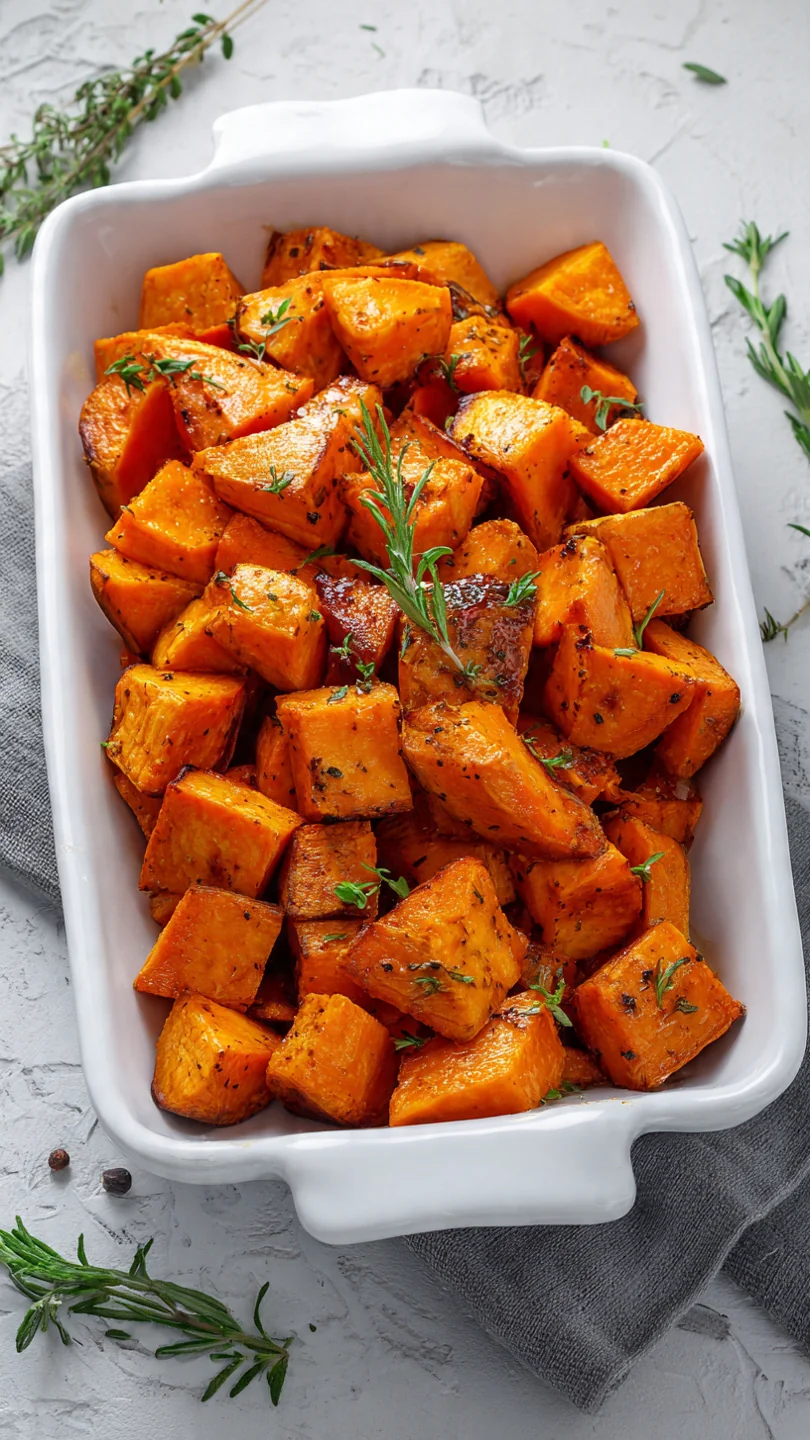
There’s something deeply satisfying about a tray of perfectly roasted sweet potatoes. The way the high heat coaxes out their natural sugars, creating crispy, caramelized edges that give way to a creamy, tender center. It’s a side dish that feels both nourishing and indulgent, and it’s one I’ve made countless times in professional kitchens and at home.
Yet, I’ve seen so many versions turn out soggy or unevenly cooked. After years of testing, I’ve honed a foolproof method that delivers restaurant-quality results with minimal effort. This recipe is about mastering a few simple techniques—the right cut, the right temperature, and the right patience—to transform a humble tuber into the star of your plate.
- Consistently Perfect Results: This method, tested over dozens of batches, guarantees crispy edges and fluffy interiors every single time.
- Minimal Hands-On Time: With just 10 minutes of active prep, the oven does the heavy lifting, freeing you up to prepare the rest of your meal.
- Incredibly Versatile: These potatoes are a blank canvas. Enjoy them as-is, or use the variations below to match any cuisine or craving.
- Meal-Prep Friendly: They reheat beautifully and can be used throughout the week in bowls, salads, or as a quick side.
- Naturally Wholesome: Packed with vitamins and fiber, this is a side dish you can feel great about serving.
- Crowd-Pleasing: Their sweet, savory flavor appeals to both kids and adults, making them a guaranteed hit at any table.
Ingredients You’ll Need
Let’s gather our ingredients—this short list of pantry staples is all you need to create something truly special. The magic lies in the quality and treatment of these simple components.
- Sweet Potatoes: About 2-3 medium potatoes, roughly 2 pounds. Look for firm potatoes with smooth, unblemished skin. I don’t peel them; the skin adds a lovely texture and extra nutrients. The variety (Garnet, Jewel, Hannah) will slightly alter the sweetness and texture, but all work wonderfully.
- Olive Oil: Two tablespoons of a good, neutral-tasting olive oil or avocado oil. The oil is non-negotiable—it conducts heat, promotes browning, and prevents sticking. Avoid using butter at this stage, as it can burn at the high roasting temperature.
- Kosher Salt: One teaspoon. I prefer kosher salt for its clean flavor and ease of dispersing. It draws out moisture to aid in crisping and balances the potatoes’ natural sweetness.
- Black Pepper: Freshly ground pepper adds a subtle, aromatic heat that complements the sweetness perfectly.
- Garlic Powder & Smoked Paprika (Optional): These are my go-to additions for depth and a hint of smokiness. Garlic powder won’t burn like fresh garlic, and smoked paprika adds a complex flavor without heat.
- Fresh Herbs: A tablespoon of chopped rosemary, thyme, or parsley for garnish. Adding them after roasting preserves their bright, fresh flavor and vibrant color.
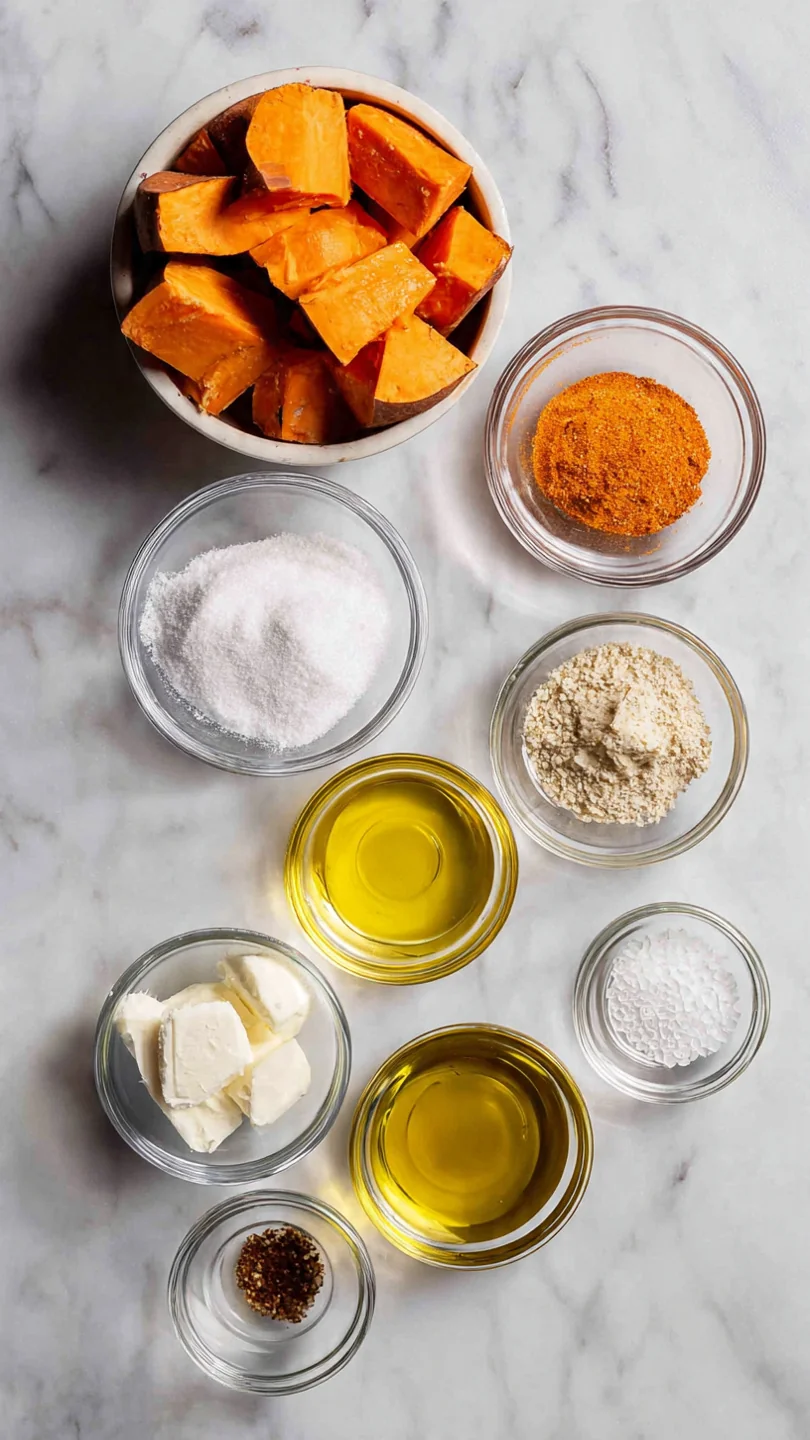
Note: You’ll find the complete list of ingredients, along with their exact measurements, in the printable recipe card at the bottom of this post.
Kitchen Equipment Needed
You likely have everything you need already. The right tools simply make the process smoother and the results more consistent.
- Large Rimmed Baking Sheet: Often called a half-sheet pan (approximately 18×13 inches). The rim prevents spills, and the large surface area is critical for allowing space between the potato cubes. Crowding is the enemy of crispiness.
- Sharp Chef’s Knife: A sharp knife makes cubing the dense sweet potatoes safe and easy, ensuring uniform pieces for even cooking.
- Cutting Board: A stable surface for prepping.
- Large Mixing Bowl: For tossing the potatoes with oil and seasonings to ensure every cube is evenly coated.
- Spatula: A sturdy flat spatula is ideal for flipping and stirring the potatoes halfway through roasting without breaking them up.
How to Make Roasted Sweet Potatoes Recipe
Step 1: Heat Your Oven Strategically
Preheat your oven to a solid 425°F (220°C) and position a rack in the center. This high temperature is the first secret. It provides the intense, direct heat needed to quickly evaporate surface moisture and kickstart the Maillard reaction—that beautiful chemical process responsible for browning and complex flavor.
A properly preheated oven is non-negotiable for the texture we want.
Step 2: Cut for Consistency, Not Speed
Scrub your sweet potatoes thoroughly under running water to remove any dirt, then pat them completely dry with a kitchen towel. Believe me, starting with dry potatoes is a small step with a big impact. Using a sharp knife, cut them into 3/4-inch cubes.
This uniform size is the most important factor for even cooking. Smaller pieces will burn; larger ones won’t crisp up properly.
Step 3: Season with Purpose
Place your uniform cubes in a large, dry mixing bowl. Drizzle with the oil and sprinkle with the salt, pepper, and any optional spices you’re using. Now, use your hands or a large spoon to toss, toss, and toss some more.
Tip from me: you want to see a sheen on every single surface. This even coating ensures maximum contact with the hot pan and promotes all-over caramelization.
Step 4: The Undisturbed Roast
Pour the potatoes onto your baking sheet and spread them into a single, uncrowded layer. If they’re piled on top of each other, they’ll steam. If your pan is small, use two.
Slide the pan onto the center rack and set your timer for 20 minutes. Here’s where you must practice restraint—do not open the oven door. This undisturbed time allows a proper crust to form.
Step 5: Flip for All-Around Perfection
After 20 minutes, the bottoms should be showing spots of golden brown. Carefully remove the pan and use your spatula to flip and stir the potatoes, moving the ones from the edges (which cook faster) toward the center. This ensures even coloring.
Return the pan to the oven for the final 12-15 minutes of roasting.
Step 6: Garnish and Serve Immediately
Your potatoes are done when they are fork-tender and boast deep, caramelized edges. Some darker spots are a sign of good flavor! Transfer them to a serving bowl.
Taste and add another tiny pinch of salt if needed—this brightens all the flavors. Finally, scatter over your fresh herbs. Serve them right away while they’re hot, crispy, and at their absolute best.
- The Dry Start: Always pat your cubed potatoes dry with a towel after washing. Any excess water will create steam on the pan, hindering the crisping process.
- Space is Non-Negotiable: Give each cube some room. If they’re touching, they steam. If they’re crowded, they steam. Use two pans if necessary. This is the single biggest factor in achieving a crispy exterior.
- Resist the Urge to Stir Early: That initial 20-minute roast without disturbance is critical for developing a flavorful crust. Peeking lets the heat out and interrupts the browning.
- Test for Doneness: Don’t just rely on the timer. The potatoes are done when a fork or paring knife slides into the center of a cube with no resistance. The edges should be visibly caramelized and slightly shrunken.
- Acid at the End: For a fantastic flavor pop, finish the roasted potatoes with a light drizzle of balsamic glaze or a squeeze of fresh lime juice just before serving. The acidity cuts through the richness.
Recipe Variations
- Sweet & Savory Maple Rosemary: Toss the roasted potatoes with 1 tablespoon of pure maple syrup and 1 teaspoon of chopped fresh rosemary in the last 5 minutes of cooking.
- Spicy Chipotle-Lime: Add 1 teaspoon of chipotle powder to the initial seasoning. After roasting, toss with the zest and juice of one lime.
- Harissa & Honey: Mix 1 tablespoon of harissa paste with the olive oil before coating. After roasting, drizzle with 1 teaspoon of honey.
- Everything Bagel Seasoning: Skip the paprika and garlic powder. After roasting, while still hot, toss with a generous sprinkle of everything bagel seasoning.
- Vegan Parmesan Herb: After roasting, toss with 2 tablespoons of nutritional yeast and 1 tablespoon of chopped fresh parsley for a cheesy, umami flavor.
- Breakfast Hash Style: In the last 10 minutes of roasting, add a diced bell pepper and a small diced red onion to the pan. Serve with a fried egg on top.
What to Serve With This Recipe
These roasted sweet potatoes are the ultimate utility player. For a simple weeknight meal, pair them with a simply roasted chicken breast or a pan-seared pork chop. They are a fantastic component in nourishing bowls—layer them over quinoa with black beans, avocado, and a creamy cilantro sauce.
For a hearty vegetarian dinner, serve them alongside a lentil loaf or stuffed portobello mushrooms. They also make a brilliant holiday side, holding their own next to roast turkey or glazed ham. Even for breakfast, consider them a superior home fry alternative alongside scrambled eggs.
Storage & Make-Ahead Instructions
- Refrigerator Storage: Allow leftovers to cool completely, then transfer to an airtight container. They will keep in the refrigerator for up to 4 days.
- Freezing: Spread cooled potatoes in a single layer on a parchment-lined sheet to freeze solid, then transfer to a freezer bag. They can be frozen for up to 2 months. Note: the texture will be softer upon reheating.
- Best Reheating Methods: To restore crispiness, reheat in a 400°F oven or toaster oven on a sheet pan for 10-15 minutes. The air fryer is also excellent for 3-5 minutes at 375°F. Avoid the microwave, as it will make them soft and soggy.
- Make-Ahead Strategy: You can cube the sweet potatoes 1 day in advance. Store them submerged in cold water in the refrigerator to prevent oxidation (browning). Drain and pat very dry before proceeding with the recipe.
Frequently Asked Questions
Q: Why are my roasted sweet potatoes soggy?
A: Sogginess is typically caused by three things: overcrowding the pan (which steams them), not using a hot enough oven, or not patting the cubes dry before adding oil. Ensure they are in a single layer with space between and your oven is fully preheated to 425°F.
Q: Can I use different types of oil?
A: Absolutely. Avocado oil is my second choice for its high smoke point. Melted coconut oil will add a subtle sweetness.
Avoid extra-virgin olive oil if it has a low smoke point, as it can smoke at 425°F.
Q: Do I have to peel the sweet potatoes?
A: No, and I recommend you don’t! The skin adds great texture, nutrients, and fiber. Just be sure to scrub them very well before cutting.
Q: How do I know when they are done roasting?
A: They should be easily pierced with a fork or knife all the way through, and the edges should be caramelized with some darker brown spots. The cubes will also look slightly shrunken.
Q: Can I roast other vegetables with them?
A: Yes, but choose vegetables with similar density and cooking times. Butternut squash or carrots work well. Add quicker-cooking veggies like broccoli or bell peppers during the last 10-15 minutes.
Q: My spices are burning before the potatoes are done. What happened?
A: This can happen if you use ground spices with very fine particles. To prevent it, toss the potatoes with oil first, then add the spices and toss again. The oil coating helps protect the spices from direct heat.
Q: Are sweet potatoes and yams the same thing for this recipe?
A: In most US supermarkets, what are labeled “yams” are actually a variety of sweet potato (like Garnet). Both will work beautifully in this recipe, though true yams (common in African and Caribbean cuisines) are starchier and would require a longer cook time.
Final Thoughts
Mastering roasted sweet potatoes is one of those foundational kitchen skills that pays dividends for years. It’s a recipe that embodies my cooking philosophy: a few quality ingredients, treated with respect and a solid technique, can yield something extraordinary. This method gives you a reliable, versatile, and deeply flavorful side dish that can adapt to countless meals.
I encourage you to try the basic version first, then play with the variations to make it your own. Once you experience that perfect bite—crispy, caramelized edge giving way to a cloud-like center—you’ll understand why this humble dish deserves a permanent spot in your rotation. I’d love to hear how yours turns out.
Share your creations and any new flavor combinations you discover
Perfect Roasted Sweet Potatoes
Equipment
- Large rimmed baking sheet (half-sheet pan)
- Sharp chef’s knife
- Cutting board
- Large mixing bowl
Ingredients
- 2 pounds sweet potatoes about 2-3 medium, scrubbed clean
- 2 tablespoons olive oil or avocado oil
- 1 teaspoon kosher salt plus more to taste
- 1/2 teaspoon black pepper freshly ground
- 1/2 teaspoon garlic powder optional
- 1/2 teaspoon smoked paprika optional, for depth
- 1 tablespoon fresh herbs such as rosemary or thyme, chopped (for garnish)
Instructions
- Preheat your oven to 425°F (220°C). Position one rack in the center. This high, consistent heat is crucial for caramelization without steaming the potatoes.
- Scrub the sweet potatoes clean and pat them completely dry. Do not peel them—the skin adds texture and nutrients. Cut them into 3/4-inch cubes. Trust me, uniform size is the secret to even cooking.
- Place the cubed potatoes in a large bowl. Drizzle with oil and sprinkle with salt, pepper, and any optional spices. Toss thoroughly until every piece is evenly coated. This ensures maximum crispiness.
- Spread the potatoes in a single layer on a large, rimmed baking sheet. Use two sheets if crowded. Roast on the center rack for 20 minutes, undisturbed, to let them start browning.
- Remove the pan and use a spatula to flip and stir the potatoes. Return to the oven and roast for another 12-15 minutes, until deeply golden brown, crispy on the edges, and fork-tender.
- Transfer the roasted sweet potatoes to a serving bowl. Taste and adjust seasoning with a pinch more salt if needed. Garnish with fresh herbs and serve immediately while hot and crispy.