
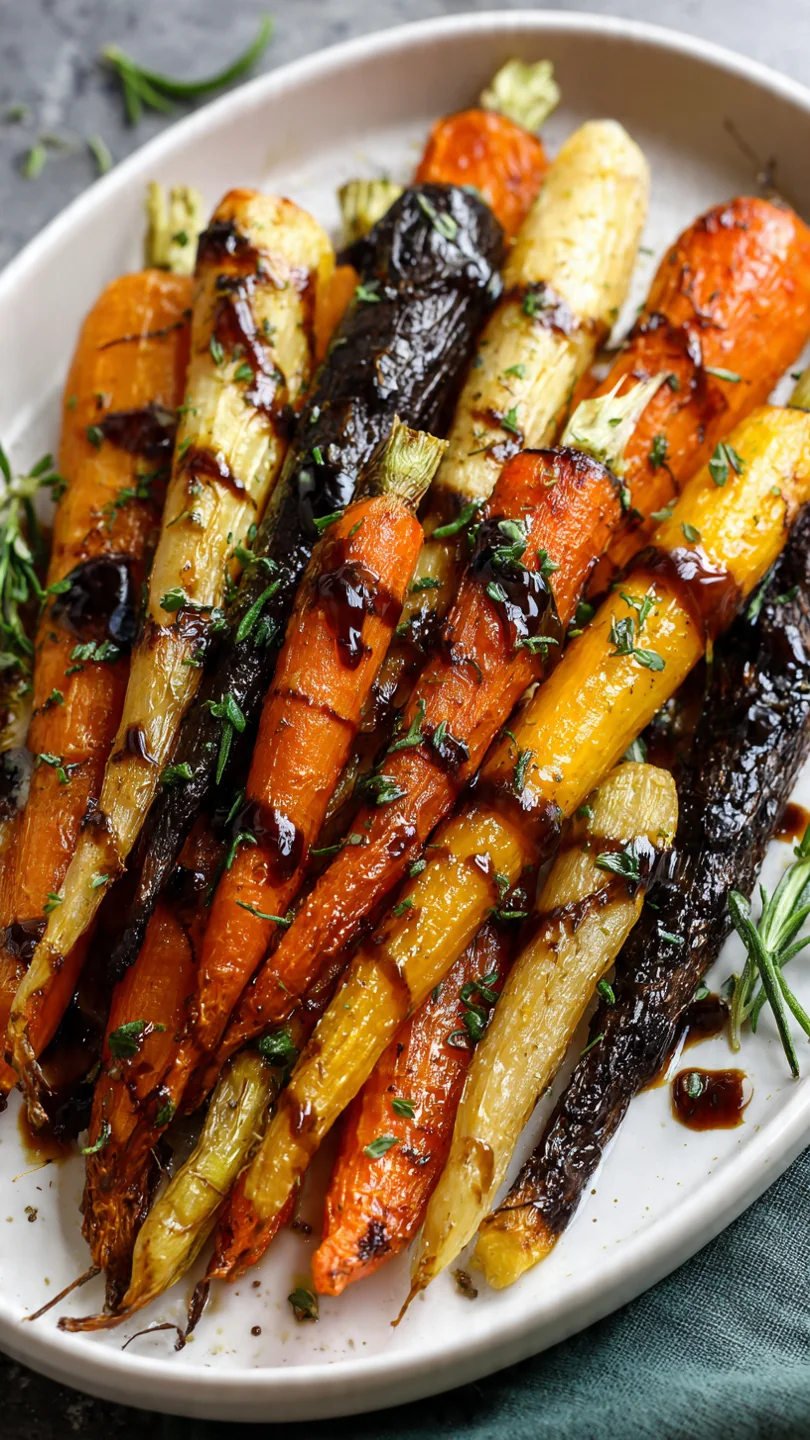
There’s a moment in every cook’s journey when a simple vegetable transforms into something magical. For me, it was the first time I pulled a tray of humble carrots and parsnips from a professional kitchen oven, their edges caramelized and glistening with a sweet-savory glaze. The aroma of roasted garlic, maple, and thyme filled the air, promising a side dish that could steal the show.
This recipe is that moment captured—a testament to how high-heat roasting and a thoughtfully balanced glaze can elevate basic roots into a dish with complex flavor, beautiful texture, and undeniable elegance. It’s the side you’ll find yourself making for a Tuesday dinner just as eagerly as for a holiday feast.
- Restaurant-Quality at Home: This recipe uses the professional technique of two-stage roasting to achieve deep caramelization and a perfectly sticky glaze without burning.
- Minimal Hands-On Time: After a quick chop and mix, the oven does most of the work, freeing you up to prepare the rest of your meal.
- Sweet & Savory Harmony: The glaze isn’t just sweet; the Dijon mustard and garlic add a savory, tangy depth that makes every bite interesting.
- Naturally Gluten-Free & Vegetarian: It’s an inclusive side dish that fits many dietary needs without any special adjustments.
- Meal-Prep Friendly: These vegetables reheat beautifully, making them a fantastic make-ahead option for busy weeks.
- Visually Stunning: The golden-orange carrots and creamy parsnips with a glossy sheen make for a beautiful, colorful addition to any table.
Ingredients You’ll Need
Let’s gather our ingredients—this is where simple pantry staples come together to create something truly special. The magic lies in the quality and balance. For the vegetables, look for firm, smooth carrots and parsnips without soft spots; their natural sugars are the foundation of our caramelization.
Pure maple syrup is non-negotiable—its complex flavor and proper viscosity create the glaze, while pancake syrup will yield a thin, overly sweet, and artificial-tasting result. A good Dijon mustard provides the necessary acidic counterpoint and helps emulsify the glaze. Fresh thyme offers an aromatic, earthy note that dried thyme simply can’t match.
If you only have dried, use one-third the amount.
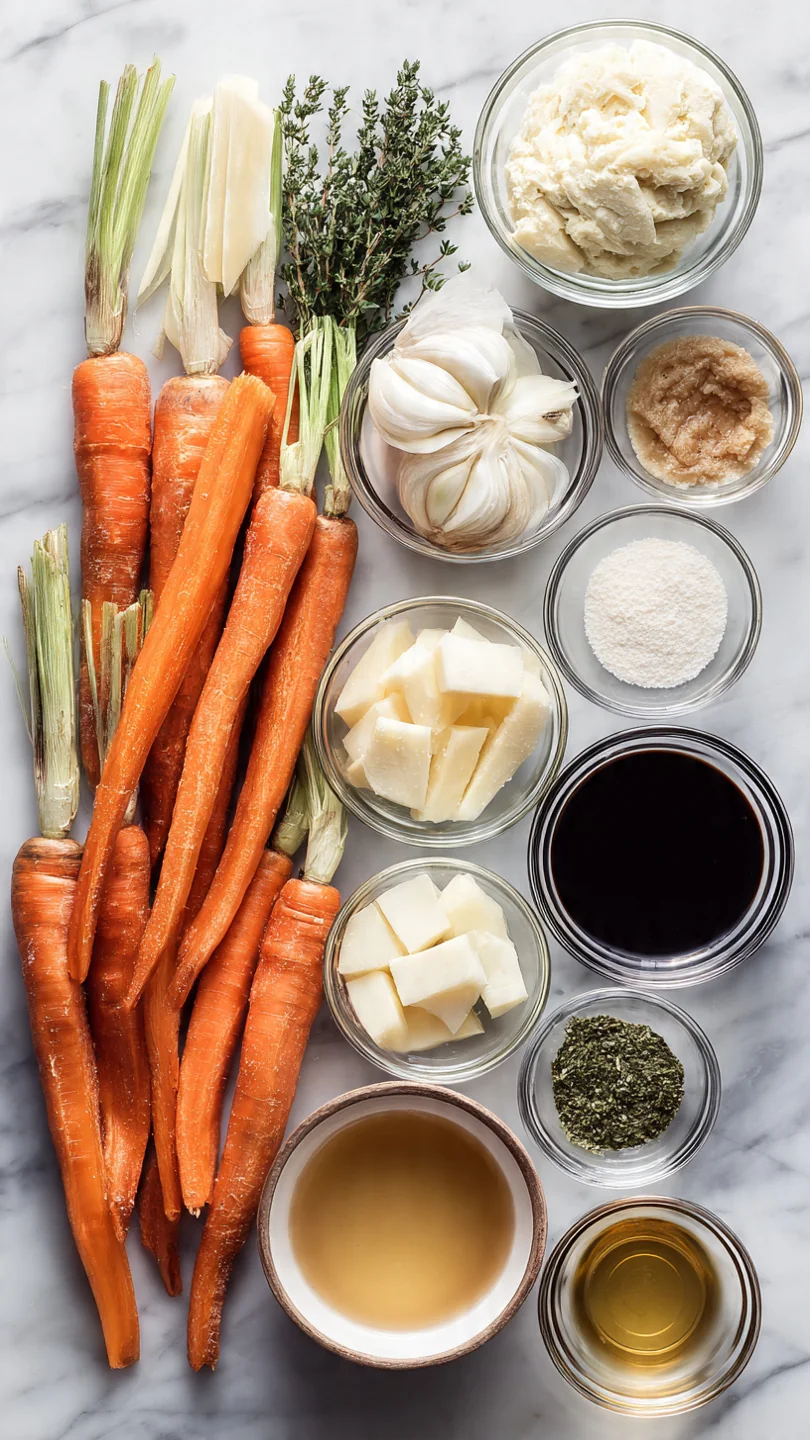
Note: You’ll find the complete list of ingredients, along with their exact measurements, in the printable recipe card at the bottom of this post.
Kitchen Equipment Needed
You likely have everything you need already. The essential tool is a large, rimmed baking sheet (often called a half-sheet pan). Its large surface area is critical for allowing space between the vegetable pieces, which ensures they roast instead of steam.
A good sharp chef’s knife will make prepping the root vegetables safe and easy. You’ll also need a small mixing bowl and whisk for the glaze, and a spatula or tongs for tossing. Parchment paper is optional but can make cleanup even easier.
How to Make Sweet & Savory Roasted Carrots And Parsnips Recipe
Step 1: Prep and Season the Vegetables
Preheat your oven to 425°F (220°C). This high temperature is key for driving off moisture and kickstarting the Maillard reaction—the chemical process that creates those delicious browned, complex flavors. On your large baking sheet, toss the carrot and parsnip sticks with olive oil, salt, and pepper.
Arrange them in a single, uncrowded layer. Believe me, giving them space is the single most important factor for achieving roasted, not steamed, vegetables.
Step 2: The Initial Roast
Slide the baking sheet into the hot oven and set a timer for 20 minutes. Don’t peek or stir yet. This undisturbed time allows the vegetables to begin browning on the bottom and their surfaces to dry out slightly.
This step is crucial because if we add the wet glaze now, the vegetables would steam. We want that dry heat to work its magic first.
Step 3: Whisk Together the Glaze
While the vegetables roast, make your glaze. In a small bowl, whisk the maple syrup, Dijon mustard, melted butter, and minced garlic until it’s completely smooth and emulsified. The mustard acts as an emulsifier, helping the butter and syrup blend seamlessly.
This glossy mixture is packed with flavor and will coat every nook and cranny of the vegetables.
Step 4: Glaze and Finish Roasting
When the timer goes off, carefully pull the baking sheet from the oven. The vegetables should be just starting to brown at the edges. Now, pour the glaze evenly over them.
Using your spatula or tongs, toss everything thoroughly until each piece is well-coated. Spread them back into a single layer and return the pan to the oven for the final 10-15 minutes of roasting.
Step 5: Garnish and Serve
Roast until the vegetables are fork-tender and the glaze has thickened, bubbling and caramelizing around the edges. The maple syrup will darken—watch closely to prevent burning. Remove from the oven and immediately sprinkle with fresh thyme leaves, giving everything one final gentle toss.
Tip from me: a light sprinkle of flaky sea salt at this stage elevates all the flavors. Transfer to a serving dish, garnish with extra thyme sprigs, and serve warm.
- Cut for Success: Aim for uniform thickness (about 1/2-inch thick). If your parsnips have very large, woody cores, you can trim them out after cutting the sticks.
- The Single Layer Rule: This cannot be overstated. If the pan is crowded, the vegetables will release steam and braise in their own liquid, resulting in a soggy texture. Use two pans if necessary.
- Temperature is Key: Ensure your oven is fully preheated. A hot oven immediately sears the exterior, locking in flavor and creating a caramelized crust.
- Don’t Skip the Mid-Roast Glaze: Adding the glaze halfway through cooking prevents the sugars from burning and allows the vegetables to develop initial color and texture.
- The Fresh Herb Finish: Adding the delicate thyme leaves after roasting preserves their bright, aromatic flavor, which would be lost if added before.
Recipe Variations
- Herb Swap: For a different profile, substitute the thyme with chopped fresh rosemary or sage. Add rosemary at the beginning with the oil; add sage in the last 5 minutes of roasting.
- Spicy Maple Glaze: Add 1/4 to 1/2 teaspoon of crushed red pepper flakes or a pinch of cayenne to the glaze mixture for a gentle, warming heat.
- Citrus Brightness: Add the zest of one orange to the glaze. The citrus oils cut through the sweetness beautifully and add a fantastic aroma.
- Balsamic Twist: Replace 1 tablespoon of the maple syrup with good quality balsamic vinegar for a deeper, more complex sweet-tart flavor.
- Vegan/Dairy-Free: Simply substitute the butter with an additional tablespoon of olive oil. The glaze will be slightly less rich but still delicious.
- Root Vegetable Medley: Incorporate other roots like peeled and cubed sweet potato, turnip, or rutabaga. Adjust cutting size for even cooking.
What to Serve With This Recipe
These glazed carrots and parsnips are an incredibly versatile side. They are a natural, elegant partner for roasted or grilled proteins like herb-crusted pork tenderloin, roasted chicken, pan-seared salmon, or a simple steak. For a vegetarian feast, they pair wonderfully with a creamy lentil loaf or a hearty mushroom Wellington.
During the holidays, they are a stunning and flavorful alternative to traditional candied yams or sweet potato casserole, complementing turkey or ham perfectly. For a complete weeknight meal, serve them alongside a simple green salad and some crusty bread to soak up any extra glaze.
Storage & Make-Ahead Instructions
- Refrigeration: Store leftovers in an airtight container in the refrigerator for up to 4 days. The glaze will solidify when cold but will loosen upon reheating.
- Reheating: For best results, reheat in a 350°F oven on a baking sheet for 10-15 minutes until warmed through. You can also reheat in a skillet over medium heat, which helps re-crisp the edges. Microwave reheating is quick but will soften the texture.
- Make-Ahead: You can peel and cut the carrots and parsnips 1-2 days in advance. Store them submerged in water in an airtight container in the refrigerator to prevent oxidation. Drain and pat very dry before roasting. The glaze can also be whisked together and refrigerated separately a day ahead.
Frequently Asked Questions
Q: Can I use baby carrots instead of whole carrots?
A: You can, but be aware that pre-peeled “baby carrots” are often more hydrated. Pat them very dry and expect a slightly softer texture. True, whole baby carrots with tops are a great choice—just trim the greens.
Q: My glaze burned at the edges. What happened?
A: This usually means your oven temperature is running hot, the vegetables were cut too small, or they were roasted on the top rack. Use an oven thermometer, cut vegetables to the recommended size, and roast in the center of the oven.
Q: Can I make this recipe vegan?
A: Absolutely. Replace the butter with an equal amount of olive oil or a plant-based butter alternative. Ensure your Dijon mustard is vegan (most are).
Q: Why are my vegetables soggy instead of caramelized?
A: The most common culprits are overcrowding the pan, not preheating the oven, or using vegetables that weren’t patted dry after washing. Always ensure a single layer and a hot oven.
Q: Can I freeze the leftovers?
A: I don’t recommend it. The texture of the roasted vegetables becomes unpleasantly mushy and watery upon thawing and reheating.
Q: What can I use instead of parsnips?
A: If you can’t find parsnips, use all carrots, or substitute with an equal amount of peeled and cubed butternut squash or more carrots.
Q: Is Dijon mustard essential?
A: It provides important tang and helps bind the glaze. In a pinch, you can use whole grain mustard or 1 tablespoon of apple cider vinegar mixed with 1 teaspoon of prepared yellow mustard.
Final Thoughts
This recipe for Sweet & Savory Roasted Carrots and Parsnips is a perfect example of how a few thoughtful techniques can transform everyday ingredients. It celebrates the natural sweetness of root vegetables while balancing it with savory, tangy, and aromatic notes for a side dish that feels both comforting and sophisticated. Whether you’re looking to impress guests or simply treat your family to a vegetable dish they’ll actually crave, this recipe delivers.
It’s a testament to my belief that the best recipes are often the simplest, provided they are executed with care. I hope it becomes a trusted staple in your kitchen, bringing warmth and delicious flavor to your table for many meals to come. If you make it, I’d love to hear how it turned out—tag me on social media or leave a comment below!
Sweet & Savory Roasted Carrots And Parsnips With Maple Glaze
Equipment
- Large rimmed baking sheet (half-sheet pan)
- Sharp chef’s knife and cutting board
- Small mixing bowl and whisk
- Spatula or kitchen tongs
Ingredients
- 1.5 lb carrots peeled, cut into 3-inch long sticks (about 1/2-inch thick)
- 1.5 lb parsnips peeled, cut into 3-inch long sticks (about 1/2-inch thick)
- 3 tbsp olive oil extra virgin
- 1 tsp kosher salt plus more to taste
- 1/2 tsp black pepper freshly ground
- 1/4 cup pure maple syrup not pancake syrup
- 2 tbsp Dijon mustard or whole grain mustard
- 2 tbsp unsalted butter melted
- 3 cloves garlic minced
- 1 tbsp fresh thyme leaves plus extra sprigs for garnish
Instructions
- Preheat your oven to 425°F (220°C). On a large, rimmed baking sheet, toss the carrot and parsnip sticks with the olive oil, 1 tsp kosher salt, and black pepper. Arrange them in a single layer—this is crucial for proper roasting, not steaming. Trust me, crowding the pan is the #1 mistake here.
- Roast the vegetables for 20 minutes. You don’t need to touch them yet. This initial roast allows the high, dry heat to begin caramelizing the natural sugars and driving off moisture, which is the key to that deep, roasted flavor we’re after.
- While the vegetables roast, make the glaze. In a small bowl, whisk together the maple syrup, Dijon mustard, melted butter, and minced garlic until completely smooth. This combination creates a perfect balance of sweet, tangy, and savory that will cling beautifully to the vegetables.
- After 20 minutes, remove the baking sheet from the oven. Carefully pour the maple glaze mixture over the partially roasted vegetables. Using a spatula or tongs, toss everything thoroughly to coat. Spread back into a single layer and return to the oven.
- Roast for another 10-15 minutes, or until the vegetables are tender when pierced with a fork and the glaze has thickened and caramelized around the edges. The high sugar content in the maple syrup means it can burn, so keep an eye on it during these final minutes.
- Remove from the oven and immediately sprinkle with the fresh thyme leaves. Toss once more, then taste and adjust seasoning with an extra pinch of salt if needed. Tip from me: a final hit of flaky sea salt right before serving makes the flavors pop. Transfer to a serving platter, garnish with thyme sprigs, and serve warm.