
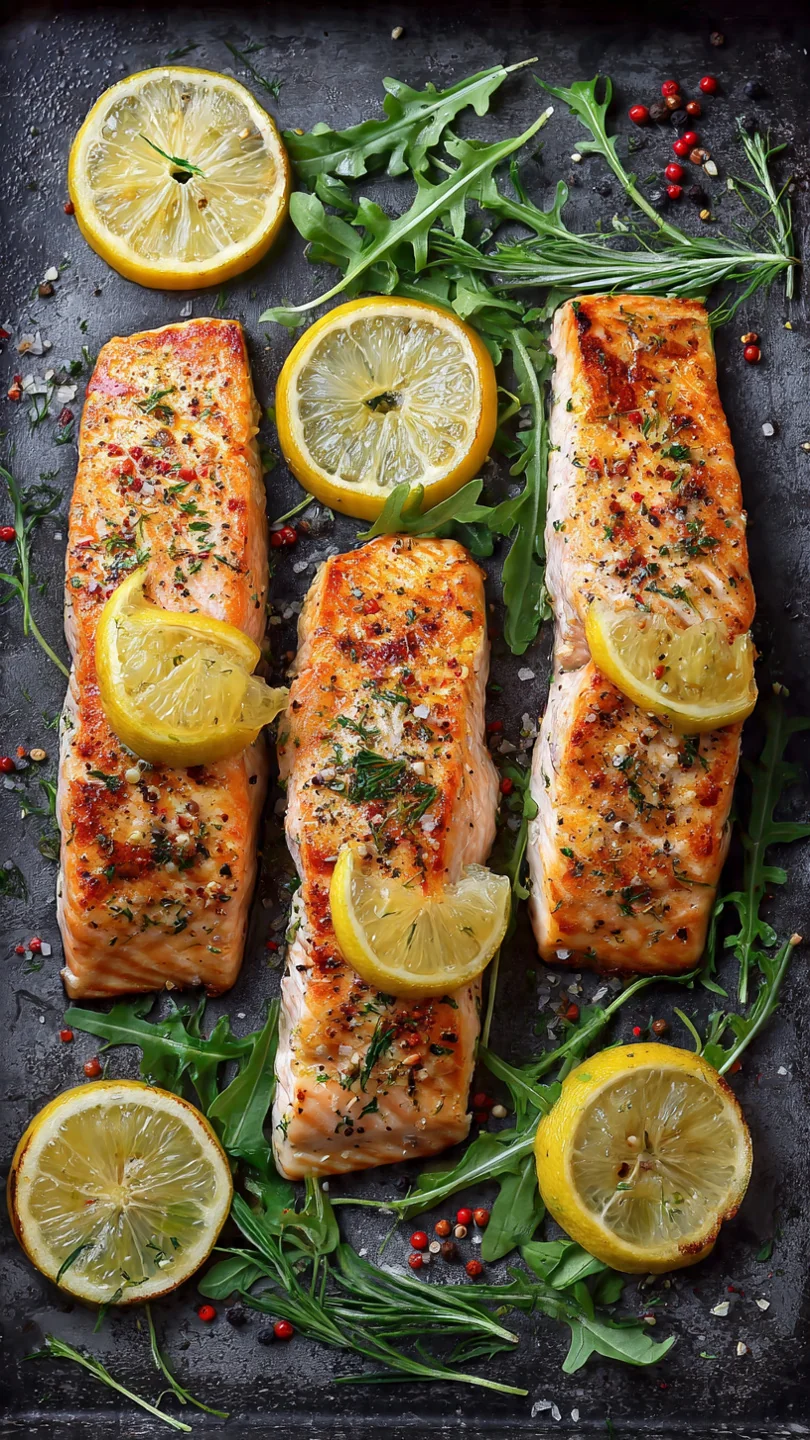
There’s a moment of pure kitchen magic that happens when you slide a tray of salmon under a hot broiler. In mere minutes, the high, direct heat transforms simple fillets into something extraordinary: the skin crackles into a salty, shattering crisp, the flesh turns tender and flaky, and a sweet-savory glaze caramelizes into a glossy, flavorful crust. This isn’t just another baked salmon recipe—this is your new secret weapon for a spectacular, healthy dinner that’s ready faster than you can set the table.
As a chef who has cooked thousands of salmon fillets, I can tell you that broiling is the ultimate technique for achieving restaurant-quality texture and flavor at home, with minimal effort and maximum reward.
- Weeknight Fast: From fridge to plate in under 15 minutes, making it perfect for busy evenings.
- Crispy Skin Guarantee: My professional drying technique ensures the skin becomes irresistibly crisp, not soggy.
- Big Flavor, Simple Glaze: A 5-minute glaze of pantry staples creates a complex, caramelized coating.
- Minimal Cleanup: One pan, a few utensils, and you’re done—no stovetop splatter to clean.
- Diet-Flexible: Naturally gluten-free, dairy-free, low-carb, and packed with healthy fats and protein.
- Consistently Perfect: The broiler method is forgiving and delivers perfectly cooked salmon every single time.
Ingredients You’ll Need
Let’s gather our ingredients—this short list of pantry staples works culinary magic together. The beauty of this recipe lies in the quality of its core components, so a few thoughtful selections will elevate your results dramatically.
- Salmon Fillets: Look for center-cut, skin-on fillets that are about 1-inch thick. This uniform thickness ensures even cooking. I prefer wild-caught salmon for its firmer texture and robust flavor, but high-quality farm-raised Atlantic salmon works beautifully, too.
- Olive Oil: Use a good extra virgin olive oil. It forms the base of our glaze and helps conduct heat for that perfect sear.
- Fresh Lemon Juice: Please, trust me on this—bottled juice lacks the bright, floral acidity that fresh lemons provide. It’s essential for balancing the richness.
- Garlic: Freshly minced garlic infuses the glaze with a pungent, aromatic depth that powdered garlic simply cannot match.
- Dijon Mustard: This is our flavor and texture secret weapon. It emulsifies the glaze, adds a subtle tang, and helps it cling to the salmon.
- Honey: Just a touch promotes beautiful caramelization under the broiler and balances the acidity. Pure maple syrup is a great alternative.
- Smoked Paprika: This ingredient adds a whisper of smokiness and a gorgeous red hue. Sweet paprika can be used in a pinch.
- Kosher Salt & Black Pepper: Kosher salt adheres better to the fish than fine table salt. Always use freshly ground black pepper for the best aroma.
- Fresh Parsley: The finishing touch of fresh herbs adds color and a burst of freshness that complements the rich salmon.
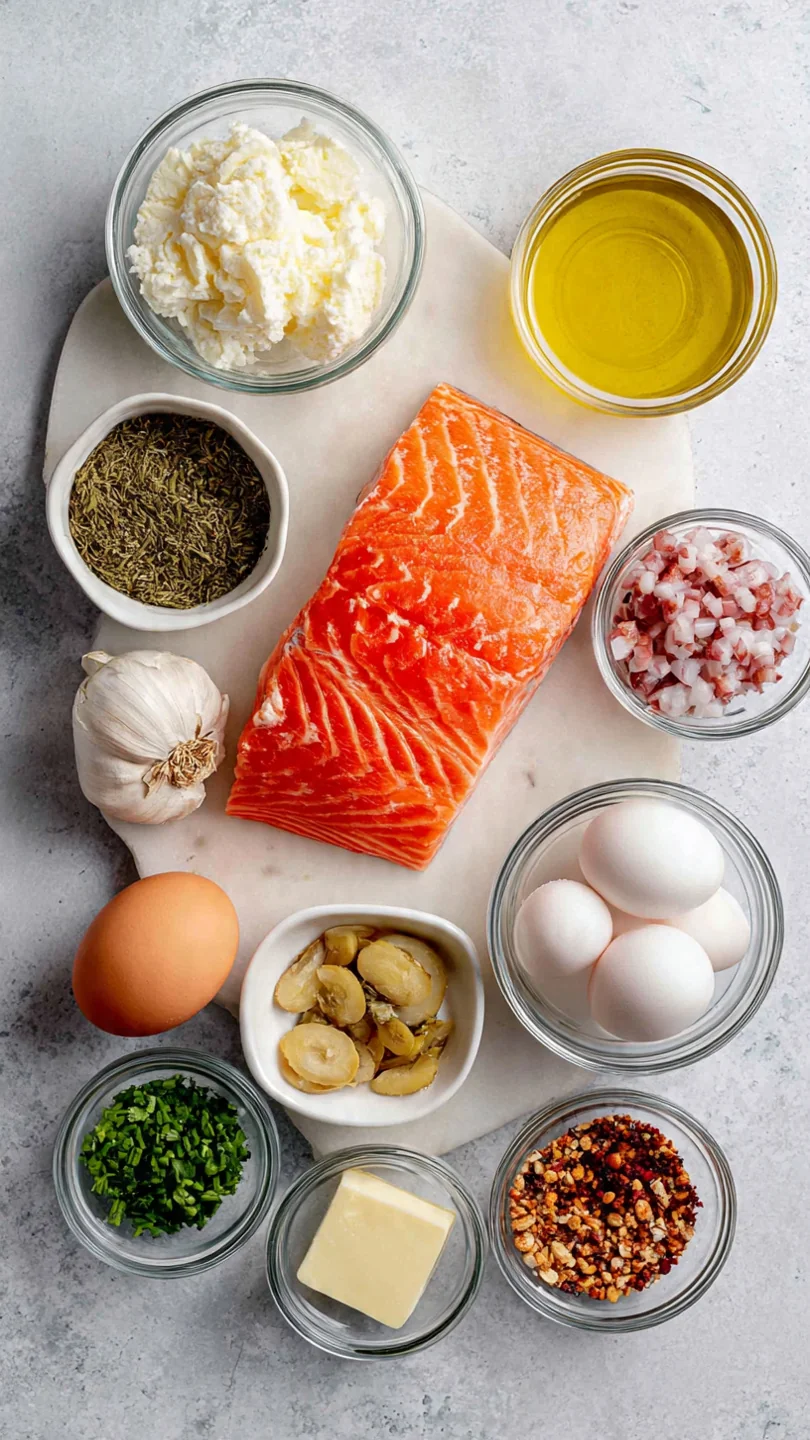
Note: You’ll find the complete list of ingredients, along with their exact measurements, in the printable recipe card at the bottom of this post.
Kitchen Equipment Needed
You don’t need fancy gear for this recipe, but the right tools make the process seamless. The most critical piece is a broiler-safe baking sheet or a well-seasoned cast-iron skillet. A heavy-duty, rimmed baking sheet is perfect as it prevents any glaze from dripping and smoking in your oven.
An instant-read thermometer is my non-negotiable recommendation for perfect doneness every time—it takes the guesswork out of cooking. You’ll also need a small bowl and whisk for the glaze, and paper towels are essential for the crucial step of drying the salmon skin. That’s it!
No special pans or gadgets required.
How to Make Broiled Salmon Recipe
Step 1: Prep the Oven and the Fish
Position your oven rack so the top of the salmon will be about 6 inches from the broiler element. Preheat the broiler on HIGH for a full 5 minutes—this ensures intense, immediate heat. Meanwhile, use paper towels to pat the salmon fillets completely dry on all sides, especially the skin.
Believe me, this is the single most important step for achieving crackling-crisp skin, as any surface moisture will steam the fish instead.
Step 2: Whisk the Flavor-Packed Glaze
In a small bowl, whisk together the olive oil, fresh lemon juice, minced garlic, Dijon mustard, honey, smoked paprika, salt, and pepper. Whisk until it’s fully emulsified and smooth. This simple mixture is a powerhouse of flavor; the mustard helps it cling to the fish, while the honey encourages that gorgeous, bubbly caramelization we’re after under the broiler.
Step 3: Glaze and Position for Broiling
Place the thoroughly dried salmon fillets skin-side down on your broiler-safe pan. Brush the glaze generously over the top and sides of each fillet, using about three-quarters of the mixture. Tip from me: reserve a tablespoon or two of the glaze for brushing on after cooking.
This final hit of fresh flavor makes a noticeable difference.
Step 4: The Broiling Magic
Carefully place the pan under the preheated broiler. Now, here’s the key: do not open the oven door! Trust the process.
The broiler needs that enclosed, radiant heat to work its magic. Broil for 8-10 minutes. The salmon is done when the top is beautifully browned and caramelized, and the flesh flakes easily when tested with a fork.
For precision, an instant-read thermometer should read 125°F for perfect medium.
Step 5: Rest, Garnish, and Serve
Once out of the oven, immediately brush the salmon with the reserved glaze. Let it rest on the pan for 2-3 minutes. This short rest allows the hot juices to redistribute throughout the fillet, ensuring every bite is moist.
Step back and admire your work—that glossy, crackly top is a thing of beauty. Garnish with chopped fresh parsley and serve immediately with lemon wedges on the side.
- The Dry Brine Secret: For the absolute crispiest skin, pat the salmon dry, then place it skin-side up on a rack in the fridge for 30 minutes before cooking. This air-dries the skin even further.
- Pan Choice Matters: A preheated cast-iron skillet will give you an even crispier bottom crust, while a standard baking sheet is perfectly effective and easier to handle.
- Doneness Cues: Look for the white albumin (a harmless protein) to just start bubbling out of the fish—this is a visual sign it’s nearly done. The flesh should offer slight resistance when pressed.
- Avoid Overcooking: Salmon continues to cook from residual heat after leaving the oven. Pull it out when it’s just slightly under your desired doneness. Remember, 125°F is medium.
- Glaze Consistency: If your glaze seems too thick, add a teaspoon of warm water to loosen it for easier brushing.
Recipe Variations
- Asian-Inspired: Swap the glaze for a mix of soy sauce (or tamari), sesame oil, grated ginger, and a splash of rice vinegar. Garnish with sliced green onions and sesame seeds.
- Mediterranean Herb: Use a paste of chopped fresh rosemary, thyme, oregano, lemon zest, and olive oil. Top with crumbled feta cheese after broiling.
- Spicy Maple Sriracha: Combine maple syrup, sriracha, lime juice, and a pinch of cayenne for a sweet-heat kick that’s absolutely addictive.
- Pesto-Crusted: Skip the wet glaze and spread a thin layer of basil pesto over the top of the fillets before broiling for an herby, nutty crust.
- Cedar-Plank Style: Soak a cedar plank for an hour, place the glazed salmon on it, and broil. This infuses a subtle, smoky wood flavor without a grill.
What to Serve With This Recipe
This versatile salmon is the star of a quick, balanced meal. For a light, healthy plate, pair it with a simple quinoa pilaf or farro salad and roasted asparagus or sautéed green beans. If you’re craving comfort, creamy mashed potatoes or risotto make a luxurious base for the flaky fish and any extra glaze.
For a low-carb option, a big kale Caesar salad or zucchini noodles are perfect. A crisp, dry white wine like Sauvignon Blanc or Pinot Grigio cuts through the richness beautifully, while a citrusy IPA beer is also a fantastic match.
Storage & Make-Ahead Instructions
- Refrigeration: Store leftover salmon in an airtight container in the refrigerator for up to 2 days. The skin will lose its crispness, but the flavor remains excellent.
- Reheating: To preserve texture, reheat gently in a 300°F oven for 8-10 minutes or in an air fryer for 3-4 minutes. Avoid the microwave, as it will make the fish rubbery.
- Freezing: I do not recommend freezing cooked broiled salmon, as the texture becomes dry and mealy upon thawing.
- Make-Ahead: You can whisk the glaze and pat the salmon dry up to a day in advance. Store them separately in the fridge. Bring the glaze to room temperature before using.
Frequently Asked Questions
Q: Can I use skinless salmon fillets?
Absolutely. The cooking time may be 1-2 minutes shorter. You’ll miss the crispy skin experience, but the flavorful glaze will still create a delicious crust on the flesh.
Q: My broiler only has an “On” setting, not “High.” Will it work?
Yes, it will work perfectly. Just note that it may take a minute or two longer to achieve the same level of caramelization. Keep a close eye on it after the 8-minute mark.
Q: How do I prevent the glaze from burning under the broiler?
The small amount of honey and the moisture from the salmon and lemon juice generally prevent burning within the 10-minute window. Ensuring your rack is 6 inches from the element (not closer) is the best prevention.
Q: Can I double this recipe for a crowd?
You can, but broil in batches or use two oven racks, rotating the pans halfway through. Do not overcrowd the pan, as the salmon will steam instead of broil.
Q: What if I don’t have an instant-read thermometer?
The most reliable visual cue is that the salmon should flake easily when gently pressed with a fork at its thickest part. The flesh will change from translucent to opaque.
Q: Is it safe to eat salmon medium-rare (at 125°F)?
For high-quality, commercially frozen or fresh salmon from a reputable source, 125°F is considered safe and is the preferred doneness for best texture. If you have health concerns, cook to 145°F.
Q: Can I use frozen salmon?
Yes, but thaw it completely in the refrigerator overnight first. It’s crucial to pat it extremely dry, as frozen fish releases more moisture.
Final Thoughts
This broiled salmon recipe embodies everything I love about efficient, flavorful cooking: it’s fast enough for a Tuesday night yet impressive enough for weekend guests. The technique—high heat, a dry surface, and a simple glaze—is a foundational skill that will serve you well with many other proteins. Once you experience the thrill of pulling a perfectly caramelized, crispy-skinned fillet from your own oven in under 15 minutes, it’s likely to become a permanent fixture in your dinner rotation.
I encourage you to try it exactly as written first, then have fun exploring the variations. Please come back and let me know how it turned out! Share your creations online and tag me—I love seeing your kitchen successes.
Now, go preheat that broiler and get ready for the easiest, most rewarding salmon of your life.

The Best Broiled Salmon
Equipment
- Broiler-safe baking sheet or cast-iron skillet
- Instant-read thermometer (highly recommended)
- Small mixing bowl and whisk
- Paper towels
Ingredients
- 4 6-8 oz salmon fillets skin-on, about 1-inch thick
- 2 tbsp olive oil extra virgin
- 2 tbsp fresh lemon juice plus extra lemon wedges for serving
- 3 cloves garlic minced
- 1 tsp Dijon mustard
- 1 tsp honey or maple syrup
- 1 tsp smoked paprika
- 1/2 tsp kosher salt plus more to taste
- 1/4 tsp black pepper freshly ground
- 2 tbsp fresh parsley chopped, for garnish
Instructions
- Position your oven rack 6 inches from the broiler element and preheat the broiler on HIGH for at least 5 minutes. Pat the salmon fillets completely dry with paper towels. This is non-negotiable for crispy skin—any moisture will steam the fish instead.
- In a small bowl, whisk together the olive oil, lemon juice, minced garlic, Dijon mustard, honey, smoked paprika, salt, and pepper. This creates a quick glaze that will caramelize beautifully under the intense heat.
- Place the salmon fillets skin-side down on a broiler-safe baking sheet or cast-iron skillet. Brush the glaze generously over the top and sides of each fillet, reserving about a tablespoon for later.
- Broil the salmon for 8-10 minutes. Do not open the oven door! The broiler needs that contained heat. The salmon is done when the top is caramelized and the flesh flakes easily with a fork, reaching an internal temperature of 125°F for medium.
- Remove from the oven and immediately brush with the reserved glaze. Let the salmon rest for 2-3 minutes on the pan—this allows the juices to redistribute. Garnish with fresh parsley and serve with lemon wedges.