
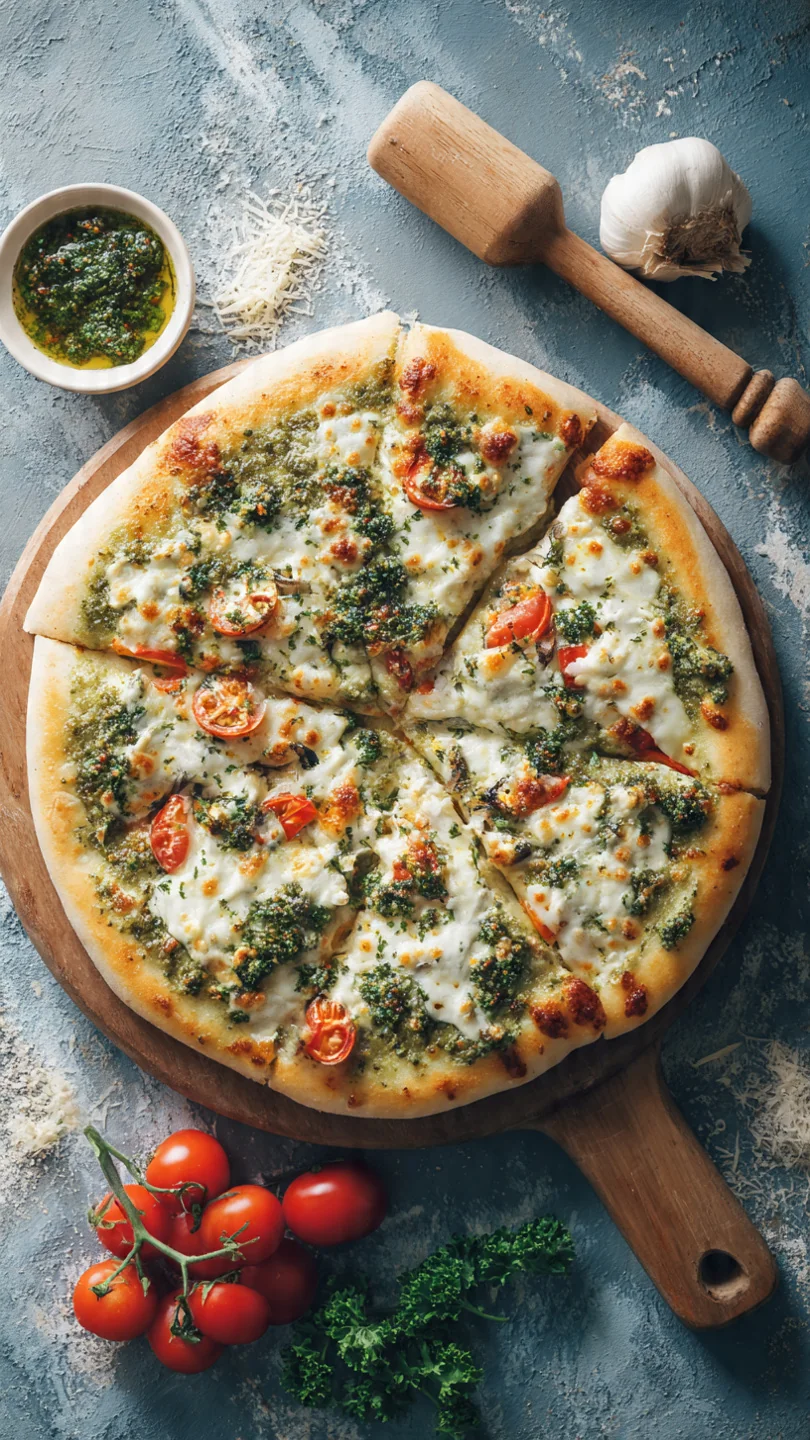
There’s something uniquely satisfying about pulling a homemade pizza from your own oven. The aroma of toasted garlic and basil fills the kitchen, the cheese is perfectly blistered, and the crust has that ideal combination of crisp exterior and chewy interior. This isn’t just another pizza—it’s a celebration of fresh, vibrant flavors that come together in minutes.
As a chef, I’ve made countless pizzas, but this pesto version remains a favorite for its simplicity and stunning results. It transforms basic ingredients into a gourmet experience that will make you feel like a pizzaiolo in your own home.
This recipe is designed for success, whether it’s a busy weeknight or a casual weekend gathering. Here’s what makes it special:
- Restaurant-Quality at Home: The technique of preheating a baking stone creates a professional-grade, crisp crust that rivals any pizzeria.
- Vibrant, Fresh Flavor: Using homemade pesto made from fresh basil and good olive oil delivers a brightness that jarred sauces simply can’t match.
- Incredibly Quick: From prep to plate in under 30 minutes, it’s faster than delivery and infinitely more rewarding.
- Endlessly Customizable: The pesto base is a perfect canvas for your favorite toppings, from grilled chicken to artichoke hearts.
- Minimal Cleanup: With no pots to boil or multiple pans to wash, you’re left with just a cutting board and a happy stomach.
- Crowd-Pleasing: Its beautiful green color and universally loved flavors make it a hit with both adults and kids.
Ingredients You’ll Need
- Let’s gather our ingredients—this is where simple, quality components create magic. The star is undoubtedly the fresh basil pesto, which comes together in minutes but tastes like you fussed for hours. For the dough, a good store-bought ball from the refrigerated section of your grocery store works perfectly, but if you have a favorite homemade recipe, by all means use it. The key is letting it come fully to room temperature so it’s easy to stretch.
For the pesto, seek out fresh, bright green basil without black spots. Toasting the pine nuts is a non-negotiable step—it deepens their flavor and prevents a raw taste. Use a good, fruity extra-virgin olive oil; you’ll taste the difference.
For the cheese, fresh mozzarella (the kind packed in water) melts beautifully and has a creamy mildness that balances the pesto’s punch.
- Pizza Dough: 1 lb, store-bought or homemade, at room temperature
- Fresh Basil Leaves: 2 cups packed, about 2 large bunches
- Pine Nuts: 1/3 cup, toasted
- Garlic: 2 cloves, peeled
- Extra Virgin Olive Oil: 1/2 cup, plus more for drizzling
- Parmigiano-Reggiano: 1/2 cup freshly grated, plus more for serving
- Fresh Mozzarella: 8 oz, torn into small pieces
- Cherry Tomatoes: 1 cup, halved
- Kosher Salt: 1/4 tsp, plus more for seasoning
- Black Pepper: 1/4 tsp, freshly ground
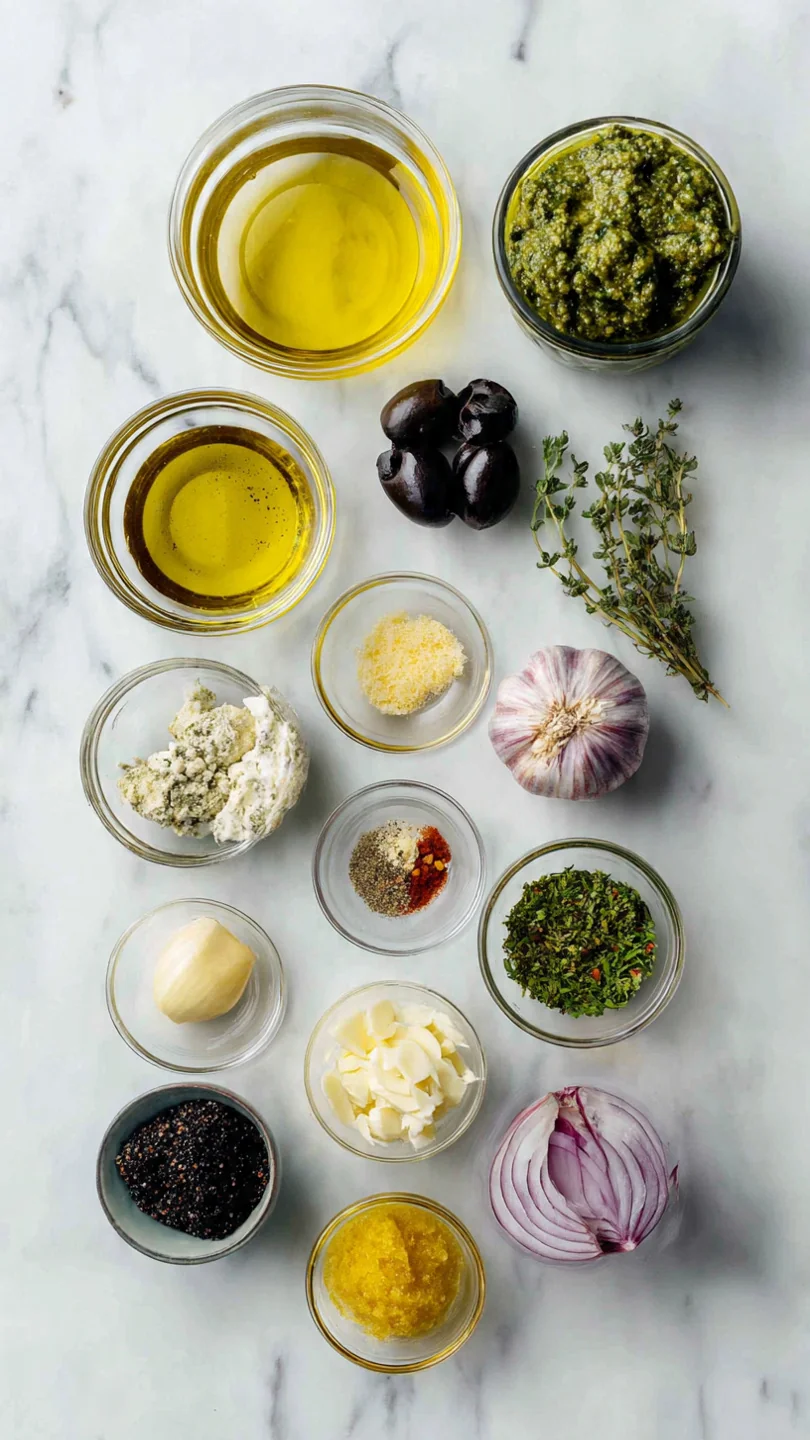
Note: You’ll find the complete list of ingredients, along with their exact measurements, in the printable recipe card at the bottom of this post.
Kitchen Equipment Needed
You don’t need fancy gear to make exceptional pizza. The most important tool is a pizza stone or a heavy, rimless baking sheet preheated in the oven—this is the secret to a crisp bottom crust. A food processor makes the pesto in seconds, though a mortar and pestle will work if you want a more traditional, textured sauce.
Parchment paper is your best friend for easy transfer from counter to oven. A pizza peel is helpful but not essential; an inverted baking sheet works just as well to slide the pizza onto the hot stone.
How to Make Pesto Pizza Recipe
Step 1: Heat the Oven & Make the Pesto
Preheating is the first and most critical step. Crank your oven to 500°F (260°C) with your pizza stone or baking sheet inside. Let it heat for a full 45 minutes—this ensures intense, even heat for that perfect crust.
Meanwhile, make the pesto. In your food processor, combine the basil, toasted pine nuts, garlic, and salt. Pulse until it looks like coarse sand.
Tip from me: scrape down the sides once. With the motor running, slowly pour in the olive oil until it forms a loose, vibrant green sauce. Transfer to a bowl and stir in the grated Parmesan by hand.
This prevents the cheese from becoming gummy in the processor.
Step 2: Shape the Pizza Dough
On a lightly floured surface, place your room-temperature dough. Start by pressing it flat with your palms, then gently stretch it from the center outward, letting the weight of the dough do the work. Aim for a 12-inch circle.
Believe me, don’t worry about perfect roundness—rustic is charming! If the dough fights back and shrinks, cover it and let it rest for 5 minutes; the gluten will relax. Once shaped, transfer it to a sheet of parchment paper.
This is your launching pad.
Step 3: Assemble with Care
Now for the fun part. Spread about 1/2 cup of your fresh pesto over the dough, leaving a bare border for the crust. Using the back of a spoon or your fingers gives you nice, even coverage.
Scatter the torn pieces of fresh mozzarella over the pesto—tearing, rather than slicing, creates lovely melted pockets. Arrange the halved cherry tomatoes cut-side up; this keeps their juices from making the pizza soggy. Finish with a light drizzle of olive oil and a generous grind of black pepper.
Step 4: Bake to Perfection
Carefully slide the pizza (on its parchment paper) onto the screaming-hot stone or baking sheet in the oven. Bake for 10-12 minutes. Trust your eyes here: you want the crust to be puffed and deeply golden, and the cheese to be bubbly with a few brown spots.
The high heat cooks the crust quickly, setting its structure before the toppings can weigh it down. Your kitchen will smell incredible.
Step 5: Rest, Garnish, and Serve
Use the parchment to pull the pizza back onto a cutting board. Let it rest for 2-3 minutes—this brief pause allows the molten cheese to set slightly so it doesn’t slide off when you slice. Finish with an extra sprinkle of Parmesan and a few fresh basil leaves for a pop of color.
Slice it up, pour a drink, and step back to admire your beautiful, homemade gourmet pizza. Serve immediately while the crust is at its peak crispness.
A few chef-approved insights will elevate your pizza from good to great:
- Temperature is Everything: Room-temperature dough stretches easily without tearing. Cold dough will just fight you and snap back.
- The Toasting Trick: Always toast your pine nuts for pesto. Just a few minutes in a dry pan until fragrant unlocks their oils and nutty flavor, preventing any raw bitterness.
- Less is More with Toppings: Overloading is the most common home pizza mistake. A thin, even layer of pesto and a moderate amount of cheese ensures the crust cooks through and gets crisp.
- The Parmesan Rule: Always stir hard cheeses like Parmesan into pesto by hand after processing. The friction of the blade can heat the cheese and make it clumpy and oily.
- The Resting Period: Letting the baked pizza rest for a few minutes isn’t just for safety—it allows the starches in the crust to set, giving you a cleaner slice.
Recipe Variations
- This pesto pizza is a fantastic template. Feel free to make it your own with these tested variations:
- Protein Power: Add sliced grilled chicken, cooked shrimp, or crumbled Italian sausage for a heartier meal. Add pre-cooked proteins after the pizza comes out of the oven to avoid drying them out.
- Vegetable Garden: Swap cherry tomatoes for roasted red peppers, sautéed mushrooms, or artichoke hearts. For watery veggies like zucchini, salt them first and pat dry to remove excess moisture.
- Spicy Kick: Add a pinch of red pepper flakes to the pesto or sprinkle them over the pizza before baking. A drizzle of chili oil after baking is also fantastic.
- Creamy Twist: Add small dollops of ricotta or goat cheese over the mozzarella before baking. Their tangy creaminess pairs beautifully with the pesto.
- Nut-Free Pesto: Substitute toasted walnuts or even sunflower seeds for the pine nuts. The flavor profile changes slightly but remains delicious.
- Gluten-Free/Dairy-Free: Use your favorite gluten-free pizza dough and a vegan pesto (skip the Parmesan, add nutritional yeast). Top with vegan mozzarella shreds.
What to Serve With This Recipe
This pizza is a complete meal on its own, but it shines as part of a larger spread. For a casual dinner, pair it with a simple Arugula Salad dressed with lemon juice, olive oil, and shaved Parmesan—the peppery greens cut through the richness perfectly. If you’re hosting, start with a platter of Marinated Olives and Antipasti like sliced prosciutto and melon.
Beverage-wise, a crisp Pinot Grigio or a light Sangiovese complements the herbal notes beautifully. For a non-alcoholic option, sparkling water with a squeeze of lemon or a basil-infused lemonade is refreshing. This pizza is perfect for Friday movie nights, summer patio dinners, or a quick yet impressive weeknight meal.
Storage & Make-Ahead Instructions
- Leftover Pizza: Store cooled slices in an airtight container in the refrigerator for up to 3 days. The crust will soften, but you can re-crisp it beautifully.
- Reheating: For the best texture, reheat slices in a preheated 375°F (190°C) oven or toaster oven on a baking sheet for 5-8 minutes. Avoid the microwave, which makes the crust rubbery.
- Freezing: You can freeze the baked and cooled pizza slices. Wrap each slice individually in plastic wrap and then foil. Reheat from frozen in a 400°F (200°C) oven for 10-12 minutes.
- Make-Ahead Pesto: The pesto can be made up to 5 days ahead. Store it in a jar with a thin layer of olive oil poured on top to prevent browning. Press plastic wrap directly onto the surface before sealing the lid.
- Dough Prep: Pizza dough can be made 1-2 days ahead and stored, tightly covered, in the refrigerator. Let it come to room temperature for 1-2 hours before shaping.
Frequently Asked Questions
Q: Can I use jarred pesto instead of making my own?
A: You can in a pinch, but the flavor will be less vibrant. If using jarred, choose a high-quality brand and consider stirring in a handful of fresh chopped basil to brighten it up.
Q: My dough keeps shrinking back when I try to stretch it. What am I doing wrong?
A: This means the gluten is too tight. Simply cover the dough with a kitchen towel and let it rest on the counter for 5-10 minutes. The gluten will relax, making it much easier to shape.
Q: I don’t have a pizza stone. What can I use instead?
A: A heavy, rimless baking sheet or the back of a large sheet pan works well. Preheat it just like a stone. The key is using a thick metal surface that holds heat.
Q: How do I know when the pizza is done baking?
A: Look for visual cues: the crust should be puffed and golden brown, the cheese should be fully melted and bubbly with some browned spots, and the edges of the crust should feel firm when gently lifted.
Q: Can I make this pizza vegan?
A: Absolutely. Use a vegan pizza dough, substitute the Parmesan in the pesto with 2 tablespoons of nutritional yeast, and use your favorite vegan mozzarella shreds or a cashew-based cheese.
Q: Why is my pizza soggy in the middle?
A: Sogginess usually comes from too many wet toppings or an under-heated baking surface. Ensure your stone is preheated for long enough, pat any wet vegetables dry, and don’t over-sauce the dough.
Q: Can I prepare the whole pizza ahead of time and bake it later?
A: I don’t recommend assembling more than 30 minutes before baking, as the moisture from the toppings will start to soak into the dough. It’s best to have all components prepped and assemble just before baking.
Final Thoughts
This pesto pizza recipe is a testament to how a few quality ingredients and solid techniques can create something truly spectacular at home. It captures the essence of Italian cooking—simplicity, freshness, and big flavor. The crisp crust, the aromatic homemade pesto, and the creamy, melted cheese come together in a harmony that’s both comforting and elegant.
I encourage you to give it a try, especially if you’ve been hesitant about making pizza from scratch. The process is forgiving and the rewards are immense. Once you taste that first slice, hot from your own oven, you’ll understand why this recipe is a staple in my kitchen.
I’d love to hear how it turns out for you—what variations you tried, what your family thought. Share your creations online and tag me. Now, go preheat that oven and get ready for the best homemade pizza of your life.
Buon appetito!
The Best Pesto Pizza
Equipment
- Pizza stone or heavy baking sheet
- Food processor
- Parchment paper
- Pizza peel or another flat baking sheet (for transferring)
Ingredients
- 1 lb pizza dough store-bought or homemade, at room temperature
- 2 cups fresh basil leaves packed, about 2 large bunches
- 1/3 cup pine nuts toasted
- 2 cloves garlic peeled
- 1/2 cup extra virgin olive oil plus more for drizzling
- 1/2 cup Parmigiano-Reggiano freshly grated, plus more for serving
- 8 oz fresh mozzarella torn into small pieces
- 1 cup cherry tomatoes halved
- 1/4 tsp kosher salt plus more for seasoning
- 1/4 tsp black pepper freshly ground
Instructions
- Preheat your oven and pizza stone or baking sheet to 500°F (260°C) for at least 45 minutes. This is non-negotiable for a crisp crust. While it heats, make the pesto: In a food processor, combine basil, toasted pine nuts, garlic, and salt. Pulse until finely chopped. With the motor running, slowly stream in the olive oil until a loose paste forms. Stir in the grated Parmesan by hand to preserve its texture. Set aside.
- On a lightly floured surface, stretch your room-temperature dough into a 12-inch round. Don’t use a rolling pin—use your hands to gently press and stretch from the center outward. This creates those beautiful air pockets. If the dough springs back, let it rest for 5 minutes and try again. Transfer the shaped dough to a piece of parchment paper.
- Spread about 1/2 cup of the fresh pesto evenly over the dough, leaving a 1/2-inch border for the crust. Trust me, using your hands or the back of a spoon gives you the best control. Scatter the torn mozzarella pieces over the pesto, then arrange the halved cherry tomatoes cut-side up. Drizzle the entire pizza lightly with a bit more olive oil and a crack of black pepper.
- Carefully slide the pizza (on the parchment) onto the preheated stone or baking sheet. Bake for 10-12 minutes. You’re looking for a deeply golden, puffed crust and bubbly, slightly browned cheese. The high heat is key—it mimics a professional pizza oven, cooking the crust quickly before it gets soggy.
- Remove the pizza from the oven and let it rest on a cutting board for 2-3 minutes. This allows the cheese to set slightly so it doesn’t slide off when you slice. Finish with a final sprinkle of fresh Parmesan, a few extra basil leaves if you like, and a tiny drizzle of your best olive oil. Slice, serve immediately, and step back to admire your handiwork.