
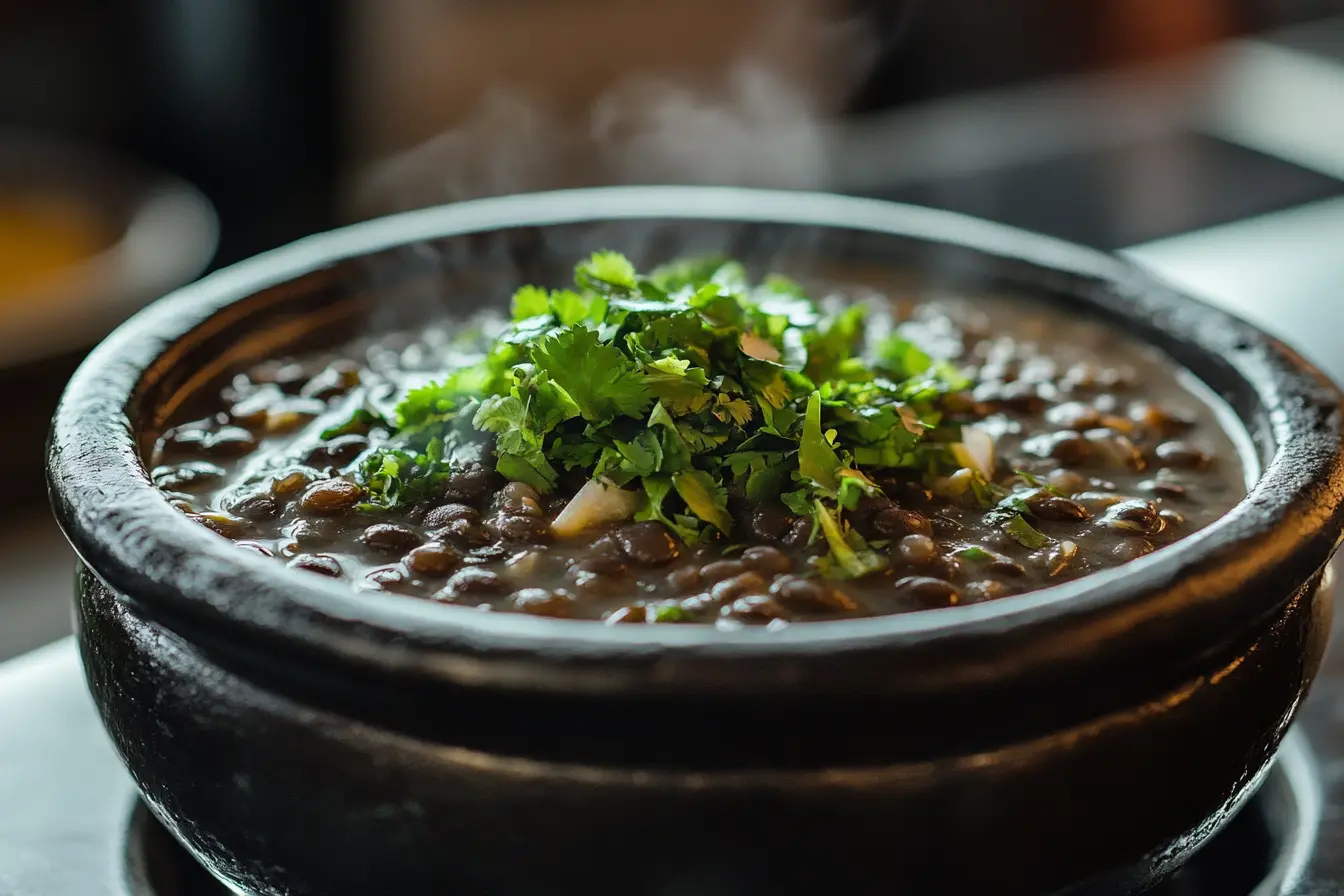
Introduction to Black Lentil Recipes
Black lentils, often heralded as the culinary gems of the legume family, pack a significant nutritional punch and boast a unique, earthy flavor. Renowned for their firm texture that holds up well during cooking, black lentils are incredibly versatile in a myriad of culinary applications. From robust stews that showcase their texture to refreshing salads that highlight their subtle flavor, black lentil recipes deliver a delightful mix of taste and health benefits. This article dives into various black lentil recipes, exploring both traditional and innovative ways to incorporate these nutritious legumes into everyday meals, catering to a wide range of palates.
Selecting and Preparing Black Lentils
Choosing and preparing black lentils correctly is crucial to enhance their natural flavors and achieve the best texture in your dishes.
Choosing the Best Black Lentils
When shopping for black lentils, look for grains that are whole and not cracked. Fresh black lentils should have a smooth appearance with a uniform black color. Avoid any packages with excessive dust or debris, as these can indicate age or poor handling.
Preparation Techniques for Maximum Flavor
Proper preparation begins with thorough rinsing under cold water to remove any surface dust or impurities. Although black lentils do not typically require soaking like other legumes, doing so can reduce cooking time and improve digestibility. If you choose to soak them, a few hours or overnight in cold water will suffice.
Before cooking, drain the lentils and give them another quick rinse. Cooking black lentils is straightforward:
- Boil: In a medium saucepan, bring water to a boil, add the lentils, and then reduce to a simmer. Cook uncovered for 20-30 minutes, or until the lentils are tender but still hold their shape.
- Season: It’s best to add salt or acidic ingredients after the lentils are cooked, as adding them earlier can toughen the lentils and increase cooking time.
Black lentils are a delightful addition to many recipes, whether you’re aiming for a simple side or a main course. Their ability to absorb flavors makes them exceptional for a variety of culinary uses, from traditional soups and stews to more innovative dishes like salads and dips. Up next, we’ll dive into some classic recipes that have been cherished for generations and see how these humble lentils can be transformed into a gourmet experience.
Selecting and Preparing Black Lentils
Choosing and preparing black lentils correctly is crucial to enhance their natural flavors and achieve the best texture in your dishes.
Choosing the Best Black Lentils
When shopping for black lentils, look for grains that are whole and not cracked. Fresh black lentils should have a smooth appearance with a uniform black color. Avoid any packages with excessive dust or debris, as these can indicate age or poor handling.
Preparation Techniques for Maximum Flavor
Proper preparation begins with thorough rinsing under cold water to remove any surface dust or impurities. Although black lentils do not typically require soaking like other legumes, doing so can reduce cooking time and improve digestibility. If you choose to soak them, a few hours or overnight in cold water will suffice.
Before cooking, drain the lentils and give them another quick rinse. Cooking black lentils is straightforward:
- Boil: In a medium saucepan, bring water to a boil, add the lentils, and then reduce to a simmer. Cook uncovered for 20-30 minutes, or until the lentils are tender but still hold their shape.
- Season: It’s best to add salt or acidic ingredients after the lentils are cooked, as adding them earlier can toughen the lentils and increase cooking time.
Black lentils are a delightful addition to many recipes, whether you’re aiming for a simple side or a main course. Their ability to absorb flavors makes them exceptional for a variety of culinary uses, from traditional soups and stews to more innovative dishes like salads and dips. Up next, we’ll dive into some classic recipes that have been cherished for generations and see how these humble lentils can be transformed into a gourmet experience.
Traditional Black Lentil Recipes
Black lentils, with their rich flavor and firm texture, are a staple in many traditional dishes around the world. Here are some cherished recipes that highlight the versatility and depth of black lentils.
Classic Black Lentil Dal
Dal is a beloved dish in South Asian cuisine, and black lentils provide a robust foundation for this comforting staple.
Ingredients:
- 1 cup black lentils, rinsed and drained
- 4 cups water
- 1 teaspoon turmeric
- 1 tablespoon ghee or oil
- 1 teaspoon cumin seeds
- 1 medium onion, finely chopped
- 2 garlic cloves, minced
- 1-inch piece ginger, grated
- 1 teaspoon ground coriander
- 1/2 teaspoon garam masala
- Salt to taste
- Fresh cilantro, chopped for garnish
Method:
- Cook the Lentils: In a large pot, combine black lentils, water, and turmeric. Bring to a boil, then reduce heat and simmer until lentils are tender, about 25-30 minutes.
- Prepare the Tadka (tempering): Heat ghee in a small skillet over medium heat. Add cumin seeds and let them sizzle for a few seconds. Add onions, garlic, and ginger, cooking until onions are golden.
- Add Spices: Stir in coriander, garam masala, and a pinch of salt. Cook for another minute until the spices are fragrant.
- Combine: Pour the tadka over the cooked lentils, stir well, and simmer for another 5-10 minutes to blend the flavors.
- Garnish and Serve: Garnish with fresh cilantro. Serve hot with rice or naan.
Black Lentils with Spinach
This nutritious recipe combines the earthy flavors of black lentils with the freshness of spinach, creating a wholesome and hearty dish.
Ingredients:
- 1 cup black lentils, rinsed
- 4 cups water
- 2 tablespoons olive oil
- 1 onion, diced
- 2 cloves garlic, minced
- 1 teaspoon cumin
- 1/2 teaspoon chili flakes (optional)
- 4 cups fresh spinach, roughly chopped
- Salt and pepper to taste
- Lemon juice for serving
Method:
- Cook Lentils: In a pot, bring lentils and water to a boil. Reduce to a simmer, cover, and cook until lentils are tender, about 30 minutes.
- Sauté Aromatics: In a skillet, heat oil over medium heat. Add onion and garlic, sautéing until translucent. Stir in cumin and chili flakes.
- Combine with Spinach: Add the spinach to the skillet, cooking until just wilted. Season with salt and pepper.
- Mix with Lentils: Drain any excess water from the lentils and add them to the skillet. Stir to combine all ingredients.
- Finish and Serve: Drizzle with lemon juice before serving. This dish pairs well with flatbread or as a side to grilled meats.
These traditional black lentil recipes not only offer a journey through rich flavors and textures but also showcase the legume’s ability to absorb and enhance spices and seasonings. As we continue, we will explore modern takes on black lentil dishes that incorporate contemporary flavors and ingredients, demonstrating the adaptability of this humble yet luxurious legume.
Modern Black Lentil Dishes
Black lentils, with their rich, earthy flavor and firm texture, lend themselves beautifully to contemporary culinary creations. Here are some modern takes on black lentil dishes that blend traditional tastes with innovative twists.
Black Lentil Salad with Roasted Vegetables
This vibrant salad brings together the nuttiness of black lentils with the sweetness of roasted vegetables, offering a perfect dish for health-conscious foodies.
Ingredients:
- 1 cup black lentils, rinsed and cooked until tender
- 1 red bell pepper, diced
- 1 yellow bell pepper, diced
- 1 medium zucchini, diced
- 1 red onion, diced
- 2 tablespoons olive oil
- Salt and pepper to taste
- For the dressing:
- 3 tablespoons balsamic vinegar
- 1/4 cup olive oil
- 1 teaspoon honey
- 1 garlic clove, minced
- Salt and pepper to taste
Method:
- Roast the Vegetables: Preheat the oven to 400°F (200°C). Toss the diced peppers, zucchini, and onion with olive oil, salt, and pepper. Spread on a baking sheet and roast for 20-25 minutes, or until tender and slightly caramelized.
- Prepare the Dressing: In a small bowl, whisk together balsamic vinegar, olive oil, honey, minced garlic, salt, and pepper until emulsified.
- Assemble the Salad: In a large bowl, combine the cooked lentils and roasted vegetables. Drizzle with the dressing and toss gently to combine.
- Serve: Enjoy this salad warm or at room temperature. It makes a great side dish or a light main course.
Creamy Black Lentil and Mushroom Risotto
In this recipe, traditional Italian risotto meets the robust flavor of black lentils, creating a creamy, comforting dish.
Ingredients:
- 1 cup black lentils, pre-cooked and set aside
- 1 cup Arborio rice
- 1 onion, finely chopped
- 2 cups chopped mushrooms (such as cremini or shiitake)
- 4 cups vegetable broth, kept warm
- 1/2 cup white wine (optional)
- 2 tablespoons olive oil
- 1/4 cup grated Parmesan cheese (optional)
- Salt and pepper to taste
Method:
- Sauté Aromatics: In a large pan, heat olive oil over medium heat. Add chopped onion and mushrooms, sautéing until softened and golden.
- Cook the Risotto: Add the Arborio rice to the pan, stirring to coat with oil. If using, pour in the white wine and let it evaporate. Gradually add the warm vegetable broth, one ladle at a time, stirring constantly until each addition is absorbed before adding the next.
- Add Lentils: Once the rice is tender yet still al dente, stir in the pre-cooked black lentils. Continue to cook, adding broth as needed, until the risotto is creamy and the lentils are heated through.
- Finish: Season with salt and pepper. Stir in grated Parmesan cheese for extra richness.
- Serve: Dish up this hearty risotto garnished with a sprinkle of fresh herbs or extra Parmesan.
These modern dishes not only highlight the versatility of black lentils but also introduce them to new audiences through familiar formats. Whether served as a hearty salad or a creamy risotto, black lentils prove that traditional ingredients can be transformed into contemporary culinary delights. Next, we’ll explore essential tips for cooking black lentils to perfection in any dish.
Tips for Cooking Black Lentils
Black lentils, known for their firm texture and ability to retain their shape, are a versatile ingredient in many dishes. However, achieving the perfect consistency and flavor requires some know-how. Here are essential tips for cooking black lentils that will help you make the most of this nutritious legume.
1. Rinse and Sort
Before cooking, it’s crucial to rinse black lentils thoroughly under cold water to remove any dust or debris. Also, sort through the lentils to discard any small stones or shriveled lentils that may have been missed during packaging.
2. No Need to Soak
Unlike many other legumes, black lentils do not require soaking before cooking, which makes them a convenient choice for quick meals. Skipping the soaking process saves time without compromising the texture or flavor of the lentils.
3. Use Adequate Water
To cook black lentils, use about three cups of water for each cup of lentils. This ratio ensures that the lentils have enough moisture to cook evenly without becoming mushy. Bring the water to a boil, add the lentils, then reduce the heat to a simmer. Cover and cook for 25-30 minutes until the lentils are tender but still hold their shape.
4. Season at the Right Time
Adding salt or acidic ingredients too early can toughen the lentils, extending their cooking time. To avoid this, add salt or any acidic components, such as vinegar or lemon juice, towards the end of the cooking process. This method enhances the flavor without affecting the texture of the lentils.
5. Check for Doneness
Start checking the lentils for doneness after about 20 minutes of cooking. Perfectly cooked black lentils should be tender yet slightly firm to the bite, not mushy. Overcooking can lead to broken lentils and a less appealing texture.
6. Drain Excess Liquid
Once the lentils are cooked, if there is any excess water, drain it off to prevent the lentils from becoming soggy. This step is particularly important if you’re adding the lentils to salads or other dishes where a firmer texture is desirable.
7. Incorporate Gently
When adding black lentils to salads, stir-fries, or other dishes, fold them in gently to maintain their integrity. Their firm texture makes them an excellent addition to dishes that need a bit of bite.
8. Store Properly
Cooked black lentils can be stored in the refrigerator for up to five days, making them a great option for meal prep. Ensure they are stored in an airtight container to maintain freshness. They can also be frozen for up to three months.
By following these tips, you can master the art of cooking black lentils, making them a staple in your kitchen for a variety of nutritious and delicious dishes. Whether you’re looking to enhance a soup, salad, or main course, black lentils offer a world of culinary possibilities.
FAQs :
Black lentils are a versatile and nutritious ingredient that often prompts questions about their use and benefits. Here are some common inquiries about black lentils:
What are black lentils good for?
Black lentils are excellent for a variety of dishes due to their firm texture and ability to hold shape during cooking. They are ideal for salads, soups, and stews. Nutritionally, black lentils are rich in protein, fiber, and essential minerals, making them a beneficial addition to any diet, particularly for those seeking plant-based protein sources.
Do black lentils have to be soaked?
No, black lentils do not require soaking before cooking, which makes them a convenient choice for quick meals. Unlike other legumes, black lentils cook relatively quickly, usually within 20-30 minutes. However, if you prefer to soak black lentils to reduce cooking time slightly or to aid in digestibility, you can do so for a few hours or overnight.
What is the difference between black lentils and regular lentils?
The main difference between black lentils and more common varieties like green or brown lentils is their texture and cooking properties. Black lentils, also known as beluga lentils, hold their shape exceptionally well and have a firmer texture. They also have a slightly richer flavor, making them well-suited for dishes where a distinct, intact lentil is desired.
Are Indian black lentils the same as beluga lentils?
No, Indian black lentils, commonly referred to as “urad dal,” are not the same as beluga lentils. Urad dal can be sold as whole or split, and when whole, they have a black skin. Beluga lentils, on the other hand, are named for their resemblance to beluga caviar, being small, black, and shiny. Both are distinct in their culinary uses and flavors.
These responses aim to clarify common questions about black lentils, highlighting their versatility in the kitchen and their nutritional benefits.
Read More !
What is the difference between black lentils and regular lentils?