
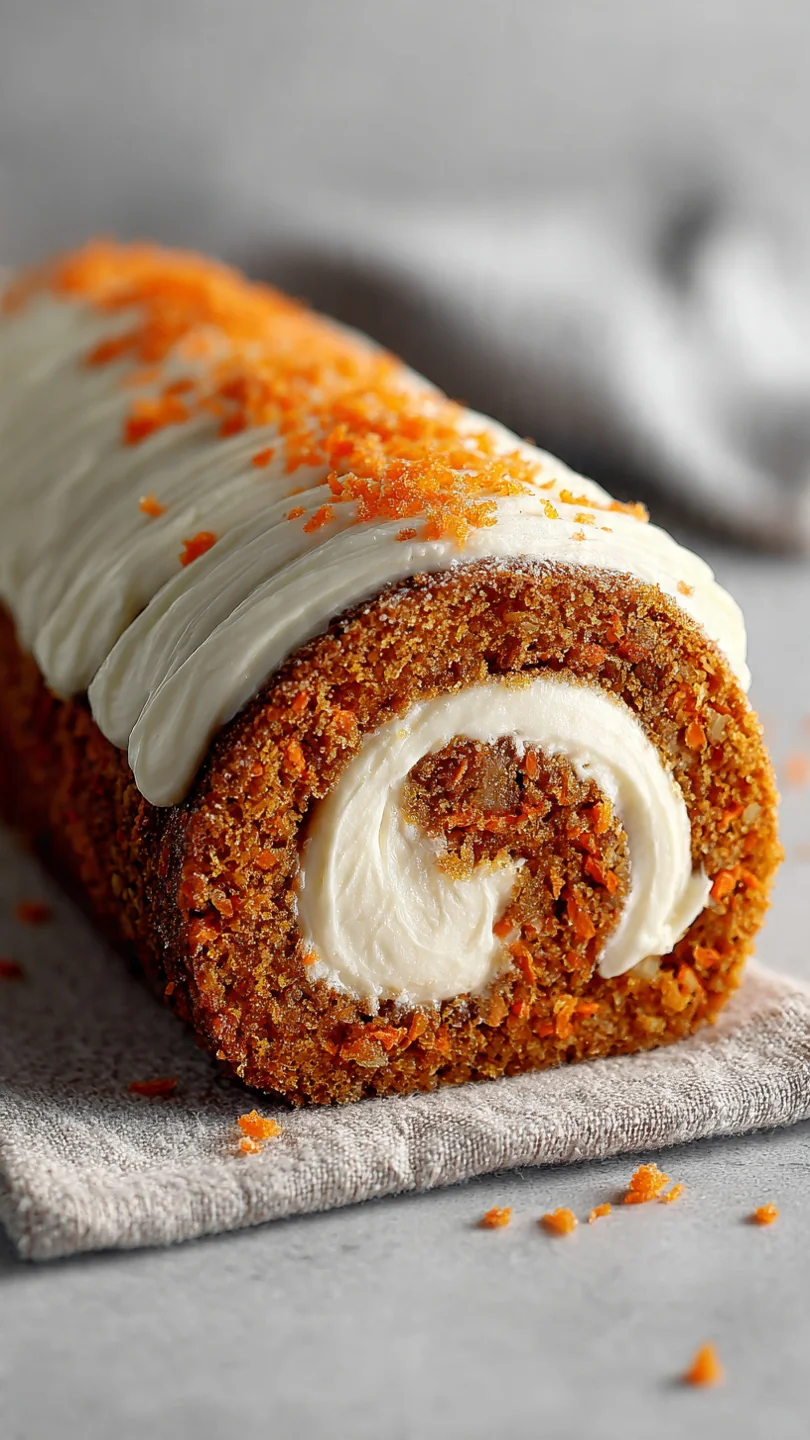
There’s something undeniably special about a perfectly swirled cake roll. It looks like it came from a professional bakery, yet the process is a delightful kitchen project that’s deeply satisfying to master. This carrot cake roll combines the warm, comforting spices of a classic carrot cake with the light, airy texture of a sponge cake, all wrapped around a tangy, creamy filling.
The contrast between the spiced cake and the rich cream cheese frosting is simply irresistible. Trust me, once you learn the simple technique for rolling the cake while it’s warm, you’ll be making this stunning dessert for every gathering.
- Impressive Presentation: This dessert looks far more complex than it is, guaranteed to earn you compliments.
- Perfect Texture: The sponge is incredibly light and moist, rolling without cracking thanks to a tested method.
- Make-Ahead Friendly: The roll needs to chill, making it an ideal dessert to prepare hours or even a day before serving.
- Balanced Flavors: The tangy cream cheese frosting cuts through the sweetness and spice of the cake beautifully.
- Seasonal Versatility: It’s a fantastic spring or Easter dessert but is equally welcome on a holiday table in fall or winter.
Ingredients You’ll Need
Let’s gather our ingredients—this recipe uses simple pantry staples to create something truly magical. The key to success here is ingredient temperature. Using room temperature eggs and properly softened dairy isn’t just a suggestion; it’s the secret to a voluminous sponge and a silky-smooth filling that won’t tear the cake.
For the cake, you’ll need eggs at true room temperature—this allows them to whip to their maximum volume, creating the structure of the sponge. Finely grated carrots are essential; large shreds can make the cake difficult to roll. I recommend using the fine holes on a box grater.
The blend of cinnamon, ginger, and nutmeg gives that classic, warm carrot cake flavor. You’ll also need a little powdered sugar for rolling, which prevents sticking far better than flour.
For the frosting, full-fat cream cheese and real butter are mandatory for the right consistency and flavor. Low-fat cream cheese has more water and stabilizers, which can make the frosting too soft and difficult to work with. Believe me, it’s worth using the good stuff here.
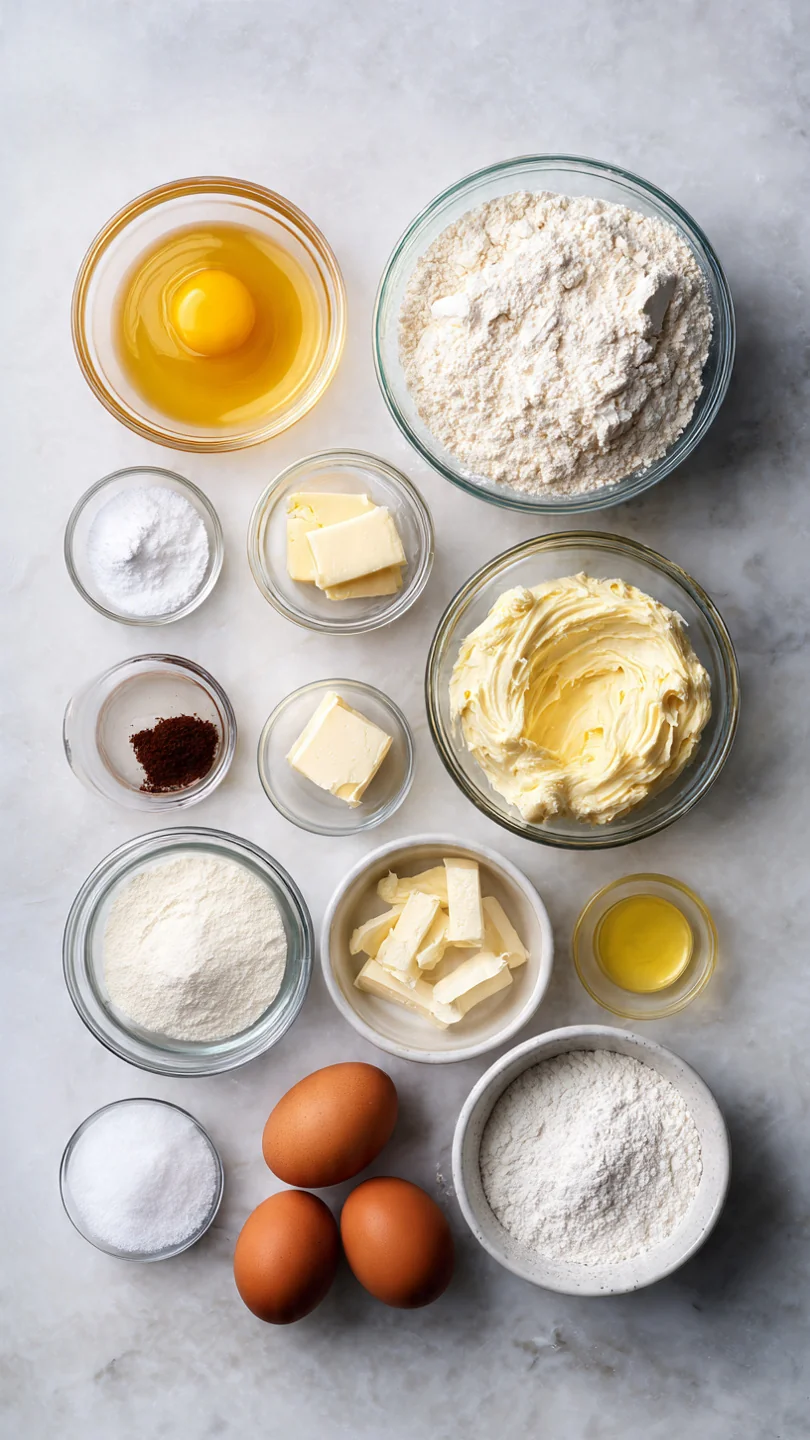
Note: You’ll find the complete list of ingredients, along with their exact measurements, in the printable recipe card at the bottom of this post.
Kitchen Equipment Needed
You don’t need any specialty tools, but a few key items will make the process smoother. A 15×10-inch jelly roll pan (a half sheet pan) is the perfect size for creating a thin, flexible cake layer. Lining it with parchment paper with an overhang is crucial for easy removal.
A stand mixer or hand mixer is highly recommended for properly aerating the eggs—doing this by hand is a serious workout. You’ll also need a thin, lint-free kitchen towel (a flour sack towel is ideal; avoid terry cloth as it will stick). Finally, have a fine-mesh sieve ready for dusting the powdered sugar evenly.
How to Make Carrot Cake Roll Recipe
Step 1: Whip the Eggs to Ribbon Stage
This is the most critical step for structure. In your mixer bowl, beat the room-temperature eggs on high speed for a full 5 minutes. Trust me, set a timer.
They should become very thick, pale yellow, and triple in volume. When you lift the beater, the batter should fall in a thick “ribbon” that holds its shape on the surface for a few seconds before dissolving. This incorporates the air that gives the cake its lift and flexibility.
Gradually beat in the sugar, then the oil and vanilla.
Step 2: Fold with Care
Now, gently fold in the grated carrots with a flexible rubber spatula. In a separate bowl, whisk together all the dry ingredients—flour, spices, baking powder, and salt. Sift this mixture over the egg batter in two additions.
Tip from me: Sifting not only removes lumps but also helps incorporate the flour more gently. Fold with a light hand, scraping from the bottom up, just until you no longer see dry flour. Overmixing will deflate all that precious air.
Step 3: Bake and Prepare to Roll
Pour the batter into your prepared pan and spread it into an even layer, making sure to reach the corners. Bake at 375°F for 10-12 minutes. The cake is done when the top springs back lightly when touched and the edges just begin to pull away from the pan.
Do not overbake! While it bakes, lay your clean towel flat and dust it generously with powdered sugar using your sieve.
Step 4: The Strategic Roll
As soon as the cake comes out of the oven, immediately invert it onto the sugared towel. Carefully peel off the parchment paper—it should come off easily. Now, starting from one of the short ends, use the towel to gently but confidently roll the cake into a log.
The towel will be inside the roll. This step sets the cake’s “muscle memory” while it’s warm and pliable, preventing cracks later. Let the rolled cake cool completely on a wire rack, about 1 hour.
Step 5: Fill, Finish, and Chill
For the frosting, beat the softened cream cheese and butter together until perfectly smooth and creamy. Beat in the powdered sugar, vanilla, and salt until light and fluffy. Unroll the cooled cake—it will lie flat easily.
Spread the frosting evenly over the surface, leaving a small border. Now, re-roll the cake tightly, using the towel as a guide but without rolling the towel inside this time. Wrap the finished roll in plastic wrap and refrigerate for at least 30 minutes.
This firms up the frosting for clean slicing. Step back and admire your beautiful swirls before dusting with powdered sugar to serve.
- Temperature is Everything: Cold eggs won’t whip properly, and cold cream cheese will make a lumpy frosting. Plan ahead to bring ingredients to room temperature.
- The Towel Trick: Using a thin towel dusted with powdered sugar is the professional’s secret to a crack-free roll. The sugar creates a non-stick barrier and absorbs excess moisture.
- Don’t Wait to Roll: You have about a 60-second window after the cake leaves the oven to get it onto the towel and rolled. This is when the cake’s structure is most flexible.
- Even Spreading: Take an extra moment to spread the batter evenly into all corners of the pan. An uneven thickness will cause the cake to bake and roll unevenly.
- Chill for Clean Slices: Resist the urge to slice immediately. Chilling the filled roll sets the frosting, allowing you to get those picture-perfect, clean swirls in every slice.
Recipe Variations
- Nutty Delight: Fold 1/2 cup of finely chopped toasted pecans or walnuts into the cake batter for added texture and flavor.
- Pineapple Twist: Add 1/4 cup of well-drained crushed pineapple to the batter along with the carrots for extra moisture and a tropical hint.
- Ginger Spice: Add 1-2 tablespoons of finely minced crystallized ginger to the frosting for a spicy, chewy surprise.
- Gluten-Free Adaptation: Substitute the all-purpose flour with a 1:1 gluten-free baking blend. The structure from the eggs should hold up well.
- Dairy-Free Option: Use a high-quality vegan cream cheese and plant-based butter for the frosting. The cake itself is naturally dairy-free.
- Coconut Carrot Cake: Sprinkle 1/3 cup of toasted shredded coconut over the frosting before rolling for a delightful texture.
- Maple Cream Cheese: Replace the vanilla in the frosting with 1 tablespoon of pure maple syrup for a deeper, autumnal flavor.
What to Serve With This Recipe
This carrot cake roll is a complete dessert on its own, but it can be beautifully complemented. For a brunch or afternoon tea, serve a slice alongside a cup of strong coffee or a pot of Earl Grey tea. The citrus notes in the tea pair wonderfully with the spices.
If you’re creating a dessert buffet for a holiday, it pairs excellently with lighter options like a fruit salad or lemon sorbet to balance its richness. For a special dinner party, a drizzle of warm caramel sauce or a dollop of lightly sweetened whipped cream on the side elevates it even further. It’s perfect for Easter, Thanksgiving, or any celebration where you want a show-stopping finale that doesn’t require a fork for everyone.
Storage & Make-Ahead Instructions
- Refrigeration: The finished cake roll stores beautifully. Keep it tightly wrapped in plastic wrap or in an airtight container in the refrigerator for up to 4 days.
- Freezing: This is an excellent dessert to freeze. Wrap the unfrosted, cooled cake roll (after its initial roll and unroll) tightly in plastic wrap and then aluminum foil. Freeze for up to 2 months. Thaw overnight in the refrigerator, then unroll, spread with frosting, and re-roll as directed.
- Make-Ahead Strategy: You can bake the sponge, complete the initial roll and cool, then wrap it tightly and refrigerate it for up to 24 hours before filling and finishing. The frosting can also be made 1-2 days ahead and stored covered in the refrigerator; let it soften at room temperature and re-whip briefly before using.
- Serving from Cold: For the best texture and flavor, let the chilled cake roll sit at room temperature for 15-20 minutes before slicing and serving.
Frequently Asked Questions
Q: My cake cracked when I rolled it. What went wrong?
A: The most common causes are overbaking (which dries out the sponge) or waiting too long to roll it after it comes out of the oven. The cake must be rolled while it’s still very warm and pliable. A small surface crack is usually fine and will be hidden inside the final roll.
Q: Can I use pre-shredded bagged carrots?
A: I don’t recommend it. Bagged carrots are often too thick, dry, and coarse for this delicate cake. Freshly grating your own ensures fine, moist shreds that integrate seamlessly.
Q: How do I know when the eggs are whipped enough?
A: The “ribbon stage” is key. After 5 minutes of beating on high, lift the beaters. The batter should fall in a thick, smooth stream that sits on top of the batter in the bowl for several seconds before sinking back in.
Q: My frosting is too runny. How can I fix it?
A: This usually happens if the cream cheese or butter was too soft or warm. Immediately refrigerate the frosting for 20-30 minutes to firm up, then re-whip. Using full-fat, brick-style cream cheese is essential.
Q: Can I make this without a mixer?
A: Whipping the eggs to the proper volume by hand with a whisk is extremely difficult and time-consuming. A hand mixer is a worthwhile investment for this and many other recipes.
Q: Why does the cake need to be rolled twice?
A: The first roll (while warm) trains the cake to hold a rolled shape and prevents it from cracking later. The second roll (with the frosting) is the final presentation.
Q: Can I add raisins to the cake batter?
A: You can, but I suggest soaking them in warm water or rum for 10 minutes first, then patting them dry. This plumps them up and prevents them from drawing moisture from the cake during baking.
Final Thoughts
Mastering the carrot cake roll is a rewarding baking milestone. It teaches you about the importance of temperature, timing, and gentle handling—skills that translate to countless other desserts. While it requires a bit of focused attention, none of the steps are complicated, and the payoff is a breathtaking dessert that tastes as good as it looks.
Remember, even professional bakers have cakes that crack sometimes; the beauty of the roll is that it’s forgiving. The creamy filling and final dusting of sugar hide a multitude of minor imperfections. I encourage you to give it a try, follow the tips on rolling the warm cake, and share your beautiful results.
Don’t forget to let it chill before slicing for those perfect swirls. Happy baking

Carrot Cake Roll with Cream Cheese Frosting Filling
Equipment
- 15×10-inch jelly roll pan (half sheet pan)
- Parchment paper
- Stand mixer or hand mixer
- Thin, lint-free kitchen towel (not terry cloth)
- Fine mesh sieve for dusting powdered sugar
- Rubber spatula
Ingredients
- 3 large Eggs room temperature
- 2/3 cup Granulated sugar
- 2 tablespoons Vegetable oil
- 1 teaspoon Vanilla extract
- 1 cup Finely grated carrots packed, from about 2 medium carrots
- 3/4 cup All-purpose flour spooned and leveled
- 1 teaspoon Ground cinnamon
- 1/2 teaspoon Ground ginger
- 1/4 teaspoon Ground nutmeg
- 1 teaspoon Baking powder
- 1/2 teaspoon Salt
- 1/4 cup Powdered sugar for rolling
- 8 ounces Cream cheese full-fat, softened to room temperature
- 6 tablespoons Unsalted butter softened to room temperature
- 1 cup Powdered sugar
- 1 teaspoon Vanilla extract
Instructions
- Preheat oven to 375°F (190°C). Line a 15×10-inch jelly roll pan with parchment paper, leaving a 1-inch overhang on the short sides. Lightly grease the paper and sides of the pan. In a large bowl, beat the eggs on high speed for 5 full minutes until thick, pale, and tripled in volume. Gradually add the granulated sugar, beating for another 2 minutes until ribbon-like. Beat in the oil and vanilla until just combined.
- Gently fold in the grated carrots with a rubber spatula. In a separate bowl, whisk together the flour, cinnamon, ginger, nutmeg, baking powder, and salt. Sift this dry mixture over the egg batter in two additions, folding gently after each until just combined and no dry streaks remain. Be careful not to deflate the batter.
- Pour and spread the batter evenly into the prepared pan, reaching all corners. Tap the pan lightly on the counter to release air bubbles. Bake for 10-12 minutes, or until the top springs back when lightly touched and the edges are just starting to pull away from the pan.
- While the cake bakes, lay a clean, thin kitchen towel on the counter. Dust it generously with the 1/4 cup of powdered sugar. As soon as the cake comes out of the oven, immediately invert it onto the sugared towel. Carefully peel off the parchment paper. Starting from a short end, use the towel to gently roll the warm cake into a log. Let it cool completely rolled up in the towel on a wire rack, about 1 hour.
- For the frosting, beat the softened cream cheese and butter together on medium speed until completely smooth and creamy, about 2 minutes. Beat in the powdered sugar, vanilla, and salt until light and fluffy. Unroll the cooled cake carefully. Spread the frosting evenly over the surface, leaving a 1/2-inch border on all sides. Re-roll the cake tightly, using the towel as a guide but without rolling the towel inside. Wrap the finished roll in plastic wrap and refrigerate for at least 30 minutes before slicing. Dust with more powdered sugar to serve.