
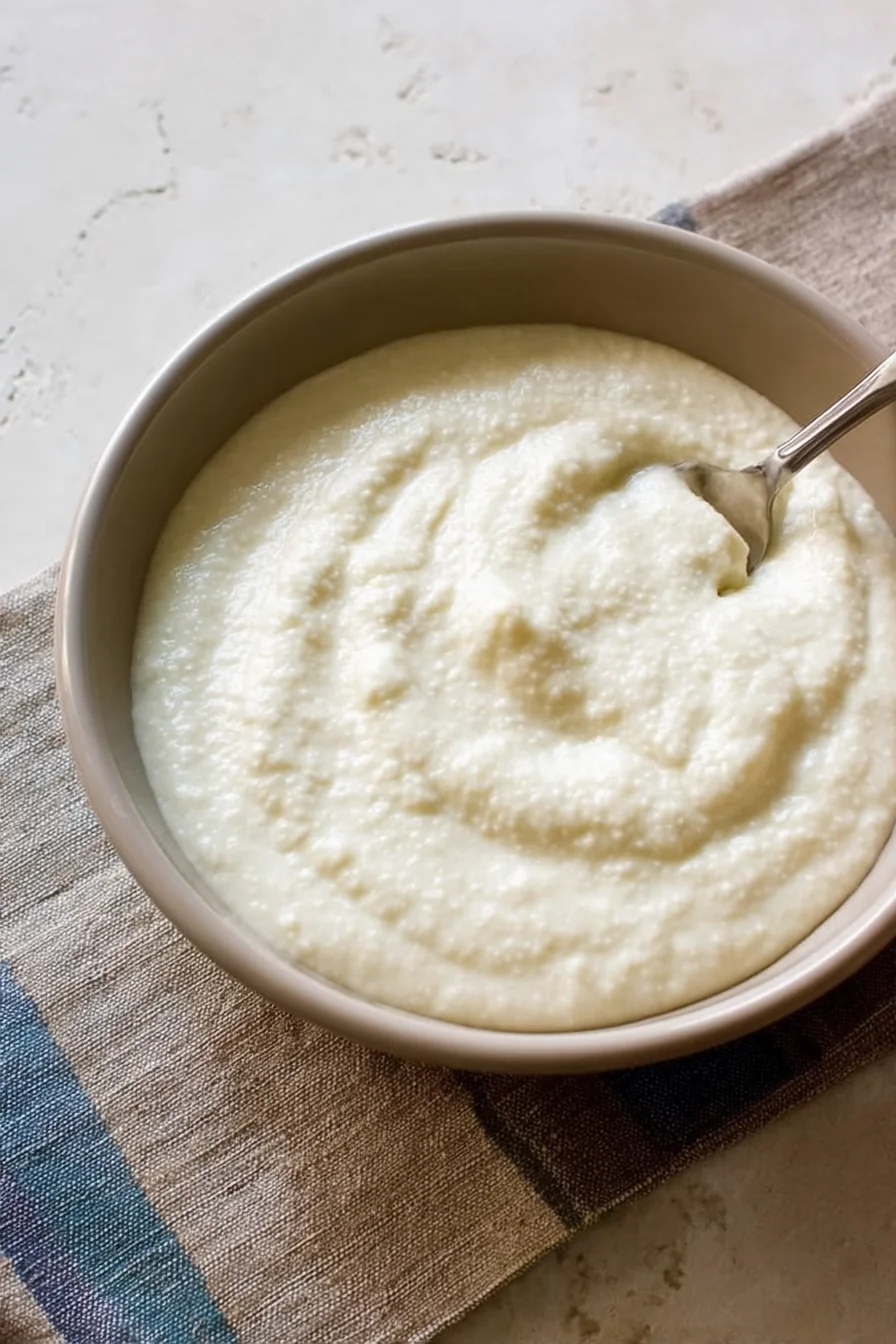
Cauliflower Sauce is a versatile and delicious option that can transform your meals. Whether you’re looking for a creamy pasta sauce, a dip for vegetables, or a base for other dishes, this recipe delivers a rich, flavorful experience without the heaviness of traditional sauces.
Why You’ll Love This Recipe
- Easy to Make: With just a few simple steps, you can have a homemade sauce ready in no time.
- Versatile: Use it as a pasta sauce, a dip, or a base for soups and casseroles.
- Healthy: Packed with nutrients from cauliflower and customizable to fit various dietary needs.
- Creamy Texture: Achieve a smooth and creamy consistency without using heavy cream.
- Flavorful: The combination of garlic, nutritional yeast, and lemon juice adds depth and a cheesy flavor.
- Dietary-Friendly: Easily adaptable for vegetarian, vegan, and gluten-free diets.
Ingredients & Preparation Notes
- Cauliflower: Choose a fresh, firm head of cauliflower. Cut into evenly sized florets for even cooking.
- Olive Oil: Use a good quality extra virgin olive oil for the best flavor.
- Garlic: Fresh garlic adds a robust flavor; mince it finely for even distribution.
- Vegetable Broth: Opt for low-sodium broth to control the saltiness of the sauce.
- Milk: Use whole milk for a richer sauce, or a non-dairy alternative like almond or oat milk for a vegan version.
- Nutritional Yeast: This adds a cheesy flavor and is a great source of B vitamins.
- Lemon Juice: Fresh lemon juice brightens the sauce; bottled can be used if fresh isn’t available.
- Salt and Pepper: Adjust to taste, but start with the recommended amounts.
Substitutions can include using different types of milk or broth, and you can even add herbs like thyme or rosemary for additional flavor.
Professional Tips & Techniques
- Cooking Cauliflower: Cook the cauliflower until it’s tender but not mushy. Overcooking can lead to a less appealing texture and a bitter taste.
- Blending: Blend the sauce until completely smooth for the best consistency. If using a less powerful blender, you might need to blend in batches.
- Temperature Control: Keep the sauce warm until serving. Reheat gently if needed to avoid separating the sauce.
- Seasoning: Taste the sauce after blending and adjust the seasoning. The flavors can intensify as the sauce sits.
- Visual Cues: The sauce should be a creamy white color with a smooth, pourable consistency. If it’s too thick, thin it out with a bit more milk or broth.
Recipe Variations
- Cheesy Cauliflower Sauce: Add 1/2 cup of shredded cheese, such as cheddar or Parmesan, for a richer flavor.
- Spicy Cauliflower Sauce: Include 1/4 teaspoon of red pepper flakes or a diced jalapeño for some heat.
- Herb-Infused: Stir in fresh herbs like parsley, basil, or dill after blending for a fresh twist.
- Vegan Version: Use a non-dairy milk and ensure your vegetable broth is vegan-friendly.
- Roasted Garlic: Roast the garlic before adding it to the sauce for a deeper, sweeter flavor.
- Cauliflower Alfredo: Add more nutritional yeast and a bit of cashew cream for a richer, Alfredo-like sauce.
- Cauliflower Soup Base: Thin the sauce with additional broth to use as a base for creamy soups.
- Cauliflower Mac and Cheese: Mix the sauce with cooked macaroni and bake with a breadcrumb topping for a healthier mac and cheese.
Serving Suggestions
- Pasta: Toss with your favorite pasta for a quick and satisfying meal.
- Vegetables: Use as a dip for raw or steamed vegetables, or drizzle over roasted veggies.
- Protein: Serve with grilled chicken, fish, or tofu for a complete meal.
- Grains: Pair with quinoa or rice for a hearty side dish.
- Presentation: Garnish with a sprinkle of fresh herbs or a drizzle of olive oil for an elegant touch.
- Pairing: Serve with a crisp white wine or a light, refreshing salad to balance the richness of the sauce.
Storage & Make-Ahead Tips
- Storage: Store the sauce in an airtight container in the refrigerator for up to 3 days.
- Shelf Life: The sauce can be frozen for up to 3 months. Thaw in the refrigerator before reheating.
- Make-Ahead: Prepare the sauce up to 2 days in advance and reheat gently before serving.
- Reheating: Reheat on the stove over low heat, stirring frequently, or in the microwave in short intervals, stirring between each.
Frequently Asked Questions
Q: Can I make this ahead of time?
Yes, you can prepare the sauce up to 2 days in advance and store it in the refrigerator. Reheat gently before serving.
Q: Is this sauce freezer-friendly?
Absolutely, the sauce can be frozen for up to 3 months. Thaw it in the refrigerator and reheat gently on the stove or in the microwave.
Q: Can I use frozen cauliflower?
Yes, you can use frozen cauliflower. Thaw it first and adjust the cooking time as needed.
Q: What can I substitute for nutritional yeast?
If you don’t have nutritional yeast, you can use grated Parmesan cheese for a similar cheesy flavor, though it won’t be vegan.
Q: How can I make the sauce thicker or thinner?
To thicken the sauce, simmer it on the stove until it reaches your desired consistency. To thin it, add more milk or broth a little at a time.
Q: Can I add other vegetables to the sauce?
Yes, you can add other vegetables like carrots or potatoes for a different flavor and texture. Just ensure they are cooked until tender before blending.
Q: Is this sauce suitable for a low-carb diet?
Yes, this sauce is low in carbs, making it suitable for low-carb diets. Adjust the milk and broth amounts to control the carb content.
Q: What’s the best way to reheat the sauce?
Reheat the sauce gently on the stove over low heat, stirring frequently, or in the microwave in short intervals, stirring between each to prevent separating.
Conclusion
This Cauliflower Sauce recipe is a game-changer in the kitchen, offering a healthy, delicious, and versatile option for your meals. Its creamy texture and rich flavor make it a perfect substitute for traditional sauces, and its ease of preparation means you can enjoy it any day of the week. Give it a try and see how it transforms your dishes.
Don’t forget to share your creations on social media and let us know how you enjoy this sauce!
Cauliflower Sauce
Equipment
- Large skillet with lid
- Blender or food processor
Ingredients
- 1 head cauliflower cut into florets
- 2 tablespoons olive oil
- 2 cloves garlic minced
- 1 cup vegetable broth
- 1/2 cup milk or non-dairy alternative
- 1/4 cup nutritional yeast
- 1 teaspoon lemon juice
- 1/2 teaspoon salt
- 1/4 teaspoon black pepper
Instructions
- Heat the olive oil in a large skillet over medium heat. Add the minced garlic and sauté for about 1 minute until fragrant.
- Add the cauliflower florets to the skillet and cook for 5 minutes, stirring occasionally, until they start to soften.
- Pour in the vegetable broth, bring to a simmer, and cover the skillet. Let the cauliflower cook for about 10-12 minutes until it's tender.
- Transfer the cooked cauliflower and garlic to a blender. Add the milk, nutritional yeast, lemon juice, salt, and pepper. Blend until smooth and creamy, about 1-2 minutes.
- Taste and adjust seasoning as needed. If the sauce is too thick, add a little more milk or broth to reach your desired consistency.