
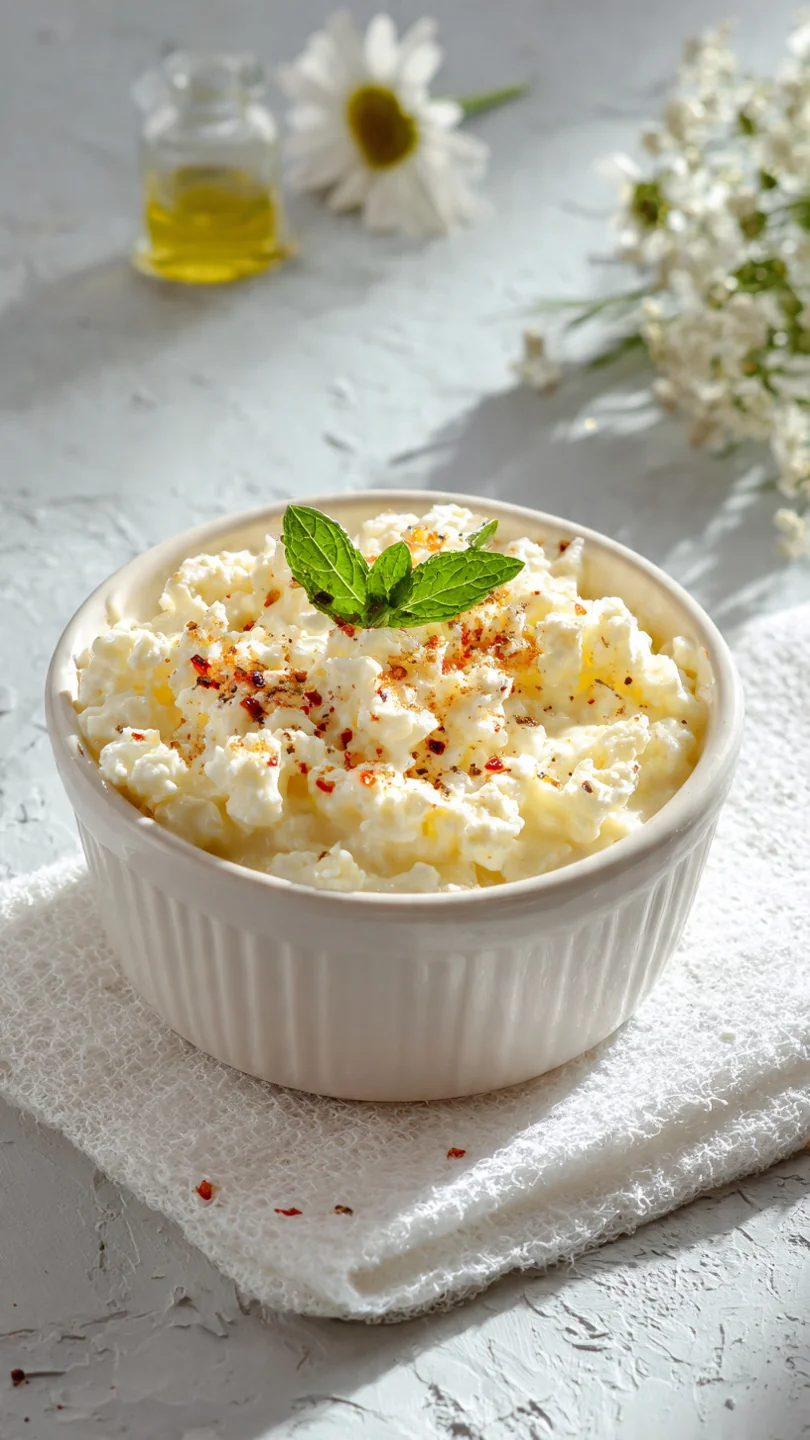
Imagine a bowl of pasta draped in a sauce so luxuriously creamy and indulgent, you’d never guess its secret ingredient. As a chef who has whisked gallons of traditional Alfredo, I was skeptical too. But after extensive testing, I can confidently say this Cottage Cheese Alfredo Sauce is a game-changer.
It delivers all the rich, garlicky, Parmesan-kissed flavor you crave, with a velvety texture that clings perfectly to fettuccine, while packing a powerful protein punch. It’s the satisfying comfort food upgrade your weeknight dinner rotation has been waiting for.
- Unexpectedly Creamy: Blending cottage cheese transforms its curds into an impossibly smooth, rich base that rivals heavy cream.
- Protein-Powered: With about 18 grams of protein per serving, this sauce turns a simple pasta dish into a balanced, filling meal.
- Quick & Simple: From blender to plate in 15 minutes, making it faster than waiting for takeout.
- Lighter Choice: It uses the natural creaminess of cottage cheese, offering a significantly lower fat profile than the classic version.
- Meal Prep Friendly: The sauce reheats beautifully, making it perfect for quick lunches or easy dinners later in the week.
- Incredibly Versatile: Don’t stop at pasta! Use it as a dip, a sauce for chicken or veggies, or a base for casseroles.
Ingredients You’ll Need
Let’s gather our ingredients—this is where simple, smart choices create magic. The key is quality and technique. You’re not just hiding cottage cheese in a sauce; you’re using it as the foundational element for creaminess and body.
- Full-Fat Cottage Cheese (4% milkfat): This is non-negotiable for the best texture and flavor. Low-fat varieties can make the sauce watery and less rich. I prefer small-curd for easier blending.
- Parmesan Cheese: Please, believe me, grate it yourself from a block. Pre-shredded cheese contains cellulose to prevent clumping, which can leave your sauce slightly grainy. The fresh, complex flavor is worth the extra minute.
- Whole Milk or Half-and-Half: This adjusts the consistency. Start with whole milk; you can always thin it with a splash of pasta water later.
- Fresh Garlic: The aromatic backbone. Minced or pressed works perfectly.
- Unsalted Butter: For sautéing the garlic and adding that essential layer of richness.
- Fresh Lemon Juice: Just a teaspoon! It doesn’t make the sauce taste lemony; it brightens all the dairy flavors and balances the richness.
- Fresh Nutmeg: A tiny pinch is a classic Italian touch that adds warmth and depth. Trust me on this one.
- Kosher Salt & Black Pepper: For seasoning. Remember, Parmesan is salty, so we season at the end.
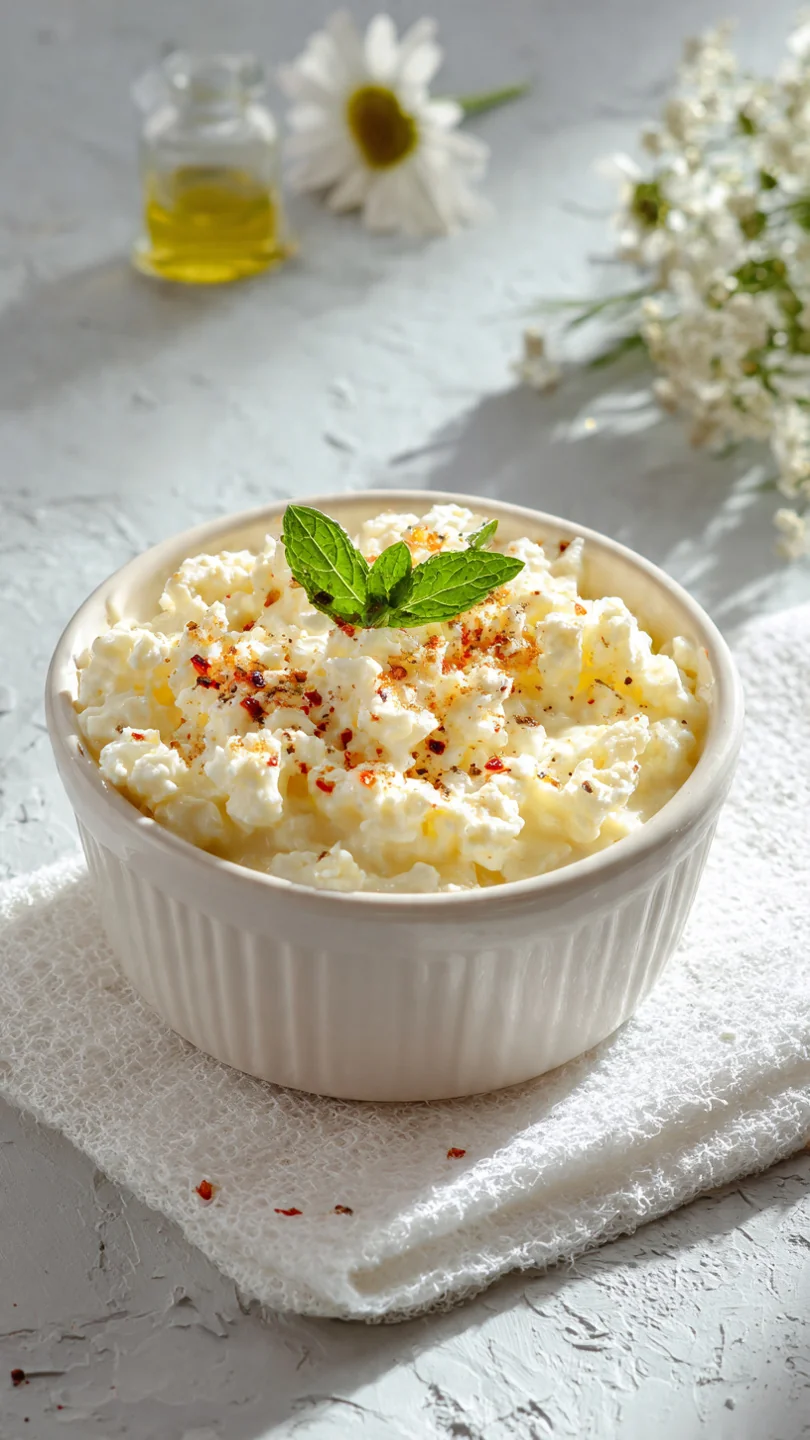
Note: You’ll find the complete list of ingredients, along with their exact measurements, in the printable recipe card at the bottom of this post.
Kitchen Equipment Needed
You don’t need any specialty gear. A high-speed blender is the hero here—it’s essential for achieving that perfectly silky, curd-free texture. A food processor can work in a pinch.
You’ll also need a medium saucepan or skillet for gentle heating, a whisk or silicone spatula for stirring, and a microplane or box grater for the Parmesan and nutmeg. That’s it!
How to Make Cottage Cheese Alfredo Sauce Recipe
Step 1: Create the Silky Base
In your blender, combine the cottage cheese, Parmesan, milk, lemon juice, nutmeg, and pepper. Blend on high for a full 45-60 seconds. You’re looking for a completely homogenous, smooth mixture with no visible curds.
Scrape down the sides halfway through if needed. This thorough blending is the secret to bypassing the “cottage cheese” texture entirely and creating a luxurious base.
Step 2: Bloom the Garlic
In your saucepan over medium-low heat, melt the butter. Add the minced garlic and cook for just 1-2 minutes, stirring constantly. You’ll smell its fragrance bloom, but you must not let it brown.
Browned garlic turns bitter and will overpower your delicate sauce. We’re just taking the raw edge off.
Step 3: Warm and Thicken
Reduce the heat to low. Pour your beautifully smooth blended mixture into the pan with the garlic butter. Now, cook gently for 3-5 minutes, stirring constantly with a whisk.
Tip from me: low and slow is the way. You’re warming it through and allowing it to thicken slightly, not trying to boil it. You’ll see it become glossy and coat the back of a spoon.
Step 4: Season and Combine
Remove the pan from the heat. Now, taste. Season with kosher salt carefully—the Parmesan has already contributed saltiness.
This is also the moment to toss it with your cooked pasta. Have a cup of starchy pasta water ready. Add the hot sauce to the pasta, tossing vigorously, and add splashes of pasta water until the sauce cloaks every strand in a creamy embrace.
Step 5: Garnish and Serve Immediately
Divide the pasta among warm bowls. Finish with an extra sprinkle of fresh Parmesan, a generous crack of black pepper, and perhaps some chopped parsley or basil for color. Serve right away while the sauce is at its peak creaminess.
Step back and admire how something so nutritious can look and taste so decadent.
- Blender Power is Key: If your sauce seems grainy after blending, you likely didn’t blend long enough. Keep going! The transformation is dramatic.
- Temperature Control: Never boil the sauce after adding the blended mixture. High heat can cause the proteins to tighten and squeeze out moisture, leading to separation.
- Pasta Water is Liquid Gold: The starchy water is your best friend for adjusting sauce consistency and helping it adhere to the pasta. Always reserve at least 1/2 cup before draining.
- For Ultra-Smooth Results: If you’re very texture-averse, you can press the blended sauce through a fine-mesh sieve before adding it to the pan. I find a powerful blender makes this unnecessary.
- Freshness Matters: Fresh garlic and lemon juice provide the bright, clean flavors that make this sauce sing. Avoid jarred garlic or bottled lemon juice here.
Recipe Variations & Customizations
- Herb-Infused: Blend in a handful of fresh basil or parsley with the cottage cheese for a vibrant green sauce.
- Spicy Kick: Add a pinch of red pepper flakes to the garlic butter as it cooks, or blend in a tablespoon of sun-dried tomato paste.
- Extra Cheesy: Stir in 1/4 cup of shredded mozzarella or fontina at the end of cooking for an even more decadent, stretchy sauce.
- Lemon Zest Boost: Add the zest of half a lemon to the blender for a more pronounced citrus note that pairs beautifully with seafood or chicken.
- Dairy-Free Version: For a vegan twist, use a plain, unsweetened high-protein plant-based yogurt and nutritional yeast in place of the cottage cheese and Parmesan. The technique remains the same.
- Loaded Veggie Sauce: After cooking the garlic, sauté a cup of sliced mushrooms or spinach before adding the blended mixture.
- Protein Add-In: This sauce is the perfect topping for grilled chicken breasts, shrimp, or meatballs for a complete meal.
What to Serve With This Recipe
This sauce is the star, so keep your sides simple. A crisp green salad with a sharp vinaigrette cuts through the richness perfectly. For a vegetable side, roasted broccoli, asparagus, or green beans are fantastic when tossed with a spoonful of the sauce.
If you’re serving it over pasta, garlic bread is a classic, non-negotiable companion for soaking up every last drop. For a beverage, a dry white wine like Pinot Grigio or a light-bodied red like Chianti works wonderfully. It’s an ideal easy dinner for busy weeknights, but elegant enough for a casual date night at home.
Storage & Make-Ahead Instructions
- Refrigeration: Store leftover sauce (or sauced pasta) in an airtight container in the refrigerator for up to 4 days.
- Reheating: Gently reheat in a saucepan over low heat, adding a tablespoon of milk or water and whisking constantly until smooth. The microwave can work but may cause separation; heat in short bursts and stir vigorously.
- Freezing: You can freeze the plain sauce for up to 2 months. Thaw overnight in the refrigerator and reheat gently on the stovetop, whisking well. Note: The texture may be slightly less velvety after freezing but will still taste great.
- Make-Ahead: The sauce base can be blended 1-2 days in advance and kept sealed in the refrigerator. When ready to eat, simply proceed with cooking the garlic and warming the sauce.
Nutritional Benefits
This recipe smartly leverages the nutritional profile of cottage cheese. It’s an excellent source of casein protein, which digests slowly, helping you feel full and satisfied longer. Compared to a traditional Alfredo, you’re swapping heavy cream’s saturated fat for cottage cheese’s protein and calcium, creating a more nutrient-dense sauce.
The Parmesan adds a boost of calcium and umami flavor without needing a huge quantity. It’s a satisfying way to enjoy a creamy pasta dish while supporting your protein goals.
Frequently Asked Questions
Q: Can I really not taste the cottage cheese?
A: When blended completely smooth and combined with the Parmesan and garlic, the cottage cheese flavor mellows dramatically. It provides body and creaminess, not its characteristic tang. My taste-testers are consistently surprised by the result.
Q: My sauce is too thick. How can I thin it out?
A: This is an easy fix! Simply whisk in additional milk, a tablespoon at a time, until you reach your desired consistency. The reserved starchy pasta water is also perfect for this and helps the sauce cling better.
Q: Can I use an immersion blender instead?
A: You can, but it may not achieve the same perfectly smooth texture as a high-speed countertop blender. If it’s your only option, blend for an extended time and strain the sauce through a fine-mesh sieve to catch any remaining curds.
Q: Is this sauce gluten-free?
A: The sauce itself contains no gluten. Simply serve it with your favorite gluten-free pasta, zucchini noodles, or over roasted vegetables for a completely gluten-free meal.
Q: Why did my sauce turn out grainy?
A: Two likely culprits: 1) Not blending long enough, or 2) Using pre-shredded Parmesan cheese. The anti-caking agents in bagged cheese can cause graininess. Always blend thoroughly and use freshly grated cheese.
Q: Can I make it without a blender?
A: Unfortunately, no. The blending step is essential to break down the cottage cheese curds and create the smooth Alfredo texture. A food processor is the only suitable alternative.
Q: How can I add more flavor?
A: Sauté a finely chopped shallot with the garlic, use a roasted garlic paste, or finish the sauce with a tablespoon of white wine or a dash of Worcestershire sauce after cooking the garlic (let it reduce slightly before adding the blended mix).
Final Thoughts
This Cottage Cheese Alfredo Sauce represents what I love most about modern home cooking: taking a beloved classic and making it work smarter for our lives. It’s proof that you don’t have to sacrifice flavor or texture for nutrition. In just 15 minutes, you get a sauce that’s creamy, satisfying, and packed with protein—a true multitasker for your kitchen.
I’ve served this to everyone from skeptical foodies to hungry kids, and it wins every time. Give it a try, play with the variations, and make it your own. I’d love to hear how it turns out for you!
Share your creations online and tag me. Now, go grab your blender and get ready for a new staple in your recipe collection.
Cottage Cheese Alfredo Sauce
Equipment
- High-speed blender or food processor
- Medium saucepan or skillet
- Whisk or silicone spatula
- Microplane or box grater (for Parmesan and nutmeg)
Ingredients
- 1 cup full-fat cottage cheese Small curd, 4% milkfat preferred for best creaminess
- 1/2 cup finely grated Parmesan cheese Freshly grated from a block, not canned
- 1/3 cup whole milk or half-and-half Adjust for desired thickness
- 2 cloves garlic Minced or pressed
- 2 tbsp unsalted butter
- 1 tsp fresh lemon juice
- 1/4 tsp freshly grated nutmeg Optional but recommended
- 1/4 tsp black pepper Freshly ground, plus more for serving
- 1/4 tsp kosher salt Plus more to taste
Instructions
- In a high-speed blender or food processor, combine the cottage cheese, grated Parmesan, milk, lemon juice, nutmeg, and black pepper. Blend on high for 45-60 seconds until the mixture is completely smooth, silky, and no curds remain. Scrape down the sides once if needed. Trust me, this step is non-negotiable for that classic Alfredo texture.
- In a medium saucepan or skillet over medium-low heat, melt the butter. Add the minced garlic and cook for 1-2 minutes, stirring constantly, until fragrant but not browned. You want to gently cook the raw edge off the garlic without letting it burn, which would make the sauce bitter.
- Reduce the heat to low. Pour the blended cottage cheese mixture into the pan with the garlic butter. Cook, stirring constantly with a whisk or silicone spatula, for 3-5 minutes. The sauce will thicken slightly and become hot throughout. Do not let it boil. Tip from me: constant stirring prevents the dairy from separating and ensures a velvety consistency.
- Taste the sauce and season with kosher salt. Remember, Parmesan is salty, so start with 1/4 tsp and adjust. The sauce is now ready! For the best experience, immediately toss it with 12 oz of freshly cooked, hot pasta (like fettuccine), adding a splash of pasta water to help it cling beautifully to every strand.
- Divide the sauced pasta among bowls. Garnish with extra grated Parmesan, a crack of black pepper, and a sprinkle of chopped fresh parsley or basil if desired. Step back and admire your creamy creation—this is comfort food that loves you back with a serious protein punch.