
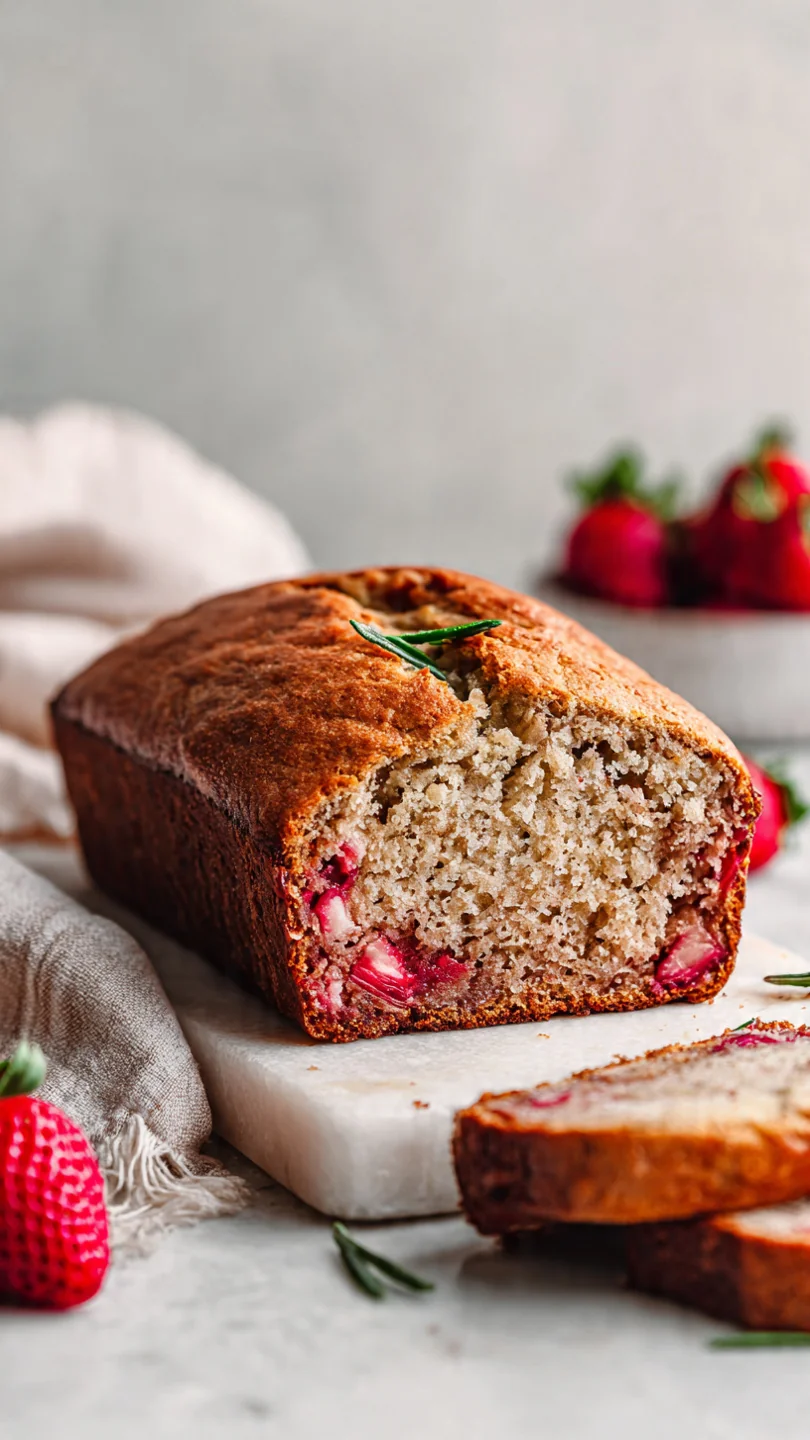
There’s something undeniably comforting about the aroma of banana bread baking in the oven. Now, imagine that classic warmth punctuated with the bright, juicy burst of fresh strawberries. This strawberry banana bread is the happy marriage of two beloved flavors, creating a moist, tender loaf that’s far greater than the sum of its parts.
It’s the kind of recipe that turns overripe bananas and seasonal berries into a show-stopping treat perfect for any time of day. Having tested this formula multiple times in my professional kitchen, I’ve refined it to deliver consistent, bakery-quality results in your home oven. You’ll get a beautifully domed loaf with a tender crumb, pockets of sweet strawberry, and a flavor that will have everyone asking for the recipe.
- Perfect Texture: The combination of yogurt and ripe bananas guarantees an exceptionally moist and tender crumb that stays soft for days.
- Bursting with Fruit: Every slice is packed with sweet banana flavor and juicy pieces of fresh strawberry, creating a delightful contrast.
- Simple to Make: This is a straightforward, one-bowl recipe (plus one for dry ingredients) that requires no special skills or mixer.
- Clever Baking Tip: Learn the professional trick of coating strawberries in flour to keep them suspended evenly throughout the loaf, preventing a soggy bottom.
- Versatile & Customizable: Easily adapt this base recipe with different mix-ins, nuts, or spices to make it your own.
- Crowd-Pleasing Treat: Equally loved by adults and children, it’s perfect for breakfast, an afternoon snack, or a simple dessert.
Ingredients You’ll Need
Let’s gather our ingredients—this recipe transforms simple pantry staples and fresh fruit into something truly magical. The key to success here is ingredient quality and temperature. Using very ripe, spotty bananas is non-negotiable; they provide natural sweetness and moisture.
For the strawberries, fresh is best, as frozen berries release too much water and can turn the batter pink and soggy. The yogurt (or sour cream) is my secret weapon for added tenderness and a slight tang that balances the sweetness. Trust me, don’t skip it.
If you need to make substitutions, I cover all that in the FAQ section below.
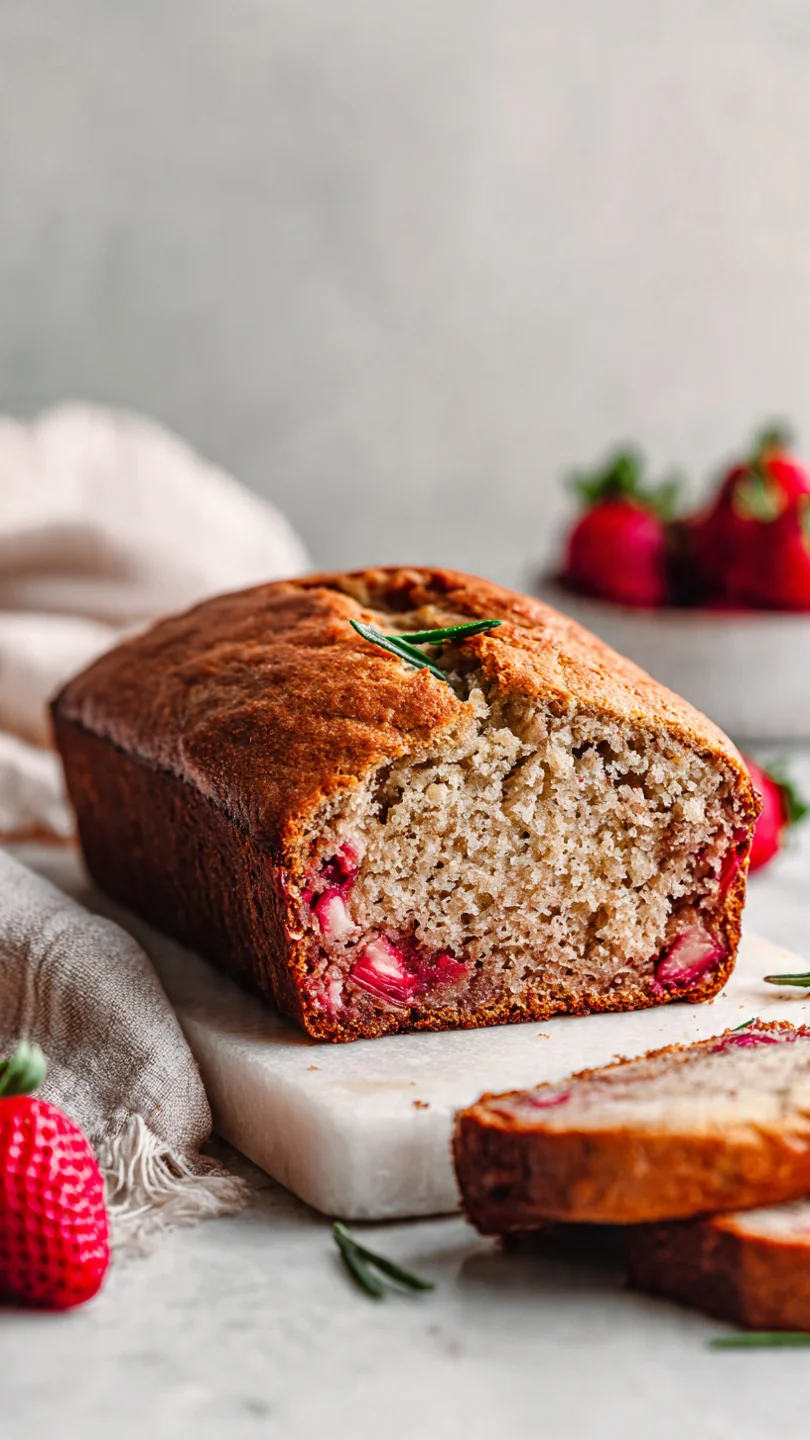
Note: You’ll find the complete list of ingredients, along with their exact measurements, in the printable recipe card at the bottom of this post.
Kitchen Equipment Needed
You likely have everything you need already. The essential tool is a standard 9×5-inch metal loaf pan—glass or ceramic pans bake differently and may require adjustment. Parchment paper is highly recommended for foolproof removal and clean-up.
You’ll also need a large mixing bowl, a medium bowl for whisking dry ingredients, a whisk, a rubber spatula for gentle folding, and a wire cooling rack. A toothpick or cake tester is the best way to check for doneness. While not required, a kitchen scale for measuring flour will give you the most precise results.
How to Make Strawberry Banana Bread Recipe
Step 1: Prep and Combine Wet Ingredients
Preheat your oven to 350°F (175°C) to ensure a consistent baking environment. Grease your loaf pan and line it with parchment paper—this guarantees easy release. In your large bowl, mash the bananas until mostly smooth.
Tip from me: a few small lumps are perfectly fine and add texture. To the bananas, add the eggs, slightly cooled melted butter, yogurt, sugar, and vanilla. Now, whisk vigorously for a full minute.
Believe me, this step incorporates air and helps emulsify the fats and liquids, leading to a better rise and crumb structure.
Step 2: Mix Dry Ingredients and Prepare Strawberries
In your separate medium bowl, whisk together the flour, baking soda, baking powder, and salt. This ensures the leaveners are evenly distributed for a uniform rise. Here’s the crucial professional tip: in a small bowl, toss your diced strawberries with that one tablespoon of flour.
This light coating absorbs excess surface moisture and provides a bit of grip for the batter, which is the secret to keeping those juicy berries from sinking straight to the bottom during baking.
Step 3: Gently Combine and Fold
Add the dry flour mixture to the wet banana mixture. Using your rubber spatula, gently fold them together. I cannot stress this enough: mix only until the last streaks of flour disappear.
Overmixing develops the gluten in the flour, resulting in a tough, dense bread. A few small lumps are absolutely okay. Once combined, gently fold in the flour-coated strawberries, saving a few pretty pieces for the top if you like.
Step 4: Bake to Perfection
Pour the thick, fruit-studded batter into your prepared pan. Smooth the top and press in your reserved strawberry pieces for a beautiful finish. Place it in the center of your preheated oven.
Bake for 60 to 70 minutes. Start checking at the 55-minute mark by inserting a toothpick into the center of the loaf. You’re looking for it to come out clean or with a few moist crumbs clinging to it—no wet batter.
The top will be a deep golden brown and will spring back lightly when touched.
Step 5: Cool Completely and Serve
This patience-testing step is vital for structure. Remove the pan from the oven and let the bread cool in the pan on a wire rack for 20 minutes. This allows it to set enough to handle.
Then, using the parchment paper “handles,” lift the loaf out and let it cool completely on the rack for about 2 hours. I know it’s tempting, but slicing into a warm loaf will cause it to crumble. Once cooled, use a serrated knife for clean slices.
Step back and admire your beautiful, fruit-filled creation before serving.
- Banana Ripeness is Key: The blacker the banana, the better. They should be very soft and sweet. If your bananas aren’t ripe enough, you can bake them (unpeeled) on a baking sheet at 300°F for 15-20 minutes until the skins blacken.
- The Flour-Coating Trick: This is non-negotiable for fruit quick breads. The thin layer of flour creates a barrier between the wet fruit and the batter, preventing the berries from bleeding color and moisture excessively and sinking.
- Avoid Overmixing: Once you add the flour to the wet ingredients, switch from a whisk to a spatula and use a gentle folding motion. Mix just until combined. Overworked batter leads to tunnels and a tough texture.
- The Toothpick Test: Don’t rely solely on time. Ovens vary. The toothpick test is your most reliable indicator. If the top is browning too quickly but the center is still wet, tent the loaf loosely with aluminum foil.
- Cooling is Part of Baking: Allowing the bread to cool completely in the pan and then on a rack allows the internal steam to finish cooking the crumb and the structure to firm up, making for perfect, non-crumbly slices.
Recipe Variations
- Streusel Topping: For a decadent twist, mix 1/4 cup flour, 1/4 cup brown sugar, 2 tbsp cold cubed butter, and 1/2 tsp cinnamon with a fork until crumbly. Sprinkle over the batter before baking.
- Lemon Zest Brightness: Add the zest of one lemon to the wet ingredients. The citrus note beautifully highlights the strawberries and cuts through the sweetness.
- Nutty Crunch: Fold in 3/4 cup of chopped walnuts or pecans with the strawberries for added texture and a rich, toasty flavor.
- Chocolate Chip Indulgence: Replace 1/2 cup of the strawberries with 3/4 cup of semi-sweet or white chocolate chips for a dessert-forward loaf.
- Gluten-Free Adaptation: Substitute the all-purpose flour with a 1:1 gluten-free baking blend. The result will be slightly more delicate but still delicious.
- Dairy-Free Version: Use an equal amount of melted coconut oil or a plant-based butter stick, and replace the yogurt with an unsweetened, thick dairy-free yogurt or applesauce.
What to Serve With This Recipe
This strawberry banana bread is wonderfully versatile. For a simple breakfast, enjoy a slice with a smear of cream cheese or almond butter alongside a cup of coffee. It makes an excellent component of a brunch spread, paired with savory items like scrambled eggs or a frittata.
As an afternoon snack, it’s perfect with a glass of cold milk or a cup of tea. For dessert, elevate it by serving it slightly warmed with a scoop of vanilla bean ice cream or a dollop of freshly whipped cream. It’s also a fantastic packed lunch treat or a thoughtful homemade gift when wrapped in parchment and tied with twine.
Storage & Make-Ahead Instructions
- Room Temperature Storage: Once completely cooled, wrap the loaf tightly in plastic wrap or store it in an airtight container at room temperature for up to 3 days. The crust will soften, which many prefer.
- Refrigerator Storage: For longer storage, refrigerate the wrapped loaf for up to 1 week. Let slices come to room temperature or warm them briefly before serving.
- Freezing for Later: This bread freezes beautifully. Wrap the cooled whole loaf or individual slices tightly in plastic wrap, then place in a freezer bag. Freeze for up to 3 months. Thaw overnight in the refrigerator or at room temperature.
- Make-Ahead Strategy: You can prepare the dry mix (flour, leaveners, salt) in a bowl and store it covered a day ahead. Mash the bananas and dice the strawberries the morning of baking for the freshest result.
Frequently Asked Questions
Q: Can I use frozen strawberries?
I do not recommend it for this recipe. Frozen strawberries release a significant amount of water when thawing, which can make the batter too wet and turn it an unappealing pinkish-grey color. For best results, use fresh, firm strawberries.
Q: My bread is browning too fast on top but raw inside. What do I do?
This is common. Simply tent the loaf pan loosely with a piece of aluminum foil for the remainder of the baking time. This will shield the top from direct heat, allowing the center to cook through without over-browning.
Q: Can I make this into muffins?
Absolutely! Divide the batter into a lined muffin tin, filling each cup about 2/3 full. Reduce the baking time to 20-25 minutes, or until a toothpick inserted into the center of a muffin comes out clean.
Q: What’s the best substitute for the yogurt?
An equal amount of full-fat sour cream works perfectly. You can also use buttermilk or, in a pinch, an additional 1/3 cup of mashed banana, though the crumb may be slightly denser.
Q: Why did my strawberries still sink to the bottom?
This usually happens if the berries weren’t coated in flour, if they were cut too large, or if the batter was too thin (often from using frozen berries). Ensure your batter is thick and your berries are well-coated in that tablespoon of flour.
Q: How do I know when the bananas are ripe enough?
They should be heavily speckled with brown or even mostly brown/black. The peel may feel very thin, and the banana inside should be very soft and sweet. Underripe bananas lack both flavor and moisture.
Q: Can I reduce the sugar?
You can reduce it to 3/4 cup without major issues, as the bananas and strawberries provide natural sweetness. Reducing it further may affect the texture and browning.
Final Thoughts
This strawberry banana bread is more than just a recipe; it’s a reliable way to create something genuinely special from simple ingredients. The techniques shared here—from coating the fruit to the importance of cooling—are the same ones I use daily to ensure professional-quality results in a home kitchen. The reward is a beautifully moist, flavorful loaf that fills your home with an irresistible aroma and brings a smile to anyone who tries it.
I encourage you to give it a try, make it your own with the variations, and share it with someone you care about. Don’t forget to come back and let me know how it turned out in the comments! If you loved this recipe, explore my site for more tested and trusted baking projects.
Happy baking
Strawberry Banana Bread
Equipment
- 9×5-inch metal loaf pan
- Parchment paper
- Large mixing bowl
- Medium mixing bowl
- Whisk and rubber spatula
- Wire cooling rack
- Toothpick or cake tester
Ingredients
- 3 large ripe bananas mashed (about 1 1/2 cups)
- 2 large eggs room temperature
- 1/3 cup unsalted butter melted and cooled slightly
- 1/3 cup plain yogurt or sour cream full-fat recommended
- 1 cup granulated sugar
- 2 cups all-purpose flour spooned and leveled
- 1 tsp baking soda
- 1/2 tsp baking powder
- 1/2 tsp salt
- 1 tsp pure vanilla extract
- 1 1/2 cups fresh strawberries hulled and diced, plus 3-4 for topping
- 1 tbsp all-purpose flour for coating strawberries
Instructions
- Preheat your oven to 350°F (175°C). Grease a 9×5-inch loaf pan and line it with parchment paper, leaving an overhang on the long sides for easy removal. In a large bowl, mash the ripe bananas with a fork until mostly smooth with a few small lumps for texture. Add the eggs, melted butter, yogurt, sugar, and vanilla extract. Whisk vigorously for about 60 seconds until the mixture is completely combined and slightly frothy.
- In a separate medium bowl, whisk together the 2 cups of flour, baking soda, baking powder, and salt. Toss the diced strawberries with the 1 tablespoon of flour until lightly coated—this crucial step helps prevent them from sinking to the bottom during baking. Gently fold the dry flour mixture into the wet banana mixture using a rubber spatula. Mix just until the last streaks of flour disappear; overmixing leads to a tough crumb.
- Now, carefully fold in the flour-coated strawberries, reserving a small handful for the top if desired. Pour the thick batter into your prepared loaf pan and smooth the top with your spatula. Arrange the reserved strawberry pieces or a few thin slices on top of the batter, pressing them in lightly. This creates a beautiful, fruity presentation.
- Place the loaf pan in the center of your preheated oven and bake for 60-70 minutes. Start checking at the 55-minute mark. The bread is done when a toothpick or cake tester inserted into the center comes out clean or with a few moist crumbs (but no wet batter), and the top is a deep golden brown. The top will also have a firm spring when gently pressed.
- This is the hardest part—trust me. Remove the pan from the oven and place it on a wire cooling rack. Let the bread cool in the pan for a full 20 minutes. Then, using the parchment paper overhang, carefully lift the loaf out of the pan and place it directly on the rack to cool completely, about 2 hours. This cooling period is essential for the structure to set, making it easier to slice cleanly.