

There’s something undeniably special about breaking into a perfectly constructed Eggs Benedict. The moment your fork pierces the soft poached egg, releasing a river of golden yolk to mingle with the rich, lemony hollandaise, all atop a crisp, buttery base—it’s brunch perfection. For years, this classic felt reserved for restaurant chefs, with its reputation for finicky sauces and delicate eggs.
But what if I told you that with a few professional tricks and a clear plan, you can consistently create this luxurious dish in your own kitchen? This easy Eggs Benedict recipe demystifies the process, breaking it down into manageable, foolproof steps. You’ll achieve a beautiful, impressive plate with a harmony of textures and flavors that will make any morning feel like a celebration.
- Restaurant-Quality at Home: Impress your family and guests with a brunch centerpiece that looks and tastes professional, without the high price tag or wait.
- Foolproof Blender Hollandaise: My tested blender method virtually guarantees a smooth, emulsified sauce every time, eliminating the fear of it “breaking” or curdling.
- Master Poached Eggs: Learn the simple whirlpool technique for creating neat, tender poached eggs with runny, golden yolks—a skill you’ll use for countless other dishes.
- Customizable Foundation: This recipe is a perfect template. Easily swap the Canadian bacon for smoked salmon, spinach, or avocado to create Eggs Royale, Florentine, or California Benedict.
- 30-Minute Timeline: From start to finish, you can have this elegant dish on the table in half an hour with a bit of organized multitasking.
- The Ultimate Comfort Food: It delivers the perfect balance of rich, savory, and bright flavors that feels like a warm, indulgent hug on a plate.
Ingredients You’ll Need
Let’s gather our ingredients—this short list of pantry and fridge staples is all you need to create brunch magic. The quality of your core ingredients makes a noticeable difference here. For the hollandaise, using real, unsalted butter and fresh lemon juice is non-negotiable for that classic, bright flavor.
For poaching, the fresher your eggs, the better they will hold their shape in the water. The thin layer of albumen in fresh eggs stays tighter around the yolk. If you can’t find Canadian bacon, a thick slice of good-quality ham works beautifully.
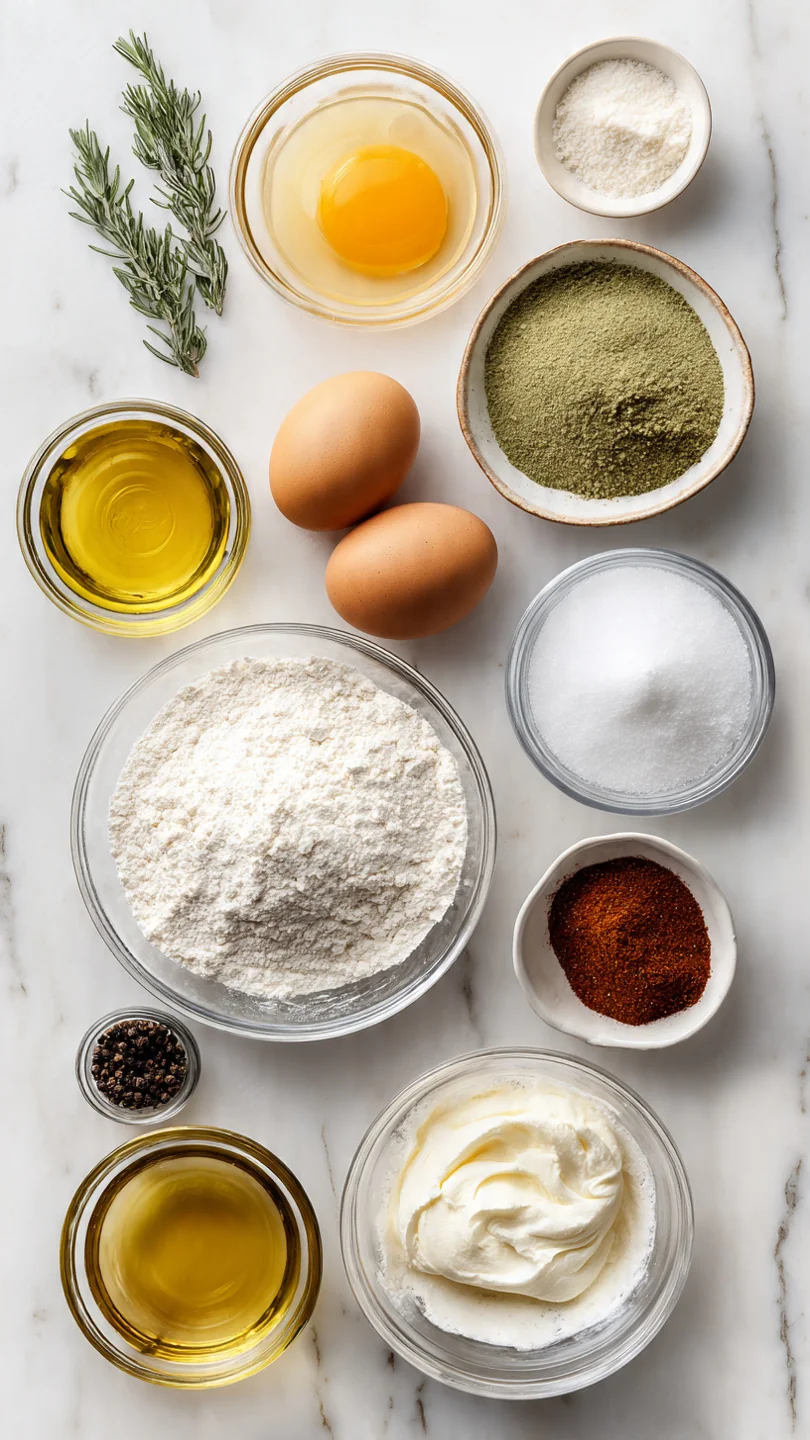
Note: You’ll find the complete list of ingredients, along with their exact measurements, in the printable recipe card at the bottom of this post.
Kitchen Equipment Needed
You don’t need specialized brunch equipment. A medium saucepan for poaching and a slotted spoon for retrieving the eggs are essential. The game-changer for the sauce is a blender (a regular countertop model or an immersion blender with its tall cup works perfectly) which makes the hollandaise effortless.
You’ll also need a small skillet for warming the ham and a small heatproof bowl to keep the finished sauce warm over your poaching pot. A toaster or your oven’s broiler will handle the English muffins.
How to Make Easy Eggs Benedict Recipe
Step 1: Mise en Place and Base Prep
The key to a smooth cooking process is having everything ready. Start by toasting your English muffins until they’re genuinely crisp—this is crucial because a soft muffin will become soggy under the sauce. Warm your plates in a low oven.
In your medium saucepan, bring the water and vinegar to that perfect bare simmer; you should see small bubbles at the bottom and sides, but no vigorous rolling. In a small skillet, quickly sear the Canadian bacon just to warm it through and give it a hint of color. Believe me, taking these five minutes to set up makes the next 15 minutes completely stress-free.
Step 2: Create the Foolproof Hollandaise
Now for the sauce that intimidates so many. We’re using the blender method, which is virtually fail-safe. Combine the egg yolks, fresh lemon juice, cayenne, and a pinch of salt in the blender.
Blend on high for a good 30 seconds until the mixture is pale, frothy, and slightly thickened. This aeration helps with the emulsion. Here’s the critical part: with the blender running on its lowest setting, drizzle in the hot, melted butter in a very slow, thin, steady stream.
Tip from me: pour it down the center funnel if your blender has one. You’ll see the magic happen as it thickens into a creamy, pale yellow sauce. Taste and adjust with salt and a pinch of white pepper.
Step 3: The Art of the Poached Egg
With your sauce resting in a bowl over the warm (not hot) poaching water, focus on the eggs. Crack each cold egg into its own small cup. Using a spoon, stir the simmering vinegar water vigorously to create a gentle whirlpool in the center.
This vortex helps the egg white wrap neatly around the yolk. Immediately slide one egg from the cup into the center of the whirlpool. Let it cook undisturbed for 3 to 4 minutes for a firm white and a gloriously runny yolk.
Trust me, a timer is your friend here. Remove with a slotted spoon, dab the bottom on a towel, and repeat.
Step 4: The Satisfying Assembly
This is the fun part where it all comes together. On your warmed plates, place two toasted English muffin halves. Top each with a slice of the warm Canadian bacon.
Now, gently lower a poached egg onto each bacon slice. The goal is to keep that yolk intact until the moment of eating. Finally, generously spoon the warm hollandaise sauce over each egg.
Don’t be shy—let it drape over the sides and pool a little on the plate. The visual contrast is part of the appeal.
Step 5: Garnish and Serve Immediately
The final touch is all about freshness and color. Sprinkle the plated Benedicts with finely chopped fresh chives and a final crack of black pepper. Now, step back and admire your creation.
Serve immediately. Eggs Benedict does not wait; it’s a dish that demands to be eaten the second it’s assembled, when the muffin is still crisp, the egg is warm, and the hollandaise is luxuriously fluid.
Freshness is Key: For the neatest poached eggs, use the freshest eggs you can find. The whites are thicker and will hold their shape better in the water. Butter Temperature: Your melted butter must be hot when added to the egg yolks in the blender. If it’s lukewarm, the sauce won’t thicken properly. I melt mine and let it bubble for a few seconds before using. The Simmer, Not Boil Rule: Keep your poaching water at a bare simmer (around 180-190°F). A rolling boil will agitate the eggs too much, resulting in ragged whites and overcooked yolks. Sauce Safety & Holding: Because the sauce contains raw egg yolks, you must keep it above 140°F if holding. Placing the bowl over the warm poaching water (off the heat) is perfect. Do not hold for more than 2 hours. The Muffin Defense: Toasting the English muffins thoroughly is your best defense against sogginess. A light toast won’t hold up to the moisture from the egg and sauce.Recipe Variations
- Eggs Florentine: Swap the Canadian bacon for a bed of sautéed spinach that has been well-wrung of excess moisture. A pinch of nutmeg in the spinach adds a lovely depth.
What to Serve With This Recipe
Eggs Benedict is rich, so pairing it with something light and acidic helps balance the plate. A simple arugula salad with a lemon vinaigrette is my go-to. For a more substantial brunch spread, add a platter of fresh fruit like berries and melon, or some breakfast potatoes roasted with herbs.
In terms of drinks, it’s a classic partner for mimosas or Bloody Marys. For a non-alcoholic option, a freshly squeezed grapefruit juice or a pot of strong English breakfast tea complements the flavors perfectly. This dish is ideal for celebratory brunches like Mother’s Day, birthdays, or a leisurely weekend treat with friends.
Storage & Make-Ahead Instructions
- Honestly, Eggs Benedict is best enjoyed immediately. However, you can prep components ahead to streamline your morning.
Frequently Asked Questions
Q: My hollandaise sauce broke or separated. Can I fix it?
A: Absolutely. This is a common scare. Place a fresh egg yolk in a clean bowl.
Whisk vigorously while very slowly drizzling in the broken sauce. It should re-emulsify. If it’s too thick, whisk in a few drops of warm water.
Q: Can I make this recipe for a crowd?
A: Yes, but organization is key. Use a wide, shallow pan to poach 4-6 eggs at once. Keep the finished eggs in a bowl of warm water while you finish the batch.
Make the hollandaise in a larger blender batch and keep it warm in a thermos.
Q: I don’t have white vinegar. What can I use for poaching?
A: Any clear, mild acid will work. Lemon juice or apple cider vinegar are good substitutes. The acid helps the egg whites coagulate faster for a tidier shape.
Q: Why do my poached eggs have wispy, feathery whites?
A: This is usually due to older eggs or water that is at too vigorous a simmer. Use the freshest eggs possible and maintain that gentle, bare simmer. You can also strain each cracked egg through a fine-mesh sieve to remove the loosest white before poaching.
Q: Is there a way to make the hollandaise without a blender?
A: Yes, the traditional method uses a double boiler. Whisk yolks, lemon juice, and water over gently simmering water until thickened, then slowly whisk in melted butter. The blender is simply more foolproof for beginners.
Q: Can I use bacon instead of Canadian bacon?
A: Of course! Cook 4 slices of regular bacon until crisp. The smoky, salty flavor is a delicious twist on the classic.
Q: How do I know when my poached egg is done?
A: For a runny yolk, 3-4 minutes is perfect. Lift the egg with a slotted spoon and gently press the yolk with your finger. It should feel soft but not liquid.
The white should be completely set and opaque.
Final Thoughts
Mastering this easy Eggs Benedict recipe is about embracing a process, not achieving impossible perfection. It’s about understanding that a gentle simmer is better than a rolling boil, that hot butter is the secret to a thick sauce, and that a crisp base makes all the difference. This dish has brought so much joy to my own weekend tables and special occasions, and I’m confident it will do the same for you.
It’s a rewarding culinary project that turns simple ingredients into something extraordinary. So gather your ingredients, take a deep breath, and give it a try. I promise, the moment you cut into that first perfect bite, you’ll feel like a brunch champion.
I’d love to hear how it turns out for you—share your creations and any questions you have. Happy cooking

Easy Eggs Benedict
Equipment
- Medium saucepan (for poaching)
- Slotted spoon
- Blender or immersion blender with cup
- Small skillet
- Small heatproof bowl
- Toaster or oven broiler
Ingredients
- 2 English muffins split
- 4 slices Canadian bacon or thick-cut ham
- 4 large eggs fresh and cold
- 1 tbsp white vinegar for poaching water
- 3 large egg yolks room temperature
- 1 tbsp lemon juice freshly squeezed
- 1/2 cup unsalted butter melted and still hot
- 1 pinch cayenne pepper
- salt and white pepper to taste
- fresh chives chopped, for garnish
Instructions
- Prepare your components. Fill a medium saucepan 2/3 full with water, add the vinegar, and bring to a bare simmer (small bubbles, not a rolling boil). Toast the English muffin halves until golden and crisp. In a small skillet over medium heat, warm the Canadian bacon for about 1 minute per side until lightly browned. Set both aside on warmed plates.
- Make the hollandaise sauce. In a blender, combine the egg yolks, lemon juice, cayenne, and a pinch of salt. Blend on high for 30 seconds until pale and frothy. With the blender running on low, very slowly drizzle in the hot melted butter. The sauce will thicken and emulsify. Taste and adjust seasoning with salt and white pepper. Transfer to a heatproof bowl and place it over the warm (not hot) poaching water to keep it warm.
- Poach the eggs. Crack each cold egg into its own small ramekin or cup. Stir the simmering vinegar water to create a gentle whirlpool. Slide one egg into the center of the vortex. Cook for 3-4 minutes for a runny yolk. Using a slotted spoon, lift the egg, dab the bottom on a paper towel, and transfer to a plate. Repeat with remaining eggs, maintaining the water at a bare simmer.
- Assemble the Benedict. Place two toasted English muffin halves on each plate. Top each half with a slice of warm Canadian bacon. Gently place a poached egg on top of each bacon slice. Spoon the warm hollandaise sauce generously over each egg, allowing it to cascade down the sides.
- Garnish and serve immediately. Sprinkle with freshly chopped chives, a final crack of black pepper, and serve right away while everything is warm. Trust me, the contrast of the crisp muffin, savory ham, runny yolk, and rich sauce is worth every second of focus.