
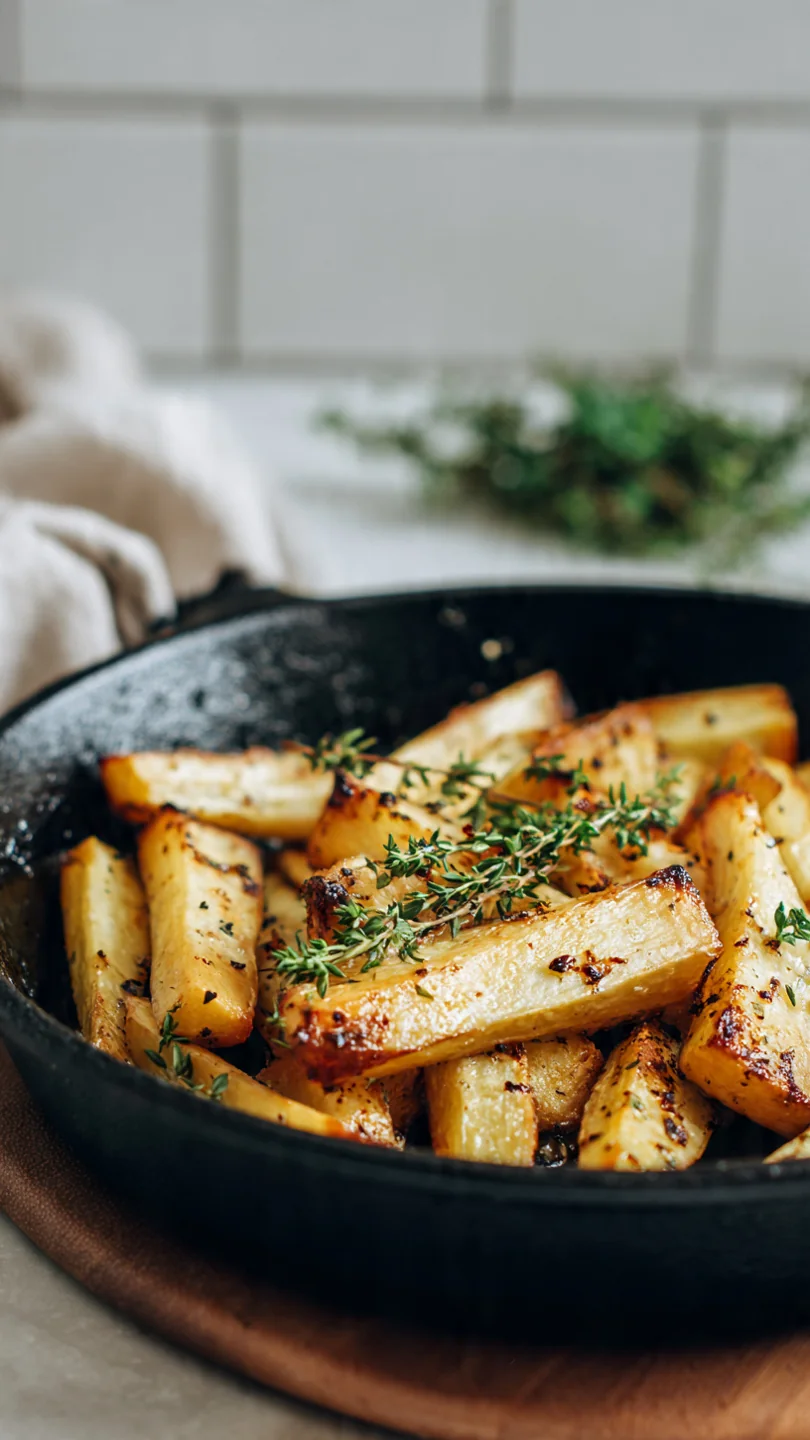
There’s a quiet magic that happens when humble root vegetables meet high heat and a simple, sweet glaze. The earthy, almost peppery flavor of parsnips transforms into something deeply caramelized, tender, and complex. This isn’t just another roasted vegetable side; it’s a lesson in how a few quality ingredients, treated with respect, can become the star of the dinner table.
Whether you’re looking for an effortless weeknight side or a show-stopping addition to your holiday spread, these maple roasted parsnips with thyme deliver elegance without the fuss. They emerge from the oven with sticky, golden edges, a fragrant herbal note, and a perfect balance of savory and sweet that will have everyone asking for the recipe.
- Effortless Elegance: With just 5 core ingredients and one pan, you can create a side dish that looks and tastes far more sophisticated than the minimal effort required.
- Caramelized Perfection: The combination of high heat and natural sugars from the maple syrup and parsnips creates a deeply flavorful, sticky-sweet glaze and beautifully browned edges.
- Versatile Side Dish: These parsnips pair beautifully with everything from a simple roast chicken to a holiday ham or a vegetarian grain bowl, making them a year-round staple.
- Make-Ahead Friendly: You can peel and cut the parsnips a day in advance, storing them in water in the fridge, so dinner prep is a breeze.
- Diet-Inclusive: Naturally gluten-free, vegan, and vegetarian, this recipe suits most dietary needs without any special modifications.
- Kid-Approved Sweetness: The gentle maple sweetness often wins over vegetable-skeptical palates, making it a great way to introduce new flavors.
Ingredients You’ll Need
Let’s gather our simple cast of characters. This recipe is a testament to the power of quality ingredients, where each one plays a starring role. You’ll need about 2 pounds of parsnips—look for firm, creamy-white roots without soft spots or major blemishes.
Smaller to medium parsnips are often more tender and less woody in the core than very large ones. The pure maple syrup is non-negotiable; please avoid pancake syrup which contains artificial flavors and corn syrup. The real stuff provides a clean, complex sweetness that caramelizes beautifully.
Fresh thyme offers a fragrant, woodsy note that dried thyme simply can’t replicate, though in a pinch you can use 1 teaspoon dried. A good extra-virgin olive oil helps carry the flavors and promotes browning, while kosher salt and freshly cracked black pepper build the essential savory foundation.
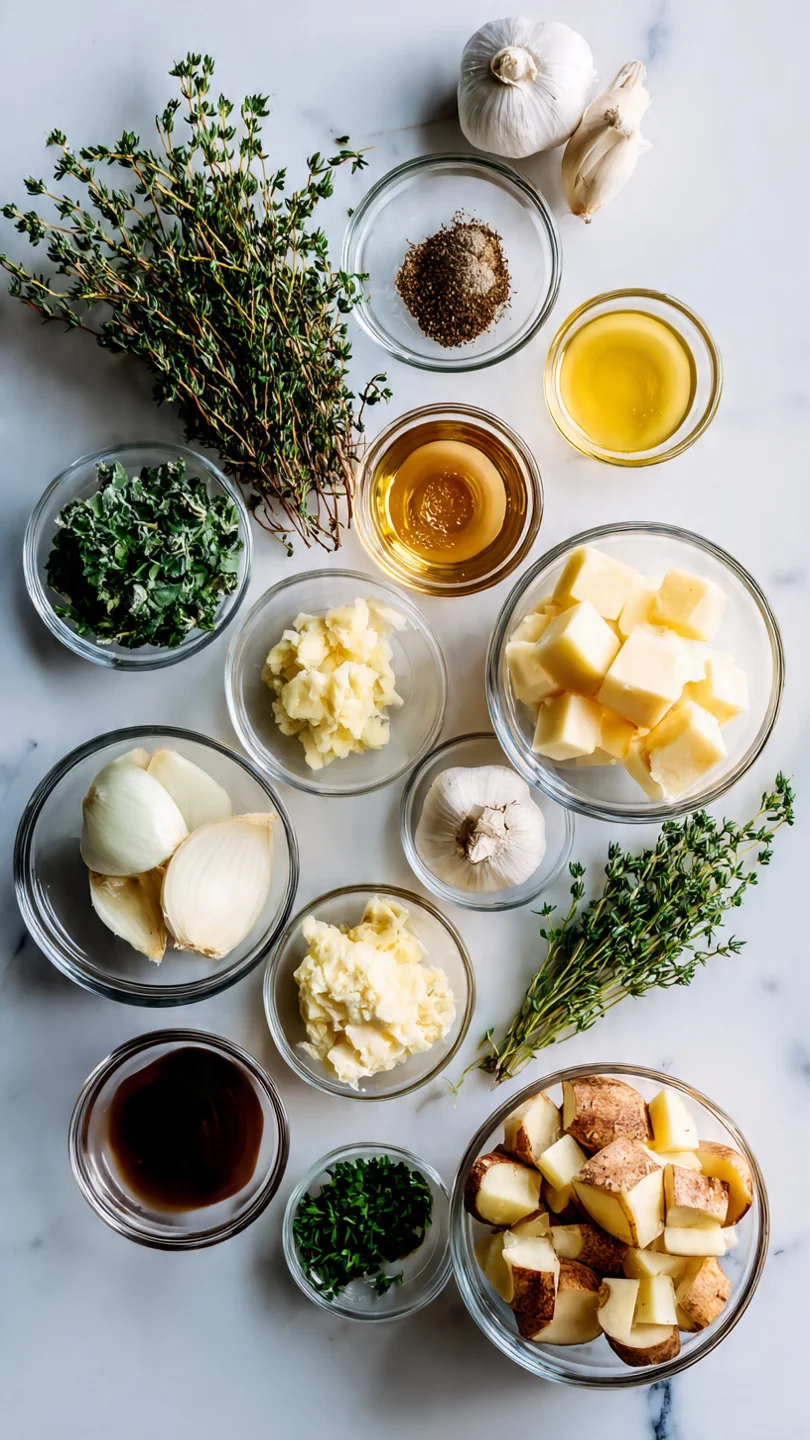
Note: You’ll find the complete list of ingredients, along with their exact measurements, in the printable recipe card at the bottom of this post.
Kitchen Equipment Needed
You likely have everything you need already. A large, rimmed baking sheet (often called a half-sheet pan) is essential. The rim prevents any glaze from dripping into your oven, and the large surface area allows you to spread the parsnips in a single layer, which is the secret to roasting instead of steaming.
Parchment paper is my strong recommendation for easy cleanup, as the maple syrup glaze can become quite sticky. You’ll also need a large mixing bowl for tossing, a whisk to emulsify the glaze, a chef’s knife and cutting board for prepping the parsnips, and a pair of tongs for flipping them halfway through roasting. That’s it—no fancy gadgets required.
How to Make Maple Roasted Parsnips Recipe
Step 1: Prep Your Oven and Pan
Begin by preheating your oven to a solid 400°F (200°C). This high heat is your best friend here—it quickly evaporates surface moisture on the parsnips, leading to browning and caramelization rather than steaming. While it heats, line your large baking sheet with parchment paper.
Believe me, this simple step saves you from scrubbing sticky, baked-on maple syrup later. The stage is now set for success.
Step 2: Create the Flavorful Glaze
In your large mixing bowl, combine the olive oil, maple syrup, leaves from most of your thyme sprigs, salt, and pepper. Now, whisk it vigorously for about 30 seconds. Tip from me: You’re looking for the maple syrup to fully incorporate into the oil, creating a slightly thickened, emulsified mixture.
This emulsion ensures the syrup won’t just pool at the bottom of the bowl but will cling to every inch of each parsnip baton, guaranteeing consistent flavor.
Step 3: Coat the Parsnips Thoroughly
Add all your prepared parsnip batons to the bowl with the glaze. Using your clean hands is the most effective tool here. Toss, turn, and massage the pieces until you cannot see any dry, white vegetable flesh.
Every surface should glisten. This hands-on minute is where you ensure perfect coverage, which translates directly to even browning and flavor in the final dish.
Step 4: Roast and Flip for Even Color
Pour the coated parsnips onto your prepared pan and arrange them in a single, uncrowded layer. If they’re piled on top of each other, they’ll steam. Scatter the remaining whole thyme sprig over the top for aromatic infusion.
Slide the pan into the hot oven and set your timer for 20 minutes. When it goes off, use your tongs to carefully flip each piece. This exposes the other side to direct heat, giving you that all-over caramelization we’re after.
Step 5: Achieve Golden Perfection and Serve
Return the pan to the oven for the final 12-15 minutes. You’ll know they’re done when the parsnips are tender when pierced with a fork and have developed deep, golden-brown spots and crispy, caramelized edges. The glaze will have thickened and become sticky.
Remove from the oven, discard the spent thyme sprig, and taste for seasoning, adding a pinch more salt if needed. Transfer to a serving platter, garnish with a fresh sprig of thyme, and serve immediately while they’re hot and glorious.
- Uniformity is Key: Take the time to cut your parsnips into similarly sized pieces, about ½-inch thick and 3 inches long. If you encounter a very thick end, slice it in half lengthwise. This ensures everything finishes cooking at the same time.
- Don’t Crowd the Pan: This is the golden rule of roasting. If your pan looks full, use a second one. Overcrowding creates steam, which prevents browning and leads to soggy vegetables. The parsnips need their personal space to caramelize properly.
- The Emulsion Matters: Whisking the oil and syrup together might seem like a small detail, but it’s a professional trick. An emulsified glaze coats evenly and reduces the chance of the syrup burning in isolated spots on the pan.
- Trust Visual and Textural Cues: Ovens vary. Look for pronounced browning and check tenderness with a fork. The parsnips should yield easily but not be mushy. A little color means a lot of flavor.
Recipe Variations
- Citrus & Spice: Add the zest of one orange to the glaze and a pinch of crushed red pepper flakes for a bright, warming twist.
- Mustard Maple: Whisk 1 tablespoon of whole-grain Dijon mustard into the glaze for a tangy, sophisticated flavor profile that pairs wonderfully with pork.
- Honey & Rosemary: Substitute the maple syrup with an equal amount of honey and swap the thyme for 1 tablespoon of finely chopped fresh rosemary.
- Balsamic Glaze: Replace 1 tablespoon of the maple syrup with good balsamic vinegar for a deeper, more complex sweetness with a slight tang.
- Garlic Infused: Add 3 cloves of minced garlic to the glaze for a pungent, savory backbone. Watch closely to prevent the garlic from burning in the last few minutes of roasting.
- Nutty Finish: Toss the finished, hot parsnips with ¼ cup of toasted chopped pecans or walnuts for added crunch and richness.
What to Serve With This Recipe
These parsnips are a versatile sidekick. For a classic Sunday dinner, pair them with a simple herb-roasted chicken or a pork tenderloin; the sweet glaze complements the savory meat beautifully. They are a stellar addition to any holiday table, sitting alongside turkey, glazed ham, or beef roast.
For a vegetarian feast, serve them over a bed of creamy polenta or with a lentil loaf. They also make a wonderful component in a grain bowl with quinoa, massaged kale, and a lemony tahini dressing. Consider the flavors on the plate—the parsnips’ sweetness balances bitter greens like roasted Brussels sprouts or a sharp arugula salad.
Storage & Make-Ahead Instructions
- Refrigeration: Store leftovers in an airtight container in the refrigerator for up to 4 days. The glaze will soften the texture slightly, but they will still be delicious.
- Reheating: Reheat in a 350°F oven on a parchment-lined sheet for about 10 minutes, or until warmed through. This helps re-crisp the edges. The microwave will make them soft.
- Make-Ahead Prep: You can peel and cut the parsnips 1 day in advance. Submerge them in a bowl of cold water, cover, and refrigerate. Drain and pat them very dry with towels before tossing with the glaze to ensure proper roasting.
- Freezing: I do not recommend freezing, as the texture of the roasted parsnips becomes unpleasantly mushy upon thawing.
Frequently Asked Questions
Q: Can I use bagged, pre-cut parsnips?
A: You can, but I recommend against it for quality control. Pre-cut vegetables often dry out and can be unevenly sized. For the best texture and flavor, fresh whole parsnips are superior.
Q: My parsnips are still hard after the cooking time. What happened?
A: This usually means your pieces were too large or your oven temperature is off. Cut them into smaller, uniform batons and use an oven thermometer to verify your oven’s accuracy. Roast for an additional 5-10 minutes until fork-tender.
Q: Can I make this with other vegetables?
A: Absolutely! Carrots are a natural substitute. A mix of parsnips, carrots, and even sweet potatoes works wonderfully.
Just ensure all pieces are cut to a similar size for even cooking.
Q: Is the maple flavor very strong?
A: It provides a gentle, rounded sweetness that enhances the parsnips’ natural sugar, not an overpowering pancake-house flavor. For a less sweet version, reduce the syrup to 1 tablespoon.
Q: Can I use dried thyme instead of fresh?
A: Yes, use 1 teaspoon of dried thyme. Add it directly to the glaze. The flavor will be slightly different but still delicious.
Q: Why are my parsnips soggy instead of caramelized?
A: The most common culprits are overcrowding the pan (which steams them) or not roasting at a high enough temperature. Ensure your oven is fully preheated and give the pieces plenty of space.
Q: Are parsnips spicy?
A: Raw parsnips can have a slight peppery, earthy note. Roasting completely transforms this flavor into a sweet, nutty, and mellow taste that is not spicy at all.
Final Thoughts
This recipe for maple roasted parsnips with thyme embodies my cooking philosophy: let quality ingredients shine with simple, precise technique. It’s a dish that builds confidence in the kitchen, proving that a handful of pantry staples can be transformed into something truly special. The process is meditative—peeling, cutting, tossing—and the reward is a fragrant, caramelized side dish that feels both rustic and refined.
I encourage you to try this recipe as written first, then play with the variations to make it your own. Pay attention to the sound of the sizzle in the oven and the scent of thyme and caramelizing sugar—that’s the sign of success. Once you master this method, you’ll find yourself applying it to all sorts of root vegetables throughout the seasons.
I’d love to hear how your parsnips turn out! Share your results, your own twists, and any questions in the comments below. If you enjoyed this recipe, please consider sharing it with a friend who appreciates a good, simple vegetable dish.
Happy roasting
Easy Maple Roasted Parsnips With Thyme
Equipment
- Large rimmed baking sheet (half-sheet pan)
- Parchment paper
- Large mixing bowl
- Whisk
- Chef’s knife and cutting board
- Tongs
Ingredients
- 2 pounds parsnips peeled, ends trimmed, cut into 3-inch long batons
- 2 tablespoons extra virgin olive oil
- 2 tablespoons pure maple syrup not pancake syrup
- 4 sprigs fresh thyme plus more for garnish
- 1 teaspoon kosher salt plus more to taste
- 1/2 teaspoon freshly ground black pepper plus more to taste
Instructions
- Preheat your oven to 400°F (200°C). Line a large, rimmed baking sheet with parchment paper for easy cleanup. This high heat is crucial for achieving caramelization without steaming the vegetables.
- In a large bowl, combine the olive oil, maple syrup, leaves from 3 sprigs of thyme, salt, and pepper. Whisk vigorously until the maple syrup is fully emulsified into the oil. This creates a cohesive glaze that will coat every piece evenly.
- Add the parsnip batons to the bowl with the glaze. Use your hands or a large spoon to toss thoroughly, ensuring every surface is coated. Trust me, taking an extra minute here makes all the difference in flavor distribution.
- Arrange the parsnips in a single, uncrowded layer on your prepared baking sheet. Scatter the remaining whole thyme sprig over the top. Roast for 20 minutes, then use tongs to flip each piece. This promotes even browning.
- Return the pan to the oven and roast for another 12-15 minutes, or until the parsnips are deeply golden brown, caramelized at the edges, and tender when pierced with a fork. The maple syrup will have created a beautiful, sticky glaze.