
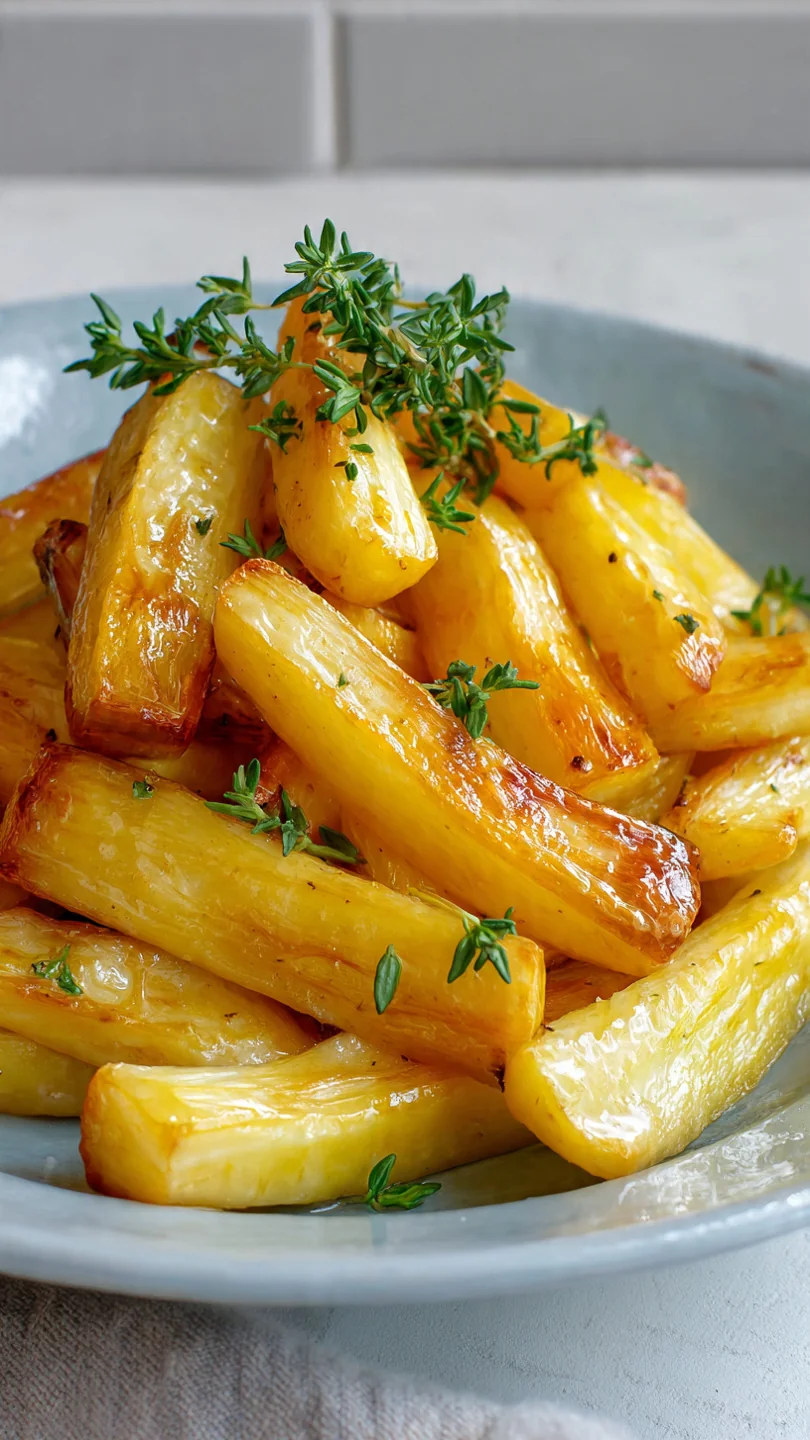
There’s a moment of quiet magic that happens in a hot oven when humble root vegetables meet a simple, sweet glaze. The sharp edges soften, sugars concentrate, and earthy flavors deepen into something complex and utterly irresistible. That’s the promise of these maple roasted parsnips.
As a chef, I’ve always loved parsnips for their unique, sweet-nutty flavor, but roasting them with a touch of maple syrup and fresh thyme elevates them into a side dish that can steal the show from any main course. They emerge from the oven with sticky, caramelized edges, a tender interior, and an aromatic herbaceousness that makes your whole kitchen smell like a professional bistro. Whether you’re looking for an easy weeknight vegetable or a standout addition to your holiday table, this recipe delivers maximum flavor with minimal, hands-on effort.
- Effortless Elegance: With just 10 minutes of active prep, you can transform a simple root vegetable into a sophisticated, restaurant-quality side dish that impresses guests.
- Perfect Texture: The high-heat roasting method ensures you get beautifully caramelized, slightly crisp edges and a tender, creamy interior—never mushy or steamed.
- Sweet & Savory Balance: The natural sweetness of the parsnips is enhanced by pure maple syrup, while fresh thyme, salt, and pepper create a perfectly balanced savory backbone.
- Diet-Friendly & Adaptable: This recipe is naturally gluten-free, vegan, and vegetarian. It’s also a fantastic canvas for your own flavor twists with different herbs, spices, or nuts.
- One-Pan Wonder: Everything comes together on a single baking sheet, meaning flavor-packed results with minimal cleanup—a true win for any cook.
Ingredients You’ll Need
Let’s gather our ingredients—this short list of pantry staples is all you need to create a side dish with incredible depth of flavor. The magic is in the quality and how you combine them.
- Parsnips: Look for firm, medium-sized parsnips (about 1.5 lbs). Avoid very large ones, as they can have a woody, fibrous core. Peeling is essential for the best texture and glaze adhesion.
- Pure Maple Syrup: This is non-negotiable. Please use 100% pure maple syrup, not pancake or table syrup. The complex caramel notes in real maple syrup are key to the flavor profile. Grade A Amber or Grade B (darker) will give you a richer taste.
- Olive Oil: A good, neutral olive oil or avocado oil helps conduct heat, promotes browning, and creates the base for our glaze. It also helps prevent the maple syrup from burning.
- Fresh Thyme: The herbal, slightly floral notes of fresh thyme are a classic pairing with sweet roots. Dried thyme can work in a pinch (use 1 tsp), but fresh is vastly superior here.
- Kosher Salt & Black Pepper: These fundamentals amplify all the other flavors. I prefer kosher salt for its clean taste and ease of controlling distribution.
- Red Pepper Flakes (Optional): Just a pinch adds a subtle, warm background heat that beautifully cuts through the sweetness. It’s a chef’s secret for adding dimension.
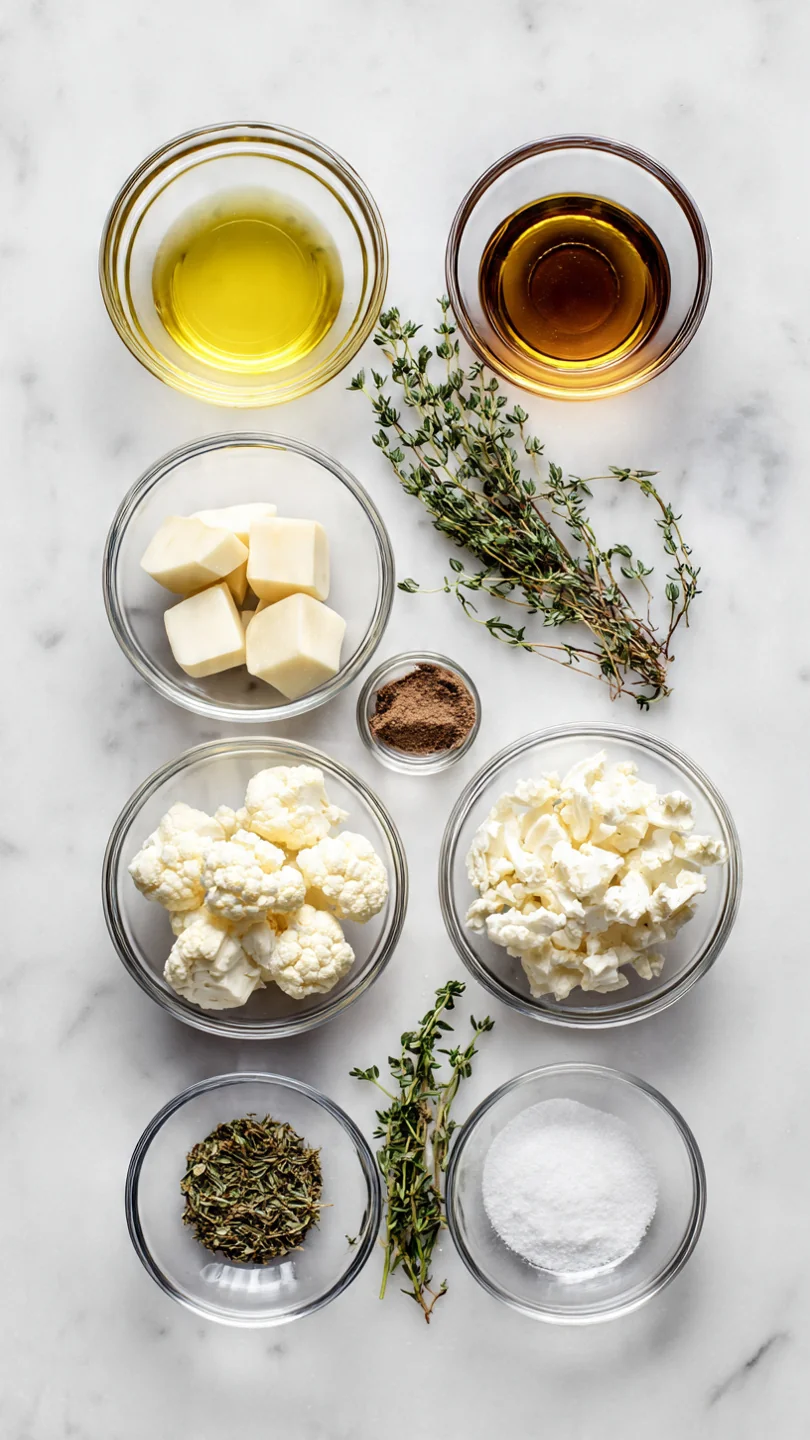
Note: You’ll find the complete list of ingredients, along with their exact measurements, in the printable recipe card at the bottom of this post.
Kitchen Equipment Needed
You likely have everything you need already. The essentials are a large, rimmed baking sheet (a half-sheet pan is ideal), parchment paper for foolproof cleanup and to prevent sticking, and a large mixing bowl. A good chef’s knife makes prepping the parsnips quick and safe—aim for uniform 3-inch batons about ½-inch thick for even cooking.
A whisk helps emulsify the oil and syrup coating, and tongs are handy for flipping the parsnips halfway through roasting. That’s truly it!
How to Make Maple Roasted Parsnips Recipe
Step 1: Heat the Oven & Prep the Pan
Preheat your oven to a solid 425°F (220°C). This high temperature is your best friend for roasting vegetables. It quickly evaporates surface moisture, leading to caramelization instead of steaming.
While it heats, line your baking sheet with parchment paper. Believe me, this simple step guarantees your beautifully glazed parsnips will release easily and saves you from scrubbing baked-on syrup later.
Step 2: Create the Flavor Coating
In your large mixing bowl, combine the maple syrup, olive oil, leaves from most of your thyme (reserve one sprig), salt, pepper, and optional red pepper flakes. Now, whisk it—really whisk it—for about 30 seconds until it’s completely combined and slightly thickened. You’re creating an emulsion, which means the oil and syrup are bonded together.
This ensures every single parsnip baton gets a uniform, glossy coat of flavor, preventing any dry or bland spots.
Step 3: Coat the Parsnips
Add your peeled and cut parsnip batons to the bowl with the maple mixture. Here’s where you get hands-on. Using clean hands or a large spoon, toss and fold the parsnips until you’re confident every surface is shimmering with the syrup-oil blend.
Tip from me: take your time with this step. Proper coating is the secret to even browning and flavor in every bite.
Step 4: Roast and Flip for Perfection
Arrange the coated parsnips in a single layer on your prepared pan. Crowding is the enemy of caramelization, so give them a little space. Scatter that reserved whole thyme sprig over the top.
Roast for 20 minutes. Then, pull the pan out and, using tongs, diligently flip each piece. This exposes a new surface to the hot pan, ensuring all-around gorgeous, golden-brown color.
Step 5: Finish Roasting and Serve
Return the pan to the oven for the final 12-15 minutes. You’re looking for a deep, appetizing golden brown color, caramelized edges, and tender flesh that yields easily to a fork. The glaze will be sticky and fragrant.
Remove from the oven, discard the spent thyme sprig, and transfer to a serving platter. Garnish with a little fresh thyme. Step back and admire your beautiful, glossy, professional-looking side dish before serving it warm.
- Uniformity is Key: Take care to cut your parsnips into similarly sized pieces. This is the single biggest factor in ensuring they all finish cooking at the same time, preventing some pieces from being burnt while others are still hard.
- Don’t Skimp on the Preheat: Always start with a fully preheated oven. Putting vegetables into a lukewarm oven causes them to steam and release water, making it much harder to achieve that desirable caramelized exterior.
- The Emulsion Matters: Whisking the oil and maple syrup into a cohesive coating isn’t just busywork. An un-emulsified mixture will separate, leaving some parsnips oily and others overly sweet. A quick, vigorous whisk fixes this.
- Space for Success: If your parsnips are piled on top of each other, they’ll steam. If necessary, use two baking sheets to give them ample room. Better to have two pans with perfectly roasted veggies than one pan of steamed, soggy ones.
- The Visual Cue: You’ll know they’re done not just by timing, but by look and feel. They should be fork-tender and have shrunk slightly, with concentrated, dark golden-brown spots, especially on the edges and corners.
Recipe Variations
This recipe is wonderfully adaptable. Once you’ve mastered the basic technique, try these tested variations to match different menus or cravings.
- Citrus & Herb: Add the zest of one orange or lemon to the maple coating. Finish with a squeeze of fresh juice and chopped parsley after roasting for a bright, fresh twist.
- Warm Spice Blend: Stir ½ teaspoon of ground cumin, smoked paprika, or garam masala into the maple-oil mixture before tossing with the parsnips. It adds a wonderful, aromatic warmth.
- Sweet & Nutty: Toss ¼ cup of chopped pecans or walnuts onto the baking sheet for the last 5-7 minutes of roasting. The nuts will toast in the rendered glaze, adding fantastic crunch.
- Balsamic Glaze: Replace one tablespoon of the maple syrup with good balsamic vinegar. The acidity balances the sweetness and adds a rich, complex tang.
- Rosemary & Garlic: Swap the thyme for fresh rosemary and add two minced garlic cloves to the coating. Add the garlic in the last 5 minutes of roasting if you prefer to avoid it burning.
- Honey & Mustard: For a different sweetness, use half maple syrup and half honey. Whisk in one tablespoon of whole-grain Dijon mustard for a delightful sweet-and-tangy flavor.
What to Serve With This Recipe
These parsnips are an incredibly versatile side. Their sweet-savory profile makes them a perfect partner for simple roasted or grilled proteins like chicken, pork chops, or salmon. The sweetness complements the savoriness of the meat beautifully.
For a holiday feast, they are a stellar addition next to roast turkey, glazed ham, or beef tenderloin, offering a lighter alternative to heavier potato dishes. To create a hearty vegetarian plate, serve them alongside a creamy lentil stew, a crispy quinoa patty, or a large kale salad. They also make a fantastic, elevated addition to a brunch spread alongside eggs and sausages.
Storage & Make-Ahead Instructions
- Best Served Fresh: Like most roasted vegetables, these parsnips are at their absolute best straight from the oven when the glaze is sticky and the edges are crisp.
- Refrigerator Storage: Allow leftovers to cool completely, then store in an airtight container in the refrigerator for up to 4 days.
- Reheating Method: To restore some of their texture, reheat in a 375°F oven or toaster oven for 10-15 minutes until warmed through. Avoid the microwave, as it will make them soft and soggy.
- Make-Ahead Prep: You can peel and cut the parsnips 1 day in advance. Store them submerged in cold water in the refrigerator to prevent browning. Drain and pat them very dry before coating and roasting.
Nutritional Benefits
- Parsnips are an often-overlooked nutritional powerhouse. They are an excellent source of soluble fiber, which supports digestive health and helps regulate blood sugar levels—a helpful balance to the natural sugars from the maple syrup. They’re also rich in vitamin C, folate, and potassium. The olive oil provides healthy monounsaturated fats. Using pure maple syrup means you’re getting a sweetener that contains antioxidants and minerals like manganese and zinc, unlike refined sugars.
Frequently Asked Questions
Q: Can I use bagged, pre-cut parsnips?
A: You can, but I recommend against it for this recipe. Pre-cut vegetables often dry out and can be unevenly sized. For the best caramelization and texture, fresh, whole parsnips that you cut yourself are superior.
Q: My parsnips are burning before they get tender. What went wrong?
A: This usually means your oven is too hot, your pieces are too small, or your pan is overcrowded. Ensure your oven temperature is accurate with an oven thermometer, cut larger batons (3-inch by ½-inch), and never crowd the pan.
Q: Can I make these with other root vegetables?
A: Absolutely! This method works wonderfully for carrots, sweet potatoes, turnips, or a mix. Just be aware that cooking times may vary slightly depending on the density and sugar content of the vegetable.
Q: Is there a substitute for maple syrup for a lower-sugar option?
A: For a sugar-free version, you can use a sugar-free maple-flavored syrup. The texture will be slightly different, but it will still work. Alternatively, a light brush of olive oil with your herbs and spices will still yield delicious roasted parsnips.
Q: Can I freeze the roasted parsnips?
A: I don’t recommend it. The texture of thawed and reheated roasted parsnips becomes quite soft and watery, and the glaze does not hold up well.
Q: How do I know if a parsnip is fresh and good to use?
A: Look for firm, creamy-white roots that are relatively smooth and free of major blemishes, soft spots, or wrinkles. Smaller to medium parsnips are generally more tender and sweet than very large, woody ones.
Q: Why is my glaze not sticky and caramelized?
A: This typically happens if the coating wasn’t emulsified properly (so the oil separated) or if the parsnips were too wet when added to the bowl. Always pat your cut parsnips dry with a towel before tossing them in the glaze.
Final Thoughts
This recipe for maple roasted parsnips with thyme is a perfect example of how a few quality ingredients and a solid technique can create something truly special. It’s the side dish I make when I want something effortless yet impressive, comforting yet sophisticated. The process is simple enough for a busy Tuesday night, but the results are worthy of your most celebrated dinner table.
I’ve tested this method repeatedly in my kitchen to ensure your success, focusing on those chef details—the high heat, the emulsion, the single layer—that make all the difference between good and great.
I encourage you to give it a try. Let those roots caramelize into golden perfection and fill your kitchen with the incredible aroma of roasting thyme and maple. Once you taste that perfect balance of sweet, savory, and herbal notes, I think you’ll find yourself making these parsnips again and again.
Please let me know how it goes in the comments below—I love hearing about your kitchen adventures. If you enjoyed this recipe, share it with a friend who appreciates a delicious, simple side dish, and explore my site for more tested, professional recipes designed for your home kitchen success. Happy roasting
Easy Maple Roasted Parsnips With Thyme
Equipment
- Large rimmed baking sheet (half-sheet pan)
- Parchment paper
- Large mixing bowl
- Whisk
- Chef’s knife and cutting board
Ingredients
- 1.5 lbs parsnips peeled, ends trimmed, cut into 3-inch batons
- 2 tbsp pure maple syrup Grade A or B, not pancake syrup
- 2 tbsp olive oil or avocado oil
- 4 sprigs fresh thyme plus more for garnish
- 0.5 tsp kosher salt or to taste
- 0.25 tsp black pepper freshly ground
- 1 pinch red pepper flakes optional, for a hint of heat
Instructions
- Preheat your oven to 425°F (220°C). This high heat is crucial for achieving caramelization without steaming the vegetables. Line a large, rimmed baking sheet with parchment paper for easy cleanup.
- In a large bowl, combine the maple syrup, olive oil, leaves from 3 sprigs of thyme, salt, black pepper, and red pepper flakes (if using). Whisk vigorously for about 30 seconds until the mixture is fully emulsified—this ensures every parsnip gets an even, glossy coat.
- Add the parsnip batons to the bowl with the maple mixture. Using your hands or a large spoon, toss thoroughly until every piece is evenly coated. Trust me, taking an extra minute here prevents dry spots and guarantees perfect flavor distribution.
- Arrange the parsnips in a single layer on the prepared baking sheet, ensuring they aren’t crowded. Scatter the remaining whole thyme sprig over the top. Roast for 20 minutes, then use tongs to flip each piece. This promotes even browning on all sides.
- Return the pan to the oven and roast for another 12-15 minutes, or until the parsnips are deeply golden brown, caramelized at the edges, and tender when pierced with a fork. The maple syrup will have created a beautiful glaze.