
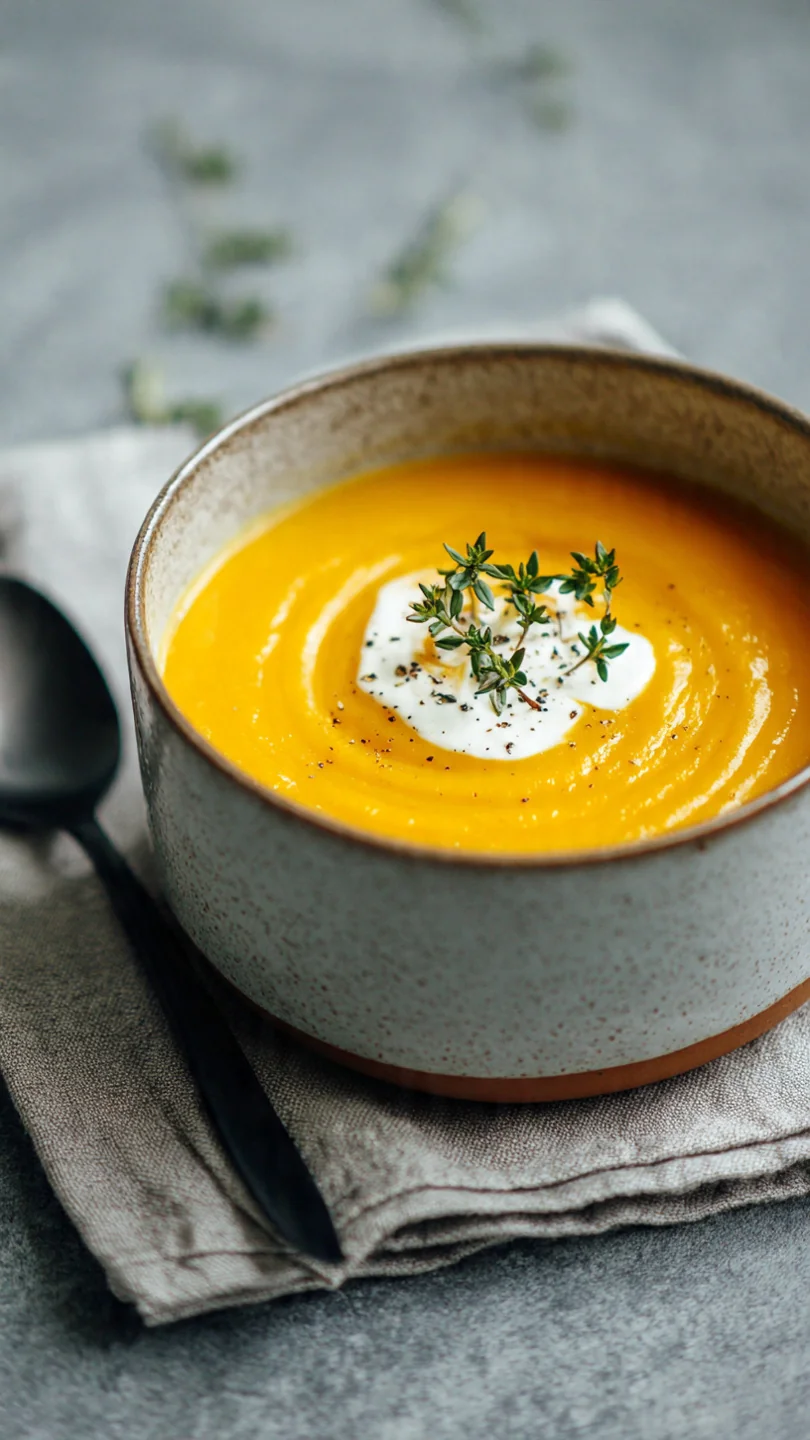
There’s a moment of pure kitchen alchemy that happens when humble root vegetables hit a hot oven. Their natural sugars concentrate and caramelize, transforming simple carrots and parsnips into something deeply sweet, complex, and utterly irresistible. This roasted carrot and parsnip soup captures that magic in a bowl.
It’s the kind of recipe I turn to when I want a meal that feels elegant and nourishing but requires minimal active effort. The roasting does all the heavy lifting, creating a flavor base so rich you’ll find it hard to believe how few ingredients are involved. The result is a velvety, comforting soup with a beautiful balance of sweet and earthy notes, perfect for a quiet weeknight or for impressing weekend guests.
This soup is a testament to how technique can elevate simple ingredients. Here’s why it’s a staple in my recipe repertoire.
- Deep, Caramelized Flavor: Roasting the vegetables unlocks a natural sweetness and smoky depth that boiling simply can’t achieve.
- Minimal Hands-On Time: Once the veggies are in the oven, your work is mostly done. It’s the perfect “set it and forget it” step.
- Incredibly Creamy Texture: Blending the softened, roasted vegetables creates a luxuriously smooth soup without needing a roux or excessive cream.
- Meal-Prep Friendly: This soup tastes even better the next day and freezes beautifully for future easy meals.
- Dietary Flexibility: Naturally gluten-free and easily made vegan with a simple coconut milk swap.
- Cost-Effective & Seasonal: Made with affordable, sturdy root vegetables that are at their peak in the cooler months.
Ingredients You’ll Need
- Let’s gather our ingredients. This recipe is a beautiful lesson in how a short, simple pantry list can yield complex, restaurant-quality results. The key is quality: good, fresh carrots and parsnips will make all the difference.
- Carrots: The sweet backbone of the soup. Look for firm, bright orange carrots without cracks.
- Parsnips: They look like pale carrots but bring a distinct, spicy-sweet earthiness that complements the carrots perfectly.
- Yellow Onion & Garlic: These aromatics roast alongside the roots, mellowing and sweetening in the heat.
- Olive Oil: For roasting. A good extra-virgin olive oil adds fruitiness.
- Ground Cumin: Just a teaspoon adds a warm, earthy note that enhances the vegetables’ natural flavors without overpowering them.
- Vegetable Broth: This forms the liquid base. A low-sodium broth allows you to control the salt level perfectly.
- Heavy Cream or Coconut Milk: For final richness and silkiness. The cream adds a classic luxury, while coconut milk makes a fantastic dairy-free alternative and adds a subtle tropical nuance.
- Fresh Thyme: Its woodsy, slightly floral flavor is a classic pairing with root vegetables. Dried thyme works in a pinch.
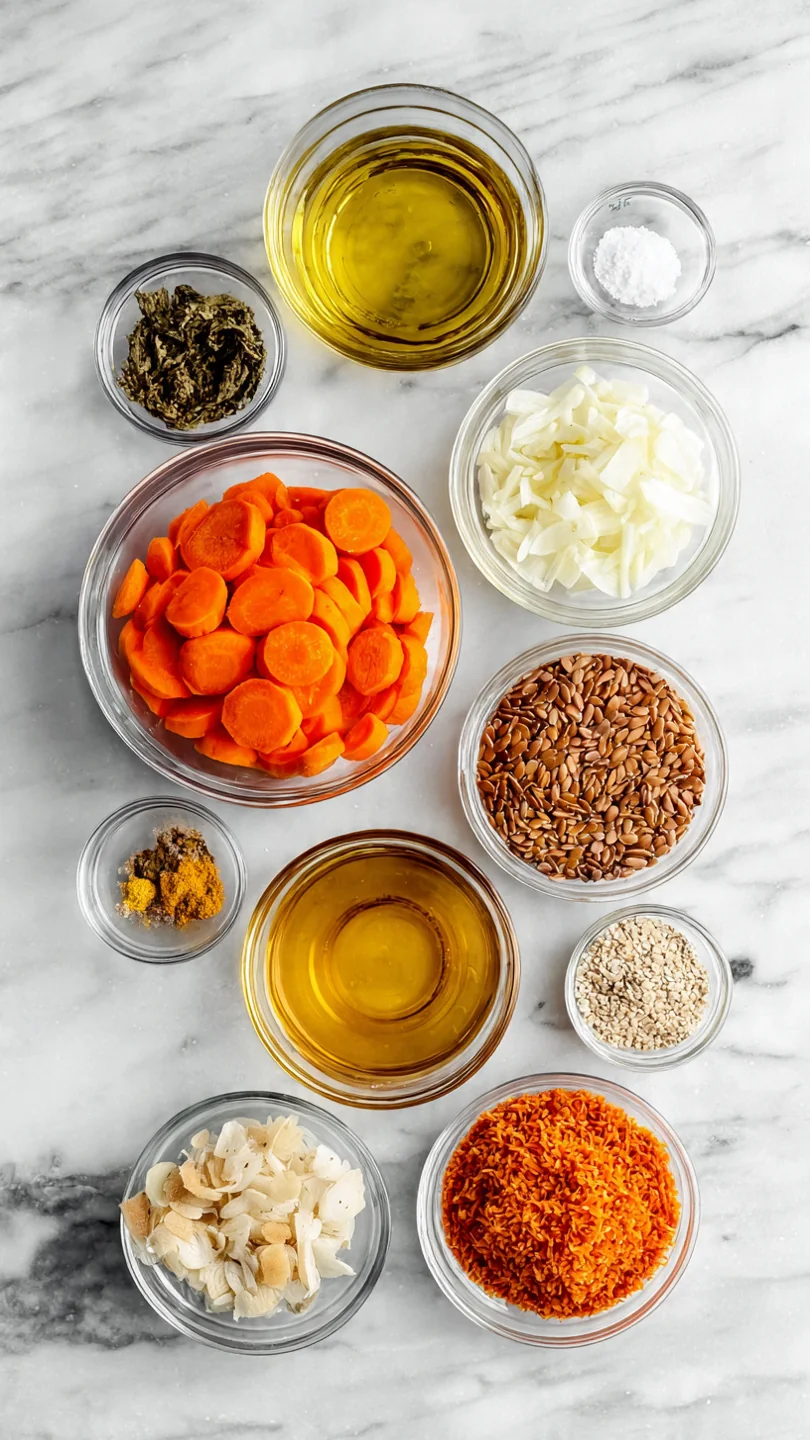
Note: You’ll find the complete list of ingredients, along with their exact measurements, in the printable recipe card at the bottom of this post.
Kitchen Equipment Needed
You don’t need any specialty gear for this recipe. A good baking sheet, a sturdy pot, and a way to blend are the only essentials.
- Large Rimmed Baking Sheet: Essential for roasting. The rim prevents oil and vegetables from sliding onto your oven floor.
- Large Pot or Dutch Oven (4-6 quart): For simmering the roasted veggies with the broth.
- Immersion Blender: My absolute favorite tool for making soup. It allows you to blend directly in the pot, minimizing cleanup. A standard countertop blender works perfectly too—just be cautious with the hot liquid.
- Sharp Chef’s Knife & Cutting Board: For prepping the vegetables.
How to Make Easy Roasted Carrot & Parsnip Soup Recipe
Step 1: Roast the Vegetables to Perfection
Preheat your oven to 400°F (200°C). On your large baking sheet, toss the carrot and parsnip chunks, onion, and whole garlic cloves with the olive oil, salt, pepper, and cumin. Trust me, spreading them in a single layer is non-negotiable.
Crowded vegetables steam; spaced-out vegetables roast and caramelize. Roast for 30-35 minutes, giving them one good stir halfway. You’re looking for tender veggies with those beautiful, dark golden-brown edges—that’s where the big flavor lives.
Step 2: Simmer for Flavor Fusion
Now, transfer all those beautifully roasted vegetables into your large pot. Pour in the vegetable broth and add the thyme. Bring it just to a gentle boil over medium-high heat.
Once you see those first bubbles, immediately reduce the heat to low, cover the pot, and let it simmer gently for 10 minutes. Believe me, this short simmer is crucial. It allows the broth to fully absorb all those roasted, caramelized flavors from the vegetables, creating a deeply integrated base for your soup.
Step 3: Blend Until Silky Smooth
This is the transformative step. If using an immersion blender, submerge it fully and blend on high, moving it around the pot, for a full 1-2 minutes until no chunks remain. Tip from me: patience here pays off in texture.
If using a countertop blender, work in batches, filling it no more than halfway, and always hold the lid down firmly with a kitchen towel—hot soup expands! Blend until you achieve a velvety, luxurious consistency.
Step 4: Finish with Richness and Season
Return the soup to the pot if you used a stand blender. Stir in your choice of cream or coconut milk and the remaining salt. Warm it through over low heat for 3-4 minutes.
Do not let it boil after adding the cream, as it could separate. Now, the most important step: taste. Root vegetables can vary in sweetness, so adjust the seasoning with more salt or a pinch of pepper.
This is where you make it yours.
Step 5: Garnish and Serve with Style
Ladle the hot, creamy soup into warm bowls. Now comes the fun part: garnishing. A final drizzle of good olive oil, a crack of black pepper, and a sprinkle of fresh parsley or chives add freshness, color, and a hint of texture.
Step back and admire your creation. Serve it immediately with thick slices of crusty, buttered bread for the ultimate cozy experience.
A few insights from my years in professional kitchens can help you nail this soup every single time.
- Uniform Cutting is Key: Try to cut your carrots and parsnips into similarly sized chunks. This ensures they roast evenly, so you don’t end up with some pieces burnt and others undercooked.
- Don’t Skimp on the Roasting Time: Those dark, almost sticky bits on the pan are flavor gold. If your vegetables aren’t showing good color at 35 minutes, let them go a few minutes longer.
- Acid is Your Friend: If the soup tastes a little flat after blending, a small squeeze of fresh lemon juice or a teaspoon of apple cider vinegar can brighten all the flavors dramatically.
- Thickness Control: For a thicker soup, use 3 cups of broth. For a thinner, more brothy soup, use the full 4-5 cups. You can always adjust after blending.
- Safety First with Blending: Never underestimate the power of steam in a sealed blender. Always vent the lid by removing the center cap and covering the hole with a folded towel.
Recipe Variations & Customizations
- This soup is a wonderful canvas. Once you’ve mastered the base, try these tested variations to keep it exciting.
- Spiced Apple Version: Add two peeled, chopped apples to the roasting pan. Substitute the cumin with 1/2 tsp cinnamon and a pinch of nutmeg for a sweet and spiced autumn twist.
- Curried Carrot & Parsnip Soup: Add 1-2 tablespoons of your favorite curry powder to the vegetables before roasting. Finish the soup with a swirl of plain yogurt.
- Ginger-Orange Zest: Add a 1-inch knob of fresh ginger, grated, to the roasting pan. Stir in the zest of one orange with the cream for a bright, zesty finish.
- Herb-Forward: Swap the thyme for fresh rosemary or sage. Use a light hand, as these herbs are potent, especially rosemary.
- Protein Boost: Stir in a can of rinsed white beans or chickpeas before blending for added fiber and protein. You may need a touch more broth.
- Toasted Nut Garnish: Top each bowl with a sprinkle of toasted pepitas, walnuts, or hazelnuts for a delightful crunch and richness.
What to Serve With This Recipe
This soup is substantial enough to be a main course but also makes an elegant starter. For a complete meal, I love to pair it with a simple, contrasting side.
A crisp, green salad with a sharp vinaigrette cuts through the soup’s richness beautifully—think an arugula salad with shaved Parmesan and a lemon dressing. For heartier appetites, a grilled cheese sandwich on sourdough or a slice of savory tart is perfect. Beverage-wise, a dry Riesling, a crisp hard cider, or even a sparkling water with lemon all work wonderfully.
This soup is ideal for a casual dinner party; you can make it entirely ahead, leaving you free to enjoy your guests.
Storage & Make-Ahead Instructions
- This soup is a meal-prepper’s dream. Properly stored, it maintains its quality beautifully.
- Refrigeration: Cool the soup completely, then transfer to an airtight container. It will keep in the refrigerator for 4-5 days.
- Freezing: This soup freezes exceptionally well. Omit the cream before freezing (add it when reheating). Freeze in portion-sized containers for up to 3 months. Thaw overnight in the refrigerator.
- Reheating: Gently reheat on the stovetop over medium-low heat, stirring occasionally. If the soup has thickened in the fridge, thin it with a little extra broth or water. For the microwave, heat in 1-minute intervals, stirring in between.
- Make-Ahead Strategy: You can roast the vegetables up to 2 days in advance. Store them covered in the fridge, then proceed with simmering and blending on the day you plan to serve. The fully finished soup also tastes better on day two, as the flavors continue to meld.
Frequently Asked Questions
Q: Can I make this soup without an immersion blender or regular blender?
A: Technically, yes, but the texture will be very different. You could use a food mill or potato masher for a rustic, chunky soup. For the signature velvety texture in this recipe, a blender is essential.
Q: My soup turned out too sweet. What can I do?
A: Parsnips can vary in sweetness. Balance it with a squeeze of lemon juice or a dash of apple cider vinegar. Adding a pinch more salt or a teaspoon of miso paste can also help counteract excessive sweetness.
Q: Can I use all carrots and omit the parsnips?
A: Absolutely. The soup will be sweeter and less complex, but still delicious. You may want to add a small potato to help with the creamy texture and balance the sweetness.
Q: How can I make this soup vegan?
A: It’s very easy! Use coconut milk instead of heavy cream and ensure your vegetable broth is certified vegan. The roasting process and spices provide plenty of flavor.
Q: Is it necessary to peel the carrots and parsnips?
A: I highly recommend it. The peels can be tough and sometimes bitter, and they can leave little flecks in your otherwise smooth soup. For the best texture and appearance, take the time to peel.
Q: The soup seems too thin after blending. How can I thicken it?
A: Simmer it uncovered on the stove for 5-10 minutes to reduce and concentrate. Alternatively, you can blend in a small, cooked potato or a handful of rolled oats.
Q: Can I use frozen carrots and parsnips?
A: I don’t recommend it for this recipe. Frozen vegetables release too much water when roasting, preventing the crucial caramelization that gives this soup its signature flavor. Fresh is best here.
Final Thoughts
This roasted carrot and parsnip soup embodies everything I love about simple, ingredient-driven cooking. It takes affordable, everyday vegetables and, with one key technique—roasting—transforms them into a dish that feels special and deeply satisfying. It’s proof that you don’t need a long list of ingredients or complicated steps to create something truly wonderful in your kitchen.
The process is straightforward, the results are consistently impressive, and it leaves your home smelling incredible. I hope this recipe becomes a trusted, cozy staple in your home as it is in mine. Give it a try this week, and don’t forget to come back and let me know how it turned out!
Share your beautiful bowls with me online, and if you’re looking for your next soup adventure, check out my recipe for a creamy roasted tomato and fennel soup. Happy cooking

Easy Roasted Carrot & Parsnip Soup
Equipment
- Large rimmed baking sheet
- Large pot or Dutch oven (4-6 quart)
- Immersion blender or countertop blender
- Chef’s knife and cutting board
Ingredients
- 1.5 lbs carrots peeled and cut into 1-inch chunks
- 1 lb parsnips peeled and cut into 1-inch chunks
- 1 large yellow onion roughly chopped
- 4 cloves garlic peeled
- 2 tbsp olive oil plus more for drizzling
- 1 tsp kosher salt divided, plus more to taste
- 1/2 tsp black pepper freshly ground
- 1 tsp ground cumin
- 4 cups vegetable broth low-sodium preferred
- 1/2 cup heavy cream or coconut milk for dairy-free option
- 1 tbsp fresh thyme leaves or 1 tsp dried
- Fresh parsley or chives for garnish
Instructions
- Preheat your oven to 400°F (200°C). On a large, rimmed baking sheet, toss the carrot and parsnip chunks, chopped onion, and whole garlic cloves with 2 tablespoons of olive oil, 3/4 teaspoon of the kosher salt, black pepper, and ground cumin. Spread them out in a single layer. Roast for 30-35 minutes, stirring once halfway through, until the vegetables are tender and have beautiful caramelized edges.
- Transfer the roasted vegetables to a large pot or Dutch oven. Add the vegetable broth and fresh thyme. Bring the mixture to a gentle boil over medium-high heat, then immediately reduce the heat to low, cover, and simmer for 10 minutes. This allows the flavors to meld and the vegetables to become completely soft for blending.
- Carefully blend the soup until perfectly smooth. Using an immersion blender directly in the pot is easiest. If using a countertop blender, work in batches, never filling the blender more than halfway, and hold the lid down with a towel. Blend for a full 1-2 minutes to achieve a luxuriously silky texture.
- Return the smooth soup to the pot if you used a blender. Stir in the heavy cream or coconut milk and the remaining 1/4 teaspoon of salt. Warm the soup gently over low heat for 3-4 minutes, but do not let it boil once the cream is added. Taste and adjust seasoning with more salt or pepper if needed.
- Ladle the hot soup into bowls. Garnish with a drizzle of olive oil, a crack of black pepper, and a sprinkle of fresh herbs. Serve immediately with crusty bread for dipping. Trust me, the contrast of the sweet, creamy soup with the crunchy, charred flavor from roasting is what makes this recipe truly special.