
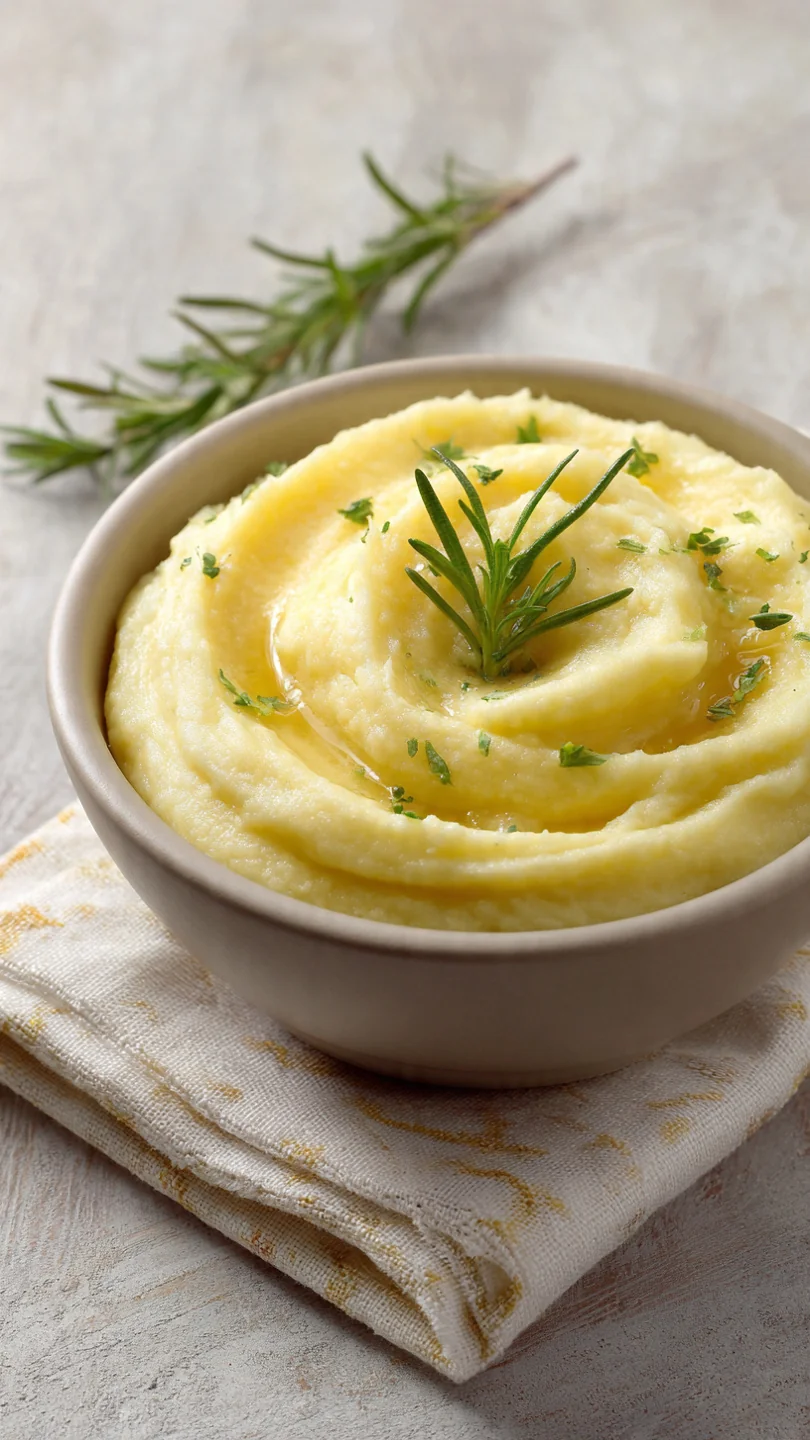
Have you ever tasted a vegetable side so decadent it could steal the spotlight from the main course? That’s the magic of a perfectly executed parsnip puree. Inspired by the clean, impactful flavors championed by chefs like Gordon Ramsay, this version strips away the heavy cream and butter, revealing the parsnip’s true, sweet character.
The result is a side dish that feels indulgent yet is deceptively simple and packed with nutritional benefits. It’s the kind of recipe that will make you see this humble root vegetable in a whole new light.
This parsnip puree earns a permanent spot in your recipe rotation for more reasons than its stunning simplicity.
- Restaurant-Quality at Home: This recipe uses professional techniques, like warming the fat for better emulsification, to achieve a silky texture typically found in high-end kitchens.
- Surprisingly Healthy: By swapping traditional cream and butter for heart-healthy olive oil, you get all the richness without the dairy, making it suitable for various dietary needs.
- Weeknight Easy: With just 10 minutes of hands-on prep and common ingredients, this elegant side can be on your table in half an hour.
- Incredibly Versatile: Its subtly sweet, nutty flavor profile pairs beautifully with almost any protein, from a Sunday roast to a simple weeknight fish fillet.
- Meal-Prep Friendly: The puree reheats beautifully, making it a brilliant make-ahead option for stress-free entertaining or easy weekday sides.
Ingredients You’ll Need
- Let’s gather our ingredients. This short list proves that incredible flavor doesn’t require a pantry raid. Each component plays a specific role in building depth and that signature creamy texture.
- Parsnips: 1.5 pounds. Look for firm, medium-sized parsnips without soft spots or extensive hairy roots. Their natural sweetness is the star here.
- Good Quality Olive Oil: 3 tablespoons, plus extra for drizzling. This is our “cream.” A fruity, extra virgin olive oil will impart wonderful flavor, so use one you like the taste of on its own.
- Garlic: 2 cloves, smashed. Smashing, rather than mincing, allows the garlic to perfume the cooking water and puree without becoming harsh or overpowering.
- Vegetable Stock: 1/2 cup, warmed. Using warm liquid helps maintain the temperature of the puree for a smoother blend. Water works in a pinch, but stock adds a savory backbone.
- Fresh Thyme: 1 teaspoon of leaves. Its earthy, slightly floral notes are a classic pairing with root vegetables. Dried thyme can be used in a pinch (use 1/3 teaspoon).
- Freshly Grated Nutmeg: 1/4 teaspoon. This is non-negotiable. Nutmeg has an almost magical affinity for creamy, sweet dishes—it enhances flavor without tasting distinctly of spice.
- Lemon Juice: 1 tablespoon, freshly squeezed. The critical balancing act. This touch of acidity lifts the entire dish, preventing the sweetness from becoming cloying.
- Sea Salt and Freshly Ground Black Pepper: To taste. Seasoning is everything. You’ll need more salt than you think to make the parsnip’s flavor truly sing.
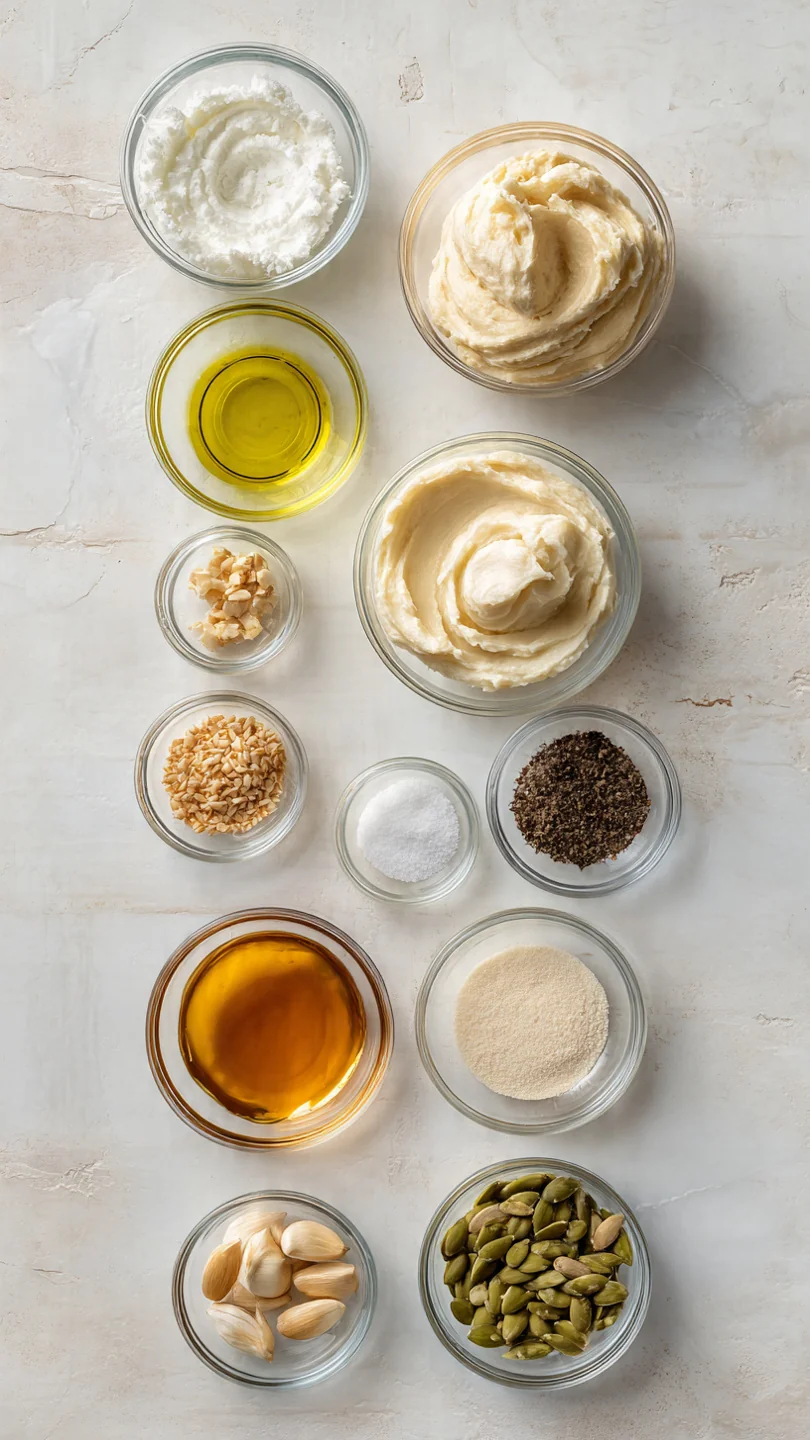
Note: You’ll find the complete list of ingredients, along with their exact measurements, in the printable recipe card at the bottom of this post.
Kitchen Equipment Needed
You likely have everything you need already. The key is a powerful tool for blending.
- Medium Saucepan: For boiling the parsnips.
- Colander: To drain them thoroughly. Excess water is the enemy of a thick, luxurious puree.
- High-Powered Blender or Food Processor: This is essential for the silky-smooth, restaurant-style texture. A standard blender works better than an immersion blender for this application.
- Vegetable Peeler and Chef’s Knife: For prepping the parsnips and garlic.
- Potato Masher (Optional but Helpful): Giving the parsnips a rough mash in the pan before blending makes the final puree significantly smoother and easier on your blender’s motor.
How to Make Healthy Parsnip Puree Recipe
Step 1: Cook the Parsnips Until Tender
Place your chopped parsnips and smashed garlic into a saucepan and cover them with cold, salted water. Starting from cold ensures they cook evenly. Bring it to a boil, then reduce to a steady simmer.
Cook for 12-15 minutes. You’re looking for complete tenderness—a fork should slide in with no resistance. Believe me, undercooked parsnips will never blend smoothly.
Once done, drain them very well in a colander; any leftover water will dilute your puree.
Step 2: Warm the Olive Oil
Here’s a small but mighty professional tip. Return the empty, dry saucepan to low heat and add the olive oil. Warm it gently for about 30 seconds until it shimmers.
You’re not frying, just taking the chill off. This warm oil will emulsify more readily with the starchy parsnips, creating a stable, creamy base rather than a greasy separation. It’s a simple step with a big payoff.
Step 3: Rough Mash for a Head Start
Add the well-drained parsnips and garlic back into the pan with the warm oil. Now, take a potato masher and go to work for about a minute, breaking down the chunks. Trust me, this pre-mash makes the next step in the blender far more efficient and helps achieve that utterly seamless texture we’re after.
It also allows the oil to begin coating the starches.
Step 4: Blend to Silky Perfection
Transfer the mashed mixture to your blender or food processor. Add the warm stock, fresh thyme, nutmeg, and that all-important lemon juice. Secure the lid and blend on high for a full 2-3 minutes.
Yes, that long! Stop once to scrape down the sides. This extended blending time is the secret to a puree that’s luxuriously smooth, not just lump-free.
You’ll hear the sound change as it becomes perfectly homogenous.
Step 5: Season and Serve
Now, taste. This is crucial. Season aggressively with sea salt and freshly ground black pepper.
The puree needs seasoning to elevate the parsnip’s natural sweetness from muted to magnificent. Blend for another 10 seconds to incorporate. Serve immediately in a warm bowl.
Step back and admire your work, then finish with a final drizzle of olive oil, a sprinkle of thyme leaves, and a crack of black pepper.
A few insights from the pro kitchen will guarantee your success every time.
- The Texture Test: For the smoothest puree, blend longer than you think is necessary. The goal is to aerate it slightly, making it light and almost whipped.
- Seasoning Strategy: Always season at the end, after blending. The concentration of flavors changes during processing, and you’ll get a more accurate taste.
- Temperature is Key: Serve the puree immediately or keep it warm in a heatproof bowl set over a pot of simmering water (a bain-marie). It thickens as it sits, but a little warm stock or water can loosen it back up.
- Avoid the Food Processor Pitfall: If using a food processor, be careful not to over-process after adding the liquid, as it can make the puree gluey. Pulse until just smooth.
Recipe Variations
- This recipe is a wonderful canvas for your own flavor explorations.
- Herb-Infused: Swap the thyme for fresh rosemary or sage. For a brighter note, stir in a tablespoon of chopped fresh chives or parsley after blending.
- Spiced Version: Add a pinch of ground cumin or coriander to the blender for a warm, earthy depth that complements the sweetness beautifully.
- Creamy (Non-Vegan) Indulgence: For a special occasion, replace half the olive oil with 2-3 tablespoons of cold, unsalted butter or heavy cream added at the final blend.
- Root Vegetable Blend: Substitute half the parsnips with an equal weight of peeled celery root (celeriac) or carrots for a different flavor complexity.
- Garlic Lover’s Twist: Roast the garlic cloves in their skins alongside the olive oil for 15 minutes at 400°F before adding to the boil. This creates a sweeter, more mellow garlic flavor.
What to Serve With This Recipe
This puree’s elegant neutrality makes it the perfect supporting player. It’s exceptional with herb-roasted chicken or turkey, where it acts as a healthier, flavor-packed alternative to gravy-soaked mashed potatoes. For a pescatarian meal, try it under a piece of pan-seared salmon or honey-glazed cod.
It also makes a fantastic bed for seared scallops or a portobello mushroom steak for a vegetarian feast. For a full menu, pair it with a simple bitter green salad dressed with a lemony vinaigrette to cut through the richness.
Storage & Make-Ahead Instructions
- This puree is a meal-prepper’s dream.
- Refrigeration: Store cooled puree in an airtight container in the refrigerator for up to 3 days.
- Freezing: You can freeze it for up to 2 months. Portion it into freezer-safe bags, press out the air, and lay flat to freeze. Thaw overnight in the refrigerator.
- Reheating: The best method is to reheat it gently in a saucepan over low heat, stirring frequently and adding a splash of water, stock, or olive oil to bring back the creamy consistency. You can also reheat it in the microwave in 30-second intervals, stirring well between each.
- Make-Ahead: You can fully prepare the puree 1-2 days in advance. Store it in the fridge and reheat gently just before serving, adjusting the consistency as needed.
Frequently Asked Questions
Q: Can I make this without a high-powered blender?
A: You can use a food processor or a standard blender, but the texture may not be as perfectly silky. An immersion blender is the least effective tool here, as it often leaves the puree slightly grainy.
Q: My puree is too thick. How can I fix it?
A: Simply blend in additional warm vegetable stock, water, or olive oil, one tablespoon at a time, until you reach your desired consistency. The thickness can vary based on the parsnips’ starch content.
Q: Can I use milk or cream instead of olive oil?
A: Absolutely. For a dairy-based version, substitute the olive oil with 3 tablespoons of butter and use warm whole milk or cream instead of vegetable stock. The technique remains the same.
Q: Why did my puree turn out gluey or gummy?
A: This usually happens if the parsnips were overcooked and absorbed too much water, or if they were over-processed in a food processor. Stick to the simmering time and use a blender for the best texture.
Q: How can I tell if my parsnips are still good?
A: Choose parsnips that are firm, not limp or rubbery. Avoid any with large, soft spots or an extensive network of hairy small roots, which can indicate age and woodiness.
Q: Is this puree suitable for babies?
A: Yes, it’s an excellent, naturally sweet first food! Simply omit the salt and pepper. Ensure it is blended until completely smooth.
Q: Can I roast the parsnips instead of boiling them?
A: Roasting (at 425°F for 25-30 mins) will concentrate the sugars and add a deeper, caramelized flavor. You’ll need to add more liquid when blending to achieve a puree consistency.
Final Thoughts
This Healthy Parsnip Puree is more than just a side dish; it’s a lesson in simplicity and technique. It demonstrates how a few quality ingredients, treated with care, can transform into something truly special. By focusing on the parsnip’s own sweetness and using olive oil to create lushness, you get a side that feels decadent but aligns with a health-conscious lifestyle.
It’s versatile, make-ahead friendly, and sure to impress at any dinner table.
I encourage you to try this recipe exactly as written the first time to experience the perfect balance of flavors and that signature silky texture. Once you’ve mastered it, have fun with the variations. Please let me know how it turns out for you—share your creations online and tag me.
I love seeing your kitchen successes. For more tested, professional recipes that bring restaurant techniques into your home kitchen, be sure to explore the blog. Happy cooking
Gordon Ramsay’s Healthy Parsnip Puree
Equipment
- Medium saucepan
- Colander
- High-powered blender or food processor
- Vegetable peeler
- Chef’s knife and cutting board
Ingredients
- 1.5 lbs parsnips peeled and chopped into 1-inch chunks
- 3 tbsp good quality olive oil plus extra for drizzling
- 2 cloves garlic peeled and smashed
- 0.5 cup vegetable stock or water, warmed
- 1 tsp fresh thyme leaves plus extra for garnish
- 0.25 tsp freshly grated nutmeg
- 1 tbsp lemon juice freshly squeezed
- sea salt and freshly ground black pepper to taste
Instructions
- Place the chopped parsnips and smashed garlic cloves in a medium saucepan. Cover with cold water, add a generous pinch of salt, and bring to a boil over high heat. Reduce heat to maintain a simmer and cook for 12-15 minutes, or until the parsnips are fork-tender. Drain thoroughly in a colander.
- While the parsnips are draining, return the empty, dry saucepan to low heat. Add the olive oil and warm it gently for about 30 seconds—you don’t want it to smoke. This helps the oil emulsify better with the vegetables.
- Add the drained parsnips and garlic back to the pan with the warm oil. Use a potato masher to roughly break them down for a minute. This initial mash makes the final blending much smoother.
- Transfer the mashed mixture to a high-powered blender or food processor. Add the warm vegetable stock, fresh thyme, nutmeg, and lemon juice. Blend on high for 2-3 minutes, stopping to scrape down the sides once, until completely silky and smooth. The long blend time is key for the luxurious texture.
- Taste and season aggressively with sea salt and black pepper. The puree should be well-seasoned to bring out the parsnips’ natural sweetness. Blend again for 10 seconds to incorporate. Serve immediately, drizzled with a little extra olive oil and garnished with fresh thyme and cracked pepper.