
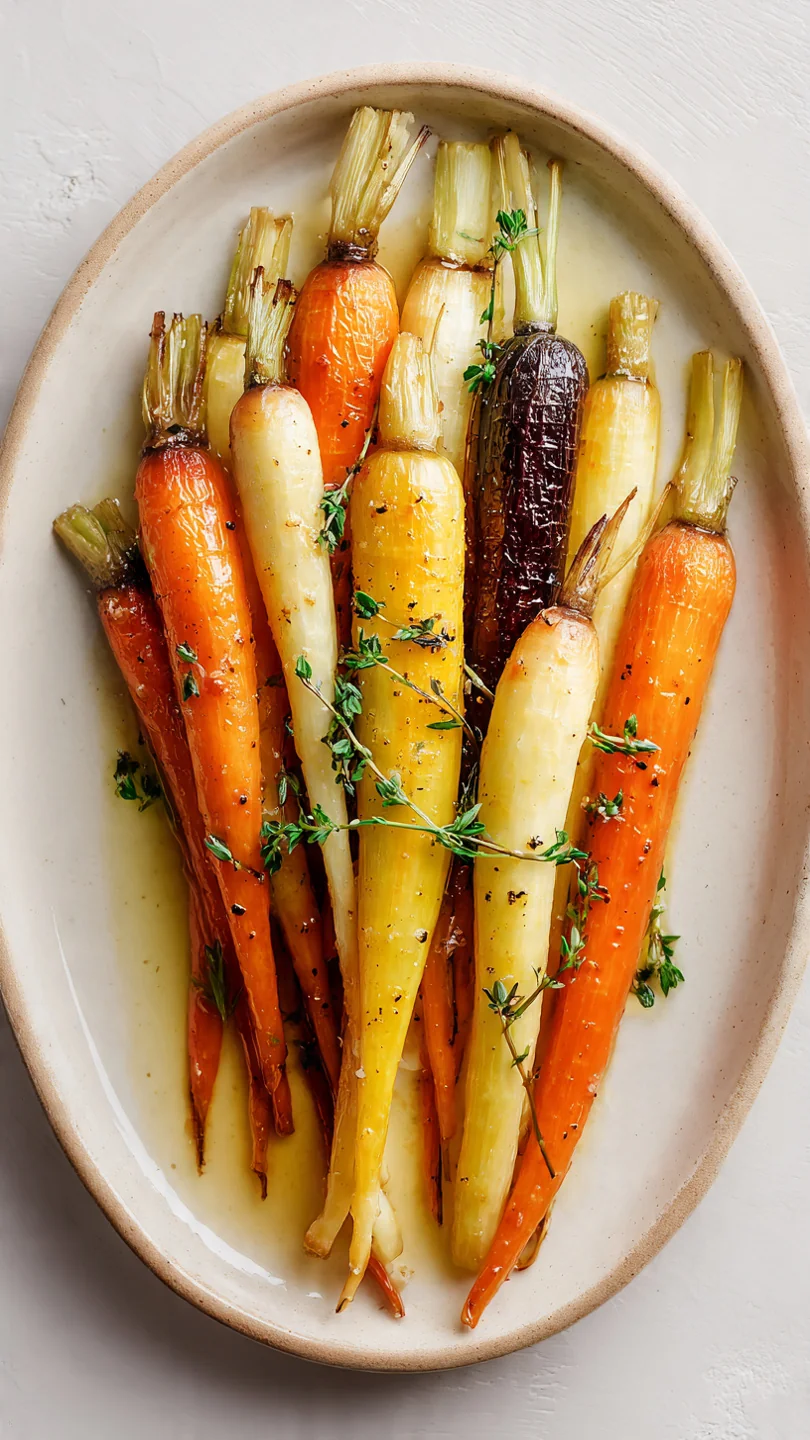
There’s a moment of pure kitchen alchemy that happens when humble root vegetables meet heat, butter, and honey. The sharp, earthy notes mellow, natural sugars concentrate, and a simple glaze transforms them into something glossy, sweet, and deeply savory. This recipe for honey glazed carrots and parsnips is my go-to for turning an ordinary weeknight side into an elegant accompaniment worthy of a holiday table.
It’s a study in contrasts: the carrots bring a familiar sweetness, while the parsnips add a complex, almost nutty flavor that keeps every bite interesting. You’ll love how the edges caramelize into sticky, golden bits, and the entire dish comes together with minimal fuss and maximum reward.
- One-pan simplicity: Everything roasts together on a single baking sheet, meaning less cleanup and more time enjoying your meal.
- Big flavor, fast: In about 30 minutes, you transform basic pantry ingredients into a side dish with restaurant-quality depth and a beautiful glossy finish.
- Diet-flexible: This recipe is naturally gluten-free, nut-free, and vegetarian, making it a safe and delicious option for diverse gatherings.
- Kid-approved sweetness: The natural honey glaze makes these vegetables appealing even to picky eaters, offering a gateway to enjoying more veggies.
- Perfect texture: The method ensures the vegetables are tender but never mushy, with just the right amount of caramelized bite.
- Endlessly adaptable: The base recipe is a fantastic canvas. You can easily swap herbs, add spices, or adjust the sweetener to match your main course.
Ingredients You’ll Need
Let’s gather our ingredients—this is where simple pantry staples come together to create something special. The magic lies in the balance: the earthy parsnips temper the sweetness of the carrots and honey, while butter and garlic add a rich, savory backbone. I recommend seeking out parsnips that are firm and medium-sized; very large ones can have a woody core you may need to trim.
For the honey, a mild, runny variety like clover or wildflower works best, as it mixes easily into the glaze without overpowering. If you only have a strongly flavored honey like buckwheat, you might use half honey and half pure maple syrup. Fresh thyme is non-negotiable here for its lemony, pine-like fragrance that cuts through the sweetness, but in a pinch, 1 teaspoon of dried thyme will work.
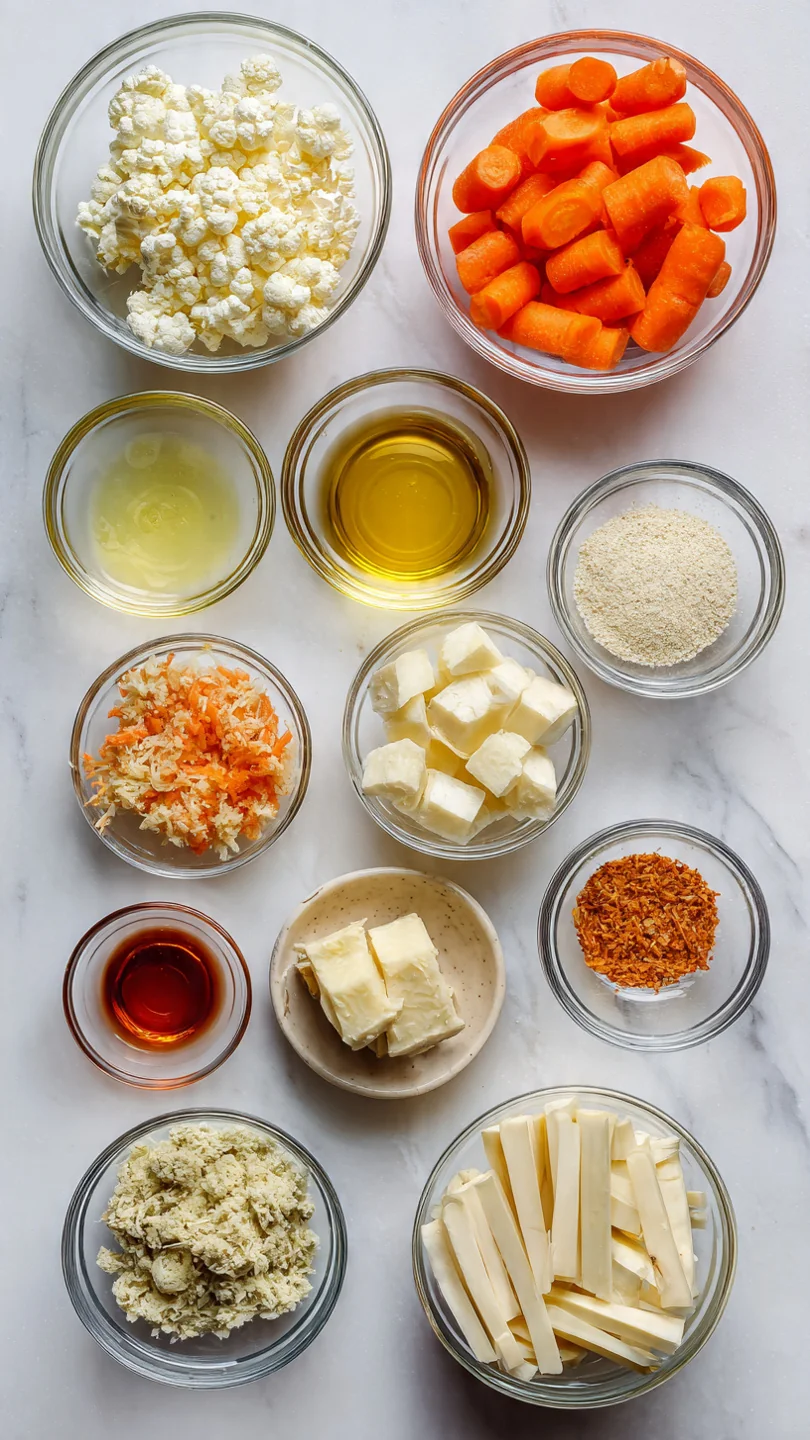
Note: You’ll find the complete list of ingredients, along with their exact measurements, in the printable recipe card at the bottom of this post.
Kitchen Equipment Needed
You don’t need any specialty gear for this recipe. A large, rimmed baking sheet (often called a half sheet pan) is essential. The rim prevents any glaze from dripping into your oven, and the large surface area allows the vegetables to roast, not steam.
A sharp chef’s knife makes quick work of peeling and cutting the carrots and parsnips into even sticks. You’ll also need a large mixing bowl for tossing everything together. While not mandatory, a Microplane makes mincing the garlic a breeze and helps it melt seamlessly into the glaze.
Avoid using a glass or ceramic baking dish, as it won’t promote the same level of browning and caramelization.
How to Make Honey Glazed Carrots and Parsnips Recipe
Step 1: Create the Flavor Foundation
Preheat your oven to 425°F (220°C). This high temperature is crucial for achieving caramelization without overcooking the vegetables. In your large mixing bowl, whisk together the melted butter, honey, olive oil, minced garlic, thyme leaves, salt, pepper, and red pepper flakes if using.
Whisk until it forms a smooth, emulsified glaze. Believe me, combining the wet ingredients first ensures every element of flavor coats every vegetable evenly, preventing any clumps of garlic or thyme.
Step 2: Coat the Vegetables
Add your prepared carrot and parsnip sticks to the bowl with the glaze. Now, get your hands in there! Using your hands is the most effective way to massage the glaze into every nook and cranny of the vegetables.
If you prefer, a large spoon works too, but be thorough. You want a glossy, even sheen on each piece. This step should take a good 60 seconds—don’t rush it.
Step 3: The Initial Roast
Spread the coated vegetables in a single, uncrowded layer on your rimmed baking sheet. If they’re piled on top of each other, they’ll steam and become soggy. If your sheet seems packed, use a second one.
Place the pan in the preheated oven and roast, undisturbed, for 15 minutes. This initial blast of heat begins to soften the vegetables and starts the Maillard reaction—that’s the science behind the beautiful browning and deep flavor development.
Step 4: Toss and Finish Caramelizing
After 15 minutes, carefully remove the pan from the oven. You’ll see the edges of the vegetables just beginning to brown and the glaze bubbling. Use a thin spatula to toss and stir everything, moving the pieces from the edges to the center and vice versa.
This promotes even cooking and prevents burning. Return the pan to the oven for the final 8-12 minutes of roasting.
Step 5: Serve and Enjoy
Roast until the vegetables are easily pierced with a fork and have developed rich, caramelized spots. The glaze will have reduced to a sticky, beautiful coating. Tip from me: The parsnips will be a deeper gold than the carrots.
Transfer everything to a warm serving platter, garnish with a few fresh thyme sprigs for a pop of color and fragrance, and serve immediately while they’re hot and glossy.
Uniformity is key: Take the time to cut your carrots and parsnips into similarly sized pieces. Aim for sticks about 3 inches long and 1/2-inch thick. This ensures they cook at the same rate, so you don’t end up with some pieces mushy and others undercooked. Embrace the high heat: Roasting at 425°F is not a suggestion. This temperature is high enough to quickly evaporate the vegetables’ moisture, concentrating their sugars and allowing for proper caramelization instead of steaming. A lower temperature will make them limp. Don’t skip the toss: That mid-roast toss in Step 4 is critical. It redistributes the glaze that has pooled on the pan and exposes new surfaces of the vegetables to the direct heat, maximizing browning and flavor on all sides. The visual cue for doneness: Look for a slight wrinkling on the carrot skins and small, dark brown caramelized patches. The vegetables should be tender but still offer a slight resistance when bitten—al dente, not soft.Recipe Variations & Customizations
- Maple-Balsamic Twist: Replace the honey with pure maple syrup and add 1 tablespoon of good balsamic vinegar to the glaze. The vinegar adds a wonderful tangy complexity that cuts the sweetness.
What to Serve With This Recipe
These honey glazed carrots and parsnips are the ultimate versatile side. Their sweet-savory profile makes them a perfect partner for simply roasted or grilled proteins. Think herb-roasted chicken, pan-seared pork chops, or a juicy steak.
For a holiday feast, they are a stunning and flavorful upgrade from plain boiled vegetables alongside your Thanksgiving turkey or Christmas ham. During the week, I love serving them with a pan-seared salmon fillet or a lentil loaf for a hearty vegetarian meal. To round out the plate, consider a simple, crisp green salad with a vinaigrette to contrast the glaze’s richness, or a portion of creamy mashed potatoes for the ultimate comfort food combination.
Storage & Make-Ahead Instructions
- Storage: Allow any leftovers to cool completely, then transfer them to an airtight container. They will keep in the refrigerator for up to 4 days. The glaze may solidify when cold; this is normal.
Frequently Asked Questions
Q: Can I use baby carrots instead of full-sized carrots?
A: Yes, you can. Use whole, peeled baby carrots. Because they are smaller, check for doneness a few minutes earlier.
I don’t recommend bagged “baby-cut” carrots, as they often have less flavor and a drier texture.
Q: My glaze burned in the oven. What happened?
A: This usually means your oven temperature is running high, your baking sheet is too dark (which absorbs more heat), or the honey used has a very low burn point. Try reducing the oven temperature to 400°F and placing the rack in the center, not the top. Lining the pan with foil is not ideal for browning, but it can prevent burning in a problematic oven.
Q: Can I make this recipe with just carrots or just parsnips?
A: Absolutely. The cooking time may vary slightly. Parsnips alone may take a minute or two longer, while carrots alone might be done a minute or two sooner.
Keep an eye on them after the first 15 minutes.
Q: Is there a substitute for honey?
A: Yes. Pure maple syrup is the best 1:1 substitute. Agave nectar will also work, though it is sweeter and thinner.
For a sugar-free option, a monk fruit maple syrup blend can be used, but note it may not caramelize in the same way.
Q: How do I prevent the vegetables from sticking to the pan?
A: The combination of oil and butter in the glaze usually provides enough fat to prevent sticking. Ensure your baking sheet is clean and dry before adding the vegetables. A well-seasoned or non-stick sheet pan is helpful but not required.
Q: Can I freeze the cooked glazed vegetables?
A: I do not recommend it. The texture of the root vegetables becomes unpleasantly mushy and watery upon thawing and reheating. This dish is best enjoyed fresh or refrigerated for a few days.
Q: The vegetables aren’t browning. What can I do?
A: They are likely crowded on the pan, which creates steam. Spread them out more, using two pans if necessary. Also, ensure your oven is fully preheated and you’re using the recommended high temperature.
Final Thoughts
This recipe for honey glazed carrots and parsnips embodies what I love most about cooking: transforming a few simple, wholesome ingredients into a side dish that feels both comforting and special. It’s reliable enough for a busy Tuesday but elegant enough to earn a spot on your holiday table. The technique—a hot oven, a good mid-roast toss, and watching for those perfect caramelized spots—is a fundamental skill that applies to roasting almost any vegetable.
I’ve tested this method countless times in my professional and home kitchen, and it never fails to deliver vibrant flavor and perfect texture.
I encourage you to make this recipe your own. Try the variations, adjust the sweetness to your taste, and pair it with your family’s favorite mains. Once you see how easy it is to achieve that glossy, restaurant-style finish, you’ll find yourself making it again and again.
If you do try it, I’d love to hear how it turned out for you. Share your results and any creative twists you added. Happy cooking
Honey Glazed Carrots and Parsnips
Equipment
- Large rimmed baking sheet (half-sheet pan)
- Large mixing bowl
- Sharp chef’s knife and cutting board
- Microplane or garlic press (optional, for mincing garlic)
Ingredients
- 1.5 lbs carrots peeled and cut into 3-inch long, 1/2-inch thick sticks
- 1.5 lbs parsnips peeled and cut into 3-inch long, 1/2-inch thick sticks
- 3 tbsp unsalted butter melted
- 3 tbsp honey preferably a mild, runny variety like clover or wildflower
- 2 tbsp olive oil
- 3 cloves garlic minced
- 1 tbsp fresh thyme leaves plus extra sprigs for garnish
- 1 tsp kosher salt plus more to taste
- 1/2 tsp black pepper freshly ground
- 1 pinch red pepper flakes optional, for a hint of heat
Instructions
- Preheat your oven to 425°F (220°C). In a large bowl, whisk together the melted butter, honey, olive oil, minced garlic, thyme leaves, salt, black pepper, and optional red pepper flakes until well combined. This creates your flavor-packed glaze.
- Add the prepared carrot and parsnip sticks to the bowl with the glaze. Using your hands or a large spoon, toss everything together until every piece is evenly and thoroughly coated. Trust me, taking a full minute to toss ensures every bite is flavorful.
- Spread the vegetables in a single layer on a large, rimmed baking sheet. Avoid overcrowding—use two sheets if needed. Roast in the preheated oven for 15 minutes without disturbing. This initial high-heat blast starts the caramelization process.
- After 15 minutes, remove the pan from the oven. The edges of the vegetables will just be starting to brown. Carefully toss and stir them with a spatula to promote even cooking. Return to the oven for another 8-12 minutes.
- Roast until the vegetables are fork-tender and the glaze has reduced to a beautiful, sticky coating with deeply caramelized spots. Tip from me: The parsnips should be golden and the carrots should be slightly wrinkled. Transfer to a serving dish, garnish with fresh thyme sprigs, and serve immediately.