
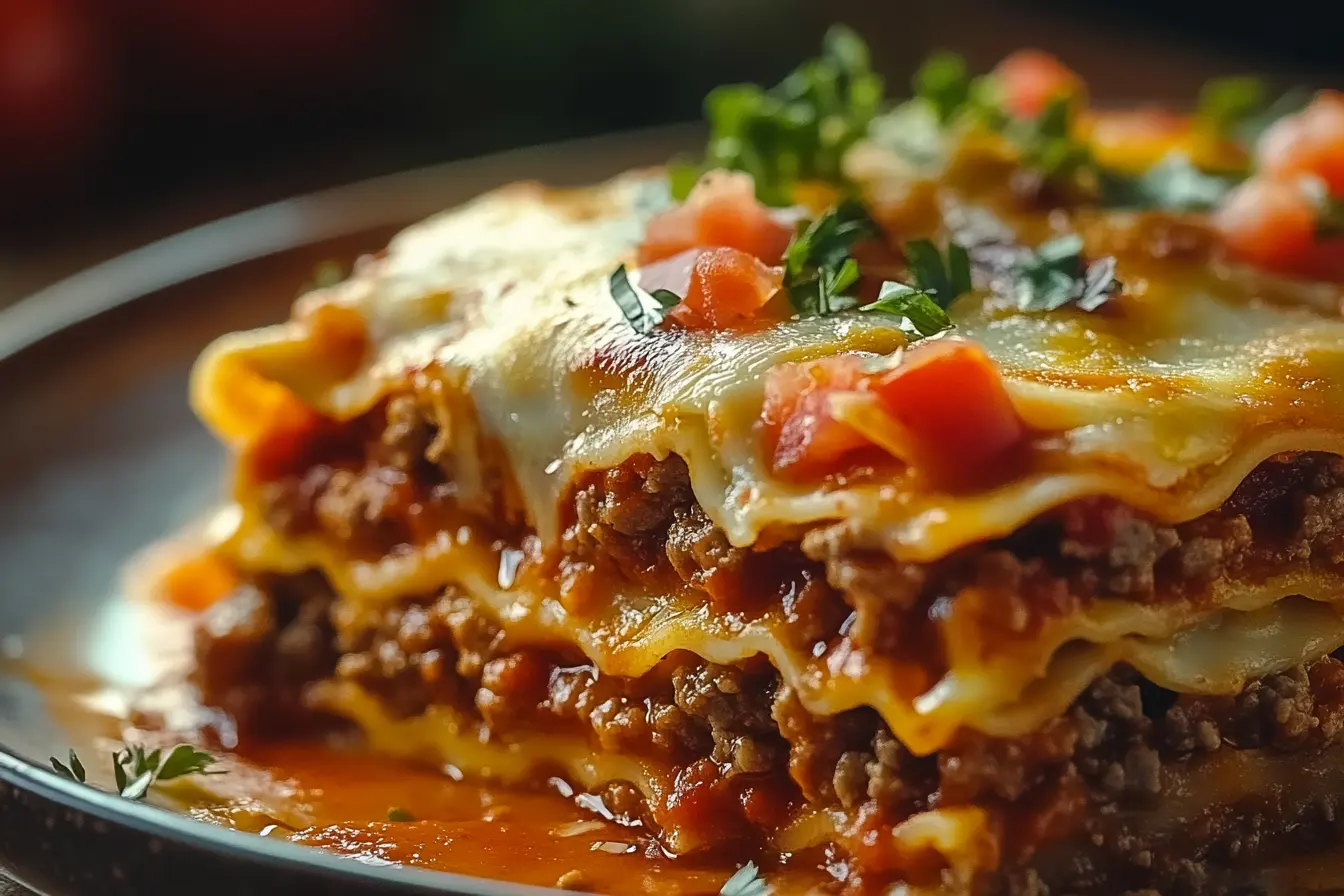
Introduction to Crafting the Perfect Lasagna
Creating the perfect lasagna is akin to crafting a masterpiece. It’s not just about the ingredients; it’s also about how they come together. A key component of this culinary art is understanding how many layers should a lasagna have. Each layer of a lasagna adds distinct flavors and textures, and how these elements combine during baking can critically affect the outcome of your dish. This article explores the subtleties of lasagna layering, offering insights on finding the perfect balance between too few and too many layers. Whether you’re a seasoned chef or a home cook, the tips provided here will help you perfect the layers of your next lasagna, ensuring that each bite is as visually appealing as it is delicious.
The Basics of Lasagna Layering
Importance of Proper Layering
Proper layering is crucial for achieving a lasagna that’s not only tasty but also holds its shape when served. The structure of lasagna relies heavily on how its components are stacked. Starting with a good foundation and understanding the role each ingredient plays within the layers is vital. Typically, a well-assembled lasagna will feature a balance of pasta, sauces, cheeses, and fillings that complement each other without overpowering or causing the structure to fail.
Choosing the Right Ingredients
Selecting the right ingredients is the first step to a stable lasagna. Use noodles that are sturdy enough to hold the weight of the fillings. Whether you opt for no-boil noodles or traditional ones that need precooking, each type plays a significant role in the end texture of your dish. Sauces should be thick enough to cling to the layers without seeping out, which helps in maintaining the integrity of the lasagna.
For further insights on picking the best ingredients, check out Love and Lemons – How to Layer Lasagna, where you can find a detailed guide on the importance of each component in lasagna making.
Stay tuned as we explore the optimal number of layers in the next section, ensuring your lasagna not only tastes great but also presents beautifully, holding together with each slice.
Determining the Optimal Number of Layers
Traditional vs. Modern Lasagna Layer Counts
The debate between traditional and modern lasagna layer counts centers on culinary preferences and regional influences. Traditionally, lasagnas typically have three to four layers. This structure allows the sauce, cheese, and fillings to cook thoroughly and meld effectively without making the dish too dense. Modern versions may feature up to five or six layers, especially in more refined presentations. These additional layers cater to various tastes and textures, offering either a richer or more delicate culinary experience based on the desired outcome.
How the Choice of Ingredients Affects the Number of Layers
The ingredients you choose directly influence how many layers your lasagna should have. Heavier, more robust fillings such as thick meat sauces or a variety of vegetables might necessitate fewer layers to prevent the dish from becoming too bulky or difficult to bake evenly. Conversely, lighter ingredients like fine-ground meats or simple cheese layers can be stacked higher without compromising the structure or cooking time. Selecting the right balance ensures that each component is cooked to perfection, maintaining the lasagna’s integrity.
Effects of Layer Count on Cooking and Texture
How Different Layer Counts Impact the Baking Process
The number of layers in a lasagna significantly affects how it bakes. Fewer layers might lead to quicker cooking times but can risk the lasagna drying out if not monitored carefully. More layers often require longer baking times to ensure that heat penetrates through every layer, melting the cheese and marrying the flavors throughout the dish. Understanding your oven and possibly adjusting cooking times and temperatures is crucial when experimenting with different layer counts.
Texture Considerations with Varying Layers
The texture of lasagna is paramount and heavily reliant on the correct layer count. Too many layers can result in a soggy or undercooked middle, while too few may yield a dry, overcooked dish. Achieving that coveted silky yet firm texture where the noodles are perfectly al dente, and the cheese is gooey requires precision in layering. Each additional layer adds complexity not only in flavor but also in how the ingredients interact during the cooking process, affecting the final texture of the lasagna.
By carefully considering these aspects, you can master the art of lasagna layering, ensuring that every bake results in a delicious, well-formed dish that captures the essence of both its heritage and your culinary creativity.
Best Practices for Layering Ingredients
Layering lasagna is an art that balances structure, moisture, and flavor. Each layer plays a critical role in the final product’s success. Here’s how to get it right, whether you’re making a meat-based or vegetarian lasagna.
Detailed Guide on How to Layer Sauces, Noodles, and Fillings
Start with a thin layer of sauce at the bottom of your baking dish.
- Base layer: Start with a thin sauce layer to prevent noodles from sticking and to provide moisture, crucial for no-boil noodles. Place noodles on top, avoiding too much overlap to ensure even cooking.
- Meat-based lasagnas: Layer noodles with meat sauce, then add ricotta or béchamel sauce. Top with grated mozzarella or other cheeses.
- Vegetarian lasagnas: Use a rich vegetable mix instead of meat sauce. Include pre-cooked vegetables like grilled zucchini, eggplant, or mushrooms to prevent excess moisture.
Repeat the layers, ending with a generous topping of sauce and a final layer of shredded cheese to create a golden, bubbly crust when baked.
Tips for Layering Both Meat-Based and Vegetarian Lasagnas
For both types of lasagna, ensure each layer is evenly spread and ingredients are distributed uniformly to avoid any gaps or air pockets that could affect how the lasagna cooks and holds together. Season each layer modestly to enhance flavors without overpowering the delicate balance of the ingredients.
Common Mistakes in Lasagna Layering
What to Avoid When Building Your Lasagna Layers
One common mistake is over-layering with excessive sauce or cheese, which can make the lasagna too wet or oily, causing it to fall apart when served. Avoid using ingredients straight from the refrigerator; allowing them to come closer to room temperature can enhance flavor integration and ensure even cooking.
Another error is undercooking the noodles if they are pre-boiled, or not adding sufficient sauce to no-boil noodles. Both can lead to a chewy, undercooked texture in the final dish.
Correcting Common Misconceptions and Errors
A frequent misconception is that more cheese equals better flavor and texture. However, too much cheese can make the lasagna greasy and heavy. Balance the cheese with other ingredients and consider the moisture content of each type of cheese used.
Ensure that the final top layer of noodles is adequately covered with sauce and cheese, as exposed noodles will harden and become inedible. Always allow the lasagna to rest for at least 15-20 minutes after baking. This rest period helps the layers set and makes cutting and serving much cleaner and more manageable.
By understanding these best practices and common pitfalls, you can layer your lasagna like a pro, ensuring each slice is as delicious as it is visually appealing.
Advanced Tips and Techniques
Professional Tips for Perfect Lasagna
Even the most experienced cooks can benefit from a few professional tips that elevate a simple lasagna to something extraordinary. One key technique is to ensure even distribution of ingredients across each layer. This not only helps with cooking but also ensures that every bite is flavorful. Chefs recommend adding seasoning layers separately—sprinkle salt, pepper, and herbs directly onto the ricotta or béchamel layer instead of mixing it in, allowing for more control over the flavor profile.
Another tip is to slightly overlap the lasagna noodles at the edges. This slight overlap can help prevent the sauce from seeping out during baking and maintain the structural integrity of the lasagna.
How to Customize Layering Based on Dish Size and Occasion
Customizing your lasagna based on the dish size and the occasion can make a big difference. For larger gatherings, consider making a deeper lasagna with more layers, but always ensure the dish is deep enough to contain all the layers without spilling over during baking. For a more intimate dinner, a smaller dish with fewer, more refined layers might be more appropriate.
Innovative Lasagna Variations
Exploring Creative Variations in Lasagna Layering from Around the World
Lasagna does not have to be confined to traditional Italian ingredients. Globally inspired variations include using tortillas instead of pasta for a Mexican-themed lasagna, or incorporating spices like curry and layers of paneer in an Indian-inspired version. Each cultural twist provides a new experience that can be both exciting and delicious.
Dietary Considerations and Modern Adaptations
With growing dietary restrictions and preferences, lasagna can easily be adapted to be gluten-free by using gluten-free pasta or vegetable slices like zucchini instead of noodles. For a low-carb option, layers of thinly sliced eggplant or cabbage can replace noodles entirely.
Vegan lasagna has also risen in popularity, using cashew cheese and tofu as replacements for traditional ricotta and béchamel sauces, proving that lasagna can be versatile and inclusive.
By embracing these advanced tips, techniques, and innovative variations, you can ensure your lasagna is not only a joy to make but also a highlight of any meal, delighting guests with its flavors and presentation. Whether sticking with tradition or venturing into new culinary territories, lasagna offers endless possibilities for creativity in the kitchen.
FAQs About Lasagna Preparation
What is a Good Substitute for Lasagna Pasta?
For those looking to avoid traditional pasta, whether for dietary reasons or to simply try something new, there are several viable substitutes. Thinly sliced zucchini, eggplant, or butternut squash can serve as excellent gluten-free alternatives. These vegetables not only add a nutritional boost but also hold up well during the baking process, mimicking the texture of pasta. For a low-carb option, sheets of steamed cabbage or large spinach leaves can also be used effectively.
What Not to Do When Making Lasagna?
Avoid a few common pitfalls to ensure your lasagna turns out well:
- Do not overfill your layers: Excessive sauce, cheese, or filling can make your lasagna soggy or cause it to collapse when cut.
- Avoid using ingredients that are too wet: Pre-cook vegetables to reduce moisture and use thickened sauces to keep your lasagna from becoming watery.
- Do not rush the baking and cooling process: Ensure your lasagna is fully cooked and set by allowing sufficient time in the oven and letting it rest before slicing.
What Keeps Lasagna from Falling Apart?
Several key practices ensure that lasagna maintains its structure:
- Proper layering: Begin with a layer of sauce at the bottom. This prevents the noodles from sticking. Finish with a generous amount of cheese on top to seal the layers.
- Balance wet and dry ingredients: Make sure your fillings aren’t too moist. Cover each layer of noodles thoroughly with sauce to maintain the right moisture balance.
- Let it rest: Allow the lasagna to cool for at least 15-20 minutes after baking. This resting period helps the layers set, making the lasagna easier to slice cleanly.
How Many Layers Should a Lasagna Have?
The ideal number of layers in a lasagna typically ranges between three and five.This balance ensures even cooking, allowing you to enjoy a variety of flavors without the lasagna becoming too cumbersome to bake properly. However, the optimal number of layers may vary depending on your baking dish’s depth and each layer’s thickness. Thinner layers allow for more repeats, whereas thicker layers may necessitate fewer.