
Introduction
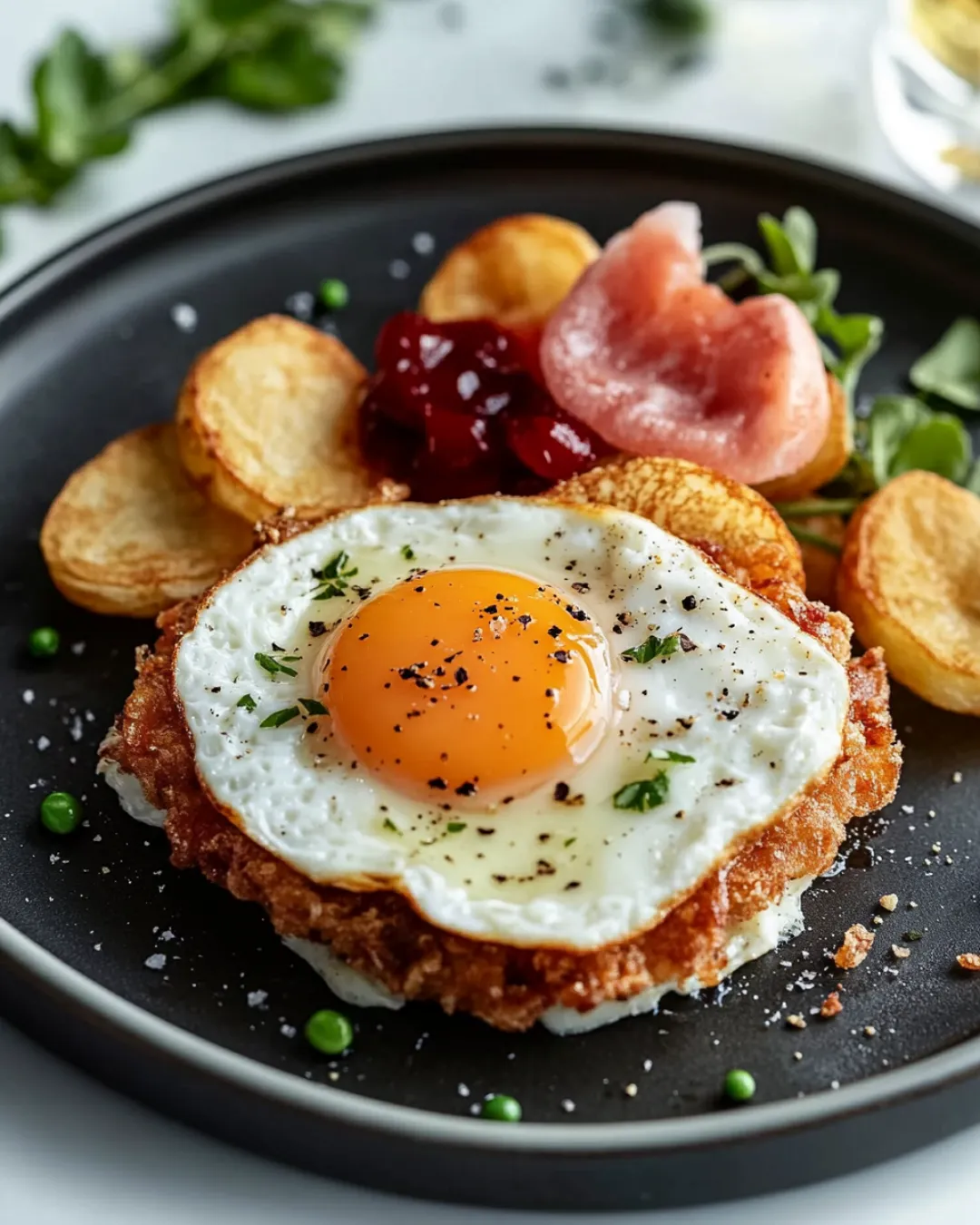
Fried eggs are a simple yet incredibly satisfying breakfast staple enjoyed around the world. Whether served sunny-side up, over-easy, or well-done, fried eggs offer a quick, protein-rich meal that fits any part of the day. Their golden, runny yolks combined with tender whites make them versatile for pairing with toast, rice, vegetables, or meats. From lazy mornings to busy weekdays, fried eggs come together in just minutes with minimal ingredients—typically eggs, a bit of oil or butter, and seasonings like salt and pepper.
The beauty of fried eggs lies in their adaptability. You can prepare them exactly how you like, adjusting for texture and yolk firmness. Whether you’re a fan of the classic sunny-side-up egg with its perfect golden yolk or prefer a well-done, crispy-edge egg, mastering the art of frying eggs opens up endless meal opportunities.
This recipe will walk you through the process of achieving perfect fried eggs every time, ensuring you get just the right combination of flavor, texture, and visual appeal. With a few simple techniques and tips, even beginner cooks can confidently make this breakfast essential. Fried eggs are not just limited to breakfast—they can transform a humble dish like rice, pasta, or avocado toast into something special.
Ready to learn how to make the perfect fried eggs? Let’s dive into the step-by-step method, ingredient details, and serving suggestions to help you master this timeless classic.
Brief Description of the Recipe
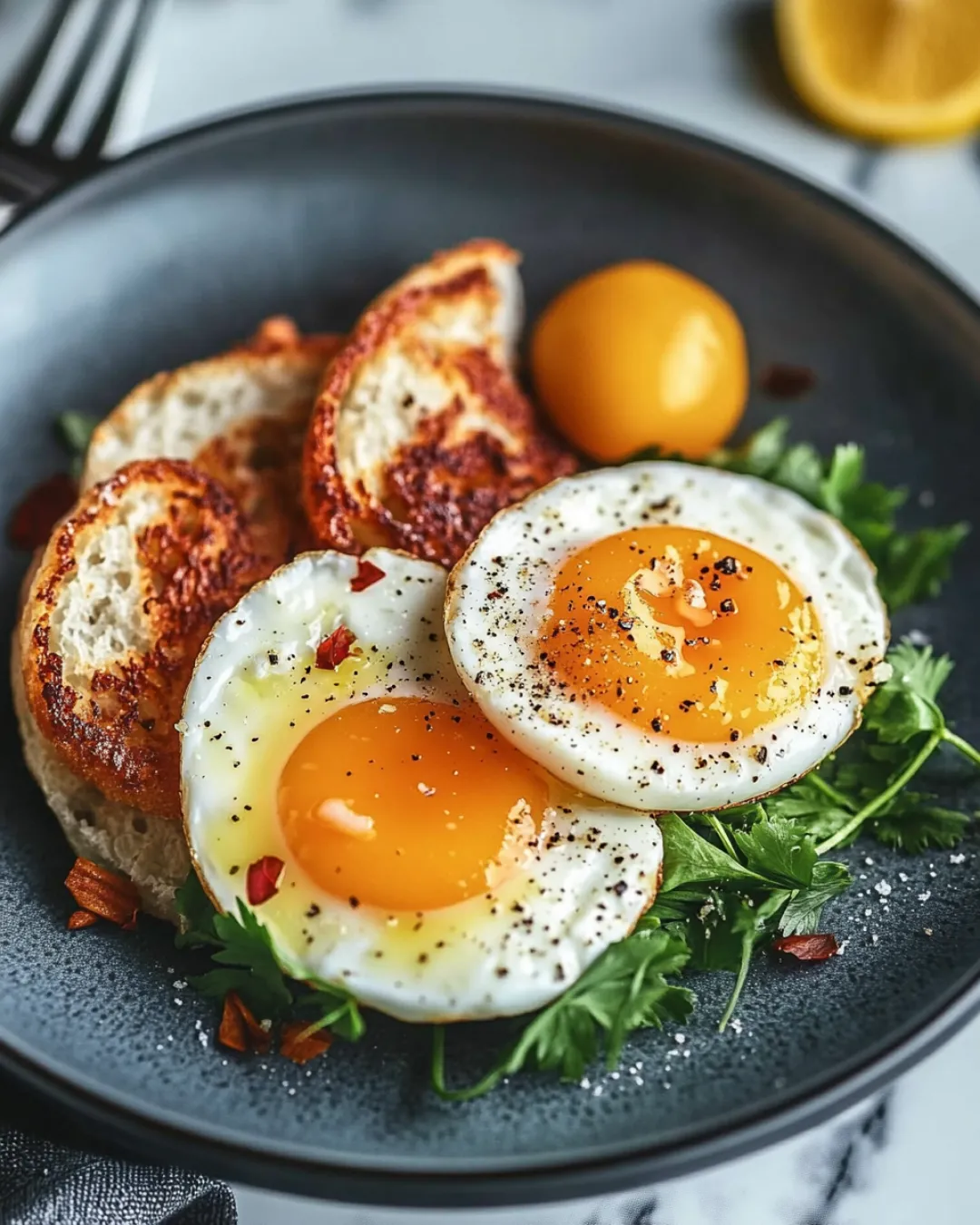
Fried eggs are quick, easy, and versatile, making them a go-to dish for breakfast, lunch, or dinner. This recipe focuses on preparing fried eggs three ways: sunny-side up (perfectly cooked whites with a runny yolk), over-easy (flipped for a soft yolk and tender whites), and crispy-edged well-done eggs for those who prefer firmer results.
The ingredients are minimal and affordable: fresh eggs, cooking oil (or butter), salt, and pepper. The beauty of this recipe lies in its ability to adapt to your preferences. By tweaking cooking times and heat levels, you can control the texture and firmness of the egg. For example, lower heat gives you soft, evenly cooked whites, while higher heat creates golden, crispy edges.
This recipe is ideal for busy mornings, late-night snacks, or simple meals when you’re craving something quick yet satisfying. Pair these fried eggs with toast, sautéed greens, rice bowls, or even pasta. You can also sprinkle them with herbs, chili flakes, or grated cheese for added flavor.
In just a few minutes, you’ll have perfectly cooked fried eggs that can elevate any meal. Whether you’re cooking for yourself, your family, or guests, fried eggs are a timeless classic that never disappoints.
Why This Recipe is a Winner
Fried eggs are a winner because they are the ultimate combination of simplicity, speed, and satisfaction. With only three main ingredients—eggs, oil or butter, and seasonings—you can prepare a delicious dish in under five minutes. This recipe provides clear step-by-step instructions to suit any preference, whether you like runny, jammy, or firm yolks.
What makes this recipe stand out is its ability to be customized. You can adjust the heat for crispy edges, flip for tender whites, or leave the yolk untouched for a picture-perfect sunny-side-up egg. Plus, fried eggs pair with practically anything, from buttered toast to grain bowls, making them suitable for any meal of the day.
Compared to store-bought or pre-prepared options, homemade fried eggs allow you to control the texture, flavor, and quality of ingredients. There’s something uniquely satisfying about nailing the perfect fried egg to complement your meal. Once you master the technique, you’ll never look back.
Ingredients
- Eggs: Fresh eggs ensure better flavor and texture.
- Butter or Cooking Oil: Butter adds richness, while oil creates crispy edges. Use neutral oils like canola or avocado.
- Salt & Pepper: Enhances flavor.
- Optional Garnishes: Fresh herbs, chili flakes, or grated cheese for added flavor.
Variations:
- Use ghee for nutty flavor.
- Add paprika or garlic powder for extra spice.
Preparation Tips
Step-by-Step Instructions
- Choose Your Pan:
- Use a nonstick skillet or well-seasoned cast-iron pan to prevent the eggs from sticking.
- Heat the Pan:
- Place the pan on medium-low heat. Add about 1 tablespoon of butter or oil and let it melt. Avoid overheating, as too much heat will overcook the whites and burn the edges.
- Crack the Eggs:
- Gently crack the egg into a small bowl. This step ensures you catch any shells before cooking.
- Cook Sunny-Side Up Eggs:
- Carefully pour the egg into the heated pan. Cook for 2-3 minutes until the whites are set and no longer translucent, but the yolk remains runny. Do not flip.
- For soft whites, cover the pan with a lid for the last 30 seconds.
- Cook Over-Easy Eggs:
- Once the egg whites are set (about 2 minutes), gently flip the egg with a spatula. Cook for another 20-30 seconds to set the top while keeping the yolk runny.
- Cook Crispy-Edged or Well-Done Eggs:
- Increase the heat slightly to medium-high. Cook the eggs until the edges turn golden and crispy. Flip the egg and cook for an additional minute for a firm yolk.
- Season and Serve:
- Sprinkle the eggs with salt and pepper to taste. Add optional garnishes like herbs or chili flakes.
Serving Suggestions
- Serve fried eggs over buttery toast or English muffins.
- Add them to rice bowls, ramen noodles, or pasta for added protein.
- Pair with sautéed spinach, avocado slices, or roasted vegetables for a healthy meal.
- Top with salsa, grated cheese, or a drizzle of hot sauce for a flavor boost.
Helpful Tips
- Use Fresh Eggs: Fresh eggs hold their shape better and cook evenly. Check freshness by placing the egg in water—fresh eggs sink, while older ones float.
- Don’t Overheat: Use medium-low heat for tender whites. High heat works for crispy edges.
- Crack Into a Bowl First: Cracking eggs into a bowl prevents shells from falling into the pan.
- Nonstick Pans Are Key: A nonstick pan makes flipping and cleaning easier.
- Customize the Texture: Cover the pan for set whites, flip for firmer eggs, or adjust heat for crispy edges.
Substitutions and Variations
- Butter vs. Oil: Use olive oil, ghee, or avocado oil for a healthier alternative.
- Spices: Add paprika, cumin, or chili flakes for heat.
- Herbs: Sprinkle fresh parsley, chives, or basil for freshness.
- Cheese: Melt grated Parmesan or cheddar on top while cooking.
Frequently Asked Questions (FAQs)
- What is the best pan for fried eggs?
A nonstick or well-seasoned cast-iron pan works best. - How do I get crispy edges?
Use medium-high heat and oil for crispiness. - How do I flip eggs without breaking the yolk?
Slide a thin spatula under the egg and gently flip. - Can I fry eggs without butter or oil?
Yes, but you’ll need a quality nonstick pan. - How long does it take to cook a fried egg?
About 2-3 minutes. - What does covering the pan do?
It helps cook the egg whites without flipping. - How do I cook eggs with firm yolks?
Flip and cook longer (1-2 minutes). - Can I season eggs while cooking?
Yes, season lightly before serving. - Can I reheat fried eggs?
Yes, briefly heat them in a skillet. - How do I prevent sticking?
Use enough oil or butter and a nonstick pan.
Ideas for Repurposing Leftovers
- Chop leftover fried eggs into fried rice or noodles.
- Use in breakfast sandwiches or wraps.
- Top salads or grain bowls.