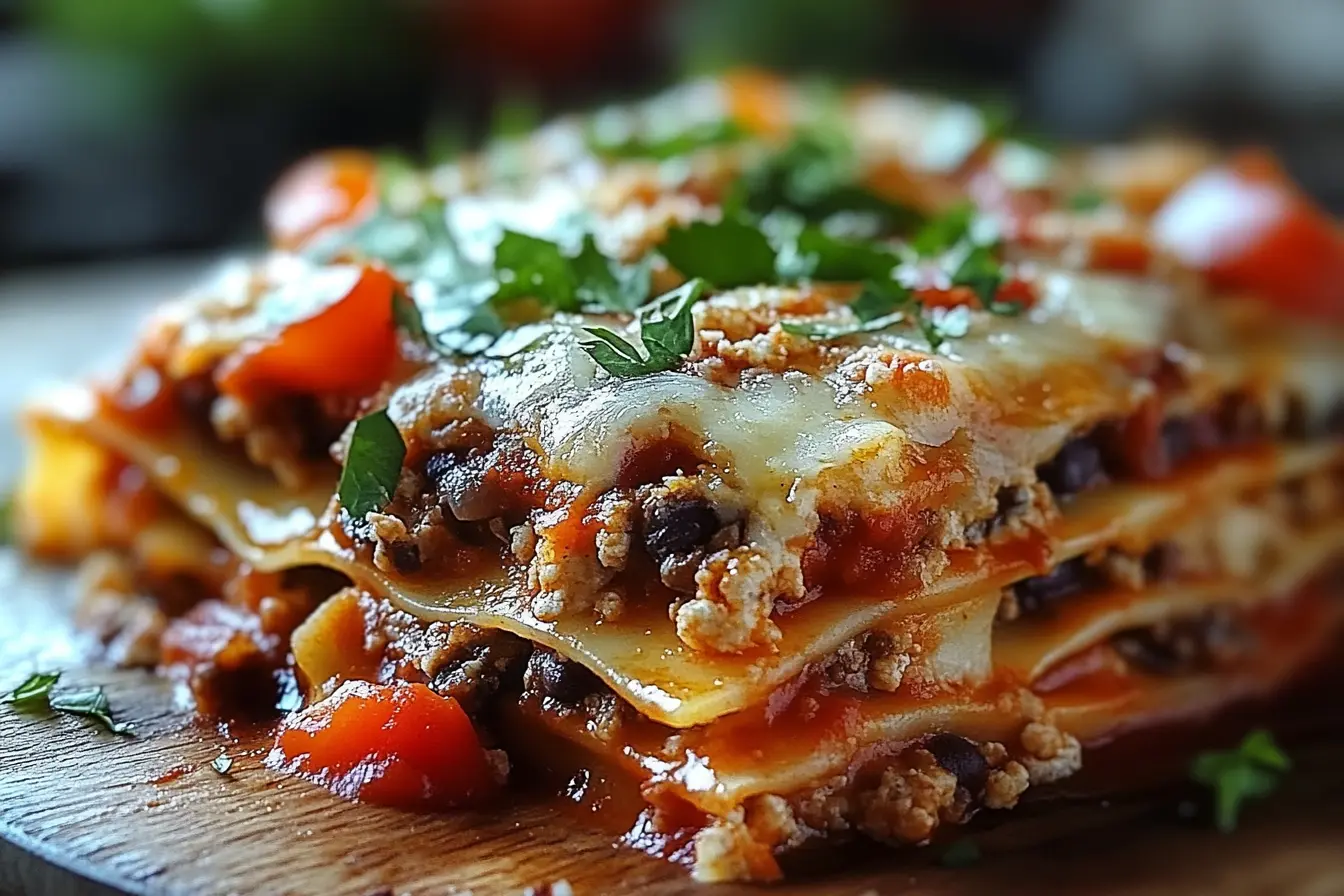
Ingredients Breakdown
Creating a delicious Lazy Lasagna doesn’t require an extensive list of hard-to-find ingredients. Instead, it focuses on a few key components that blend perfectly to create a comforting meal. Here’s what you’ll need to get started:
Key Ingredients
Pasta Choices
- Pasta – Any medium to large size pasta works well for Lazy Lasagna. While traditional lasagna sheets can be used, you can simplify the process even further with no-boil options or other shapes like penne, rigatoni, or fusilli. These hold up well in the bake and capture the sauce and cheese beautifully.
Proteins – Optional but Tasty
- Ground Beef or Sausage – Adding meat is optional, but it can enhance the flavor and heartiness of the dish. Choose lean ground beef or turkey for a healthier option, or keep it vegetarian by skipping this step altogether.
Sauce – The Flavor Foundation
- Marinara Sauce – A good quality jarred marinara sauce is perfect for Lazy Lasagna. Look for options with no added sugars and a rich, authentic tomato flavor. Brands like Rao’s or Cucina Antica offer excellent choices that compliment the dish without overwhelming it.
Cheeses – For Creaminess and Melt
- Ricotta Cheese – This adds a creamy texture to each bite. Opt for whole milk ricotta for the best flavor and texture, or choose a part-skim version for a lighter dish.
- Mozzarella Cheese – Fresh mozzarella, either shredded at home or bought pre-shredded, melts wonderfully and gives that desirable cheesy pull.
- Parmesan – A sprinkle of Parmesan cheese on top adds a salty, umami kick that finishes the dish perfectly.
Flavor Enhancers
- Herbs and Spices – Fresh basil, oregano, and garlic powder are simple ways to boost the flavor without adding extra calories. These can be adjusted according to taste.
- Vegetables – Feel free to add layers of spinach, diced bell peppers, or mushrooms for additional nutrients and flavors. These vegetables not only make the dish more substantial but also add beautiful colors and textures.
Substitutes for Traditional Ingredients
To cater to different dietary needs or preferences, you can make the following substitutions:
- Gluten-Free Pasta – Available in most supermarkets, gluten-free pasta is a great alternative that ensures everyone can enjoy this dish without concern.
- Vegan Cheeses – For those avoiding dairy, there are numerous vegan cheese alternatives that melt well and can substitute traditional cheeses.
- Low-Sodium Sauce – If you’re watching your sodium intake, opt for a low-sodium marinara sauce or make your own at home to control the salt levels.
By understanding the roles each ingredient plays in Lazy Lasagna, you can make informed choices about what to include based on your personal preferences and dietary restrictions. This flexibility is what makes Lazy Lasagna not just easy, but also a joy to customize and serve. Up next, we’ll dive into the step-by-step guide on how to assemble these ingredients into your perfect Lazy Lasagna.
Step-by-Step Cooking Guide
Crafting Lazy Lasagna is as simple as it is satisfying. Follow this straightforward guide to assemble and bake a lasagna that’s bound to become a favorite in no time.
Preparing the Ingredients
Before you begin layering your lasagna, make sure all your ingredients are prepped and ready to go. This will make the assembly process smooth and quick.
- Cook the Pasta: If you’re not using no-boil pasta, cook your chosen pasta al dente according to the package instructions. Drain well and set aside to cool slightly. Remember, the pasta will continue to cook in the oven, so it’s best to keep it slightly firmer than usual.
- Prepare the Meat: If including meat, brown your ground beef or sausage in a skillet over medium heat. Once fully cooked, drain any excess fat and mix in your marinara sauce. Let it simmer for a few minutes to combine the flavors.
- Mix the Cheeses: In a separate bowl, combine the ricotta cheese with a pinch of salt, pepper, and some chopped fresh herbs like basil or oregano for added flavor. If you like a more robust flavor, a clove of minced garlic or some garlic powder can also be mixed into the ricotta.
Layering the Lasagna
The beauty of Lazy Lasagna lies in its flexible layering. There’s no need to be perfect; just ensure each layer is evenly spread.
- First Layer: Start by spreading a thin layer of the meat sauce at the bottom of a 9×13 inch baking dish. This prevents the pasta from sticking and starts the layering with flavor.
- Pasta Layer: Add a layer of your cooked pasta over the sauce. For a more traditional feel, you can layer it like regular lasagna noodles, or simply scatter penne or fusilli evenly.
- Cheese Mixture: Dollop half of the ricotta mixture over the pasta. Spread it gently—it doesn’t have to cover every inch.
- Repeat: Add another layer of meat sauce, followed by pasta, and the rest of the ricotta mixture.
- Top Layer: Finish with a generous layer of shredded mozzarella and a sprinkle of Parmesan cheese. This will create a beautifully melted and golden top crust.
Baking Your Lasagna
- Preheat Your Oven: While you’re assembling the lasagna, preheat your oven to 375 degrees F (190 degrees C).
- Cover and Bake: Cover the baking dish with aluminum foil and bake for about 25 minutes. This helps to cook everything through without burning the cheese.
- Uncover and Brown: Remove the foil and continue to bake for another 10-15 minutes, or until the cheese on top is bubbly and golden brown. If you prefer a crispier top, you can broil it for the last few minutes—just keep a close eye on it to prevent burning.
- Rest and Serve: Let the lasagna sit for about 10 minutes after baking. This rest period helps the layers settle and makes slicing easier. Serve warm with a side of garlic bread or a fresh salad for a complete meal.
This step-by-step guide will help you create a Lazy Lasagna that’s not only easy to make but also a joy to eat. Each bite is packed with flavor, and the customizable ingredients mean it can be adapted to suit any taste or dietary preference. Enjoy the process and the delicious results!
Nutritional Information
Understanding the nutritional content of Lazy Lasagna can help you make informed decisions about incorporating it into your meal plans, especially if you’re mindful of your dietary needs. Here’s a breakdown of the typical nutritional values for a serving of Lazy Lasagna, along with some tips for making this dish healthier without compromising on taste.
Caloric Content
A standard serving of Lazy Lasagna typically contains about 600 to 700 calories. The main contributors to this are the cheeses and any meat used. While this might seem high, it’s important to note that lasagna can be quite filling, and it packs a good balance of macronutrients.
Macronutrients Breakdown
- Protein: Depending on the ingredients used, each serving can have between 25 to 35 grams of protein, mainly from the cheese and meat. This makes Lazy Lasagna a good option for a satisfying meal that supports muscle maintenance and growth.
- Carbohydrates: Pasta is the primary source of carbs in this dish, contributing to about 50 to 60 grams per serving. Opting for whole wheat or gluten-free pasta can increase the fiber content, which is beneficial for digestion and overall health.
- Fats: The fat content can vary widely, from 20 to 40 grams per serving, depending on the types of cheeses and meat used. Using part-skim cheeses and lean meats can help reduce the fat content significantly.
Micronutrients
Lazy Lasagna is also a good source of various vitamins and minerals, including calcium from the cheese, iron from the meat, and several B vitamins from the pasta. Including vegetables like spinach or bell peppers can boost the vitamin C, A, and additional fiber content, making the dish more balanced in terms of micronutrients.
Tips for a Healthier Lazy Lasagna
- Reduce Sodium: Choose low-sodium cheeses and make your own marinara sauce to control the amount of salt, which is often high in processed ingredients.
- Increase Fiber: Swap out regular pasta for whole grain or add a layer of mixed vegetables such as zucchini, eggplant, or mushrooms to increase the fiber and nutrient content.
- Lower Fat Options: Opt for low-fat ricotta and mozzarella to cut down on saturated fats. You can also use ground turkey or chicken instead of beef for a leaner protein option.
By adjusting the ingredients according to these tips, you can create a version of Lazy Lasagna that’s not only delicious but also aligns better with a health-conscious diet. This way, you can enjoy this comforting dish more frequently with fewer dietary concerns.
Check out our full guide on Lazy Lasagna for more insights
Freezing and Storage Tips
Lazy Lasagna is not only a convenient and tasty meal option but also excellent for making ahead and storing for later use. Here are some effective tips on how to freeze and store your lasagna to ensure it remains delicious and fresh when you’re ready to enjoy it again.
Preparing for Freezing
- Cool Completely: Before freezing your lasagna, allow it to cool completely at room temperature. This prevents condensation from forming inside the packaging, which can lead to sogginess when reheated.
- Portioning: If you anticipate needing only certain amounts at a time, consider slicing the lasagna into individual portions. This way, you can thaw and reheat only what you need, reducing waste and ensuring the lasagna remains fresh.
- Wrap Tightly: Wrap each piece or the entire pan tightly with plastic wrap, ensuring that it is sealed well to prevent freezer burn. For extra protection, you can then wrap it again with aluminum foil. Label each package with the date so you can keep track of how long it’s been stored.
Storing in the Freezer
- Optimal Freezer Conditions: Place your wrapped lasagna in the coldest part of the freezer. Ensure your freezer is set to 0°F (-18°C) to maintain the best quality. Properly stored, lazy lasagna can last in the freezer for up to three months without significant loss of flavor or texture.
Thawing and Reheating
- Thawing: The best way to thaw frozen lasagna is to transfer it from the freezer to the refrigerator and let it thaw overnight. Thawing it slowly and gently in the fridge ensures that it reheats evenly and maintains its texture.
- Reheating: To reheat, remove the plastic wrap and cover the lasagna with foil. Place it in an oven preheated to 375°F (190°C) and bake until it’s heated through, which usually takes about 25 to 30 minutes for individual portions or up to 45 minutes for larger portions. If you want the top to be crispy, remove the foil for the last 10 minutes of baking.
- Microwave Instructions: For a quicker option, lasagna can be microwaved. Place the portion in a microwave-safe dish, cover with a microwave-safe lid or plastic wrap, and heat on high for 2 to 3 minutes. Stir if possible and heat for another 1 to 2 minutes until thoroughly warm.
General Tips
- Avoid Frequent Temperature Changes: Frequent thawing and refreezing can affect the texture and taste of lasagna. Try to avoid this by planning ahead and thawing only as much as you will use.
- Check for Signs of Freezer Burn: While freezer burn doesn’t make food unsafe, it can dry it out and impair the flavor. If parts of the lasagna look dehydrated or covered in ice crystals, cut those parts away before reheating.
By following these freezing and storage tips, your Lazy Lasagna will remain a quick, delicious option for busy days, providing home-cooked comfort with minimal effort every time you serve it.
Variations of Lazy Lasagna
Lazy Lasagna is a wonderfully flexible dish, making it easy to adapt to different tastes, dietary restrictions, or whatever ingredients you have on hand. Here are some creative variations to inspire your next lasagna night:
Vegetarian Lazy Lasagna
Swap out the meat for a rich variety of vegetables to cater to vegetarian preferences or simply to add more nutrients to your meal. Layer in sautéed mushrooms, spinach, zucchini, and bell peppers. For an extra boost of flavor, consider adding caramelized onions or sun-dried tomatoes to the ricotta mixture.
Gluten-Free Lazy Lasagna
For those avoiding gluten, replace the traditional pasta with gluten-free alternatives available in most supermarkets. Many brands offer versions that taste just as good as the real thing without the gluten. Be sure to check that all other ingredients, like sauces and seasonings, are gluten-free as well.
Low-Carb Lazy Lasagna
To create a low-carb version of Lazy Lasagna, you can use thinly sliced zucchini or eggplant as pasta layers. These vegetables not only reduce the carbohydrate content but also enhance the dish with their subtle flavors and extra fiber.
Dairy-Free Lazy Lasagna
Dairy-free doesn’t mean devoid of creaminess. Use plant-based ricotta and mozzarella alternatives to recreate the classic lasagna texture and taste. Nutritional yeast can be added to the vegan cheese mixture to give it a cheesy flavor boost.
Meat Lovers’ Lazy Lasagna
For those who prefer a meatier dish, layer in multiple types of meat such as ground beef, Italian sausage, and even small chunks of pepperoni. This version is especially popular for its robust flavors and satisfying texture.
Seafood Lazy Lasagna
Introduce a lighter, but equally indulgent variation by adding seafood to your lasagna. Layer cooked shrimp, scallops, or crabmeat along with a creamy Alfredo sauce instead of marinara, and blend some chives and lemon zest into your ricotta for a fresh twist.
Pesto Lazy Lasagna
Swap the marinara sauce for pesto for a vibrant change of pace. Pesto pairs wonderfully with a mix of mozzarella and ricotta cheeses, creating a rich and herbaceous flavor profile. This version is particularly delightful in the spring and summer months when fresh basil is abundant.
Spicy Lazy Lasagna
Add some heat to your lasagna by incorporating spicy Italian sausage, jalapeños, or a spicy marinara sauce. A dash of red pepper flakes in the ricotta mixture can also elevate the warmth and make this dish a hit among those who enjoy a bit of spice in their meals.
These variations of Lazy Lasagna allow you to keep meals interesting and tailored to your family’s tastes or dietary needs. Experimenting with different ingredients not only brings variety to your dining table but also lets you explore new flavor combinations and textures, all while enjoying the ease and comfort of a classic lasagna.
FAQs
When crafting Lazy Lasagna, having the right tips and tricks can make all the difference. Here are some insightful answers to common questions that will help you perfect your lasagna, ensuring a delicious and cohesive dish every time.
What is a good substitute for lasagna pasta?
If you’re looking to replace traditional lasagna noodles, several alternatives can provide a similar structure and mouthfeel. Sliced zucchini or eggplant make excellent low-carb and gluten-free options, as they hold up well during baking. For those avoiding gluten, look for gluten-free lasagna sheets at your local grocery store. Alternatively, for a different texture, try using pre-cooked penne or fusilli pasta, which are easy to layer and eat.
What not to do when making lasagna?
Avoid common pitfalls to ensure your lasagna turns out perfectly:
- Don’t overcook the pasta: If you’re boiling pasta before layering, cook it until it’s just al dente. Overcooked pasta will become mushy during baking.
- Don’t skimp on sauce: A sufficient amount of sauce not only adds flavor but also moisture needed for the pasta to cook properly without drying out.
- Avoid excessive layering of wet ingredients: Ingredients like ricotta or cottage cheese can make your lasagna too watery. Be sure to strain or thicken these ingredients if they seem too runny.
- Don’t rush the baking process: Give lasagna time to cook thoroughly and set properly by baking it uncovered for the last few minutes for a crispy top layer.
What keeps lasagna from falling apart?
To ensure your lasagna holds together when serving, follow these tips:
- Let it rest: After baking, allow your lasagna to rest for at least 10 to 15 minutes. This resting period lets the layers settle and the cheese solidify, helping it stay intact when cut.
- Layer properly: Be sure to begin with a layer of sauce at the bottom of your dish to prevent sticking, followed by pasta, more sauce, and your cheeses. A consistent layering order helps stabilize the structure.
- Use enough sauce and cheese: These not only add flavor but also act as a ‘glue’ that holds the layers together. Ensure each layer is adequately covered with sauce, and finish with a generous amount of cheese on top.
How many layers should a lasagna have?
The ideal number of layers in a lasagna varies depending on your dish size, but a standard lasagna typically has three to four layers of pasta. Each layer should be evenly covered with sauce, cheese, and any other fillings to maintain balance in flavor and texture. Too few layers might result in a flatter, less satisfying dish, while too many layers can cause the lasagna to cook unevenly or become too bulky to serve neatly.
These FAQs are designed to help you navigate the nuances of making Lazy Lasagna, ensuring every batch you bake is as successful as it is delicious.