
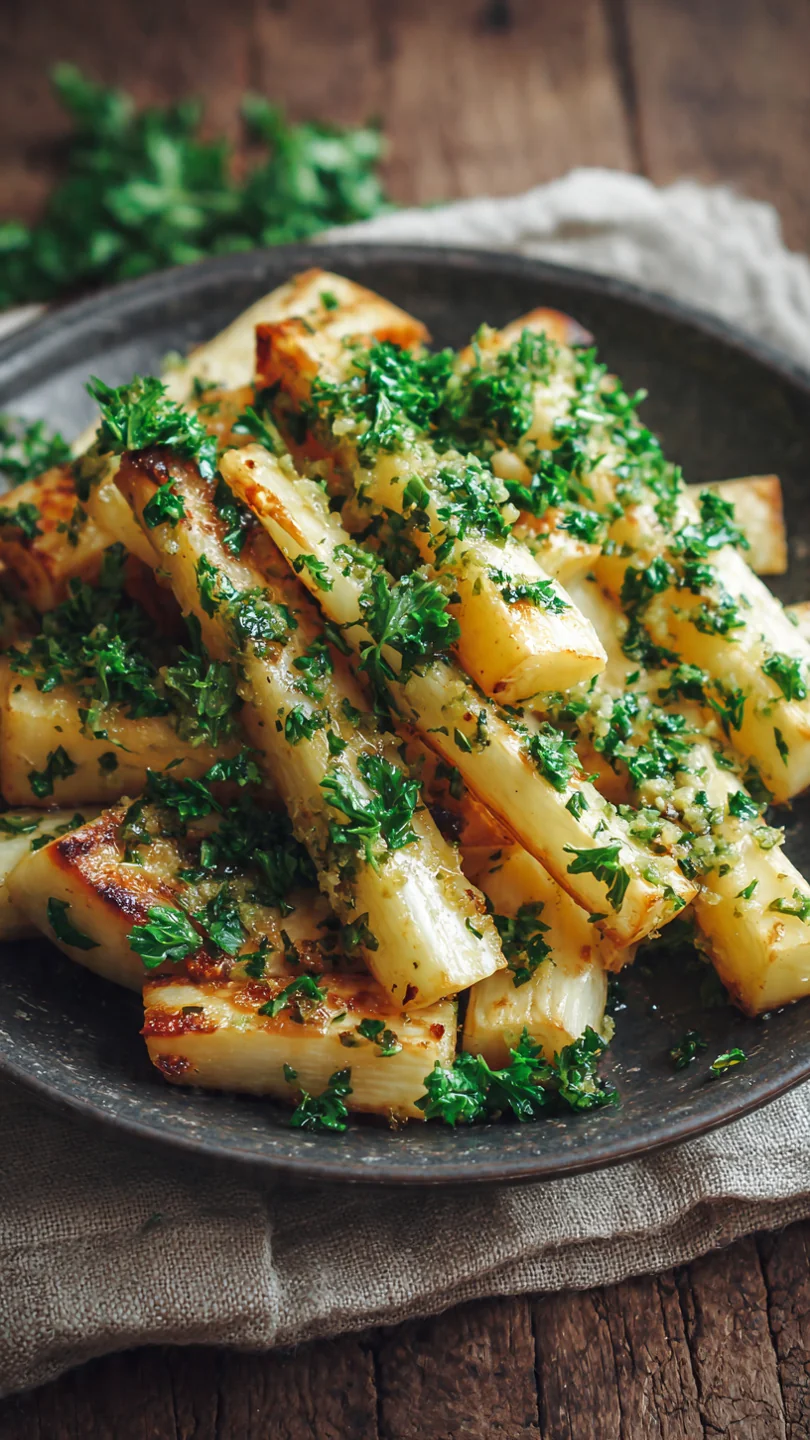
There’s a quiet magic that happens in a hot oven when humble root vegetables meet the right glaze. Parsnips, with their inherent sweetness, are the perfect canvas. When tossed in a simple mixture of honey’s golden sweetness and mustard’s tangy punch, then roasted until the edges caramelize and crisp, they transform into something truly special.
This isn’t just a side dish; it’s a lesson in balancing flavors and textures. The final flourish of bright, grassy parsley cuts through the richness, creating a side that’s elegant enough for a holiday table yet simple enough for a Tuesday night. Let’s make vegetables the star of the plate.
- Effortless Elegance: With just 10 minutes of hands-on prep, you can create a side dish that looks and tastes far more sophisticated than the effort required.
- Perfect Flavor Balance: The recipe expertly walks the line between the natural sweetness of the parsnips and honey and the savory, tangy depth of the mustard.
- Meal-Prep Friendly: These parsnips reheat beautifully, making them a fantastic make-ahead option for busy weeks or planned gatherings.
- Dietary Flexibility: Naturally gluten-free, vegetarian, and dairy-free, this dish fits seamlessly into various eating plans without any special modifications.
- Versatile Pairing: Its robust flavor profile complements everything from a simple roast chicken to a festive holiday ham, making it your new go-to side.
- Kid-Approved Veggie: The sweet glaze and caramelized edges are a proven strategy for winning over even the most hesitant vegetable eaters.
Ingredients You’ll Need
Let’s gather our simple ingredients—this is where pantry staples become something magical. The key here is quality. Parsnips: Look for firm, medium-sized roots without soft spots or excessive branching; larger ones can have a woody core.
Honey: A good, flavorful honey makes a difference, but any variety will work. Whole Grain Mustard: I prefer its texture and milder tang, but a robust Dijon is a fine substitute if that’s what you have. Fresh Parsley: Don’t skip it or substitute dried; the fresh herbal pop is the final, critical layer of flavor that lifts the whole dish.
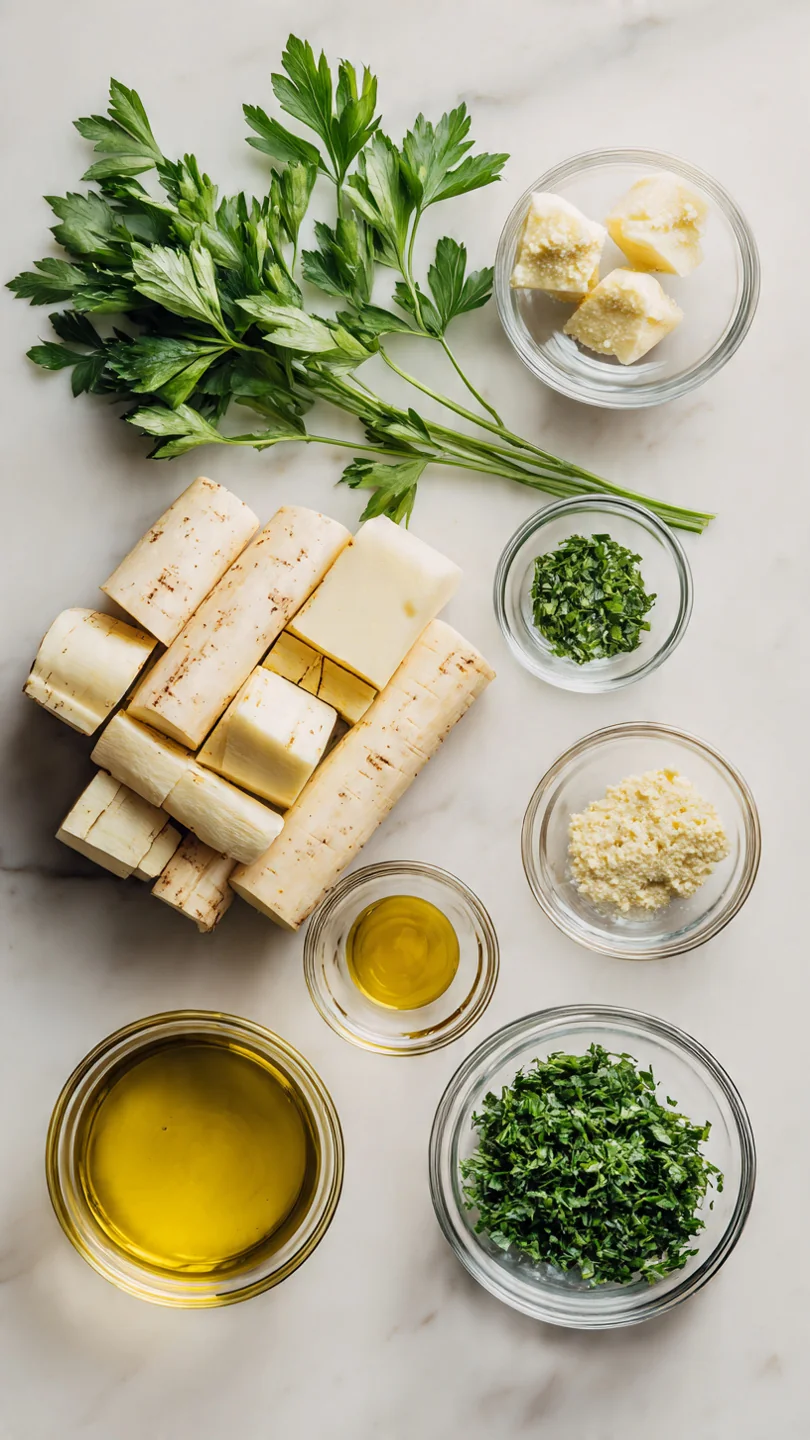
Note: You’ll find the complete list of ingredients, along with their exact measurements, in the printable recipe card at the bottom of this post.
Kitchen Equipment Needed
You likely have everything you need already. A large, rimmed baking sheet is essential—the rim contains any bubbling glaze. Parchment paper isn’t strictly mandatory, but it guarantees no sticking and makes cleanup a breeze.
You’ll need a large mixing bowl for tossing and a whisk to emulsify the glaze. A sharp chef’s knife and cutting board for prepping the parsnips round out the list. No specialty gadgets required.
How to Make Mustard and Honey Roasted Parsnips Recipe
Step 1: Make the Flavor-Packed Glaze
Preheat your oven to 425°F (220°C)—this high heat is non-negotiable for proper caramelization. While it heats, line your baking sheet. In your large bowl, whisk the olive oil, honey, mustard, minced garlic, salt, and pepper vigorously for about 30 seconds.
Believe me, you want to see a smooth, slightly thickened emulsion. This ensures every nook and cranny of the parsnips gets coated evenly, leading to consistent flavor and browning in every bite.
Step 2: Coat the Parsnips Evenly
Add your parsnip batons to the bowl with the glaze. Now, get your hands in there! Using your hands is the most effective tool to massage the glaze onto every surface.
If you prefer a spoon, be diligent and toss for a full minute. Tip from me: lift and fold the pieces from the bottom of the bowl to the top. The goal is zero dry spots and a glossy sheen on each piece.
Step 3: Arrange for Perfect Roasting
Pour the coated parsnips onto your prepared baking sheet. This next part is crucial: arrange them in a single, uncrowded layer with a little space between each piece. If they’re piled on top of each other, they’ll steam and become soggy.
If your sheet seems too crowded, use a second one. Proper spacing allows the hot, dry oven air to circulate, creating those beautifully caramelized, slightly crisp edges we’re after.
Step 4: Roast to Golden-Brown Perfection
Slide the sheet into the center of your preheated oven. Set a timer for 20 minutes. When it goes off, carefully remove the pan and use a spatula to flip and stir the parsnips.
This promotes even browning. Return them to the oven for the final 5-10 minutes. They’re done when they are fork-tender, deeply golden, and the glaze has formed sticky, caramelized bits on the pan.
Step 5: Garnish and Serve Immediately
The moment the parsnips come out of the oven is the perfect time to add the chopped parsley. The residual heat will gently wilt the herbs, releasing their essential oils and aroma without cooking them away. Transfer to a warm serving platter.
Step back and admire the gorgeous contrast of the golden vegetables and vibrant green parsley. Serve them warm for the best texture and flavor experience.
- Cut for Consistency: Try to cut your parsnip batons to a similar thickness (about 1/2 to 3/4-inch thick). This ensures they all finish roasting at the same time, so you don’t end up with some pieces mushy and others undercooked.
- Glaze Temperature: Using room temperature honey makes whisking the glaze much easier. If your honey is crystallized or very cold, warm the jar in a bowl of hot water for a few minutes first.
- The Single Layer Rule: I cannot overstate this. Crowding is the number one reason roasted vegetables turn out limp. If necessary, use two baking sheets and rotate them halfway through cooking.
- Don’t Skip the Flip: Taking the time to flip the parsnips at the 20-minute mark is what gives you all-around caramelization. It’s the difference between one-sided browning and perfect, even color.
- Fresh Herb Timing: Always add delicate fresh herbs like parsley after cooking. Adding them before would cause them to burn and turn bitter in the high heat of the oven.
Recipe Variations
- Maple & Dijon Twist: Swap the honey for pure maple syrup and use smooth Dijon mustard instead of whole grain for a deeper, smoother flavor profile that’s perfect for autumn.
- Spicy Kick: Add 1/4 to 1/2 teaspoon of crushed red pepper flakes or a pinch of cayenne pepper to the glaze for a gentle warmth that plays beautifully against the sweetness.
- Herb-Infused: Along with the parsley, toss the finished parsnips with other fresh herbs like chopped thyme, rosemary, or chives. For a stronger infusion, add a sprig of rosemary to the pan while roasting.
- Citrus Brightness: Add the zest of one orange or lemon to the glaze before tossing. The citrus oils will perfume the entire dish with a wonderful, bright aroma.
- Balsamic Depth: Whisk 1 tablespoon of good balsamic vinegar into the glaze. It adds a wonderful complexity and helps promote even deeper caramelization in the oven.
- Nutty Crunch: After roasting, sprinkle the parsnips with 2-3 tablespoons of toasted chopped walnuts, pecans, or hazelnuts for added texture and richness.
What to Serve With This Recipe
These parsnips are the ultimate versatile side. For a classic Sunday dinner, pair them with a juicy Herb-Roasted Chicken or a Pork Tenderloin with a Pan Sauce. They are a stellar addition to a holiday spread alongside roast turkey, glazed ham, or beef tenderloin.
For a vegetarian feast, serve them with a creamy mushroom risotto or a lentil shepherd’s pie. They also make a fantastic, hearty component in a grain bowl with quinoa, kale, and a soft-boiled egg. Beverage-wise, a crisp, unoaked Chardonnay, a dry cider, or even a malty brown ale would complement the sweet and savory notes beautifully.
Storage & Make-Ahead Instructions
- Refrigeration: Allow the roasted parsnips to cool completely, then transfer them to an airtight container. They will keep well in the refrigerator for 3-4 days.
- Reheating Best Practices: To restore their texture, reheat them in a 375°F (190°C) oven for 10-15 minutes or in an air fryer for 5-7 minutes until hot and re-crisped. The microwave will make them soft but is fine for a quick reheat.
- Make-Ahead Strategy: You can peel and cut the parsnips 1 day in advance. Store them submerged in cold water in the refrigerator to prevent browning. Drain and pat them very dry before using. The glaze can also be whisked together and stored in the fridge a day ahead.
- Freezing Not Recommended: Due to the high water content and glaze, frozen and thawed parsnips will become mushy and the texture will suffer significantly.
Frequently Asked Questions
Q: Can I use baby parsnips or leave the skin on?
A: Baby parsnips are wonderful—just roast them whole or halved lengthwise. As for the skin, it’s edible if scrubbed very well, but I always recommend peeling. Parsnip skin can be slightly tough and bitter, and peeling ensures the sweet, tender flesh is the star.
Q: My glaze is sticking to the bowl and not coating the parsnips well. What did I do wrong?
A: This usually means the glaze wasn’t fully emulsified. Make sure to whisk the oil, honey, and mustard vigorously until they become one cohesive sauce. If it’s still separating, try adding the oil in a slow stream while whisking.
Q: How do I know when the parsnips are done roasting?
A: The best test is the “fork-tender” test. Pierce the thickest piece with a fork; it should slide in with just a little resistance. Visually, they should have significant golden-brown spots and the edges may be slightly crispy.
Q: Can I make this recipe with other vegetables?
A: Absolutely! This glaze is fantastic on carrots, sweet potatoes, Brussels sprouts (halved), or a mix of root vegetables. Just be mindful that different vegetables may have different cooking times, so cut them to appropriate sizes or add quicker-cooking veggies to the pan later.
Q: Is there a substitute for honey to make this vegan?
A: Yes, you can use an equal amount of pure maple syrup or agave nectar. The flavor will be slightly different but still deliciously sweet and caramelized.
Q: Why are my roasted parsnips not caramelizing?
A: The most common culprits are an oven temperature that’s too low or an overcrowded pan. Ensure your oven is fully preheated and use a thermometer to check if needed. Also, verify your parsnips are in a single layer with space between them.
Final Thoughts
This recipe for Mustard and Honey Roasted Parsnips embodies what I love most about cooking: transforming a few simple, wholesome ingredients into a dish that feels both comforting and special. It’s a testament to the power of a good glaze and a hot oven. The technique of creating an even coating and allowing space for proper roasting will serve you well with countless other vegetables, too.
I hope this recipe earns a permanent spot in your side dish rotation, bringing its perfect sweet-savory balance and beautiful presentation to your table for years to come. If you give it a try, I’d love to hear how it turned out for you—tag me on social media or leave a comment below. Happy roasting
Mustard and Honey Roasted Parsnips with Chopped Parsley
Equipment
- Large rimmed baking sheet
- Parchment paper
- Large mixing bowl
- Whisk
Ingredients
- 1.5 lbs parsnips peeled and cut into 3-inch batons
- 2 tbsp extra virgin olive oil
- 2 tbsp honey
- 1.5 tbsp whole grain mustard Dijon mustard works as a substitute
- 2 cloves garlic minced
- 0.5 tsp kosher salt plus more to taste
- 0.25 tsp freshly ground black pepper
- 2 tbsp fresh parsley finely chopped
Instructions
- Preheat your oven to 425°F (220°C). Line a large, rimmed baking sheet with parchment paper for easy cleanup. In a large bowl, whisk together the olive oil, honey, whole grain mustard, minced garlic, salt, and pepper until a cohesive glaze forms.
- Add the peeled and cut parsnips to the bowl with the glaze. Using your hands or a large spoon, toss everything together until every piece is thoroughly and evenly coated. Trust me, taking a minute here to ensure full coverage is the secret to perfect caramelization.
- Spread the coated parsnips out in a single layer on your prepared baking sheet. Make sure they aren’t crowded or overlapping. This allows hot air to circulate, ensuring they roast instead of steam, which is crucial for that golden-brown exterior.
- Roast in the preheated oven for 25-30 minutes. At the 20-minute mark, give the pan a good shake or use a spatula to flip the parsnips. You’re looking for them to be deeply golden brown, tender when pierced with a fork, and for the glaze to have bubbled and caramelized in spots.
- Remove the baking sheet from the oven. Transfer the hot parsnips to a serving platter and immediately sprinkle with the freshly chopped parsley. The residual heat will wilt the parsley just slightly, releasing its aroma. Serve warm and enjoy the perfect balance of sweet, savory, and herbal freshness.