
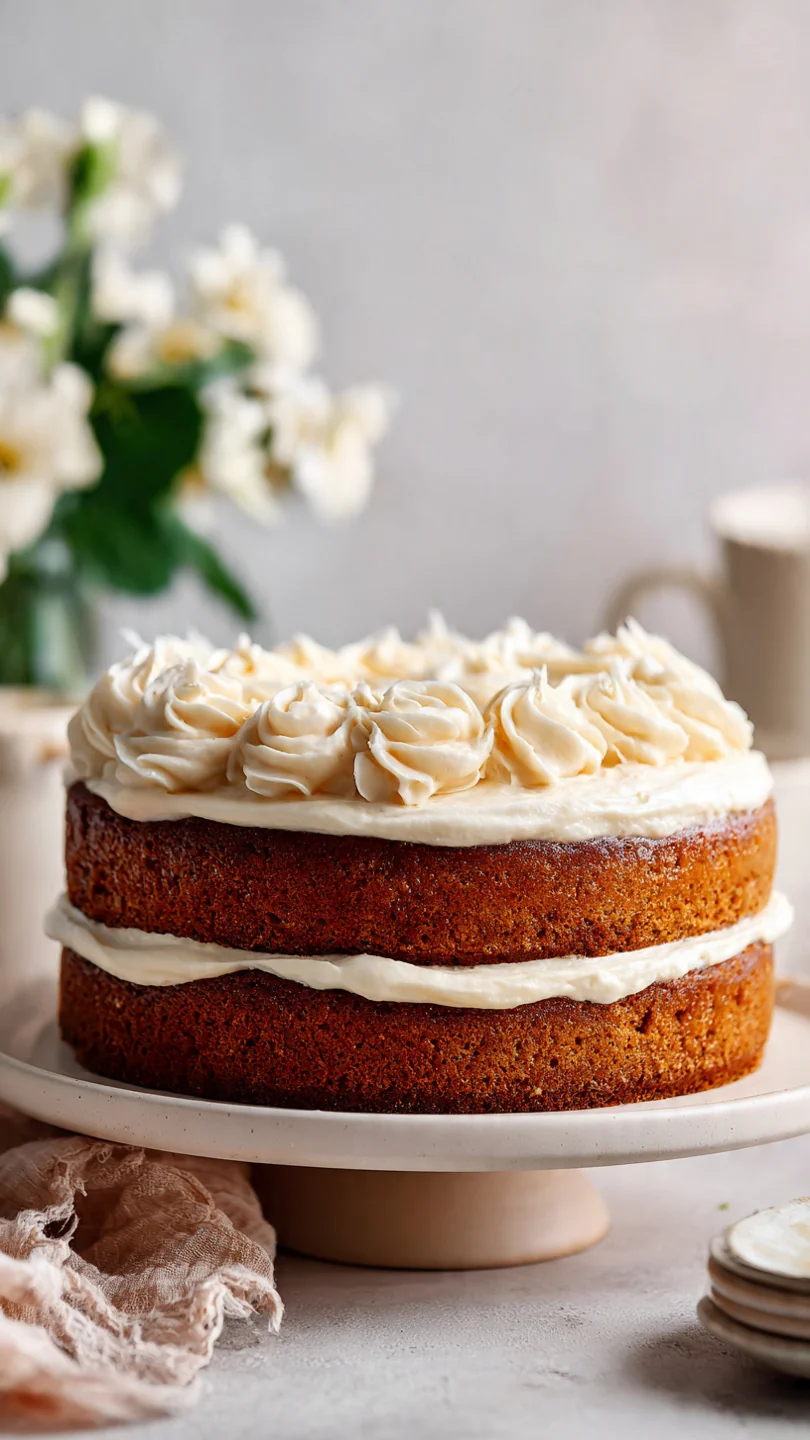
Have you ever taken a bite of something so perfectly balanced—sweet, spiced, moist, and bright—that it made you pause? That’s the experience I aim for with this Parsnip Honey Cake. It’s a dessert born from a professional curiosity about vegetables in sweets, tested relentlessly in my kitchen until every element sang in harmony.
Forget any notion of a dense, earthy “health” cake. This is a celebration cake, where the humble parsnip melts into a tender crumb, the honey provides a warm depth, and the lemon ricotta frosting cuts through with a cloud-like freshness. It’s the kind of recipe that makes people ask for a second slice while wondering, “What’s in this?” Let’s bake that moment.
This cake is a delightful departure from the ordinary, and here’s exactly why it deserves a spot in your recipe rotation.
- Unexpectedly Elegant: The combination of sweet root vegetable and sophisticated frosting turns a simple sheet cake into a conversation-starting dessert perfect for dinner parties.
- Perfect Texture: The finely grated parsnips create an incredibly moist and tender crumb that stays soft for days, unlike many cakes that dry out.
- Balanced Flavors: Warm baking spices and floral honey are beautifully offset by the tangy, creamy lemon frosting, preventing the cake from ever feeling too sweet or one-note.
- Make-Ahead Friendly: Both the cake and the frosting can be made a day in advance, making it a stress-free option for entertaining.
- Versatile Serving: It’s equally at home as a casual afternoon treat with coffee or as the grand finale to a formal holiday meal.
Ingredients You’ll Need
- Let’s gather our ingredients. This recipe is a fantastic example of how simple, whole ingredients can be transformed into something extraordinary. The parsnips are the star, but they play beautifully with pantry staples.
For the cake, you’ll need all-purpose flour, baking powder, and a warm spice trio of cinnamon, ginger, and nutmeg. Fine sea salt is my preference for its even distribution. The wet ingredients build richness and structure: large eggs at room temperature whip up best, granulated sugar, a neutral oil like avocado for moisture without flavor, a mild honey (avoid strong buckwheat), and pure vanilla extract.
The key is parsnips—look for firm, medium-sized ones without soft spots. You’ll peel and finely grate them.
For the Lemon Ricotta Frosting, the magic is in the cheese. Use whole-milk ricotta for the best flavor and texture; if it’s sitting in a lot of liquid, drain it briefly in a fine-mesh sieve. Full-fat cream cheese provides stability.
You’ll also need powdered sugar, fresh lemon juice, and lemon zest for that essential bright pop.
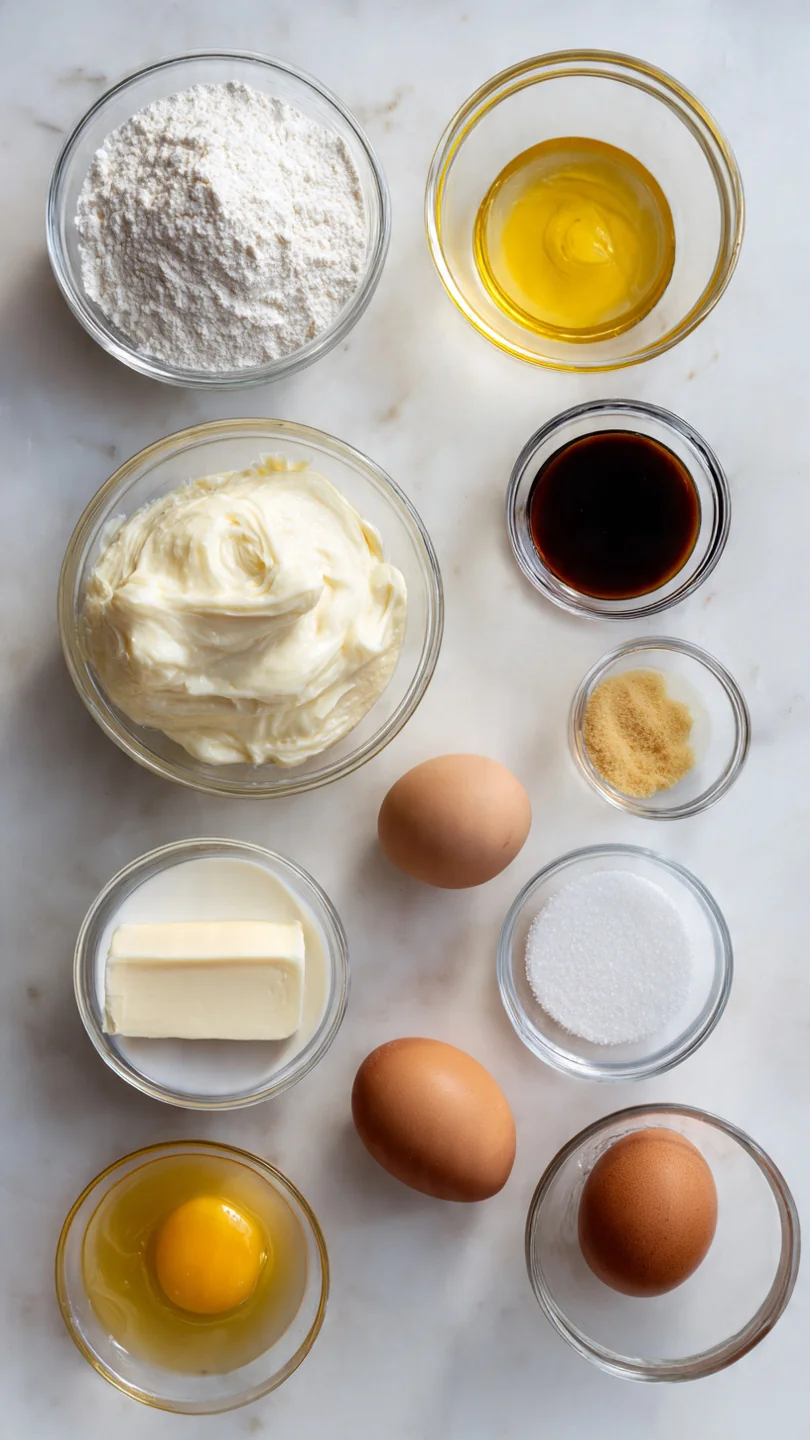
Note: You’ll find the complete list of ingredients, along with their exact measurements, in the printable recipe card at the bottom of this post.
Kitchen Equipment Needed
You don’t need any specialty gear for this recipe. A 9×13-inch baking pan is ideal. Lining it with parchment paper is non-negotiable for clean removal.
A hand mixer or stand mixer will make quick work of creaming the eggs and sugar and whipping the frosting. You’ll need a box grater or food processor with a grating disc to tackle the parsnips—trust me, the fine grating is worth the effort for the perfect texture. Round it out with mixing bowls, a flexible spatula for folding, and a wire rack for cooling.
How to Make Parsnip Honey Cake Recipe
Step 1: Prep and Mix the Dry Ingredients
Preheat your oven to 350°F (175°C). Take a moment to properly prepare your pan: grease it well, then line it with parchment paper, leaving an overhang on the long sides. This is your insurance policy for a perfect, unmangled cake.
In a medium bowl, whisk together the flour, baking powder, cinnamon, ginger, nutmeg, and salt. Whisking aerates the flour and ensures the spices are perfectly dispersed, so you won’t get a bitter pocket of ginger in one bite. Set this aside.
Step 2: Build the Cake Base with the Ribbon Method
In a large bowl, combine the room-temperature eggs and granulated sugar. Now, here’s a pro tip: beat them on medium-high speed for a full 3-4 minutes. You’re looking for the mixture to turn a very pale yellow, become thick, and fall from the beaters in a slow ribbon that holds its shape for a moment on the surface.
This “ribbon stage” incorporates air, which gives the cake its lift and light texture since we’re not using excessive chemical leavener. Believe me, this step is the secret to the cake’s structure.
Step 3: Incorporate Wet Ingredients and Dry Ingredients
With the mixer on low, slowly stream in the oil, followed by the honey and vanilla. The mixture may look a bit curdled or separated—that’s completely normal and will come together. Now, using a flexible spatula, gently fold in the dry ingredients.
I do this in two additions to prevent overmixing, which develops gluten and leads to a tough cake. Mix just until the last streaks of flour disappear. The batter will be quite thick.
Step 4: Fold in the Parsnips and Bake
Add all of the finely grated parsnips to the batter. Fold gently until they’re evenly distributed. The parsnips will release moisture as they bake, steaming from within to create that legendary moistness.
Scrape the batter into your prepared pan and smooth the top. Bake for 40-45 minutes. The cake is done when it’s golden, the top springs back when lightly touched, and a toothpick inserted in the center comes out clean.
Step 5: Cool the Cake and Make the Frosting
This is a patience-testing but critical step. Let the cake cool in the pan on a wire rack for just 15 minutes. Then, use the parchment paper “handles” to lift the entire cake out onto the rack to cool completely.
This stops the cooking process and prevents a soggy bottom. While it cools, make the frosting. Beat the softened cream cheese and ricotta together until perfectly smooth—no lumps.
Add the sifted powdered sugar, lemon juice, zest, and salt. Whip it on medium-high for 2-3 minutes until it’s light, fluffy, and holds its shape.
Step 6: Frost, Slice, and Serve
Once the cake is completely cool to the touch, spread the frosting evenly over the top. I like a rustic, swoopy finish. For clean slices, dip your knife in hot water and wipe it dry between cuts.
Step back and admire your work. Each slice reveals a speckled, moist interior topped with a cloud of citrus cream.
Drawing from years in pastry kitchens, here are the insights that will guarantee your success.
- Grating is Key: Use the small holes on your box grater. Large shreds of parsnip won’t soften enough during baking and will create a stringy, unpleasant texture. The fine grate allows them to virtually disappear into the crumb while providing moisture.
- Temperature Matters: Room temperature eggs whip to a greater volume, creating a stable base for the batter. If you forgot to take them out, place them in a bowl of warm (not hot) water for 5-10 minutes.
- Don’t Overmix: Once you add the flour, switch to a spatula and use a gentle folding motion. Overmixing after the flour is added is the most common cause of a dense, rubbery cake.
- Cool Completely: I can’t stress this enough. If the cake is even slightly warm, the frosting will melt, weep, and become a slippery mess. Wait for it.
- Frosting Consistency: If your ricotta seems very wet, drain it in a fine-mesh sieve for 15-20 minutes. A too-wet ricotta can make the frosting runny. If this happens, you can rescue it by chilling the mixture for 20 minutes and re-whipping, or carefully adding a bit more sifted powdered sugar.
Recipe Variations
- This recipe is wonderfully adaptable. Here are some tested variations to make it your own.
- Nutty Crunch: Fold 3/4 cup of finely chopped toasted walnuts or pecans into the cake batter along with the parsnips for added texture and flavor.
- Ginger Spark: Add 1/4 cup of finely chopped crystallized ginger to the batter, or add 1 teaspoon of grated fresh ginger to the wet ingredients for a more pronounced kick.
- Orange Twist: Substitute the lemon juice and zest in the frosting with fresh orange. The orange pairs beautifully with the honey and spices for a warmer citrus note.
- Dairy-Free Adaptation: For the cake, use a neutral-flavored oil. For the frosting, use a thick, plain dairy-free yogurt (like coconut or soy) mixed with powdered sugar and lemon zest for a tangy glaze instead of a thick frosting.
- Gluten-Free Option: Substitute the all-purpose flour with a 1:1 gluten-free baking blend. The parsnips provide so much moisture that the cake remains tender.
- Maply Sweetness: Replace the honey in the cake with pure maple syrup for a different, deeper autumnal flavor profile.
- Cream Cheese Frosting: If you prefer a more traditional frosting, omit the ricotta and use 8 oz of full-fat cream cheese with the powdered sugar and lemon.
What to Serve With This Recipe
This cake is a versatile dessert that suits many occasions. For an afternoon coffee or tea, it’s perfect on its own. As a dinner party dessert, consider serving it with a small dollop of lightly sweetened whipped cream or a scoop of vanilla bean ice cream on the side.
A hot cup of chai tea, strong espresso, or a glass of late-harvest Riesling or Moscato d’Asti makes for a lovely pairing. For a festive brunch spread, it stands up beautifully among other pastries and fruit salads. It’s an excellent alternative to carrot cake for Easter or a spiced pumpkin dessert for Thanksgiving.
Storage & Make-Ahead Instructions
- Storage: Because of the dairy-based frosting, the cake must be stored covered in the refrigerator. It will keep beautifully for up to 4 days. The flavors actually meld and improve after a day.
- Make-Ahead: You can bake the cake up to 2 days in advance. Let it cool completely, then wrap it tightly in plastic wrap and store at room temperature. Make the frosting up to a day ahead and store it in an airtight container in the fridge. Let it sit at room temperature for 20 minutes and re-whip briefly before frosting the cake.
- Freezing: The unfrosted cake freezes exceptionally well. Wrap the completely cooled cake tightly in plastic wrap, then in foil. Freeze for up to 3 months. Thaw overnight in the refrigerator, then bring to room temperature before frosting.
- Serving from Fridge: For the best texture and flavor, let slices sit at room temperature for 15-20 minutes before serving after refrigeration.
Frequently Asked Questions
Q: Can I taste the parsnips in the cake?
A: Not in a vegetal way. The parsnips sweeten as they bake and their flavor melds with the honey and spices. You get a complex, sweet, earthy depth rather than a distinct “parsnip” taste.
Most people assume it’s carrot or apple cake.
Q: My frosting turned out runny. What happened?
A: This is usually due to ricotta with too much whey (liquid) or the cake being too warm. Next time, drain wet ricotta first. To fix it now, chill the frosting for 20-30 minutes, then re-whip.
You can also add a bit more sifted powdered sugar, a tablespoon at a time, until it thickens.
Q: Can I use pre-shredded or bagged parsnips?
A: I don’t recommend it. Pre-shredded vegetables are often too coarse and dry. The fine, fresh grating is essential for the right moisture release and texture in the final cake.
Q: How do I know when the cake is truly done?
A: Use the toothpick test, but also press the center lightly with your finger. It should spring back immediately. The edges will also just begin to pull away from the sides of the pan.
Q: Can I make this as a layer cake?
A: Absolutely. Double the frosting recipe. Divide the batter between two greased and parchment-lined 9-inch round pans.
Bake for 30-35 minutes, testing for doneness. Cool completely, then frost between layers and over the top.
Q: What’s the best way to grate the parsnips without a food processor?
A: A standard box grater works perfectly. Use the side with the smallest holes. Peel the parsnips first, and watch your fingers!
Q: Is there a substitute for the oil?
A: You can use melted and cooled unsalted butter for a richer flavor. The texture will be slightly denser but still delicious.
Final Thoughts
This Parsnip Honey Cake with Lemon Ricotta Frosting is more than just a recipe; it’s a lesson in trusting ingredients. It showcases how a simple vegetable can elevate a dessert to something memorable and sophisticated. The process is straightforward, but the techniques—the ribbon stage, the fine grating, the patient cooling—are what separate a good cake from a great one.
I’ve served this to skeptical friends and seen their expressions turn to delight with the first bite. It has become a requested staple in my own home for holidays and casual Sundays alike.
I encourage you to give it a try. Embrace the novelty of grating parsnips for dessert. Take the extra minute to get that egg and sugar mixture perfectly pale and thick.
Let the cake cool completely (I promise it’s worth the wait). When you finally slice into it and see that moist, speckled crumb against the bright white frosting, you’ll understand why I love this recipe so much. Please let me know how it turns out for you—share your photos and tag me.
Happy baking
Parsnip Honey Cake With Lemon Ricotta Frosting
Equipment
- 9×13 inch baking pan
- Parchment paper
- Hand mixer or stand mixer
- Large and medium mixing bowls
- Box grater or food processor with grating disc
- Flexible spatula
- Wire cooling rack
Ingredients
- 2 1/2 cups all-purpose flour spooned and leveled
- 2 tsp baking powder
- 1 1/2 tsp ground cinnamon
- 1 tsp ground ginger
- 1/2 tsp ground nutmeg freshly grated is best
- 1/2 tsp fine sea salt
- 3 large eggs room temperature
- 1 cup granulated sugar
- 3/4 cup neutral oil like avocado or grapeseed
- 1/2 cup honey mild, like clover or wildflower
- 2 tsp pure vanilla extract
- 3 cups parsnips peeled and finely grated (about 4 medium)
- 1 cup whole-milk ricotta cheese drained if very wet
- 4 oz full-fat cream cheese softened
- 1 1/2 cups powdered sugar sifted
- 2 tbsp fresh lemon juice
- 1 tbsp lemon zest
- 1/4 tsp fine sea salt for frosting
Instructions
- Preheat your oven to 350°F (175°C). Generously grease a 9×13-inch baking pan and line it with parchment paper, leaving an overhang on the long sides for easy removal. In a medium bowl, whisk together the flour, baking powder, cinnamon, ginger, nutmeg, and salt. This ensures the spices are evenly distributed, preventing clumps in your final cake.
- In a large mixing bowl, combine the eggs and granulated sugar. Using a hand mixer or stand mixer fitted with the paddle attachment, beat on medium-high speed for 3-4 minutes until the mixture is pale, thick, and leaves a ribbon trail when you lift the beaters. This step incorporates air, which is crucial for the cake’s structure.
- With the mixer on low, slowly drizzle in the oil, followed by the honey and vanilla extract. Mix just until combined—it may look slightly separated, which is fine. Using a flexible spatula, gently fold in the dry ingredients in two additions, mixing only until no dry streaks remain. Overmixing here will lead to a tough cake.
- Fold in the finely grated parsnips until evenly distributed. The batter will be thick. Scrape it into your prepared pan and smooth the top into an even layer. Bake for 40-45 minutes, or until a toothpick inserted into the center comes out clean and the top is springy to the touch.
- Let the cake cool in the pan on a wire rack for 15 minutes. Then, using the parchment overhang, carefully lift the cake out of the pan and let it cool completely on the rack. This prevents the bottom from steaming and getting soggy.
- While the cake cools, make the frosting. In a clean bowl, beat the softened cream cheese and ricotta together until completely smooth, about 2 minutes. Add the sifted powdered sugar, lemon juice, lemon zest, and salt. Beat on low to combine, then increase speed to medium-high and whip for 2-3 minutes until light and fluffy. Spread the frosting over the completely cooled cake. Slice and serve.