

There’s a moment of pure kitchen alchemy that happens when humble root vegetables hit a hot oven. Their sugars concentrate, their edges caramelize, and their flavor transforms from earthy and simple to something complex, sweet, and deeply satisfying. This roasted parsnip and carrot soup captures that magic in a bowl.
It’s the kind of recipe that feels like a warm hug, yet it’s deceptively simple to make. As a chef, I love recipes that do a lot with a little, and this one—with its short ingredient list and straightforward technique—consistently delivers restaurant-quality depth of flavor. You’re going to love the velvety texture and the sweet, savory balance in every spoonful.
This soup is a weeknight hero and a dinner party star for so many reasons.
- Deep, Caramelized Flavor: Roasting the vegetables first isn’t just an extra step—it’s the secret. It develops a rich, sweet base that boiling simply can’t achieve.
- Velvety Smooth Texture: Blending the roasted veggies creates an incredibly creamy consistency without needing a roux or excessive amounts of cream.
- Meal-Prep Friendly: It makes a generous batch, stores and freezes beautifully, and tastes even better the next day as the flavors continue to meld.
- Diet-Flexible: Naturally gluten-free and easily made vegan by using coconut milk instead of cream, it suits a variety of dietary needs.
- Pantry-Staple Ingredients: It’s built on affordable, accessible vegetables and broth, making it a practical choice any time of year.
- Comfort in a Bowl: It’s the ultimate cozy, nourishing meal for chilly days, feeling both indulgent and wholesome.
Ingredients You’ll Need
- Let’s gather our ingredients. This recipe is a beautiful lesson in how a few simple, whole foods can create something greater than the sum of its parts. The roasting process does the heavy lifting, so quality matters most here. Choose firm, fresh parsnips and carrots without soft spots.
- Parsnips: Look for medium-sized parsnips that are firm and not woody. They bring a unique, sweet, almost nutty flavor that is the star of the soup.
- Carrots: Their familiar sweetness balances the parsnips perfectly and gives the soup its gorgeous golden color.
- Yellow Onion & Garlic: These aromatics build the foundational savory notes. Roasting them alongside the roots mellows their sharpness.
- Olive Oil: A good, neutral olive oil helps the vegetables caramelize. Don’t skimp here.
- Dried Thyme: Its earthy, slightly floral notes are a classic pairing with root vegetables. Fresh thyme is wonderful if you have it.
- Vegetable Broth: Use a low-sodium broth so you can control the salt level. A good-quality broth makes a noticeable difference.
- Heavy Cream or Coconut Milk: This adds the final touch of richness and creaminess. For a dairy-free version, full-fat coconut milk is my top-tested substitute.
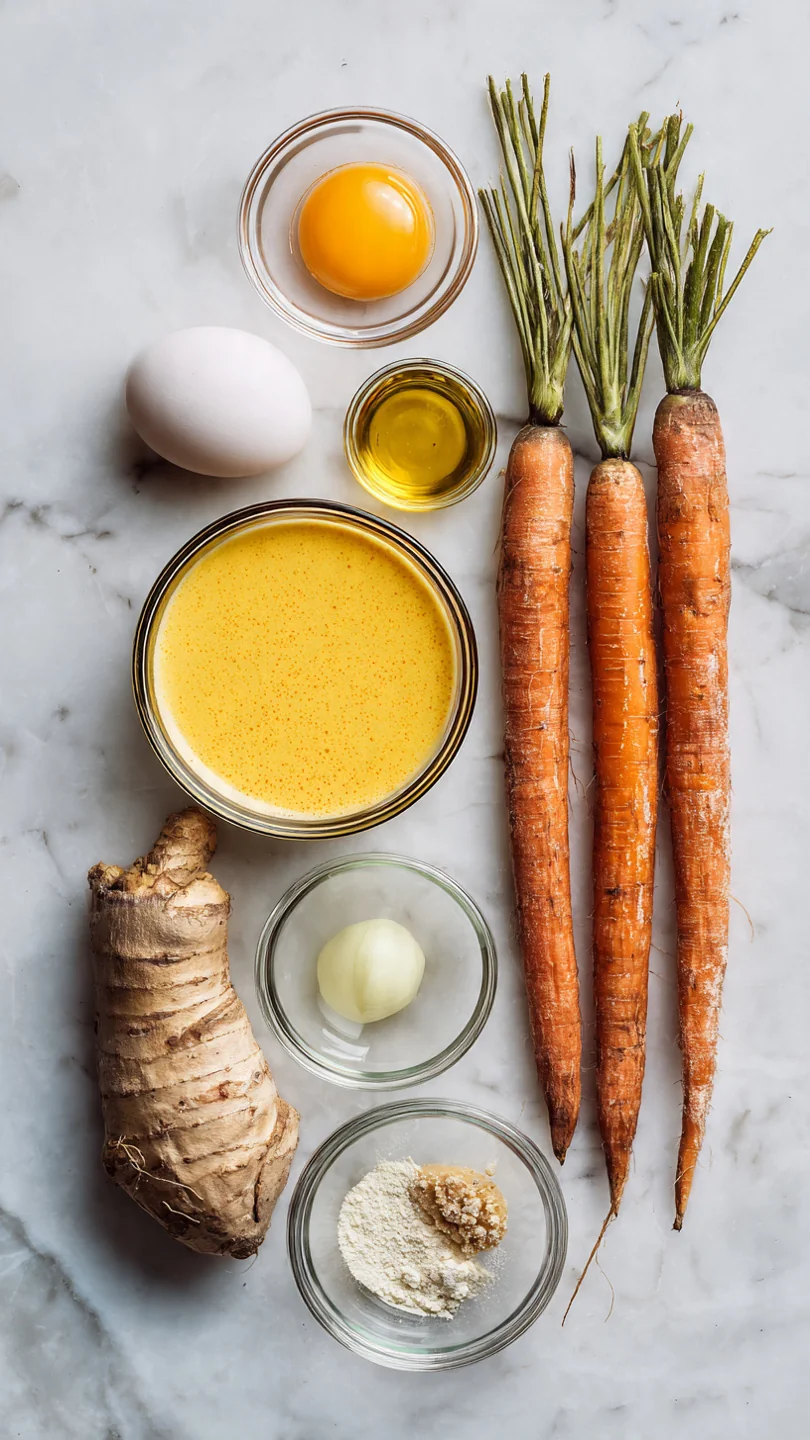
Note: You’ll find the complete list of ingredients, along with their exact measurements, in the printable recipe card at the bottom of this post.
Kitchen Equipment Needed
You don’t need any fancy gadgets for this recipe. The essentials are likely already in your kitchen.
- A Large, Rimmed Baking Sheet: This is crucial for roasting. The rim prevents spills, and a large surface area (like a half-sheet pan) ensures the vegetables aren’t crowded, allowing them to roast instead of steam.
- A Large Pot or Dutch Oven: For simmering and blending the soup. A Dutch oven’s heavy bottom distributes heat evenly.
- An Immersion Blender: My preferred tool for pureeing soup directly in the pot—it’s safer and creates less mess. A standard countertop blender works perfectly too; just be cautious with the hot liquid.
- A Good Chef’s Knife: For efficiently chopping all those vegetables.
How to Make Roasted Parsnip and Carrot Soup Recipe
Step 1: Roast the Vegetables to Perfection
Preheat your oven to 425°F (220°C). On your large baking sheet, toss the chopped parsnips, carrots, onion, and garlic cloves with the olive oil, salt, pepper, and thyme. Trust me, using your hands is the best way to ensure every piece is evenly coated.
Spread them in a single, uncrowded layer. This hot oven temperature is key—it will give us those beautiful caramelized edges and concentrated flavor in about 30-35 minutes. Stir them halfway through for even browning.
Step 2: Simmer and Meld the Flavors
Once the vegetables are fork-tender and spotted with golden-brown color, carefully transfer them to your large pot. Pour in the vegetable broth and water. Bring everything to a gentle simmer over medium-high heat, then reduce the heat to low, cover the pot, and let it cook for about 10 minutes.
Believe me, this quiet simmering time is important. It allows the roasted flavors to infuse into the broth, creating a more cohesive and deep-tasting soup base.
Step 3: Blend Until Silky Smooth
Now for the transformative part! If using an immersion blender, submerge it fully into the soup and blend on high, moving it around until the texture is perfectly smooth and no chunks remain. Tip from me: If you’re using a countertop blender, please work in batches and never fill it more than halfway with hot liquid.
Hold the lid firmly in place with a kitchen towel to prevent a dangerous steam explosion. Blend each batch until velvety.
Step 4: Finish with Cream and Seasoning
Turn the heat to low and stir in your choice of heavy cream or coconut milk. This addition adds a lovely richness and rounds out the flavors. Now, taste critically.
This is your moment to make the soup yours. Does it need another pinch of salt? A few more grinds of black pepper?
If the consistency is thicker than you like, simply stir in a little more broth or water until it’s just right.
Step 5: Garnish and Serve
Ladle the hot, creamy soup into warm bowls. Now comes the fun part—garnishing. A small drizzle of cream, a sprinkle of fresh herbs like parsley or chives, and a final crack of black pepper not only look beautiful but add little bursts of fresh flavor.
Serve it immediately with some crusty, buttered bread for dipping. Step back and admire your beautiful, homemade soup that tastes like it simmered all day.
A few chef-driven insights will guarantee your soup is exceptional every single time.
- Uniform Chopping is Key: Try to cut your parsnips and carrots into similarly sized chunks (about 1-inch). This ensures they roast evenly, so you don’t have some pieces burnt and others undercooked.
- Don’t Crowd the Pan: If your baking sheet looks packed, use two. Overcrowding causes the vegetables to steam in their own moisture, which prevents proper caramelization—the very thing that gives this soup its signature flavor.
- Acid is Your Friend: After blending, if the soup tastes a bit flat or overly sweet, a small squeeze of fresh lemon juice or a teaspoon of apple cider vinegar can work wonders to brighten and balance all the flavors.
- Texture Control: For an ultra-silken, restaurant-style finish, pass the blended soup through a fine-mesh strainer. It takes an extra minute but removes any tiny fibrous bits for an impossibly smooth mouthfeel.
- Layer Your Seasoning: Season at the roasting stage (with salt on the veggies) and again at the end after adding the broth and cream. Salt penetrates food differently at each stage, building a more complete flavor profile.
Recipe Variations
- This soup is a wonderful canvas for creativity. Here are some of my favorite tested variations.
- Spiced Version: Add 1 teaspoon of ground cumin and 1/2 teaspoon of smoked paprika to the vegetables before roasting for a warm, smoky depth.
- Apple & Ginger: Toss in one chopped apple (like Granny Smith) and a 1-inch knob of fresh ginger, peeled and sliced, with the roasting vegetables for a sweet and zesty twist.
- Curried Carrot and Parsnip Soup: Stir in 1-2 tablespoons of your favorite curry powder when you add the broth to the pot. Finish with a swirl of yogurt.
- Herb-Infused: Use fresh rosemary or sage instead of thyme for a different aromatic profile. Add hardy herbs before roasting; stir in delicate herbs like parsley after blending.
- Protein Boost: Make it a heartier meal by adding a can of rinsed white beans (like cannellini) to the pot before blending, or top each bowl with crispy chickpeas or shredded roast chicken.
- Extra Creamy (Dairy): Substitute up to 1 cup of the broth with whole milk or additional cream for an even richer, more decadent soup.
What to Serve With This Recipe
This soup is substantial enough to be a meal on its own, but it also plays well with others. For a simple, satisfying lunch, pair it with a thick slice of crusty sourdough or a warm, buttered roll for dipping. To create a fuller dinner spread, serve it as a starter followed by a main like a simple roasted chicken, a hearty lentil salad, or a savory tart.
For a cozy fall or winter menu, it’s perfect alongside a sharp cheddar grilled cheese sandwich. Beverage-wise, a crisp, dry cider or a light-bodied white wine like Sauvignon Blanc complements the soup’s sweetness beautifully.
Storage & Make-Ahead Instructions
- This soup is a meal-prepper’s dream. To store, let the soup cool completely before transferring it to airtight containers.
- Refrigerator: It will keep well for up to 4 days. The flavors often improve after a day in the fridge.
- Freezer: Freeze in portion-sized containers for up to 3 months. Thaw overnight in the refrigerator before reheating.
- Reheating: Gently reheat on the stovetop over medium-low heat, stirring occasionally. If it has thickened in storage, add a splash of broth or water to loosen it up.
- Make-Ahead Strategy: You can roast the vegetables up to 2 days in advance. Store them in the fridge, then proceed with simmering and blending the day you want to serve the soup for the freshest taste and texture.
Frequently Asked Questions
Q: Can I make this soup vegan?
Absolutely. Simply use coconut milk instead of heavy cream. Be sure to use a vegetable broth that is certified vegan, as some store-bought brands may contain hidden animal products.
Q: My soup turned out too thick. How can I fix it?
This is an easy fix! Simply stir in additional vegetable broth, water, or even a bit of milk, a quarter-cup at a time, over low heat until you reach your desired consistency. Remember, you can always add more liquid, but you can’t take it out.
Q: Can I use a different kind of broth?
Yes, chicken broth works very well and adds a savory richness. For a stronger, earthier flavor, you could experiment with a mushroom broth. The recipe is quite adaptable.
Q: Do I need to peel the parsnips and carrots?
I highly recommend it. Parsnip skins can be a bit tough and fibrous, and carrot peels can sometimes have a bitter taste, especially on larger carrots. Peeling ensures the smoothest, most pleasant texture in your final soup.
Q: Is an immersion blender necessary?
While it’s the most convenient tool, a standard countertop blender works perfectly. Just be sure to blend in batches, never filling the blender jar more than halfway with hot soup, and hold the lid down securely with a kitchen towel.
Q: Can I add other vegetables?
Certainly! Sweet potato, butternut squash, or even a small potato would blend right in. Just keep the total weight of root vegetables roughly the same (about 3 lbs) so the liquid ratio remains correct.
Q: The soup tastes a little bland. What can I do?
First, ensure you’ve seasoned adequately with salt—it makes all the flavors pop. If it’s still lacking depth, try adding a splash of white wine vinegar or lemon juice to brighten it, or a teaspoon of miso paste for savory umami depth.
Final Thoughts
This roasted parsnip and carrot soup is more than just a recipe; it’s a testament to how a simple technique can elevate everyday ingredients into something truly special. The depth of flavor you get from that initial roast is something you’ll taste and appreciate in every spoonful. It’s forgiving, flexible, and consistently delicious—exactly the kind of reliable recipe I love having in my back pocket for busy nights or when I want to impress guests without stress.
I hope this soup becomes a cherished part of your cooking repertoire, bringing warmth and comfort to your table. If you give it a try, I’d love to hear how it turned out for you! Please leave a comment or rating below—your feedback helps me create even better recipes for you.
Don’t forget to tag me on social media if you share a photo; I love seeing your creations. For more simple, flavor-packed recipes that work every time, be sure to explore the other soups and stews on the blog. Happy cooking

Creamy Roasted Parsnip and Carrot Soup
Equipment
- Large rimmed baking sheet
- Large pot or Dutch oven
- Immersion blender or countertop blender
- Cutting board and chef’s knife
- Wooden spoon
Ingredients
- 2 lbs parsnips peeled and cut into 1-inch chunks
- 1 lb carrots peeled and cut into 1-inch chunks
- 1 large yellow onion roughly chopped
- 4 cloves garlic peeled
- 3 tbsp olive oil divided
- 1 tsp kosher salt plus more to taste
- 1/2 tsp black pepper freshly ground
- 1 tsp dried thyme or 1 tbsp fresh thyme leaves
- 4 cups vegetable broth low-sodium preferred
- 1 cup water or more broth
- 1/2 cup heavy cream or coconut milk for dairy-free option
Instructions
- Preheat your oven to 425°F (220°C). On a large, rimmed baking sheet, toss the parsnips, carrots, onion, and garlic with 2 tablespoons of olive oil, salt, pepper, and thyme. Spread them in a single layer. Roast for 30-35 minutes, stirring halfway through, until the vegetables are tender and caramelized at the edges.
- Transfer the roasted vegetables to a large pot or Dutch oven. Add the vegetable broth and 1 cup of water. Bring the mixture to a simmer over medium-high heat, then reduce the heat to low, cover, and let it cook gently for 10 minutes. This allows the flavors to meld.
- Using an immersion blender, carefully puree the soup directly in the pot until completely smooth. Tip from me: If using a countertop blender, work in batches, never filling the blender more than halfway, and hold the lid down with a towel to prevent steam explosions.
- Stir in the heavy cream or coconut milk. Taste the soup and adjust the seasoning with more salt and pepper if needed. If the soup is too thick for your liking, add more broth or water, a quarter cup at a time, until you reach your desired consistency.
- Ladle the hot soup into bowls. Garnish with a drizzle of cream, a crack of black pepper, and a sprinkle of fresh herbs like parsley or chives. Serve immediately with crusty bread on the side.