
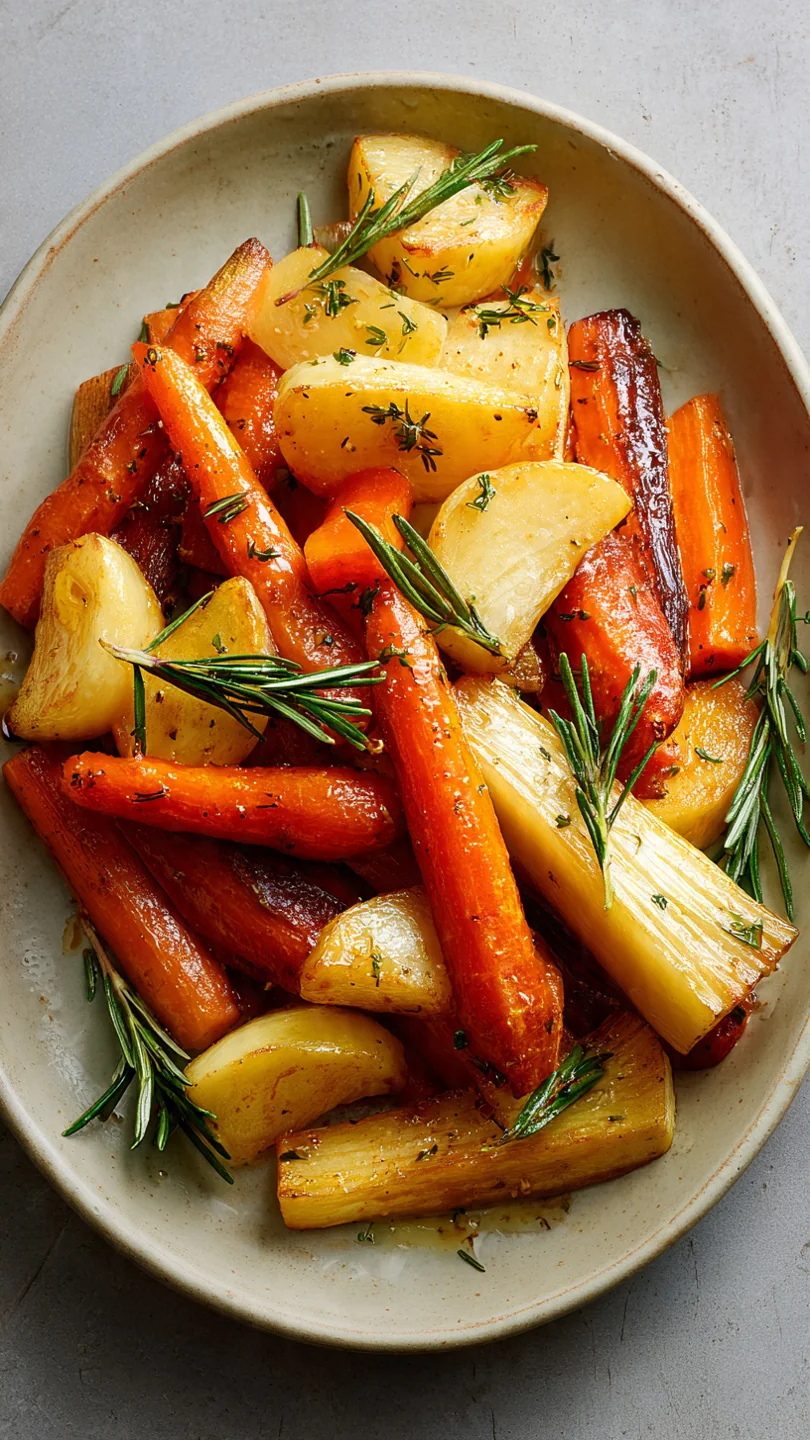
There’s a particular magic that happens when humble root vegetables meet high heat and a sweet, savory glaze. The natural sugars concentrate, the edges crisp and caramelize, and what emerges from the oven is a side dish that feels both comforting and elegant. These honey glazed carrots and parsnips are my go-to for turning an ordinary weeknight dinner into something special, or for effortlessly impressing guests at a holiday gathering.
The combination of earthy parsnips and sweet carrots, all glossy and tender, is a textural and flavor dream. Let me show you my tested method for achieving that perfect roast every single time.
- One-pan convenience: Everything roasts together on a single sheet pan, meaning minimal active time and even easier cleanup.
- Big flavor, fast: A simple glaze of honey, garlic, and thyme transforms basic vegetables into a caramelized, savory-sweet masterpiece in under 30 minutes of cook time.
- Diet-flexible: Naturally gluten-free and vegetarian, with easy swaps to make it vegan (use maple syrup and oil instead of honey and butter).
- Crowd-pleasing versatility: This dish complements everything from a simple roasted chicken to a fancy holiday prime rib, appealing to both kids and adults.
- Make-ahead friendly: You can prep the vegetables and whisk the glaze hours in advance, so all you need to do is toss and roast when it’s time to eat.
- Perfect texture: My high-heat method ensures you get tender interiors and beautifully caramelized, slightly crisp edges—never mushy or steamed.
Ingredients You’ll Need
Let’s gather our ingredients—this is where simple pantry staples come together to create something truly special. The key here is quality and uniformity. For the carrots, I prefer standard orange carrots for their reliable sweetness and color, but you could use a rainbow mix for a stunning presentation.
Parsnips look like pale carrots and have a wonderful, slightly nutty and spicy flavor that balances the carrot’s sweetness beautifully. When selecting them, choose firm, medium-sized parsnips without soft spots; very large ones can have a woody core. For the honey, a good-quality, mild clover or wildflower honey works perfectly—its flavor mellows and caramelizes in the oven.
If you need a vegan version, pure maple syrup is a fantastic one-to-one substitute. Fresh thyme adds an aromatic, earthy note, but dried thyme works in a pinch. Don’t skip the fresh parsley garnish; it adds a necessary pop of freshness and color that lifts the whole dish.

Note: You’ll find the complete list of ingredients, along with their exact measurements, in the printable recipe card at the bottom of this post.
Kitchen Equipment Needed
You don’t need any fancy gadgets for this recipe. A large, rimmed baking sheet (often called a half sheet pan) is essential. The rim prevents any glaze from dripping into your oven, and the large surface area allows the vegetables to roast, not steam.
I highly recommend lining it with parchment paper for foolproof cleanup—the honey glaze can get sticky. You’ll need a large mixing bowl for tossing everything together, a sharp chef’s knife and cutting board for prepping the vegetables, and basic measuring tools. That’s truly it!
How to Make Roasted Honey Glazed Carrots & Parsnips Recipe
Step 1: Prep the Oven and Vegetables
Preheat your oven to 425°F (220°C). This high heat is crucial for achieving caramelization without steaming the vegetables. While the oven heats, peel the carrots and parsnips and cut them into uniform sticks, about 3 inches long and 1/2-inch thick.
Trust me, consistent size is the secret to even cooking. If some pieces are much thicker, they’ll be undercooked when the thinner ones are done. Take an extra minute here for perfect results.
Step 2: Whisk and Coat the Glaze
In a large bowl, whisk together the olive oil, honey, melted butter, minced garlic, thyme, salt, and pepper. The goal is a smooth, emulsified mixture. Add the carrot and parsnip sticks to the bowl.
Using your hands or a large spoon, toss everything together until every piece is thoroughly and evenly coated with the glossy glaze. Don’t be shy—get in there and make sure the garlic and thyme are well distributed.
Step 3: Arrange for Success
Arrange the coated vegetables in a single layer on a large, rimmed baking sheet. Tip from me: use parchment paper for easier cleanup. Make sure the pieces aren’t crowded or overlapping, which allows hot air to circulate and creates that beautiful roasted texture instead of steaming.
If your pan seems too full, use two pans. Crowding is the enemy of caramelization.
Step 4: Roast to Caramelized Perfection
Roast in the preheated oven for 20-25 minutes. Believe me, don’t touch them for the first 15 minutes! This lets the heat work its magic and start the browning process.
At the 15-minute mark, give the pan a shake or use a spatula to flip the vegetables for even browning. They’re done when tender when pierced with a fork and gloriously caramelized at the edges. You’ll see the glaze bubbling and darkening in spots—that’s exactly what you want.
Step 5: Garnish and Serve Warm
Remove the pan from the oven. Transfer the glazed carrots and parsnips to a serving platter. Taste and adjust seasoning with a pinch more salt if needed.
Garnish generously with the fresh chopped parsley for a pop of color and freshness. Step back and admire your beautiful, glossy, restaurant-worthy side dish before serving warm. The flavors are best enjoyed right out of the oven.
Cut for even cooking: The single most important tip is to cut your carrots and parsnips into uniform sizes. Aim for sticks that are roughly the same length and thickness. I find a ½-inch thick, 3-inch long stick is the sweet spot—substantial enough to hold its shape but thin enough to cook through quickly. Embrace high heat: Roasting at 425°F isn’t a suggestion; it’s the technique. This temperature quickly evaporates surface moisture, allowing the vegetables to brown and caramelize rather than steam. If your oven runs hot or cold, an inexpensive oven thermometer is a game-changer for recipe reliability. Don’t skip the flip: That single flip or shake of the pan around the 15-minute mark ensures all sides get exposure to the hot pan and air. This is what gives you an all-over caramelized effect, not just browning on one side. Glaze wisely: If you want an extra glossy finish, you can whisk an additional tablespoon of honey with a teaspoon of warm water and drizzle it over the vegetables right after they come out of the oven. This adds a beautiful sheen and a touch more sweetness.Recipe Variations
- Maple-Dijon Twist: Replace the honey with pure maple syrup and add 1 tablespoon of whole-grain Dijon mustard to the glaze mixture. The mustard adds a wonderful tangy depth that cuts through the sweetness.
What to Serve With This Recipe
These glazed carrots and parsnips are the ultimate versatile side. For a classic Sunday dinner, pair them with a simple roast chicken or pork tenderloin. The sweet vegetables beautifully complement the savory meat.
During the holidays, they are a stunning and flavorful addition to a table featuring holiday ham, prime rib, or turkey. For a vegetarian feast, serve them alongside a lentil loaf or a rich mushroom wellington. They also work wonderfully in a bowl meal with a grain like farro or quinoa and some seared chicken or crispy chickpeas.
A crisp, dry white wine like a Sauvignon Blanc or a light-bodied Pinot Noir pairs beautifully.
Storage & Make-Ahead Instructions
- Storage: Allow any leftovers to cool completely before transferring them to a shallow, airtight container. Store in the refrigerator for up to 4 days. The texture will soften upon storage.
Frequently Asked Questions
Q: Can I use baby carrots instead of full-sized carrots?
A: You can, but I don’t recommend it. Pre-peeled “baby carrots” are often cut from larger carrots and have more surface area, which can cause them to burn more easily and have a less robust flavor. If you do use them, roast for a slightly shorter time and keep a close eye on them.
Q: My vegetables are steaming, not roasting. What did I do wrong?
A: This almost always comes down to two issues: oven temperature or overcrowding. Ensure your oven is fully preheated to 425°F and use an oven thermometer to verify. Also, make sure the vegetables are in a single, uncrowded layer.
If they’re piled on top of each other, they’ll steam. Use two pans if necessary.
Q: Can I make this recipe vegan?
A: Absolutely! Simply replace the honey with pure maple syrup and substitute the butter with an additional tablespoon of olive oil or a plant-based butter alternative. The results will be just as delicious and caramelized.
Q: How do I know when the carrots and parsnips are done roasting?
A: They should be easily pierced with the tip of a sharp knife or a fork, offering little to no resistance. The edges will be browned and caramelized, and the glaze will look bubbly and sticky. The total time is usually 20-25 minutes.
Q: Can I add other vegetables to this mix?
A: Yes, but choose vegetables with similar densities and cooking times. Sweet potatoes, peeled and cut into chunks, or whole shallots work beautifully. Avoid watery vegetables like zucchini, as they will release too much liquid.
Q: Is it necessary to peel the parsnips?
A: Yes, I recommend it. Parsnip skins can be slightly tough and bitter. A good vegetable peeler makes quick work of it.
Peel them just as you would a carrot.
Q: The glaze is sticking to my pan. How can I prevent this?
A: Parchment paper is your best friend here! Lining your baking sheet with it guarantees easy release and cleanup. If you don’t have parchment, you can use aluminum foil, but parchment is non-stick and works better.
Final Thoughts
This recipe for honey glazed carrots and parsnips is a perfect example of how a few simple techniques can elevate everyday ingredients into something extraordinary. The contrast of sweet and savory, tender and caramelized, never fails to delight. It’s a dish that looks like you spent far more time on it than you actually did, which is always a win in my book.
I’ve served this to everyone from busy weeknight families to formal dinner guests, and it’s always met with empty plates. I encourage you to give it a try—play with the variations, make it your own, and enjoy the process of creating such a beautiful, flavorful side. Once you master this method, you’ll find yourself turning to it again and again.
Don’t forget to let me know how it turns out for you! Share your creations online and tag me. Happy roasting
Roasted Honey Glazed Carrots & Parsnips
Equipment
- Large rimmed baking sheet (half-sheet pan)
- Parchment paper (optional but recommended)
- Large mixing bowl
- Sharp chef’s knife and cutting board
- Measuring spoons and cups
Ingredients
- 1 lb carrots peeled, cut into 3-inch sticks (about 1/2-inch thick)
- 1 lb parsnips peeled, cut into 3-inch sticks (about 1/2-inch thick)
- 2 tbsp olive oil extra virgin
- 2 tbsp honey or pure maple syrup for vegan option
- 1 tbsp unsalted butter melted (or more olive oil)
- 2 cloves garlic minced
- 1 tsp fresh thyme leaves or 1/2 tsp dried thyme
- 1/2 tsp kosher salt plus more to taste
- 1/4 tsp black pepper freshly ground
- 1 tbsp fresh parsley chopped, for garnish
Instructions
- Preheat your oven to 425°F (220°C). This high heat is crucial for achieving caramelization without steaming the vegetables. While the oven heats, peel the carrots and parsnips and cut them into uniform sticks, about 3 inches long and 1/2-inch thick. Trust me, consistent size is the secret to even cooking.
- In a large bowl, whisk together the olive oil, honey, melted butter, minced garlic, thyme, salt, and pepper. Add the carrot and parsnip sticks to the bowl. Using your hands or a large spoon, toss everything together until every piece is thoroughly and evenly coated with the glossy glaze.
- Arrange the coated vegetables in a single layer on a large, rimmed baking sheet. Tip from me: use parchment paper for easier cleanup. Make sure the pieces aren’t crowded or overlapping, which allows hot air to circulate and creates that beautiful roasted texture instead of steaming.
- Roast in the preheated oven for 20-25 minutes. Believe me, don’t touch them for the first 15 minutes! This lets the heat work its magic. At the 15-minute mark, give the pan a shake or use a spatula to flip the vegetables for even browning. They’re done when tender when pierced with a fork and gloriously caramelized at the edges.
- Remove the pan from the oven. Transfer the glazed carrots and parsnips to a serving platter. Taste and adjust seasoning with a pinch more salt if needed. Garnish generously with the fresh chopped parsley for a pop of color and freshness. Step back and admire your beautiful, glossy, restaurant-worthy side dish before serving warm.