
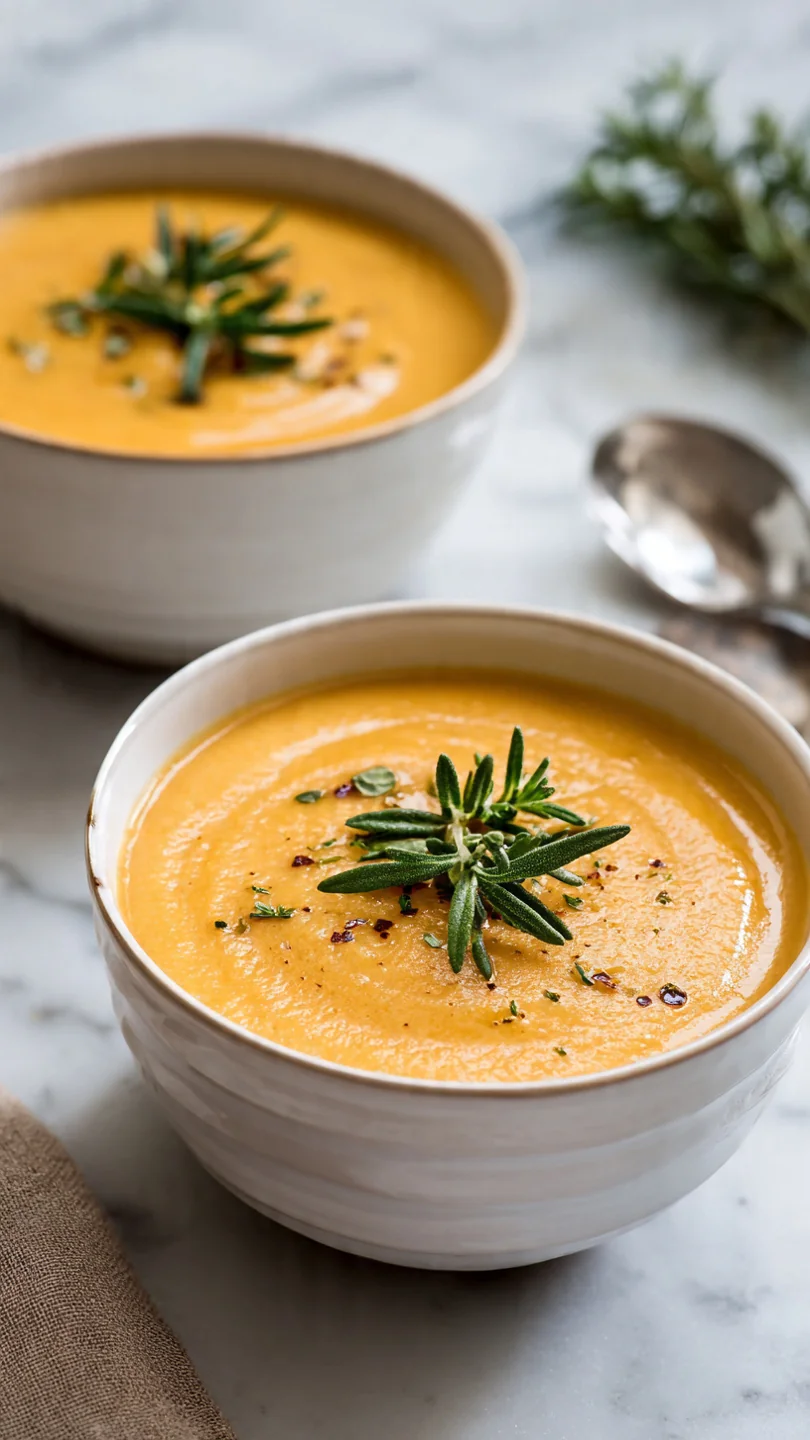
There’s a particular alchemy that happens when sweet roots and fruit hit the high, dry heat of an oven. Their sugars caramelize, their flavors deepen, and their textures turn meltingly tender—the perfect foundation for a soup that tastes far more complex than the effort required. This roasted sweet potato, parsnip, and apple soup is my go-to when I want a bowl that’s simultaneously comforting and vibrant, rich yet healthy.
It’s the culinary equivalent of a warm sweater, and once you taste the profound difference roasting makes, you’ll never go back to boiling your soup vegetables again.
This soup earns a permanent spot in your rotation for more than just its incredible taste. Here’s what makes it special:
- Deep, Caramelized Flavor: Roasting the vegetables before blending isn’t just an extra step—it’s the secret weapon. It transforms simple ingredients into a complex, sweet, and savory base that simmering alone can’t achieve.
- Meal Prep Champion: This soup tastes even better the next day as the flavors continue to marry. It freezes beautifully, making it a perfect make-ahead lunch or dinner.
- Incredibly Versatile: The recipe is a fantastic template. Don’t have parsnips? Use carrots. Want it spicy? Add a pinch of cayenne. I’ll share my favorite variations below.
- Nutrient-Dense Comfort Food: Packed with vitamins, fiber, and antioxidants from the vegetables and apple, it’s a bowl that truly nourishes.
- Creamy Without Cream: The natural starches from the sweet potatoes and parsnips blend into a luxuriously thick and velvety texture. The cream is optional, for pure indulgence.
Ingredients You’ll Need
- Let’s gather our ingredients. This recipe is a celebration of humble, seasonal produce that, when treated right, creates something extraordinary. The sweet potatoes provide body and sweetness, the parsnips add an earthy, almost nutty depth, and the apple brings a bright, fruity acidity that balances everything. Trust me, using a good, crisp eating apple (like Honeycrisp) instead of a tart baking apple makes all the difference—it integrates seamlessly into the soup’s flavor profile.
- Sweet Potatoes: Look for firm potatoes with smooth skin. I peel them for the smoothest soup texture.
- Parsnips: Choose parsnips that are firm, not limp or rubbery. Their core can sometimes be woody in larger specimens; if it feels very hard, you can trim it out after peeling.
- Apples: A sweet, crisp variety like Honeycrisp, Fuji, or Gala works perfectly. They melt right into the soup.
- Yellow Onion & Garlic: The aromatic foundation. Roasting them mellows their sharpness and adds sweetness.
- Fresh Thyme: Its subtle, woodsy flavor is a classic pairing with root vegetables. Dried thyme can work in a pinch (use 1/3 teaspoon).
- Vegetable Broth: A good-quality, low-sodium broth lets the roasted vegetable flavors shine. You can use chicken broth if not keeping it vegetarian.
- Olive Oil, Salt, & Pepper: For roasting and seasoning. A good flaky sea salt for finishing is a lovely touch.
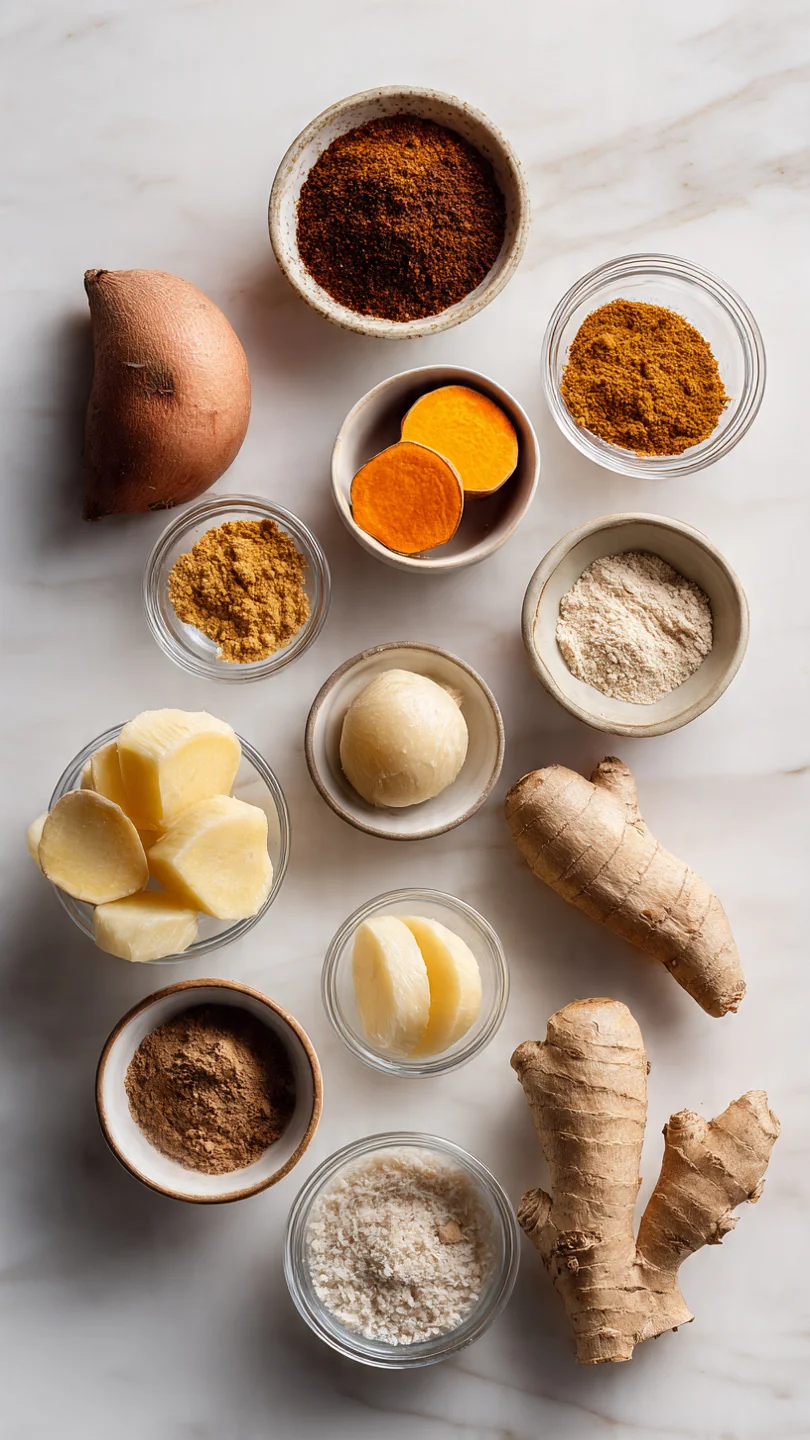
Note: You’ll find the complete list of ingredients, along with their exact measurements, in the printable recipe card at the bottom of this post.
Kitchen Equipment Needed
You don’t need any special gear for this recipe. A large baking sheet is key for giving the vegetables enough space to roast properly instead of steam. A heavy-bottomed pot or Dutch oven ensures even heating when you combine everything.
The most important tool is your blender. An immersion blender is my absolute favorite for soups—it’s safer and easier for blending hot liquids right in the pot. If using a standard countertop blender, please be cautious with the hot soup and blend in batches.
How to Make Roasted Sweet Potato, Parsnip and Apple Soup Recipe
Step 1: Roast the Vegetables to Perfection
Preheat your oven to 425°F (220°C). This high heat is crucial for achieving those beautiful caramelized edges. Toss all your chopped vegetables, apple, and garlic with oil, salt, and pepper on a large baking sheet.
The goal is a single, uncrowded layer. Believe me, crowding the pan is the most common mistake—it steams the vegetables instead of roasting them. Roast for 30-35 minutes, giving them a good stir halfway.
You’re looking for tender pieces with some golden-brown, slightly crispy spots.
Step 2: Bloom the Herbs and Warm the Broth
While the vegetables roast, take a moment to build another layer of flavor in your soup pot. Heat a little oil and add the fresh thyme. Let it sizzle for just 30 seconds until the kitchen smells amazing.
This quick process, called “blooming,” releases the thyme’s essential oils into the fat, making its flavor more potent and integrated. Immediately pour in your broth to stop the cooking. Bringing it just to a simmer now means the soup comes together faster later.
Step 3: Combine and Simmer
Once your vegetables are out of the oven and smelling incredible, scrape every last bit into the pot of warm broth. Tip from me: don’t leave behind those dark, sticky bits on the baking sheet. Deglaze it with a splash of broth if you need to.
Those bits are concentrated flavor. Bring everything to a gentle simmer and let it cook together for about 5 minutes. This allows the roasted flavors to infuse the broth fully.
Step 4: Blend Until Silky Smooth
Now comes the satisfying part. Using an immersion blender, puree the soup directly in the pot until it’s perfectly smooth. If you’re using a countertop blender, work in batches and be very careful with the hot liquid—always vent the lid and cover it with a towel.
Blend for a full minute or two; this extra time activates the starches and makes the soup wonderfully creamy and emulsified.
Step 5: Final Seasoning and Serve
Taste your creation. Does it need another pinch of salt? A grind of pepper?
This is your moment to adjust. For a touch of luxury, stir in the optional cream or coconut milk. Ladle the soup into warm bowls.
Step back and admire its gorgeous color. Garnish with a fresh thyme sprig and a drizzle of good olive oil. Serve it with some crusty, buttered bread for dipping, and enjoy the deep, comforting flavors you created.
A few insights from my years in the kitchen will help you nail this recipe every single time.
- Cut Uniformly: Try to cut all your vegetables and apple into similarly sized 1-inch pieces. This ensures they roast evenly and are all done at the same time.
- Don’t Skimp on the Oil: The oil is necessary for proper caramelization. It helps conduct heat and prevents the vegetables from drying out and burning in the hot oven.
- The Power of Acidity: The apple is your secret weapon against a one-note sweet soup. Its natural acidity brightens the entire dish. If, after blending, the soup still tastes a bit flat, a tiny squeeze of fresh lemon juice can work wonders.
- Texture is Key: If your soup seems too thick after blending, simply whisk in more broth or water, a 1/4 cup at a time, until it reaches your preferred consistency. It will thicken slightly as it cools.
Recipe Variations
- This soup is a wonderfully adaptable canvas. Here are some of my favorite tested variations.
- Spiced Version: Add 1 teaspoon of curry powder or garam masala to the vegetables before roasting for a warm, aromatic twist.
- Thai-Inspired: Substitute coconut milk for the cream and add 1 tablespoon of red curry paste to the broth when simmering. Garnish with cilantro and a lime wedge.
- Smoky & Hearty: Add 1 teaspoon of smoked paprika to the roasting vegetables. For a non-vegetarian option, top with crumbled crispy bacon.
- Ginger-Orange Zest: Add a 1-inch knob of fresh ginger, peeled and roughly chopped, to the roasting pan. After blending, stir in the zest of one orange.
- Dairy-Free & Ultra-Creamy: Use full-fat coconut milk as your creamy element. It pairs beautifully with the sweet vegetables.
What to Serve With This Recipe
This soup is substantial enough to be a light main course but also makes an elegant starter. For a complete fall meal, pair it with a simple arugula salad dressed with a sharp lemon vinaigrette and shaved Parmesan—the peppery greens cut through the soup’s richness beautifully. A grilled cheese sandwich, especially with sharp cheddar or Gruyère, is a classic and comforting partner.
For a more formal dinner party, serve small cups as a first course before a herb-roasted chicken or pork tenderloin. Beverage-wise, a dry hard cider, a crisp Sauvignon Blanc, or even a light-bodied pale ale complements the sweet and savory notes.
Storage & Make-Ahead Instructions
- This soup is arguably better on days two and three.
- Refrigerator: Cool the soup completely and store in airtight containers for up to 5 days.
- Freezer: Freeze in portion-sized containers for up to 3 months. Thaw overnight in the refrigerator.
- Reheating: Gently reheat on the stovetop over medium-low heat, stirring occasionally. You may need to add a splash of broth or water to loosen it up as it thickens when cold. Avoid boiling vigorously.
- Make-Ahead: You can roast the vegetables a day in advance. Store them covered in the fridge, then proceed with simmering and blending the next day.
Frequently Asked Questions
Q: Can I use butternut squash instead of sweet potato?
Absolutely. Butternut squash is a perfect 1:1 substitute and will yield a very similar, delicious result. The cooking time may vary slightly depending on the density of your squash cubes.
Q: My soup turned out too sweet. How can I fix it?
This can happen with very sweet produce. Balance it by adding more savory elements. Stir in an extra 1/4 to 1/2 teaspoon of salt, a big pinch of black pepper, or a splash of apple cider vinegar or lemon juice to brighten and cut the sweetness.
Q: Do I really need to peel the apples and vegetables?
For the smoothest, most velvety texture, yes, I recommend peeling. The apple and parsnip skins can be tough, and sweet potato skins can create tiny flecks in the soup. If you don’t mind a more rustic texture, you can leave the sweet potato skins on after a very good scrub.
Q: Can I make this in an Instant Pot or slow cooker?
You can, but you’ll lose the deep flavor from roasting. For an Instant Pot, sauté the vegetables first to get some color, then pressure cook with broth. For a slow cooker, add everything raw and cook on low for 6-8 hours, then blend.
The flavor will be milder.
Q: What’s the best way to get an ultra-smooth texture?
After blending with an immersion blender, for restaurant-level smoothness, pass the soup through a fine-mesh sieve. This catches any remaining fibrous bits, especially from the parsnips. It’s an extra step, but the texture is sublime.
Q: Is the cream necessary?
Not at all. The soup is naturally thick and creamy from the blended vegetables. The cream (or coconut milk) adds a layer of richness and fat that rounds out the flavors, but the soup is still fantastic without it.
Final Thoughts
This roasted sweet potato, parsnip, and apple soup embodies what I love most about cooking: transforming a few simple, wholesome ingredients into something truly special with just a bit of thoughtful technique. The roasting step is the non-negotiable heart of the recipe, gifting you a depth of flavor that simmering simply cannot match. It’s a forgiving, flexible recipe that welcomes your own twists, whether that’s a dash of spice, a different herb, or a favorite root vegetable from your CSA box.
I hope this soup becomes a cherished part of your cooler-weather cooking, offering warmth, nourishment, and the deep satisfaction of a meal made from scratch. Give it a try this week, and let me know how it turns out for you. Share your photos and variations—I love seeing your culinary creations.
And if you’re looking for more cozy, vegetable-forward recipes, be sure to explore the other soups and stews here on the blog. Happy cooking

Roasted Sweet Potato, Parsnip and Apple Soup
Equipment
- Large rimmed baking sheet
- Large Dutch oven or soup pot (5-6 quart)
- Immersion blender or countertop blender
- Cutting board and chef’s knife
- Wooden spoon or spatula
Ingredients
- 2 large sweet potatoes peeled and cut into 1-inch cubes (about 1.5 lbs total)
- 3 medium parsnips peeled and cut into 1-inch chunks
- 2 medium apples such as Honeycrisp or Fuji, peeled, cored, and cut into chunks
- 1 large yellow onion cut into large wedges
- 4 cloves garlic peeled
- 3 tablespoons olive oil divided
- 1 teaspoon kosher salt divided, plus more to taste
- 1/2 teaspoon black pepper divided
- 1 teaspoon fresh thyme leaves plus more for garnish
- 4 cups vegetable broth low-sodium preferred
- 1/2 cup heavy cream or full-fat coconut milk optional, for creaminess
Instructions
- Preheat your oven to 425°F (220°C). On a large, rimmed baking sheet, toss the cubed sweet potatoes, parsnips, apples, onion wedges, and whole garlic cloves with 2 tablespoons of olive oil, 3/4 teaspoon of kosher salt, and 1/4 teaspoon of black pepper. Spread them in a single layer. Roast for 30-35 minutes, stirring halfway through, until the vegetables are tender and caramelized at the edges.
- While the vegetables roast, heat the remaining 1 tablespoon of olive oil in a large Dutch oven or soup pot over medium heat. Add the fresh thyme and stir for about 30 seconds until fragrant—this blooms its flavor. Immediately pour in the vegetable broth and the remaining 1/4 teaspoon each of salt and pepper. Bring to a gentle simmer, then turn off the heat.
- Once the vegetables are beautifully roasted, carefully transfer them from the baking sheet directly into the pot with the warm broth. Use a wooden spoon to scrape any browned bits and any oil from the pan into the pot—this is pure flavor gold. Bring the mixture back to a simmer over medium heat and cook for 5 minutes to let the flavors meld.
- Now for the magic. Carefully blend the soup until completely smooth. For the silkiest texture, I highly recommend using an immersion blender right in the pot. If using a countertop blender, work in batches, never filling it more than halfway, and hold the lid firmly with a towel. Blend until velvety smooth.
- Taste the soup and adjust seasoning with more salt and pepper if needed. For a richer finish, stir in the optional heavy cream or coconut milk. Ladle the soup into bowls, garnish with a fresh thyme sprig, a crack of black pepper, and a drizzle of olive oil or cream. Serve immediately with crusty bread.