
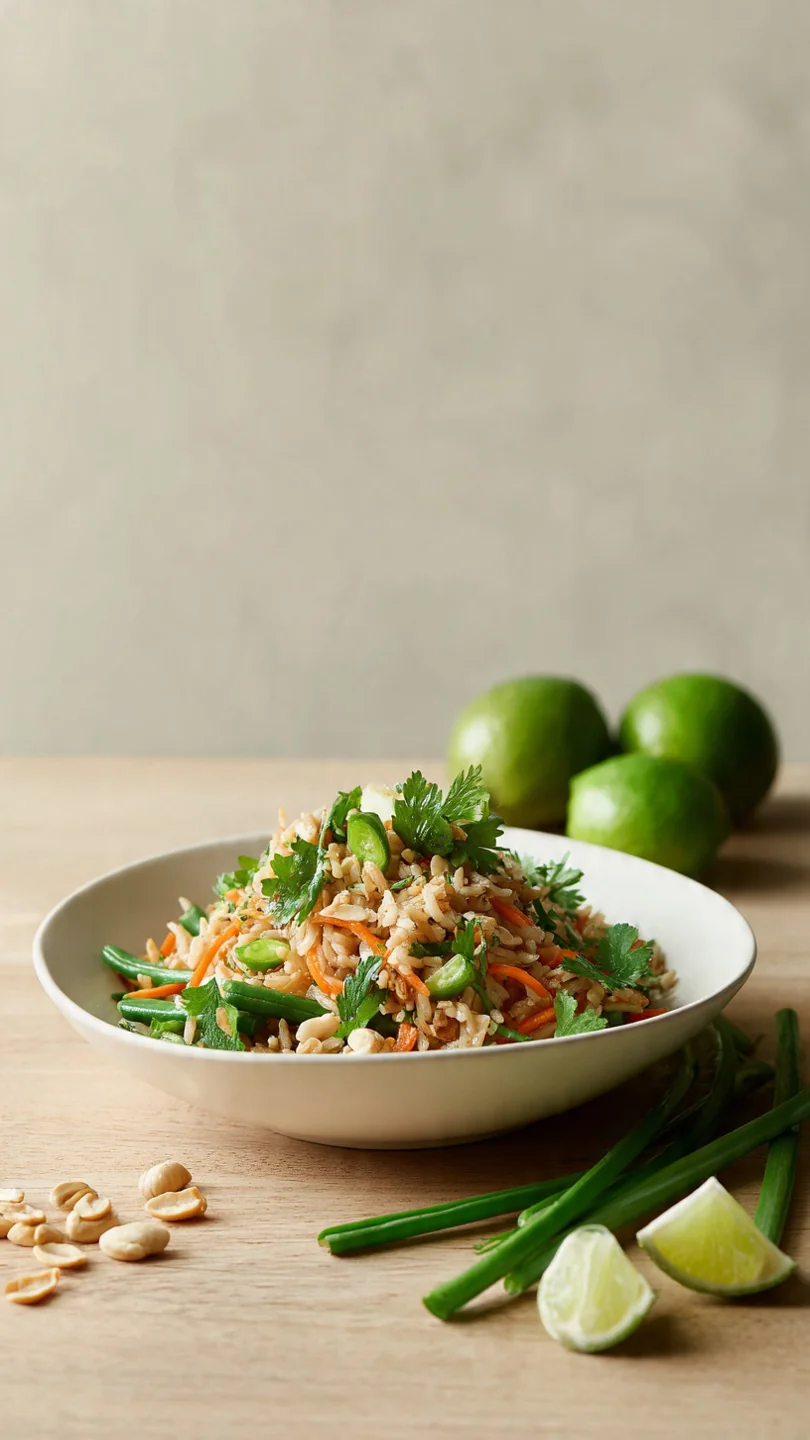
Imagine the perfect bite: a shatteringly crisp piece of golden rice, a cool crunch of fresh vegetable, all wrapped in a luxuriously creamy, tangy, and slightly spicy peanut sauce. That’s the magic of this Satay Crispy Rice Salad. It’s the dish I turn to when I crave something deeply satisfying yet surprisingly light, a weeknight hero that comes together in minutes but delivers restaurant-level texture and flavor.
It transforms humble leftover rice into the star of the show, creating a meal that’s endlessly fun to eat. Let’s make it.
This recipe is a favorite in my kitchen for so many practical and delicious reasons.
- Textural Heaven: The contrast between the hot, crispy rice cakes and the cool, crunchy vegetables is utterly addictive and makes every forkful exciting.
- Sauce You’ll Want to Eat with a Spoon: The satay sauce is perfectly balanced—creamy, savory, tangy, and spicy. It’s versatile enough to become your new go-to for bowls, dipping, and more.
- 30-Minute Meal: From fridge to table in half an hour, this is a realistic solution for busy nights without sacrificing quality or flavor.
- Clever Use for Leftovers: It solves the “what to do with leftover rice” puzzle in the most spectacular way, reducing food waste brilliantly.
- Highly Customizable: Easily adapt the vegetables, protein, or spice level to suit what you have and who you’re feeding.
- Diet-Flexible: Naturally vegetarian and dairy-free, with simple swaps to make it gluten-free or vegan.
Ingredients You’ll Need
- Let’s gather our ingredients. This recipe is about building layers of flavor and texture from simple, accessible components. The magic is in their combination.
For the crispy rice and salad base, you’ll need cold, cooked rice—day-old jasmine or sushi rice from last night’s takeout is perfect, as its drier texture leads to maximum crispiness. You’ll also need a crisp English cucumber, a vibrant red bell pepper for sweetness, fresh scallions and cilantro, and roasted peanuts for garnish. A dash of toasted sesame oil adds a nutty aroma to the fresh veggies.
The superstar satay sauce comes together with creamy, natural peanut butter, rich coconut milk, savory soy sauce (use tamari for gluten-free), a touch of maple syrup for balance, fresh lime juice, and the aromatic punch of grated garlic and ginger. Sriracha or chili garlic sauce lets you control the heat. Trust me, using fresh aromatics here makes all the difference compared to dried powders.
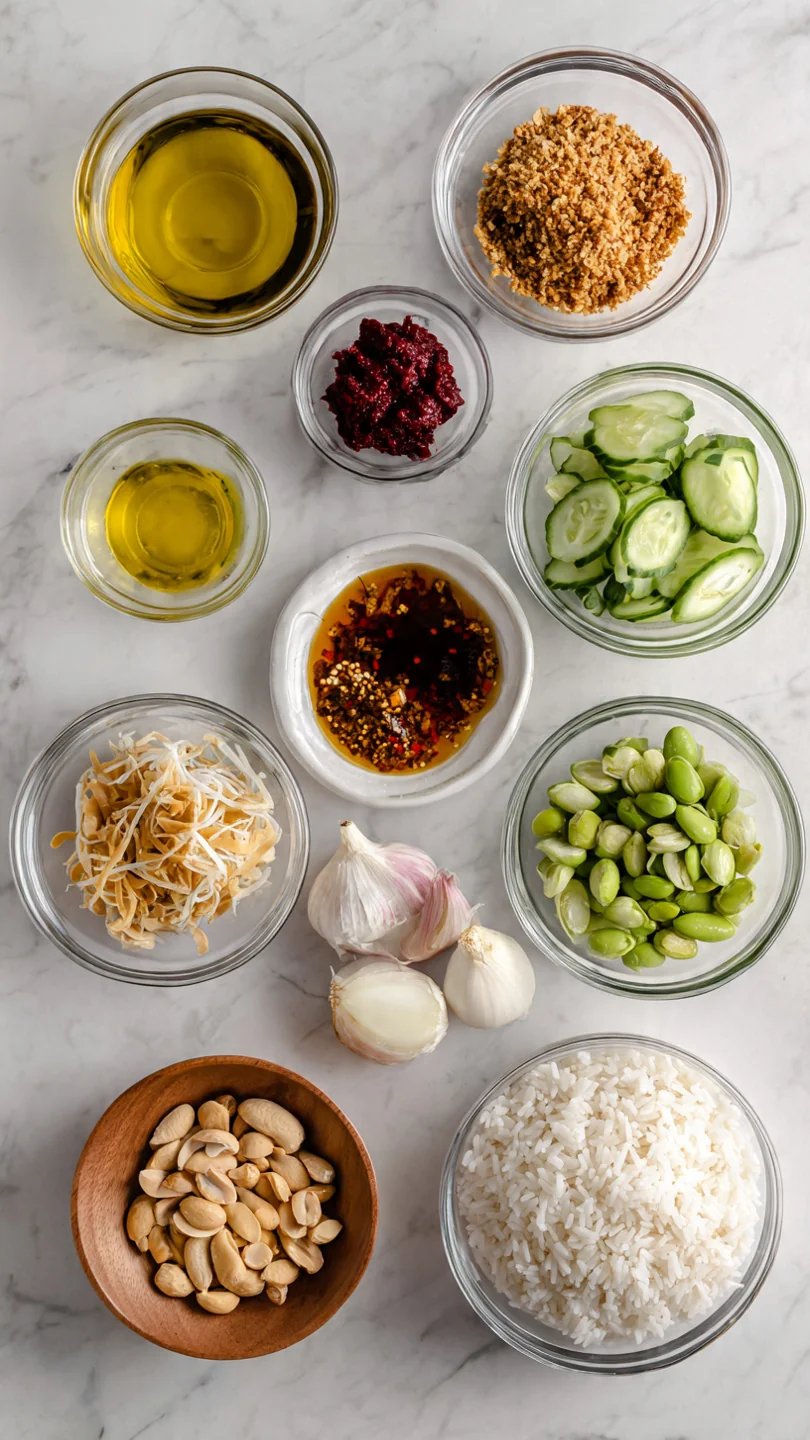
Note: You’ll find the complete list of ingredients, along with their exact measurements, in the printable recipe card at the bottom of this post.
Kitchen Equipment Needed
You don’t need any special equipment. A large non-stick skillet is essential for getting those rice cakes crispy without sticking. A medium mixing bowl and whisk will help you emulsify the satay sauce into a smooth, creamy consistency.
A box grater or microplane makes quick work of the garlic and ginger. Finally, a large serving bowl is perfect for tossing and presenting everything together. That’s it!
How to Make Satay Crispy Rice Salad Recipe
Step 1: Form and Fry the Rice Cakes
This step is where we create our crispy foundation. Using slightly wet hands, firmly press the cold rice into 8-10 small, compact patties, about a half-inch thick. Believe me, packing them tightly is the secret to them holding together.
Heat a thin layer of neutral oil in your skillet over medium-high heat. Once hot, carefully add the patties. Let them cook undisturbed for 3-4 minutes until a deep golden crust forms, then flip.
You should hear a satisfying sizzle. Cook the other side, then transfer to a paper towel-lined plate. The contrast between the crispy exterior and slightly chewy interior is what we’re after.
Step 2: Whisk Together the Satay Sauce
While the rice cakes cook, make the sauce. In your mixing bowl, combine the peanut butter, coconut milk, soy sauce, maple syrup, lime juice, grated garlic, ginger, and sriracha. Whisk vigorously until completely smooth and emulsified—it will be quite thick at first.
Tip from me: grating the garlic and ginger ensures they integrate seamlessly without any unpleasant chunks. Now, whisk in warm water, one tablespoon at a time, until the sauce is luxuriously creamy and pourable. Taste and adjust; maybe it needs another squeeze of lime or a dash more heat.
Step 3: Prepare the Fresh Vegetable Base
In your large serving bowl, combine the diced cucumber, sliced bell pepper, the white parts of the scallions, and most of the chopped cilantro. Drizzle this with the toasted sesame oil and a small pinch of salt, then give it a gentle toss. This quick seasoning step wakes up the vegetables and adds a layer of flavor before the main dressing hits.
The goal is a bright, crunchy bed for our warm components.
Step 4: Assemble with the Warm Crispy Rice
Now for the fun part. Take your golden, crispy rice cakes and break them into rustic, bite-sized chunks directly over the waiting vegetables. You want a mix of big and small pieces for varied texture.
The warmth from the rice will slightly wilt the veggies in the most delightful way. Pour that gorgeous, creamy satay sauce over the entire creation.
Step 5: Garnish and Serve Immediately
Finish by scattering the remaining scallion greens, the chopped peanuts, and the last bit of cilantro over the top. The peanuts add a final crucial layer of crunch. Serve right away with lime wedges on the side.
Encourage everyone to squeeze fresh lime juice over their portion—the bright acidity cuts through the richness perfectly. Step back and admire your beautiful, textural masterpiece before diving in.
A few chef-driven insights will guarantee your success every time.
- The Rice Matters: Day-old, cold rice is non-negotiable for crispiness. Freshly cooked rice has too much moisture and will steam and mush in the pan. If you’re in a pinch, spread fresh rice on a baking sheet and pop it in the freezer for 15-20 minutes to dry it out.
- Press Firmly: When forming the patties, really compact the rice between your palms. Loose patties will crumble in the skillet. A little water on your hands prevents sticking.
- Sauce Consistency is Key: Your peanut sauce should be the consistency of heavy cream—thick enough to coat but thin enough to drizzle. If it seizes or gets too thick after chilling, whisk in more warm water or a splash of lime juice to bring it back.
- Don’t Crowd the Pan: Fry the rice cakes in batches if your skillet isn’t large enough. Overcrowding drops the pan temperature and leads to steaming, not searing. You want that audible sizzle.
- Serve Immediately: This salad is at its peak the moment it’s assembled. The rice cakes will slowly soften from the sauce, which is still delicious, but for the ultimate textural experience, timing is everything.
Recipe Variations & Customizations
- This recipe is a fantastic template. Feel free to make it your own with these tested variations.
- Protein-Powered: Add shredded rotisserie chicken, baked tofu cubes, or a few sautéed shrimp on top for a more substantial main course.
- Spicy Mango: Add 1/2 cup of diced fresh mango to the vegetable base. Its sweetness plays beautifully against the spicy, savory sauce.
- Herbaceous Twist: Swap the cilantro for fresh Thai basil or mint, or use a combination, for a completely different aromatic profile.
- Nut-Free Version: Use sunflower seed butter instead of peanut butter and top with toasted sunflower seeds. The flavor is different but equally delicious and creamy.
- Extra Veggie: Thinly sliced red cabbage, shredded carrots, or edamame beans are excellent additions for more color, crunch, and nutrition.
- Korean-Inspired: Use gochujang (Korean chili paste) instead of sriracha in the sauce and garnish with kimchi on the side for a tangy, fermented kick.
What to Serve With This Recipe
This salad is a complete meal on its own, but it also plays well with others. For a more expansive spread, serve it alongside a simple ginger-sesame slaw or some quick-pickled vegetables to continue the crunchy, tangy theme. If you’re serving it as part of a larger Asian-inspired feast, it pairs wonderfully with spring rolls or grilled chicken skewers.
Beverage-wise, a crisp lager, an off-dry Riesling, or even a sparkling water with lime complements the rich sauce and fresh flavors perfectly. It’s ideal for casual dinners, potlucks, or a satisfying desk lunch.
Storage & Make-Ahead Instructions
- This dish is best enjoyed fresh, but you can prep components ahead.
- Store Components Separately: Keep crispy rice cakes, chopped vegetables, and satay sauce in separate airtight containers in the fridge for up to 2 days.
- Reheating Rice Cakes: To restore crispiness, reheat the rice cakes in a toaster oven, air fryer, or a dry skillet over medium heat for a few minutes until warm and re-crisped.
- Sauce Storage: The satay sauce will thicken when chilled. Let it come to room temperature and whisk in a teaspoon or two of warm water or lime juice to loosen it before using.
- Do Not Freeze: I do not recommend freezing the assembled salad or the rice cakes, as the texture of both will suffer significantly upon thawing.
Frequently Asked Questions
Q: Can I use freshly cooked rice?
A: I strongly advise against it. The excess moisture will prevent proper crisping and cause the patties to fall apart. Cold, day-old rice is the key to success.
In a pinch, spread fresh rice on a tray to cool and dry for an hour.
Q: My peanut sauce is too thick/grainy. What did I do wrong?
A: This usually means it wasn’t whisked enough to fully emulsify. Ensure your peanut butter is well-stirred if natural. Add your warm liquid (coconut milk/water) slowly while whisking constantly.
If it’s grainy, you can even blend it briefly with an immersion blender.
Q: How can I make this gluten-free?
A: Easily! Use certified gluten-free tamari instead of soy sauce. Double-check that your chili sauce (like sriracha) is also gluten-free, as some brands contain wheat.
Q: Can I bake the rice cakes instead of pan-frying?
A: Yes, for a lighter option. Arrange the patties on a parchment-lined baking sheet, brush lightly with oil, and bake at 425°F (220°C) for 20-25 minutes, flipping halfway, until crispy. They won’t be quite as crunchy as pan-fried but are still delicious.
Q: What’s the best peanut butter to use?
A: I prefer natural, unsweetened creamy peanut butter for its pure peanut flavor and easy emulsification. Avoid the sugary, stabilized kinds as they can make the sauce overly sweet and sometimes separate.
Q: The rice cakes are sticking to my pan. Help!
A: Ensure your skillet is properly preheated and you’re using enough oil. A quality non-stick pan is best here. Let the cakes form a full crust before attempting to move or flip them.
Q: Can I add the sauce ahead of time?
A: I recommend adding the sauce just before serving. If tossed too early, the rice cakes will lose their prized crispy texture as they absorb the moisture from the sauce.
Final Thoughts
This Satay Crispy Rice Salad is more than just a recipe; it’s a lesson in transforming simple ingredients into something extraordinary through technique and balance. It celebrates the joy of contrasting textures and bold, comforting flavors, all achievable in your own kitchen on any given weeknight. As a professional, I love recipes that are this reliable and rewarding.
I’ve tested it multiple times to ensure your success, and I’m confident it will become a regular in your rotation. Give it a try, play with the variations, and don’t forget that final squeeze of lime. I’d love to hear how it turns out for you—share your creations and any clever twists you come up with.
Happy cooking
Satay Crispy Rice Salad
Equipment
- Large non-stick skillet
- Medium mixing bowl and whisk
- Box grater or microplane (for ginger & garlic)
- Large serving bowl
Ingredients
- 2 cups cooked jasmine or sushi rice day-old, cold rice works best for crispiness
- 1 tbsp neutral oil like avocado or grapeseed, plus more for frying
- 1 tsp toasted sesame oil
- 1 large English cucumber diced
- 1 large red bell pepper thinly sliced
- 3 scallions thinly sliced, whites and greens separated
- 1/4 cup cilantro roughly chopped
- 1/3 cup roasted peanuts roughly chopped, for garnish
- 1/2 cup smooth peanut butter natural, unsweetened preferred
- 1/4 cup coconut milk full-fat for best creaminess
- 2 tbsp soy sauce or tamari
- 1 tbsp maple syrup or honey
- 1 tbsp fresh lime juice
- 1 clove garlic grated
- 1 tsp fresh ginger grated
- 1-2 tsp sriracha or chili garlic sauce adjust to taste
- 2-3 tbsp warm water to thin sauce as needed
Instructions
- Make the crispy rice cakes. Using slightly wet hands, firmly press the cold rice into 8-10 small patties, about 1/2-inch thick. Heat a large non-stick skillet over medium-high heat with a thin layer of neutral oil. Carefully add the rice patties and cook for 3-4 minutes per side, pressing down gently with a spatula, until deeply golden and crispy. Transfer to a paper towel-lined plate and sprinkle lightly with salt.
- Prepare the satay sauce. In a medium bowl, whisk together the peanut butter, coconut milk, soy sauce, maple syrup, lime juice, grated garlic, grated ginger, and sriracha until completely smooth. The sauce will be thick. Whisk in warm water, one tablespoon at a time, until it reaches a creamy, pourable consistency. Taste and adjust seasoning with more lime juice or spice as desired.
- Assemble the salad base. In a large serving bowl, combine the diced cucumber, sliced bell pepper, the white parts of the scallions, and most of the cilantro. Drizzle with the toasted sesame oil and a pinch of salt, then toss gently to combine.
- Combine and serve. Break the warm crispy rice cakes into bite-sized chunks over the vegetable salad. Pour the creamy satay sauce over everything. Garnish with the remaining scallion greens, chopped peanuts, and cilantro. Serve immediately with lime wedges on the side for squeezing over top.