
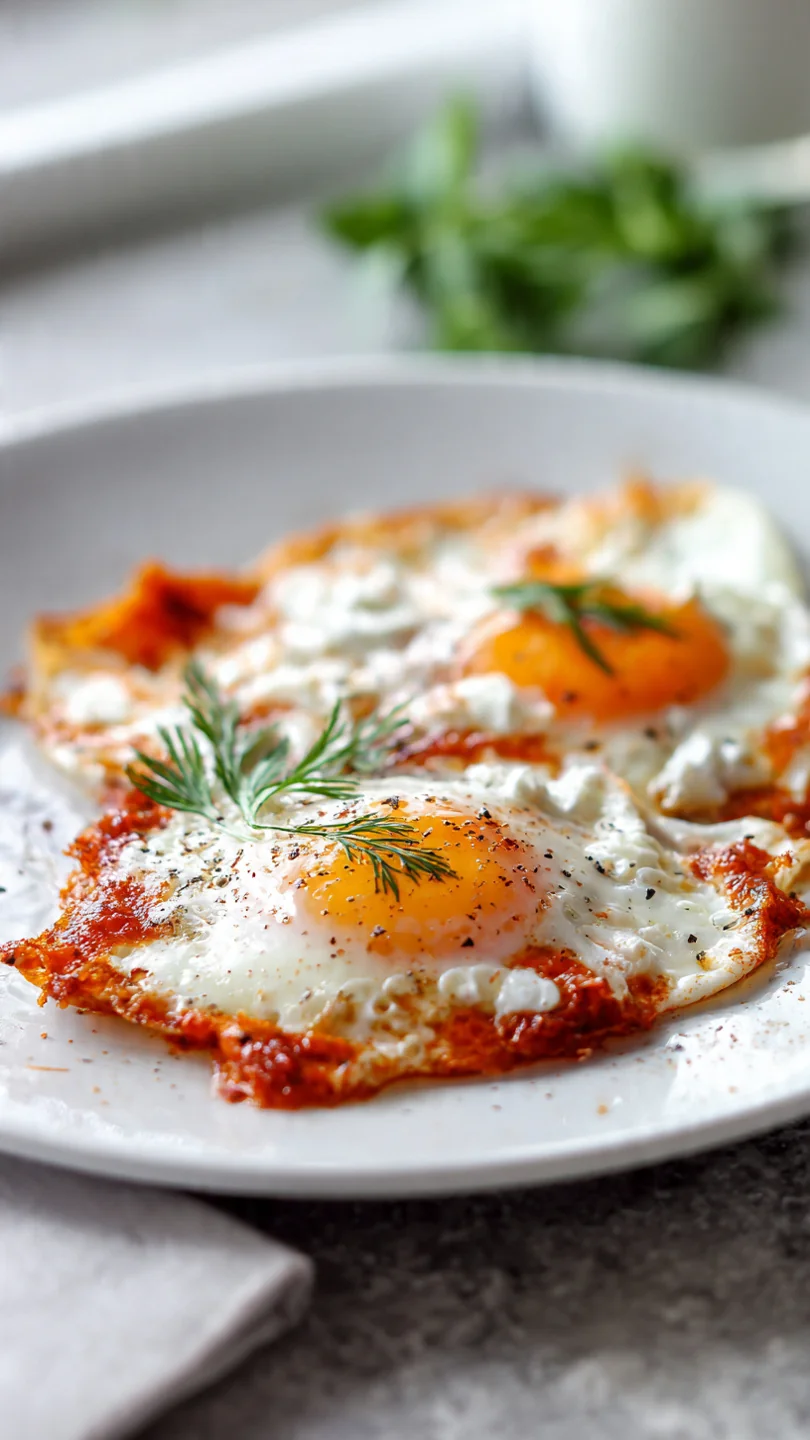
Imagine an egg so transformed by time and gentle heat that its white becomes creamy and its yolk turns to a velvety, spreadable consistency, all wrapped in a shell stained a deep, earthy brown. This isn’t magic; it’s the alchemy of Huevos Haminados, a cornerstone of Sephardic Jewish cuisine. Traditionally prepared before Shabbat to simmer overnight, these eggs are a lesson in patience and the profound flavor that develops from the simplest ingredients.
As a chef, I’m fascinated by how this method fundamentally changes the egg’s protein structure, yielding a result that’s unlike any boiled egg you’ve ever had. The flavor is subtly savory, infused with the essence of onion skins and a hint of coffee, making them a uniquely satisfying and conversation-starting dish perfect for a leisurely weekend breakfast or a special appetizer.
This recipe delivers a truly special culinary experience with minimal hands-on effort.
- Uniquely Creamy Texture: The 12+ hour slow cook breaks down the egg proteins gently, resulting in a tender, almost custard-like white and a velvety, spreadable yolk.
- Hands-Off Cooking: Once you bring it to a boil and turn it down, the recipe cooks itself overnight, making it perfect for busy schedules or Shabbat preparation.
- Deep, Complex Flavor: The onion skins and coffee grounds impart a subtle, savory, and earthy flavor that permeates the egg, far beyond a standard hard-boil.
- Naturally Beautiful: The eggs develop a gorgeous, marbled tan color after peeling, making them a stunning addition to any platter.
- Diet-Friendly & Wholesome: This recipe is naturally gluten-free, dairy-free, and high in protein, fitting into many dietary lifestyles.
- Cultural Connection: You’re participating in a centuries-old Sephardic Jewish tradition, bringing history and flavor to your table.
Ingredients You’ll Need
- Let’s gather our ingredients—this is where humble pantry staples perform a quiet miracle. The beauty of Huevos Haminados lies in this short list. You’re not just cooking eggs; you’re creating a dye bath and flavor infusion that works its magic over many hours.
- Eggs: Six large eggs. A pro tip: slightly older eggs (1-2 weeks) peel more easily than super-fresh ones. Let them come to room temperature for 30 minutes to prevent cracking.
- Yellow Onion Skins: Two packed cups of the papery, dry outer skins only. Save these in a bag in your freezer as you cook! They provide the classic golden-brown color and a sweet, oniony essence.
- Coffee Grounds: Two tablespoons, used grounds are perfectly fine. This is my tested addition for depth; it contributes to the rich color and adds a background note that complements the onion.
- Olive Oil: Two tablespoons, optional but recommended. A bit of fat in the water helps carry flavors and gives the finished eggs a lovely sheen.
- Black Peppercorns: One teaspoon, whole. They offer a gentle aromatic spice.
- Salt: One teaspoon in the pot, plus more flaky salt for serving. Seasoning the water is key.
- Water: Eight cups, or enough to cover the eggs by a good inch. Always start with cold water for even cooking.
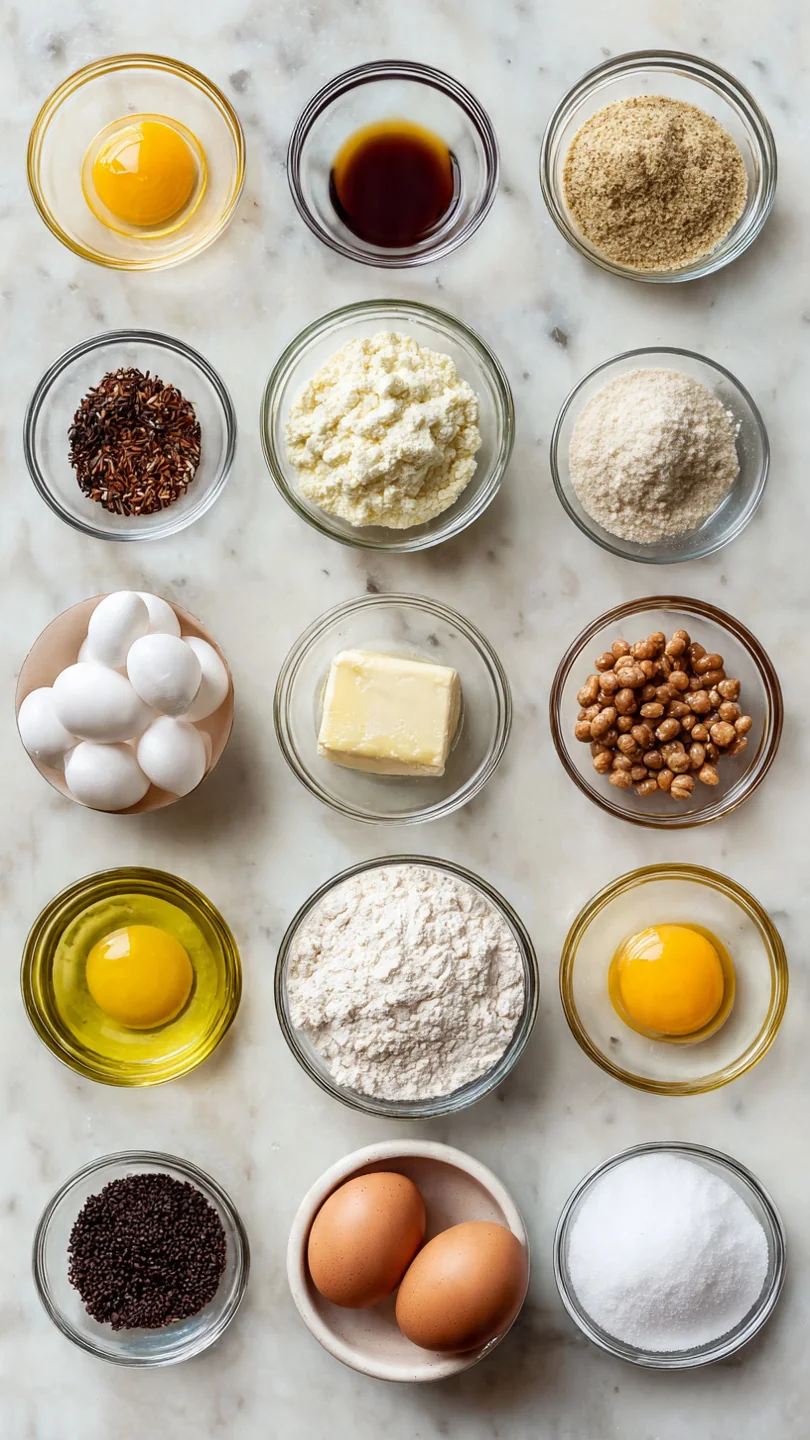
Note: You’ll find the complete list of ingredients, along with their exact measurements, in the printable recipe card at the bottom of this post.
Kitchen Equipment Needed
You likely have everything you need already. The most important piece is a pot that can maintain a very low, steady heat.
- A Heavy-Bottomed Pot or Dutch Oven: A medium-sized pot (about 4-5 quarts) with a thick base is essential. It distributes heat evenly and prevents scorching during the long cook. A tight-fitting lid is non-negotiable.
- Slotted Spoon: For gently retrieving the hot eggs from the pot without making a mess.
- Measuring Cups/Spoons: For the onion skins and seasonings.
How to Make Huevos Haminados Recipe
Step 1: Assemble the Pot
Gently place your eggs in a single layer at the bottom of your pot. There’s no need to be delicate, but avoid dropping them. Scatter the onion skins, coffee grounds, olive oil, peppercorns, and salt over and around the eggs like a nest.
Now, pour in the cold water until the eggs are covered by at least one full inch. Starting cold is a chef’s trick for even cooking from shell to yolk.
Step 2: The Crucial Boil & Simmer
Place the uncovered pot over high heat and bring the liquid to a full, rolling boil. This initial high heat is critical—it quickly sets the outer layer of the egg white, sealing it and preventing cracks later. The moment you see a vigorous boil, immediately reduce the heat to the absolute lowest setting your stove can maintain.
You should see just a few tiny bubbles rising to the surface every few seconds.
Step 3: The Long, Slow Cook
Cover the pot tightly with its lid. This is where you walk away. Let the eggs cook undisturbed for a minimum of 12 hours, and for the best, creamiest results, aim for 14 to 16 hours.
Believe me, the difference between 8 hours and 14 hours is profound. The proteins unwind and re-coagulate gently, transforming the texture entirely. You can start this before bed for a weekend breakfast.
Step 4: Peel to Reveal
After the long cook, use a slotted spoon to carefully lift the eggs from the now-dark, fragrant liquid. Let them cool just until you can handle them. Tip from me: gently tap each egg on the counter and roll it to create a web of cracks all over.
The shells, now a deep mahogany brown, will be surprisingly easy to peel.
Step 5: Serve and Enjoy
Peel the eggs under a trickle of cool water; the shells should slip off to reveal the beautiful, creamy, tan-colored egg underneath. Slice them in half to showcase the velvety yolk, sprinkle generously with flaky sea salt, and serve. Step back and admire your handiwork—the unique color and texture are your reward for patience.
A few chef-level insights will ensure your Huevos Haminados are perfect every time.
- Low and Slow is Law: The success of this recipe hinges on the lowest possible simmer. If your stove runs hot, use a heat diffuser. A vigorous simmer will make the eggs rubbery.
- Onion Skin Source: Don’t have enough skins? Ask your local grocer’s produce department—they often have buckets of them and are usually happy to give you a bag.
- The Flavor Bath: Don’t discard the cooking liquid after one use! You can replenish the water, salt, and aromatics and reuse it for another batch. This “master broth” deepens in flavor over time.
- Peeling Perfection: If an egg is stubborn, peel it under a bowl of water. The water helps get between the shell and the membrane.
- Testing for Doneness: After 12+ hours, the eggs are always fully cooked. The variable is texture. For a firmer, still-creamy yolk, stick to 12 hours. For a spreadable, custard-like yolk, go for 16-18.
Recipe Variations
- Once you’ve mastered the classic method, try these delicious twists. Each has been tested in my kitchen.
- Sephardic Classic: Add a couple of whole, unpeeled garlic cloves and a bay leaf to the pot for an aromatic, traditional touch.
- Tea-Smoked Variation: Replace the coffee grounds with 2 tablespoons of loose black tea leaves (like Assam or English Breakfast) for a different, slightly smoky flavor profile.
- Spicy Harissa Style: Add 1 tablespoon of harissa paste or 1 teaspoon of smoked paprika to the pot for a warm, North African-inspired kick.
- Citrus & Herb: Add the peel of one orange (in large strips, pith removed) and a few sprigs of fresh thyme to the cooking liquid for a bright, fragrant note.
- Soy-Sauce Glaze: For an umami-rich finish, peel the warm eggs and roll them in a mixture of 1 tbsp soy sauce and 1 tsp sesame oil before serving.
What to Serve With This Recipe
Huevos Haminados are incredibly versatile. Their rich, savory flavor makes them a standout component rather than just a side.
Serve them halved or quartered on a mezze platter alongside olives, feta, hummus, and sliced vegetables. They are a traditional component of the Shabbat lunch table, perfect with challah, a simple green salad, and slow-cooked dishes like cholent. For a hearty breakfast, slice them over avocado toast with a sprinkle of za’atar.
They also make a phenomenal egg salad—mash them with a little mayo, Dijon, and fresh dill. Pair with a crisp white wine, mint tea, or strong black coffee.
Storage & Make-Ahead Instructions
- This is the ultimate make-ahead recipe. The long cook time is built-in prep!
- Refrigeration: Store peeled or unpeeled eggs in a sealed container in the refrigerator for up to 5 days. The flavor actually deepens slightly when chilled.
- Make-Ahead Strategy: Cook the eggs overnight on a Thursday or Friday. Peel them, store them in the fridge, and they are ready to grace your Shabbat table or weekend brunch with zero day-of work.
- Freezing: I do not recommend freezing the cooked eggs, as the texture of the white becomes unpleasantly rubbery upon thawing.
- Reheating: If you prefer them warm, place peeled eggs in a heatproof bowl and cover with hot tap water for 5-10 minutes. Do not microwave, as they can explode.
Frequently Asked Questions
Q: Can I use white onion skins or red onion skins?
A: You can, but the color will be different. Yellow onion skins give the classic golden-brown hue. Red onion skins will produce a more reddish-purple egg, which is also beautiful but less traditional.
Q: My eggs cracked during cooking. What happened?
A: This usually means the water came to too rapid a boil initially, or the eggs were too cold when added to hot water. Ensure you start with cold water and eggs, and reduce the heat immediately once boiling.
Q: Is it safe to leave a pot on the stove overnight?
A: When done correctly—on the lowest possible heat setting with a heavy, stable pot—it is a time-honored method. Always ensure the pot is not near any flammable materials and that your stove is in good working order. If you’re uncomfortable with this, a slow cooker on the “Low” or “Warm” setting for 12 hours is a great alternative.
Q: The yolks of my eggs are grey/green. Did I overcook them?
A: Not at all! That coloration is a harmless chemical reaction between the iron in the yolk and sulfur in the white, which is more pronounced with long cooking. It does not affect flavor or safety.
The texture should still be creamy.
Q: Can I make this without onion skins or coffee?
A: The onion skins are traditional for color and flavor. Without them, you’ll have standard hard-boiled eggs. You can omit the coffee, but the color will be lighter.
For color, you could use a tablespoon of paprika as an alternative.
Q: How do I know the eggs are done after so many hours?
A: After 12 hours at a true low simmer, the eggs are always fully cooked through from a food safety perspective. “Done” here refers to your preferred texture. Shorter time = firmer yolk, longer time = creamier, spreadable yolk.
Q: Can I reuse the cooking liquid?
A: Absolutely! Strain it, store it in the fridge for up to a week, and reuse it for your next batch. Just top up with water and a pinch of salt.
It becomes a flavor-packed “master broth.”
Final Thoughts
Huevos Haminados are more than a recipe; they’re an edible lesson in the beauty of slow food. In our fast-paced world, the act of letting something transform over many hours with simple, natural ingredients is deeply satisfying. The result—a uniquely creamy, flavorful egg—never fails to impress and delight anyone who tries it.
It connects us to a rich culinary tradition with minimal effort on our part. I encourage you to embrace the slow process. Save your onion skins, set up the pot before bed, and wake up to a kitchen filled with a warm, comforting aroma and a breakfast that feels truly special.
Give this recipe a try, and please share your results and any creative variations you come up with. Happy, slow cooking
Sephardic Jewish-Style Eggs (Huevos Haminados)
Equipment
- Medium to large heavy-bottomed pot or Dutch oven with a tight-fitting lid
- Slotted spoon
- Measuring cups and spoons
Ingredients
- 6 large eggs Use older eggs for easier peeling; room temperature is best.
- 2 cups, packed yellow onion skins The papery outer skins only, from about 4-5 large onions.
- 2 tablespoons coffee grounds Used grounds are fine; adds depth of color and flavor.
- 2 tablespoons olive oil Optional, but helps create a richer cooking liquid.
- 1 teaspoon black peppercorns Whole, for subtle spice.
- 1 teaspoon salt Plus more for serving.
- 8 cups water Enough to cover the eggs by at least an inch.
Instructions
- Gently place the eggs in a single layer at the bottom of a medium-sized, heavy-bottomed pot or Dutch oven. Scatter the onion skins, coffee grounds, olive oil (if using), peppercorns, and salt evenly over and around the eggs. Pour in the cold water until the eggs are submerged by at least one inch of liquid.
- Place the pot, uncovered, over high heat and bring the liquid to a rolling boil. This initial boil is crucial for setting the egg whites. Once boiling vigorously, immediately reduce the heat to the lowest possible setting your stove can maintain. A true low simmer is the goal.
- Cover the pot tightly with its lid. Let the eggs cook undisturbed for a minimum of 12 hours, and up to 18 hours for the deepest color and flavor. Trust me, the long, gentle heat is what transforms the texture. You can do this overnight or throughout the day.
- After the long cook, carefully remove the eggs from the pot with a slotted spoon. Let them cool just until you can handle them, about 5-10 minutes. Gently tap each egg on the counter and roll it to crack the shell all over. The shells will be stained a deep mahogany brown.
- Peel the eggs under cool running water; the shells should slip off easily, revealing the beautiful, creamy, tan-colored egg underneath. Slice in half, sprinkle with a pinch of flaky salt, and serve warm or at room temperature. Step back and admire your creation!