
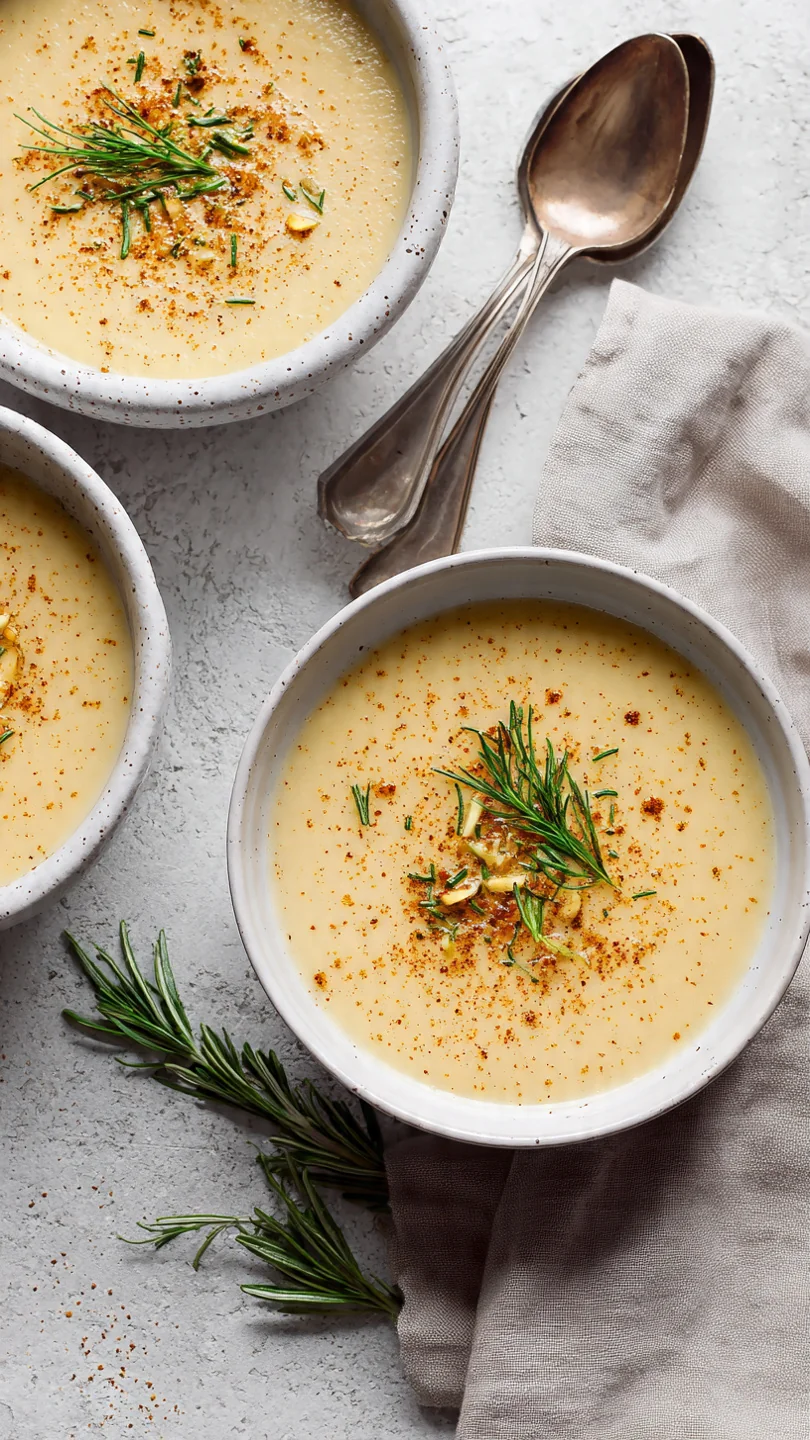
There’s a particular magic that happens when humble root vegetables meet the dry heat of an oven. Their sugars concentrate, their edges caramelize, and their flavor transforms from simple to spectacular. This spiced roasted parsnip soup captures that magic in a bowl.
It’s the kind of recipe that turns a chilly evening into a cozy occasion, delivering a velvety, rich texture and a complex flavor profile that belies its simple ingredient list. If you think you know parsnips, roasting them with a blend of warm spices before puréeing will be a revelation.
This soup is a testament to how technique elevates ingredients. Here’s why it’s a keeper:
- Deep, Caramelized Flavor: Roasting the parsnips and onions unlocks their natural sweetness and adds a nutty, complex depth you can’t achieve by boiling alone.
- Velvety, Luxurious Texture: Blending the roasted vegetables creates an incredibly smooth and creamy soup without needing excessive amounts of cream or butter.
- Warm & Comforting Spice: The blend of cumin, coriander, and smoked paprika adds a gentle, warming background note that perfectly complements the parsnip’s earthiness.
- Meal-Prep Friendly: It makes excellent leftovers, tastes even better the next day, and freezes beautifully for future easy meals.
- Diet-Flexible: Naturally gluten-free and easily made vegan by using coconut milk instead of cream.
- Simple & Elegant: It feels special enough for a dinner party but is straightforward enough for a relaxed weeknight.
Ingredients You’ll Need
- Let’s gather our ingredients. This recipe is a beautiful example of pantry staples creating something extraordinary. The key is choosing fresh, firm parsnips—look for medium-sized ones without soft spots or extensive woody cores.
- Parsnips: 1.5 pounds, peeled and chopped. They are the sweet, earthy star of the show.
- Yellow Onion & Garlic: These aromatics roast alongside the parsnips, mellowing and sweetening in the oven.
- Olive Oil: For roasting; it helps conduct heat and encourages browning.
- Ground Cumin & Coriander: These warm spices are the perfect bridge for the parsnip’s flavor.
- Smoked Paprika: Just a half-teaspoon adds a subtle smokiness that rounds out the spice profile.
- Vegetable Broth: Use a good-quality, low-sodium broth so you can control the seasoning.
- Heavy Cream or Coconut Milk: For final richness and silkiness. Coconut milk adds a lovely, dairy-free dimension.
- Maple Syrup: A touch is optional but brilliant for balancing any lingering earthy bitterness.
- Salt & Black Pepper: Essential for seasoning every layer.
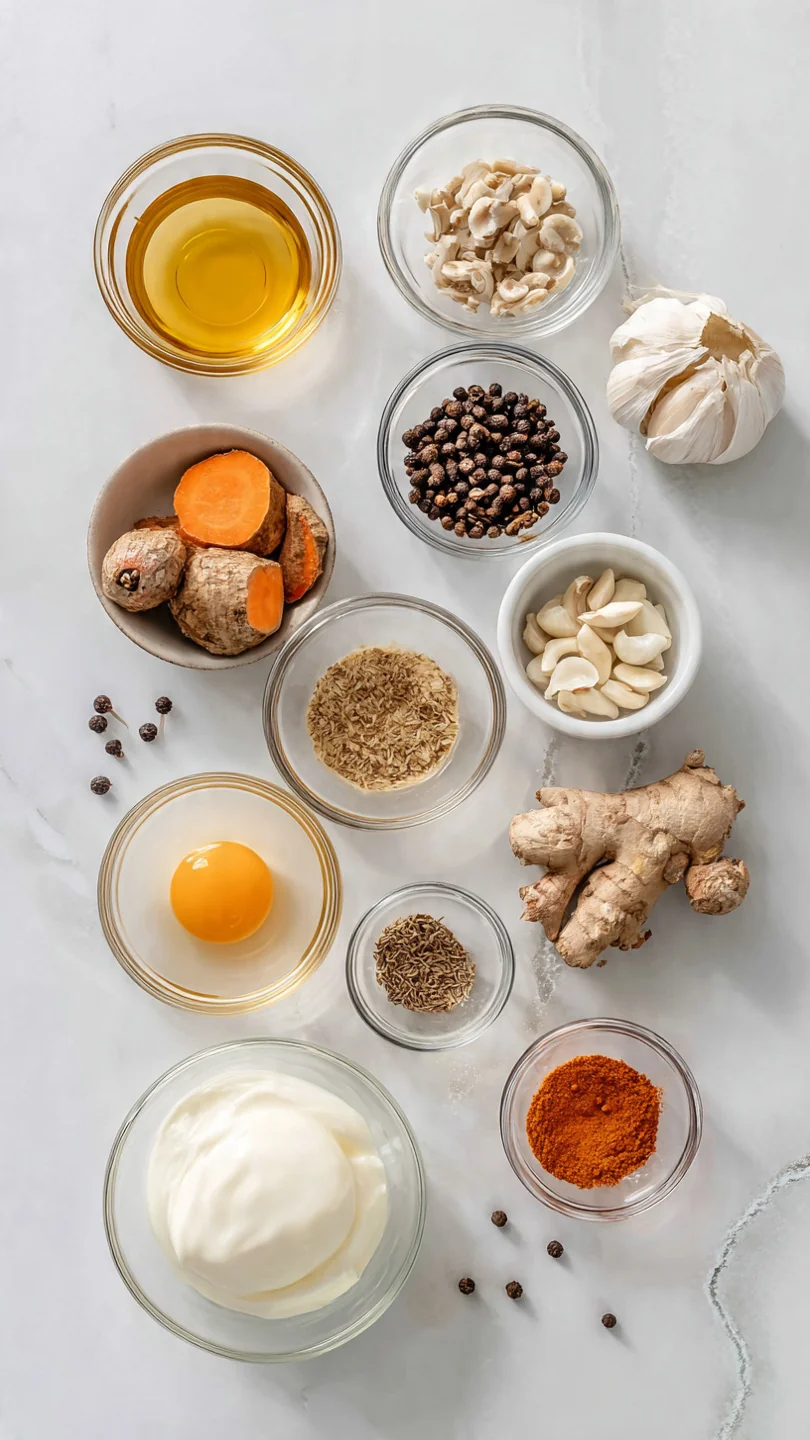
Note: You’ll find the complete list of ingredients, along with their exact measurements, in the printable recipe card at the bottom of this post.
Kitchen Equipment Needed
You don’t need any specialty gear for this recipe. The essentials are:
- A large, rimmed baking sheet for roasting. Giving the vegetables plenty of space ensures they brown instead of steam.
- A large pot or Dutch oven for simmering the soup.
- An immersion blender is my top recommendation for easiest, safest blending directly in the pot. A countertop blender works perfectly too—just blend in batches and be cautious with the hot liquid.
- A good chef’s knife for prepping the vegetables.
How to Make Spiced Roasted Parsnip Soup Recipe
Step 1: Roast the Vegetables
Preheat your oven to 400°F (200°C). On your baking sheet, toss the parsnips, onion, and garlic with the oil, spices, salt, and pepper. Spread them in a single layer—this is non-negotiable for proper roasting.
Believe me, crowding the pan will steam them. Roast for 30-35 minutes, giving them a good toss halfway through. You’re looking for tender parsnips with deep golden-brown, caramelized edges.
This step builds the entire flavor foundation.
Step 2: Simmer with Broth
Transfer the beautifully roasted vegetables to your large pot. Pour in the vegetable broth. Bring everything to a lively simmer over medium-high heat, then reduce the heat to let it bubble gently for about 10 minutes.
This simmering time is crucial. It allows the roasted flavors to infuse the broth and ensures every piece of vegetable is fall-apart tender, ready for a silky-smooth blend.
Step 3: Blend Until Silky Smooth
Now for the transformation. Using an immersion blender, purée the soup directly in the pot until it’s perfectly smooth. Tip from me: move the blender up and down to create a vortex and eliminate any lumps.
If using a countertop blender, work in batches, filling it no more than halfway, and always hold the lid down firmly with a kitchen towel. Hot soup expands and can cause dangerous blow-outs.
Step 4: Finish and Season
Stir in your cream (or coconut milk) and the optional maple syrup. Now, taste. This is the most important chef’s moment.
Season generously with additional salt and pepper. Trust me, seasoning at the end, after all components are combined, is the secret to a perfectly balanced soup. The right amount of salt will make the sweet, earthy, and spicy notes truly sing.
Let it heat through for another 5 minutes.
Step 5: Garnish and Serve
Ladle the hot, velvety soup into warm bowls. Step back and admire its beautiful color. The fun part is the garnish: a drizzle of cream, a sprinkle of fresh parsley or chives, and a handful of crunchy toasted pepitas add wonderful texture and visual appeal.
Serve it immediately with thick, crusty bread for the ultimate cozy experience.
A few insights from the professional kitchen will guarantee your best results:
- Uniform Cutting: Cut your parsnips into similarly sized chunks (about 1-inch). This ensures they roast evenly, so you don’t have some pieces burnt and others undercooked.
- Don’t Skimp on Browning: The roasted color equals flavor. If your parsnips aren’t sporting some dark golden spots after 35 minutes, let them go another 5-10 minutes. That caramelization is non-negotiable for depth.
- Acid is Your Friend: If the soup tastes a bit flat after seasoning, a tiny squeeze of fresh lemon juice can brighten all the flavors. Add it just a few drops at a time.
- Texture Control: For an ultra-luxurious, restaurant-style texture, you can pass the blended soup through a fine-mesh sieve. It’s an extra step, but it guarantees absolute silkiness.
- Spice Toast: For even more vibrant spice flavor, you can toast the ground cumin and coriander in a dry pan for 30 seconds before tossing with the vegetables.
Recipe Variations
- This soup is a wonderful canvas for creativity. Here are some tested variations:
- Apple & Parsnip: Add 1-2 peeled, chopped apples to the roasting pan. The apple’s acidity and sweetness pair beautifully with the parsnips.
- Curried Parsnip Soup: Replace the cumin and coriander with 1.5 tablespoons of your favorite curry powder for a more pronounced, aromatic spice profile.
- Ginger & Turmeric: Add a 1-inch knob of fresh ginger (peeled) to the roasting pan and 1 tsp ground turmeric to the spices for an anti-inflammatory boost.
- Roasted Garlic Lover’s: Add an entire head of garlic, top sliced off and drizzled with oil, to the roasting sheet. Squeeze the soft, sweet cloves into the soup before blending.
- Protein-Powered: Stir in a can of rinsed white beans or chickpeas before blending for a heartier, fiber-rich soup with more protein.
- Herb-Infused: Add a few sprigs of fresh thyme or rosemary to the roasting pan. Remove the woody stems before blending.
What to Serve With This Recipe
This soup is substantial enough to be a light main course but also makes an elegant starter. For a complete meal, pair it with:
- A simple arugula salad with a sharp lemon vinaigrette to cut through the soup’s richness.
- A classic grilled cheese sandwich, especially with sharp cheddar or Gruyère.
- For a gluten-free option, serve with socca (chickpea flatbread) or simple seed crackers.
- A crisp, dry white wine like Sauvignon Blanc or a light-bodied Pinot Noir works well. For a non-alcoholic pairing, try sparkling water with a twist of lemon or a ginger beer.
Storage & Make-Ahead Instructions
- This soup is a meal-prep dream.
- Refrigerator: Cool completely and store in an airtight container for up to 4 days. The flavors often improve overnight.
- Freezer: Freeze in portion-sized containers for up to 3 months. Leave about an inch of headspace for expansion. Thaw overnight in the refrigerator.
- Reheating: Gently reheat on the stove over medium-low heat, stirring occasionally. If it has thickened in the fridge, thin it with a splash of broth or water. Avoid boiling vigorously after adding cream.
- Make-Ahead: You can roast the vegetables up to 2 days in advance. Store them covered in the fridge, then proceed with simmering and blending on the day you plan to serve.
Frequently Asked Questions
Q: Can I use milk instead of heavy cream?
A: You can, but the soup will be less rich and creamy. Whole milk or half-and-half are okay substitutes, but be careful not to let the soup boil after adding them to prevent curdling. For the best texture, heavy cream or full-fat coconut milk are recommended.
Q: My soup tastes a bit bitter. What happened?
A: Parsnips can sometimes have a slightly bitter, earthy core, especially if they are very large. The roasting and caramelization should minimize this. If bitterness remains, the maple syrup or honey is there to balance it.
Adding a pinch more salt or a squeeze of lemon juice can also help counteract bitterness.
Q: Can I make this soup in an Instant Pot or slow cooker?
A: For the Instant Pot, you can sauté the spices in oil, then add all ingredients (except cream) and pressure cook on high for 10 minutes. However, you’ll miss the deep flavor from roasting. For a slow cooker, add all ingredients (except cream) and cook on low for 6-8 hours, then blend.
Q: How do I know when the parsnips are perfectly roasted?
A: They should be easily pierced with a fork and have significant browning and caramelization on the edges and bottoms. A little bit of char is good for flavor.
Q: Is it necessary to peel the parsnips?
A: Yes, I recommend it. The skin can be tough and sometimes bitter. Peeling ensures the smoothest final texture and purest flavor.
Q: Can I use pre-cut or frozen parsnips?
A: Fresh, whole parsnips are best. Pre-cut may dry out, and frozen parsnips will release too much water, preventing proper caramelization during roasting.
Q: My soup is too thick. How can I thin it?
A: Simply add more vegetable broth, water, or even a bit of extra cream, a splash at a time, until you reach your desired consistency. Reheat gently after adjusting.
Final Thoughts
This spiced roasted parsnip soup is more than just a recipe; it’s a lesson in how a simple technique can transform an ingredient. It celebrates the humble parsnip, turning it into a luxurious, deeply satisfying dish that warms you from the inside out. It’s forgiving, adaptable, and consistently delicious—exactly what a great home cooking recipe should be.
I hope it becomes a cherished part of your cold-weather rotation. Once you try it, you’ll understand why roasting is the non-negotiable first step. Give it a try this week, and don’t forget to garnish with something crunchy for that perfect textural contrast.
Enjoy every comforting spoonful

Spiced Roasted Parsnip Soup
Equipment
- Large rimmed baking sheet
- Large pot or Dutch oven
- Immersion blender or countertop blender
- Chef’s knife and cutting board
Ingredients
- 1.5 lbs parsnips peeled and cut into 1-inch chunks
- 1 large yellow onion roughly chopped
- 3 cloves garlic peeled
- 1 tbsp olive oil plus more for drizzling
- 1 tsp ground cumin
- 1 tsp ground coriander
- 0.5 tsp smoked paprika
- 4 cups vegetable broth low-sodium recommended
- 0.5 cup heavy cream or coconut milk for dairy-free option
- 1 tbsp maple syrup or honey optional, to balance earthiness
- to taste salt and black pepper
- for garnish fresh parsley or chives, toasted pepitas, extra cream
Instructions
- Preheat your oven to 400°F (200°C). On a large, rimmed baking sheet, toss the parsnips, onion, and garlic cloves with the olive oil, cumin, coriander, smoked paprika, 1 tsp salt, and ½ tsp black pepper. Spread in a single layer. Roast for 30-35 minutes, tossing halfway, until the parsnips are deeply golden brown and tender. This caramelization is the flavor foundation of your soup—don’t rush it.
- Transfer the roasted vegetables to a large pot or Dutch oven. Add the vegetable broth. Bring to a simmer over medium-high heat, then reduce heat and let it bubble gently for 10 minutes. This allows the flavors to meld and the vegetables to become completely soft for blending.
- Carefully blend the soup until perfectly smooth. Trust me, an immersion blender right in the pot is easiest here. If using a countertop blender, work in batches, never filling more than halfway, and hold the lid down with a towel. The goal is a velvety, lump-free texture.
- Stir in the heavy cream (or coconut milk) and the maple syrup, if using. Taste the soup—this is the most important step. Season generously with additional salt and pepper. Tip from me: The right amount of salt will make the sweet, earthy, and spicy notes sing. Simmer for another 5 minutes to heat through.
- Ladle the hot soup into bowls. Now for the fun part: garnish. A swirl of cream, a sprinkle of fresh herbs, and some crunchy toasted pepitas add beautiful contrast. Serve immediately with thick slices of crusty bread for dipping.