
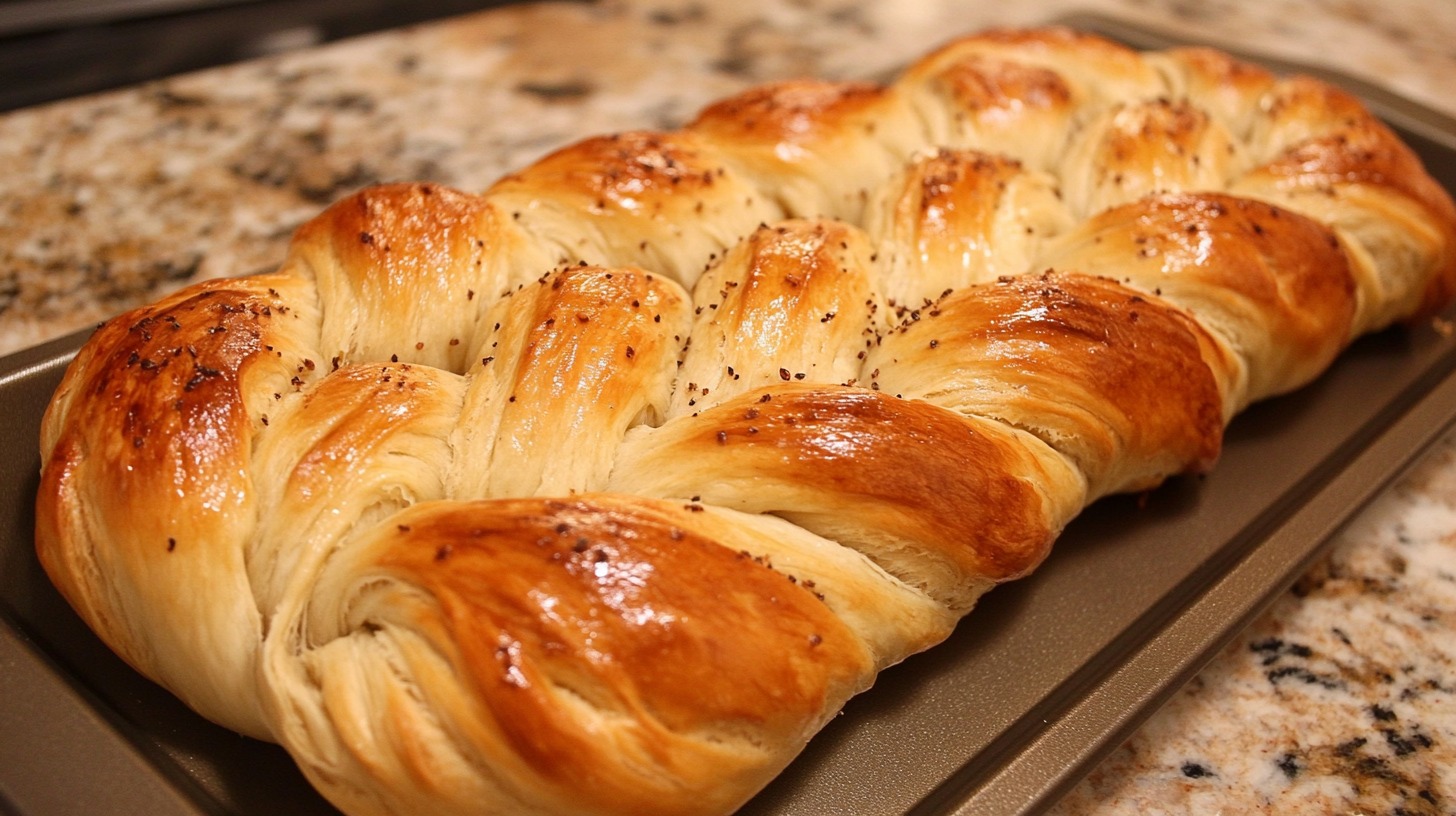
Introduction to Challah Braiding and Its Challenges
When you embark on the journey of making challah, the beautifully braided bread that adorns many dinner tables, it can be quite disheartening to see the braids disappear during the baking process. What exactly does it mean when challah braids lose their shape? This article explores the common issues that can lead to this frustrating outcome, providing practical advice and troubleshooting tips from dough preparation to the final bake. Whether you are a seasoned baker or just beginning, gaining an understanding of these factors can significantly enhance your challah-making experience.
Overview of Challah Bread
Challah is more than just bread; it’s a staple with deep cultural and religious significance. This egg-enriched bread is traditionally served during Jewish Sabbath and holidays. However, achieving the perfect challah involves more than following a recipe—it’s about mastering the art of dough handling, braiding, and baking.
Techniques for Braiding Challah
Braiding challah isn’t just for looks; it’s a skill that affects the texture and the quality of your bread. Here’s how to get it right:
- Three-Strand Braid: The most common and simplest form. You braid it just like hair, crossing the right over to the middle, then the left over to the middle, and repeat.
- Four-Strand Braid: A bit trickier, this involves crossing strands over each other in a specific pattern to create a more intricate design.
- Six-Strand Braid: For a truly impressive loaf, the six-strand braid is complex but beautiful, weaving strands in a repeating sequence that requires patience and practice.
Getting Your Braid to Hold
So, you’ve mastered the braid, but how do you make sure it holds during baking? Here are a few pointers:
- Dough Consistency: It’s crucial. The dough should be firm enough to hold its shape but soft enough to allow for expansion. A high-gluten flour is ideal as it gives the dough strength and elasticity.
- Tight Braiding: While you don’t want to over-tighten and tear the dough, a snug braid helps maintain the definition as the dough rises and bakes.
- Proofing Environment: Yeast thrives in a warm, moist environment. Ensuring your proofing environment is optimal can mean the difference between a well-defined braid and a blurred mess.
Common Issues with Challah Braids
Challah Braids Losing Definition
Ever noticed how sometimes, despite your best efforts, your challah braids just seem to merge together during baking? Let’s dive into why this happens and how you can prevent it.
Impact of Ingredients and Dough Consistency
The right ingredients make all the difference. Here’s the scoop:
- High-Gluten Flour: This is your best friend for challah. It strengthens the dough, allowing the braids to hold their shape as they bake.
- Dough Consistency: A well-kneaded dough should be smooth and elastic. If it’s too sticky or slack, the braids won’t hold up. Likewise, a too-stiff dough can hinder yeast activity and prevent proper expansion.
Environmental Factors
Yes, even your kitchen’s environment plays a role:
- Temperature and Humidity: Challah dough prefers a warm spot with gentle humidity. Too much heat, and the yeast will work overtime, causing overproofing and thus, a braid blowout.
- Consistent Proofing Conditions: Try to keep your proofing environment as stable as possible. Fluctuations in temperature or humidity can affect the yeast’s behavior and your dough’s performance.
Yeast and Fermentation
Yeast is the invisible hero of bread making, but it can also be a bit of a wildcard:
- Sourdough vs. Commercial Yeast: Sourdough can create beautiful, flavorful challah with a tender crumb, but it’s less predictable. Commercial yeast, on the other hand, offers more control and consistent results.
- Fermentation Time: Too long in the proofing basket, and your dough will lose its definition. Keeping an eye on the dough, not just the clock, ensures you catch it at its peak.
Troubleshooting Challah Braid Issues
Practical Tips to Maintain Braid Definition
Frustrated with challah braids that just don’t seem to keep their shape? Let’s tackle some solutions that can turn those frustrations into triumphs.
Techniques for Tighter Braiding
First things first, braiding tightly is crucial but tricky. Here are a few tricks:
- Practice the Right Tension: Not too loose, not too tight. It’s a balancing act that ensures each strand holds together without squeezing out the gases that make your bread light and airy.
- Secure the Ends Well: Pinch and tuck the ends of your braids firmly. This prevents them from unraveling and becoming messy during the rise and bake.
Adjustments to Proofing Time and Conditions
Timing and environment are everything:
- Watch the Clock and the Dough: Start checking your dough for readiness ahead of time. Don’t just go by the clock; look at the dough’s size and feel.
- Stable Proofing Environment: Keep your proofing area free from drafts and sudden temperature changes. Consistency is key to predictable yeast activity.
Advanced braiding techniques and variations are up next. These methods can add visual appeal and sophistication to your challah, making it not only delicious but also a feast for the eyes. Stay tuned for creative twists in the following section.
Advanced Techniques and Variations
Innovative Braiding Techniques
Ready to take your challah to the next level? Here’s how you can add a twist of creativity to your braids:
Creative and Less Known Braiding Styles
- Turban Twist: Roll your dough into a long rope, then twist it into a spiral for a stunning turban-like effect.
- Ladder Braid: Cross thin strands over each other as if weaving a ladder. This intricate pattern is sure to impress.
Incorporating Multiple Colors or Fillings
Add some color or sweetness:
- Colorful Dough: Use natural food colorings like beet juice for red or spinach for green to knead into separate dough portions. Braid these colored strands into your challah for a vibrant twist.
- Sweet or Savory Fillings: Before braiding, lay thin strips of fillings like cinnamon sugar, chocolate, or pesto along the center of your strands. Roll them up and then braid for a tasty surprise inside.
With these advanced techniques, your challah won’t just taste good—it’ll look extraordinary! But remember, the real magic happens when you blend tradition with innovation, ensuring each loaf is as unique as the baker who makes it. Next up, we’ll gather some expert advice and wisdom from seasoned challah bakers to help refine your skills even further. Keep rolling and braiding; there’s more to learn!
Expert Advice and Community Wisdom
Insights from Professional Bakers
Curious about what the pros say? Here’s some golden advice from expert challah bakers.
Advice from Seasoned Challah Bakers
- Consistency Is Key: Keep your recipe and technique consistent to understand what changes improve your challah.
- Experiment with Flour Types: Different flours can significantly affect the texture of your challah. Don’t be afraid to mix and match!
Common Pitfalls and How to Avoid Them
Watch out for these common mistakes:
- Overproofing the Dough: This can lead to challah that collapses or loses its braid. Keep a close eye on your proofing time.
- Ignoring Dough Temperature: The temperature of your dough plays a critical role in how yeast behaves. Ensure your ingredients are at room temperature unless specified otherwise.
By applying these pieces of wisdom, you’re well on your way to perfecting your challah baking technique. Always remember, baking is as much an art as it is a science—each batch teaches you something new. Now, let’s wrap this up with some frequently asked questions that might clear up any lingering doubts. Stay tuned, we’re almost at the finish line!
Reflections: Learning from Challah Baking
Embracing the Journey of Baking Challah
Baking challah is more than just following a recipe; it’s an engaging journey of craftsmanship and tradition. As we reflect on the challenges, like when challah braids lose their shape, and the triumphs in achieving the perfect loaf, here are some final thoughts to inspire your baking:
- Patience and Persistence: Each batch of challah offers a new opportunity to learn and perfect your technique. Don’t be discouraged by setbacks, such as when challah braids lose definition; instead, use them as stepping stones to mastery.
- Community and Sharing: Baking challah is deeply rooted in community and tradition. Share your experiences, seek advice, and exchange tips with fellow bakers. This communal learning enriches the experience and deepens connections.
- Creativity and Innovation: Don’t be afraid to experiment with new flavors, fillings, and braiding techniques. Each variation adds a personal touch and keeps the tradition alive and exciting.
By keeping these reflective insights in mind, you continue to grow not just as a baker, but as an artisan committed to the craft of challah. Each loaf is a testament to the love and effort you put into it, so take pride in your work and enjoy the delicious rewards.
Troubleshooting Guide: When Challah Braids Lose Their Shape
Pinpointing the Causes and Solutions
The moment when challah braids lose their form can be disheartening for any baker. This section aims to demystify the reasons behind this common issue and offer targeted solutions to help maintain the integrity of your challah braids.
- Dough Preparation: It all starts here. If challah braids lose their shape, reassess your dough’s gluten development. Under-kneaded dough lacks the necessary structure to hold braids together.
- Proofing Insights: Over-proofing is often the culprit when challah braids lose their definition. Learn to recognize the signs of perfectly proofed dough versus over-proofed dough to prevent this issue.
- Braiding Techniques: A refresher on braiding might be needed if challah braids lose their distinct lines. Tighter braiding can help, but ensure it’s not so tight that it hinders the dough’s natural expansion during baking.
- Environmental Factors: Sometimes, external conditions play a role. If challah braids lose shape, consider the humidity and temperature of your baking environment, as these can impact yeast activity and dough consistency.
By addressing these specific factors, you can enhance your baking process and minimize the chances of your challah losing its beautiful braids. Each baking session is a learning experience, so take notes, adjust, and perfect your craft!
Frequently Asked Questions
“Why did my challah lose its shape?”
That’s frustrating, right? Typically, this occurs when the dough has over-proofed. The yeast exhausts its food supply, causing the dough to collapse under its own weight. To avoid this, proof the dough until it is just doubled in size—no more.
“Why do challah braids separate?”
Separation usually happens if the braids are too loose or the dough lacks enough surface tension. When braiding, press the ends together firmly and ensure each strand is tight enough to maintain contact with its neighbors.
“How to tell when challah is done?”
Check if it’s done by tapping the bottom! A hollow sound means it’s ready. Also, the top should be a deep golden brown. If you have a cooking thermometer, the internal temperature should reach about 190°F (88°C).
“Why does challah tear?”
Tearing can occur if the outer crust forms too quickly while the inside is still expanding. To prevent this, you can cover the challah with aluminum foil midway through baking to protect the surface while allowing the inside to cook thoroughly.
By tackling these common queries, you can refine your approach and achieve better results with each baking session. Remember, each challenge is an opportunity to learn and improve. Keep experimenting, and enjoy the delicious rewards of your baking adventures!
Conclusion: Ensuring Perfect Challah Braids
Summary and Final Thoughts
As we conclude our detailed guide on why challah braids lose their definition and how to prevent it, we have thoroughly explored everything from the basics of dough preparation to advanced braiding techniques. Here’s a quick recap of the key strategies that can help ensure your challah looks as good as it tastes:
- Optimal Dough Consistency: Ensuring your dough is neither too stiff nor too slack is crucial for maintaining braid integrity.
- Proper Braiding Technique: Tight braids help prevent the dough from spreading and losing shape, but be careful not to over-tighten.
- Controlled Proofing: Watch the proofing time closely. Over-proofing is a common culprit in challah losing its form.
- Oven Readiness: Make sure your oven is fully preheated before baking to get that perfect crust and structure.
By embracing these tips and continuing to practice, your skills will undoubtedly improve, making each challah bake more successful than the last. Happy baking, and may your challah always be a beautiful centerpiece at your table!