
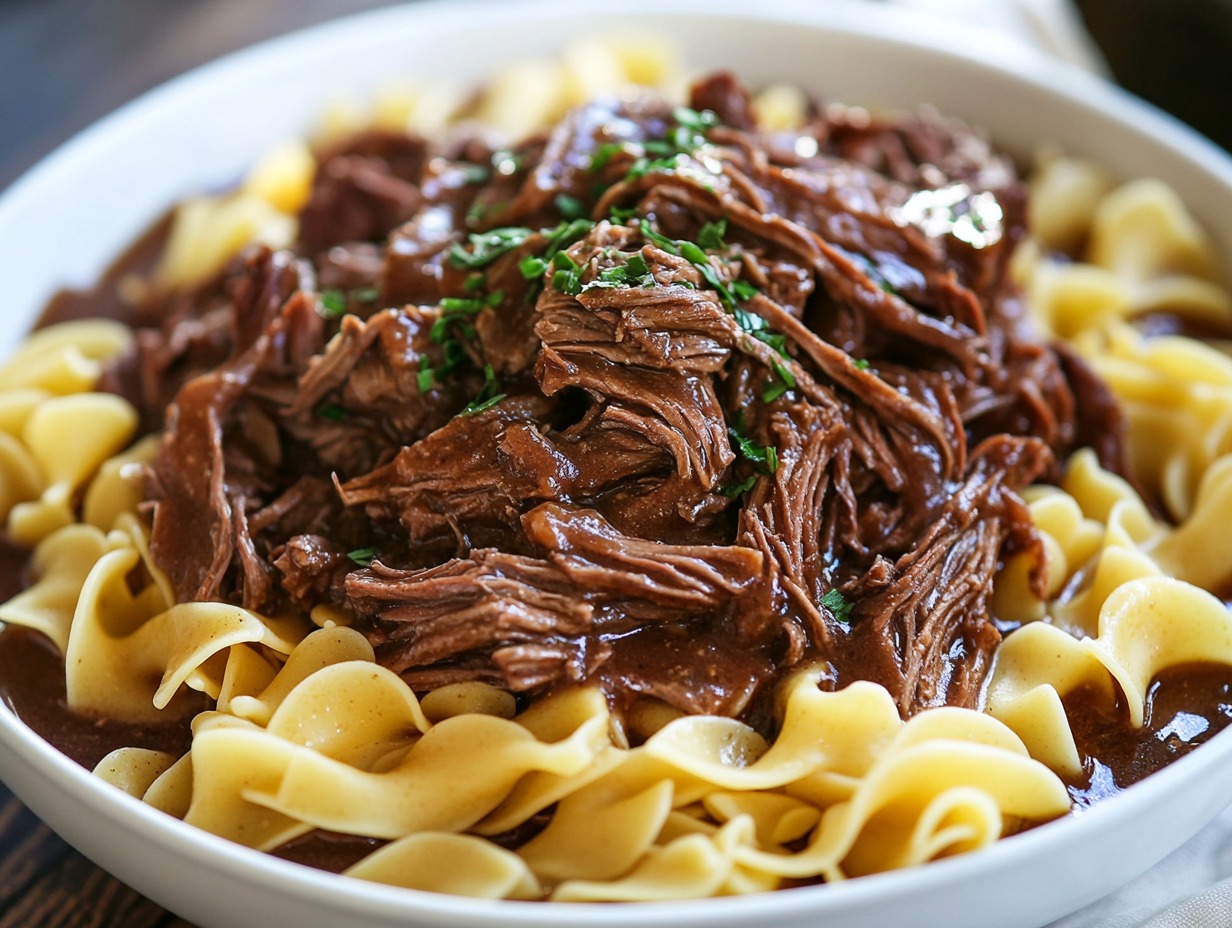
Article Introduction
Cooking a chuck roast to perfection is an art, but with the right method, it can be transformed into a succulent, flavorful dish that delights the senses. This article delves into various cooking techniques to determine which method is best for a chuck roast. From slow cooking and braising to roasting and grilling, we’ll explore each method’s pros and cons, provide expert tips, and help you choose the perfect technique for your needs.
Introduction
Brief Overview of Chuck Roast
Chuck roast, a cut from the shoulder of the cow, is known for its rich flavor and marbling. It’s a versatile cut that can be cooked using various methods to achieve tender, juicy results. However, the key to unlocking its full potential lies in choosing the right cooking technique.
Importance of Cooking Method for Chuck Roast
The cooking method you choose can make or break your chuck roast. A well-chosen method can enhance the meat’s natural flavors and tenderize it to perfection. On the other hand, the wrong method might leave you with a tough, chewy disappointment. Therefore, understanding each method’s nuances is crucial.
Purpose and Scope of the Article
This comprehensive guide aims to explore the best cooking methods for chuck roast, comparing each technique’s advantages and disadvantages. By the end, you’ll have a clear understanding of how to cook a chuck roast that meets your preferences and fits your lifestyle.
Understanding Chuck Roast
What is Chuck Roast?
Chuck roast comes from the shoulder area of the cow, a well-used muscle that results in a flavorful but potentially tough cut of meat. Its marbling, or fat content, contributes to its rich taste, making it a favorite for slow-cooked dishes.
Nutritional Profile of Chuck Roast
Chuck roast is not only delicious but also packed with nutrients. It’s a great source of protein, iron, and essential vitamins such as B12. Additionally, the marbling provides healthy fats that can be beneficial when consumed in moderation.
Common Uses of Chuck Roast
This cut is incredibly versatile. It’s often used in pot roasts, stews, and other slow-cooked meals. However, with the right technique, it can also be roasted, grilled, or even cooked sous vide for different culinary experiences.
Popular Cooking Methods for Chuck Roast
Which Slow Cooking Method is Best for a Chuck Roast?
Slow cooking is a favorite method for chuck roast, and for good reason. By cooking the meat at a low temperature for an extended period, it breaks down the tough fibers and renders the fat, resulting in a melt-in-your-mouth texture.
- Pros of Slow Cooking
- Enhances flavor and tenderness
- Easy and convenient
- Requires minimal supervision
- Cons of Slow Cooking
- Takes a long time
- Can become mushy if overcooked
Which Braising Method is Best for a Chuck Roast?
Braising involves cooking the chuck roast in liquid, such as broth, at a low temperature. This method is perfect for infusing the meat with additional flavors and achieving a tender, juicy roast.
- Pros of Braising
- Intensifies flavor
- Keeps the meat moist
- Great for one-pot meals
- Cons of Braising
- Requires more preparation
- Can be time-consuming
Which Roasting Method is Best for a Chuck Roast?
Roasting is another excellent method, particularly if you prefer a crispy exterior with a tender interior. This technique involves cooking the chuck roast at a high temperature, which creates a flavorful crust.
- Pros of Roasting
- Creates a delicious crust
- Can be quicker than slow cooking
- Adds a rich, roasted flavor
- Cons of Roasting
- Can dry out if not monitored
- Requires precise temperature control
Which Grilling Method is Best for a Chuck Roast?
Grilling a chuck roast can be tricky, but with the right technique, it can yield a smoky, charred flavor that’s hard to beat. It’s best to marinate the meat first to ensure it stays juicy and flavorful.
- Pros of Grilling
- Adds a smoky flavor
- Quick cooking time
- Perfect for summer meals
- Cons of Grilling
- Easy to overcook
- Requires careful attention
Which Sous Vide Method is Best for a Chuck Roast?
Sous vide involves cooking the chuck roast in a vacuum-sealed bag at a precise, low temperature for an extended period. This method ensures the meat is evenly cooked and retains its moisture.
- Pros of Sous Vide
- Perfectly even cooking
- Retains moisture and flavor
- Can be prepared ahead of time
- Cons of Sous Vide
- Requires special equipment
- Takes longer than other methods
Understanding Chuck Roast
What is Chuck Roast?
Chuck roast, a cut from the cow’s shoulder area, is known for its robust flavor. It has a good amount of marbling, which makes it a perfect candidate for slow-cooked dishes. The meat is flavorful but can be tough if not cooked correctly. Hence, choosing the right method is crucial for the best results.
Nutritional Profile of Chuck Roast
Chuck roast isn’t just tasty; it’s nutritious too. It’s rich in protein, iron, and essential vitamins like B12. These nutrients are vital for a healthy diet. Moreover, the marbling in chuck roast provides beneficial fats. Consuming these in moderation can contribute to a balanced diet.
Common Uses of Chuck Roast
There are many ways to use chuck roast in your cooking. It is popular in pot roasts, stews, and other slow-cooked dishes. However, it’s versatile enough for roasting, grilling, or even sous vide. Each method brings out different flavors and textures. Understanding the various methods helps you decide which cooking method is best for a chuck roast.
Popular Cooking Methods for Chuck Roast
Which Slow Cooking Method is Best for a Chuck Roast?
Slow cooking is a favorite for many. It breaks down tough fibers and renders fat, resulting in tender meat. You simply set it and forget it. The slow cooker does all the work.
- Pros of Slow Cooking
- Enhances flavor and tenderness
- Easy and convenient
- Requires minimal supervision
- Cons of Slow Cooking
- Takes a long time
- Can become mushy if overcooked
Which Braising Method is Best for a Chuck Roast?
Braising involves cooking the chuck roast in a liquid, like broth, at low temperatures. This method adds depth to the flavors and keeps the meat juicy.
- Pros of Braising
- Intensifies flavor
- Keeps the meat moist
- Great for one-pot meals
- Cons of Braising
- Requires more preparation
- Can be time-consuming
Which Roasting Method is Best for a Chuck Roast?
Roasting gives you a crispy exterior and a tender interior. It’s a great method if you want a rich, roasted flavor.
- Pros of Roasting
- Creates a delicious crust
- Can be quicker than slow cooking
- Adds a rich, roasted flavor
- Cons of Roasting
- Can dry out if not monitored
- Requires precise temperature control
Which Grilling Method is Best for a Chuck Roast?
Grilling can be tricky but rewarding. It imparts a smoky, charred flavor. Marinate the meat first for the best results.
- Pros of Grilling
- Adds a smoky flavor
- Quick cooking time
- Perfect for summer meals
- Cons of Grilling
- Easy to overcook
- Requires careful attention
Which Sous Vide Method is Best for a Chuck Roast?
Sous vide involves cooking the chuck roast in a vacuum-sealed bag at a precise, low temperature. This method ensures the meat is evenly cooked and retains its moisture.
- Pros of Sous Vide
- Perfectly even cooking
- Retains moisture and flavor
- Can be prepared ahead of time
- Cons of Sous Vide
- Requires special equipment
Takes longer than other methods
Comparing Cooking Methods
Flavor and Texture in Different Cooking Methods for Chuck Roast
When comparing flavors, slow cooking and braising stand out. Slow cooking enhances natural flavors and creates a melt-in-your-mouth texture. Braising, on the other hand, infuses the meat with rich, savory flavors from the liquid. Roasting provides a deep, roasted taste with a crispy crust, perfect for those who love a bit of crunch. Grilling adds a smoky, charred flavor that is unique and delightful. Sous vide delivers perfectly even cooking, ensuring every bite is tender and juicy.
Ease of Preparation in Various Cooking Methods for Chuck Roast
For ease, slow cooking is the clear winner. You just set it and forget it. Braising requires a bit more effort with prepping the liquid and monitoring the process. Roasting is relatively simple but demands precise temperature control. Grilling needs constant attention to avoid overcooking. Sous vide, while requiring special equipment, allows for a hands-off approach once the initial setup is done.
Time Required by Different Cooking Methods for Chuck Roast
Time is a critical factor. Slow cooking and sous vide methods are the longest, often taking several hours. Braising takes less time but still requires a few hours to achieve the best results. Roasting is quicker, typically done within a couple of hours. Grilling is the fastest method, often taking less than an hour from start to finish.
Nutritional Retention in Cooking Methods for Chuck Roast
Regarding nutritional retention, sous vide is excellent. It cooks the meat at lower temperatures, preserving more nutrients. Slow cooking and braising also retain a good amount of nutrients due to the low and slow cooking process. Roasting and grilling, however, can result in some nutrient loss due to higher cooking temperatures.
Choosing the Best Cooking Method
Factors to Consider When Choosing the Best Cooking Method for a Chuck Roast
When choosing the best cooking method for a chuck roast, consider several factors. Your personal preferences play a big role. Do you prefer tender, melt-in-your-mouth meat or a crispy exterior with juicy insides? Slow cooking and braising will give you tender results, while roasting offers a delightful crust.
Personal Preferences in Cooking Methods for Chuck Roast
Think about what you like. If you love rich, deep flavors, braising might be your go-to. If a smoky, charred taste excites you, grilling is the way to go. Each method brings its unique flavor and texture to the table.
Available Equipment for Cooking Chuck Roast
Next, consider your available equipment. Not everyone has a sous vide machine. But, most kitchens have a slow cooker, oven, or grill. Choose a method that fits your kitchen setup. This makes the cooking process easier and more enjoyable.
Time Constraints When Choosing a Cooking Method for Chuck Roast
Time constraints are also important. If you have all day, slow cooking or sous vide can be perfect. These methods require longer cooking times but offer amazing results. However, if you need a quicker option, grilling or roasting can get dinner on the table faster.
Desired Outcome from Cooking Methods for Chuck Roast
Finally, think about your desired outcome. Do you want a fuss-free meal? Slow cooking is ideal. Looking to impress with a gourmet touch? Try sous vide. Want a traditional Sunday roast? Roasting is perfect. Your end goal will guide your choice.
Expert Recommendations on the Best Cooking Method for Chuck Roast
Experts often recommend slow cooking for its ease and consistent results. However, they also praise sous vide for its precision. According to The Kitchn – Cooking Chuck Roast, the best method depends on your needs and preferences. Experiment with different techniques to find your favorite.
Common Mistakes to Avoid When Cooking a Chuck Roast
Overcooking or Undercooking
One of the biggest mistakes is overcooking or undercooking your chuck roast. Overcooking, especially with high-heat methods like grilling or roasting, can result in a dry, tough roast. On the other hand, undercooking can leave the meat tough and chewy. To avoid these pitfalls, use a meat thermometer to ensure your roast reaches the desired internal temperature.
Not Allowing Enough Cooking Time
Chuck roast needs time to break down its tough fibers and become tender. Rushing the process, especially with methods like slow cooking or braising, can result in a less-than-perfect texture. Plan ahead and give your roast the time it needs to achieve the best results.
Insufficient Seasoning
Another common mistake is not seasoning the roast properly. Chuck roast benefits from generous seasoning to enhance its natural flavors. Whether you’re using a dry rub, marinade, or simply salt and pepper, make sure to season your roast well before cooking.
Using the Wrong Cooking Method
Choosing the wrong cooking method for your needs can lead to disappointing results. For example, grilling might not be the best option if you prefer a tender, fall-apart roast. Understanding the strengths and weaknesses of each method helps you avoid this mistake.
Not Letting the Meat Rest
After cooking, it’s crucial to let the chuck roast rest before slicing. This allows the juices to redistribute throughout the meat, resulting in a juicier, more flavorful roast. Cutting into the roast too soon can cause the juices to run out, leaving the meat dry.
Not Searing the Meat
For methods like braising or roasting, searing the chuck roast before cooking adds a depth of flavor. This step creates a delicious crust and helps lock in the juices. Skipping this step can result in a less flavorful roast.
FAQs
Which Cooking Method is Best for a Chuck Roast?
Choosing the best cooking method for a chuck roast depends on your preferences and needs. If you want a hands-off approach with consistently tender results, slow cooking is ideal. For rich flavors and moist meat, braising is excellent. Roasting offers a delightful crust, while grilling gives a smoky, charred flavor. Sous vide is perfect for precise, even cooking. Ultimately, the best method is the one that suits your taste and kitchen setup.
How Long Does It Take to Cook a Chuck Roast?
The cooking time for a chuck roast varies based on the method you choose. Slow cooking can take 8-10 hours on low or 4-6 hours on high. Braising typically takes 3-4 hours. Roasting requires about 2-3 hours at 325°F (165°C). Grilling is faster, usually taking 1-1.5 hours depending on the thickness. Sous vide can take 24-48 hours at a low temperature for optimal tenderness.
How Should a Chuck Roast Be Cooked?
A chuck roast should be cooked slowly to break down the tough fibers and fat. This makes the meat tender and juicy. Whether you choose slow cooking, braising, roasting, grilling, or sous vide, the key is to cook it low and slow. Searing the meat before cooking, especially for braising and roasting, adds extra flavor.
Does Chuck Roast Get More Tender the Longer You Cook It?
Yes, chuck roast gets more tender the longer you cook it, especially at low temperatures. Slow cooking, braising, and sous vide are perfect for this. These methods allow the tough fibers and connective tissues to break down over time, resulting in a tender, flavorful roast. However, it’s important not to overcook it, as this can lead to mushy or dry meat. Using a meat thermometer can help you achieve the perfect texture.