
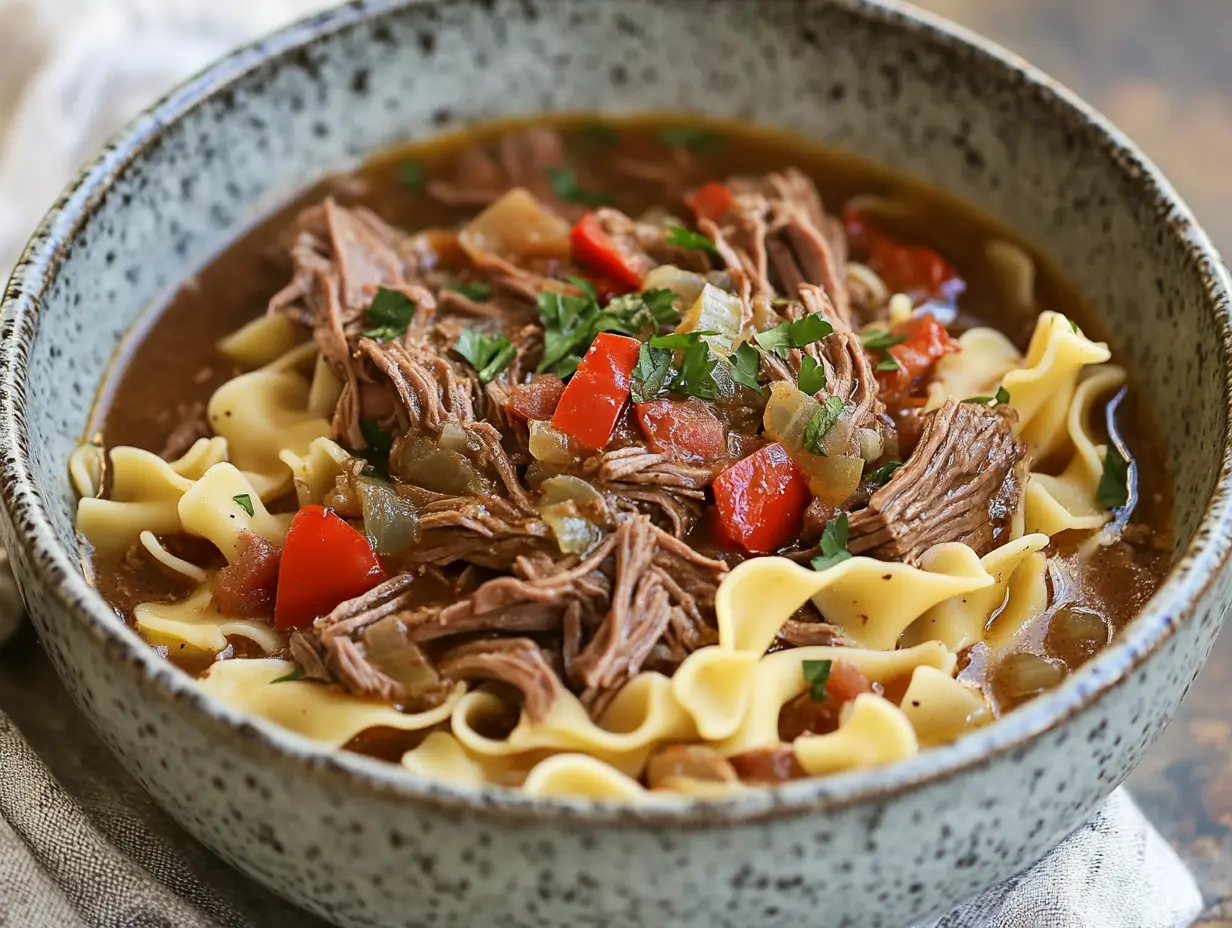
Introduction of Which cooking method is best for a chuck roast?
Which cooking method is best for a chuck roast? This is a common question for both novice cooks and experienced chefs. Whether you prefer braising, slow cooking, oven roasting, or pressure cooking, choosing the right technique is crucial for achieving a tender, flavorful dish. In this comprehensive guide, we’ll explore different cooking methods for a chuck roast, compare their pros and cons, and provide expert tips to help you master this popular cut of meat.
Which Cooking Method is Best for a Chuck Roast? Expert Guide
What is Chuck Roast?
Definition and Origins
Chuck roast, derived from the shoulder section of the cow, is known for its rich, beefy flavor and affordability. Its origins trace back to traditional American cooking, where it became a staple due to its versatility and robust taste.
Characteristics of Chuck Roast
This cut is characterized by its marbling and connective tissue, which, when cooked properly, break down to create a succulent, tender roast. The marbling adds flavor, while the connective tissue transforms into gelatin, giving the meat a juicy texture.
Braising
Explanation of Braising
Braising is a slow cooking method that combines both wet and dry heat. The meat is first seared at a high temperature and then cooked slowly in a covered pot with a small amount of liquid.For more details, read about understanding the science of cooking.
Steps to Braise a Chuck Roast
- Season the Meat: Generously season your chuck roast with salt and pepper.
- Sear the Roast: In a hot pan, sear the roast on all sides until it’s browned.
- Add Aromatics and Liquid: Place the roast in a pot, add onions, garlic, and your choice of broth.
- Cook Slowly: Cover and cook in a preheated oven at a low temperature for several hours until the meat is fork-tender.
Pros and Cons of Braising
- Pros: Enhances flavor, produces tender meat.
- Cons: Time-consuming, requires more attention.
Tips for Perfect Braising
- Use a heavy pot with a tight-fitting lid to retain moisture.
- Sear the meat properly to develop a deep flavor.
- Don’t rush the cooking process; low and slow is key.
Slow Cooking
Explanation of Slow Cooking
Slow cooking involves cooking the meat at a low temperature over an extended period, typically using a slow cooker.
Steps to Slow Cook a Chuck Roast
- Prep the Ingredients: Season the roast and place it in the slow cooker.
- Add Vegetables and Liquid: Surround the roast with vegetables and cover with broth or water.
- Set and Forget: Cook on low for 8-10 hours, or until the meat is tender and falling apart.
Pros and Cons of Slow Cooking
- Pros: Convenient, minimal hands-on time, consistent results.
- Cons: Takes a long time, can lack depth of flavor compared to other methods.
Tips for Perfect Slow Cooking
- For extra flavor, sear the roast before placing it in the slow cooker.
- Use enough liquid to cover at least halfway up the meat.
- Avoid lifting the lid during cooking to maintain temperature.
Slow Cooking
Explanation of Slow Cooking
Slow cooking involves cooking the meat at a low temperature over an extended period, typically using a slow cooker.
Steps to Slow Cook a Chuck Roast
- Prep the Ingredients: Season the roast and place it in the slow cooker.
- Add Vegetables and Liquid: Surround the roast with vegetables and cover with broth or water.
- Set and Forget: Cook on low for 8-10 hours, or until the meat is tender and falling apart.
Pros and Cons of Slow Cooking
- Pros: Convenient, minimal hands-on time, consistent results.
- Cons: Takes a long time, can lack depth of flavor compared to other methods.
Tips for Perfect Slow Cooking
- For extra flavor, sear the roast before placing it in the slow cooker.
- Use enough liquid to cover at least halfway up the meat.
- Avoid lifting the lid during cooking to maintain temperature.Explore a variety of slow cooker recipes for more ideas.
Different Cooking Methods for Chuck Roast
Oven Roasting
Explanation of Oven Roasting
Oven roasting is a dry heat method. It uses high temperatures to cook the meat, creating a crispy exterior while keeping the inside juicy.
Steps to Oven Roast a Chuck Roast
- Preheat the Oven: Set your oven to 350°F.
- Season the Roast: Rub the roast with salt, pepper, and your favorite herbs.
- Sear the Meat: In a hot pan, quickly brown the roast on all sides.
- Roast in the Oven: Place the seared roast on a rack in a roasting pan. Cook for about 20 minutes per pound.
- Rest the Meat: Let the roast rest for 10-15 minutes before slicing.
Pros and Cons of Oven Roasting
- Pros: Creates a flavorful crust, quicker than slow cooking.
- Cons: Can dry out if overcooked, requires more attention.
Tips for Perfect Oven Roasting
- Use a meat thermometer to check doneness.
- Baste the roast periodically to keep it moist.
- Let the roast rest before cutting to retain juices.
Pressure Cooking
Explanation of Pressure Cooking
Pressure cooking uses high-pressure steam to cook the meat quickly. It keeps the meat tender and juicy in a fraction of the time.
Steps to Pressure Cook a Chuck Roast
- Season the Roast: Apply salt, pepper, and other seasonings.
- Sear the Roast: Brown the meat in the pressure cooker on the sauté setting.
- Add Liquid and Cook: Add broth or water, and cook on high pressure for 60 minutes.
- Natural Release: Allow the pressure to release naturally for 10 minutes, then quick release any remaining pressure.
Pros and Cons of Pressure Cooking
- Pros: Very fast, retains moisture, enhances flavor.
- Cons: Can be tricky to get the timing right, less control over texture.
Tips for Perfect Pressure Cooking
- Don’t skip searing; it adds depth of flavor.
- Use enough liquid to create steam.
- Follow the pressure cooker’s instructions for best results.
Understanding oven roasting and pressure cooking adds more versatility to your chuck roast repertoire. Both methods offer unique benefits and can produce a delicious meal.
Stay tuned for more insights as we compare these methods and help you decide which cooking method is best for a chuck roast.
Comparison and Conclusion
Comparing Cooking Methods for a Chuck Roast
Side-by-Side Comparison
When deciding which cooking method is best for a chuck roast, it helps to compare them directly. Each method has unique benefits and challenges.
- Braising: This method creates deep flavors and tender meat. However, it takes time and attention.
- Slow Cooking: Very convenient with consistent results. But, it can lack the depth of flavor that braising provides.
- Oven Roasting: Produces a flavorful crust and is quicker than slow cooking. Yet, it requires more careful monitoring to avoid drying out.
- Pressure Cooking: Very fast and retains moisture. However, it can be tricky to get the timing just right.
Factors to Consider
- Time: Pressure cooking is the fastest, while slow cooking takes the longest.
- Flavor: Braising often provides the richest flavor, followed by oven roasting.
- Texture: All methods can produce tender meat if done correctly, but pressure cooking ensures juiciness.
Best Method for Different Preferences
For Busy Cooks
If you need a hands-off approach, slow cooking might be your best bet. Set it and forget it, then come back to a tender roast.
Deep Flavor
Choose braising if you want deep, rich flavors. It requires more effort but is worth it for the taste.
Quick Results
Pressure cooking is ideal if you’re short on time. It delivers tender meat quickly without compromising on moisture.
a Flavorful Crust
Oven roasting is perfect if you love a crispy exterior. It requires more attention but creates a delightful texture.
Conclusion
In conclusion, the best cooking method for a chuck roast depends on your priorities. Braising offers the richest flavor, slow cooking is the most convenient, oven roasting creates a beautiful crust, and pressure cooking is the fastest. Each method has its merits, so choose the one that best fits your schedule and taste preferences.
Seasoning and Flavoring a Chuck Roast
Importance of Seasoning
Why Seasoning Matters
Seasoning is crucial when cooking a chuck roast. It enhances the natural flavors of the meat and can transform a simple roast into a culinary masterpiece.
Basic Seasoning Ingredients
- Salt and Pepper: These are the fundamental seasonings. Salt enhances flavor, while pepper adds a mild heat.
- Garlic and Onions: These aromatics provide a savory base.
- Herbs and Spices: Rosemary, thyme, bay leaves, and paprika are popular choices.
Advanced Flavoring Techniques
Marinades
Marinating the chuck roast can infuse it with deep flavors. Use a mixture of oil, acid (like vinegar or citrus juice), and seasonings. Let the meat marinate for at least a few hours or overnight for the best results.
Rubs
A dry rub is a blend of herbs and spices that you massage into the meat. It forms a flavorful crust when cooked. Common ingredients include brown sugar, smoked paprika, cumin, and chili powder.
Infusions
Infuse your chuck roast with flavors by adding ingredients directly into the cooking liquid. Examples include soy sauce, Worcestershire sauce, beef broth, and red wine (non-alcoholic options available).
Tips for Perfect Seasoning
Balancing Flavors
Ensure a balance between salty, sweet, sour, and umami flavors. This creates a complex and satisfying taste profile.
Layering Seasonings
Layer seasonings throughout the cooking process. Season the meat before searing, add more when it goes into the pot, and adjust to taste before serving.
Using Fresh Ingredients
Whenever possible, use fresh herbs and spices. Fresh ingredients provide a more vibrant and robust flavor compared to dried ones.
Seasoning for Different Cooking Methods
Braising
- Use robust herbs like rosemary and thyme.
- Add hearty vegetables such as carrots and celery to the pot.
Slow Cooking
- Incorporate strong-flavored spices like cumin and smoked paprika.
- Use a flavorful broth or stock as the cooking liquid.
Oven Roasting
- Create a flavorful crust with a dry rub.
- Baste the roast with its juices or a seasoned butter mi
Pressure Cooking
- Add bold seasonings to stand up to the quick cooking process.
- Use a flavorful liquid like beef broth or a marinade.
Additional Information and FAQs
What is the Best Cooking Method for Chuck Beef?
Choosing the best cooking method for chuck beef depends on your goals. For the deepest flavor, braising is excellent. If convenience is your priority, slow cooking in a crockpot is hard to beat. Pressure cooking is perfect for quick meals, and oven roasting provides a delicious crust. Each method has its own strengths, so pick the one that best matches your needs.
Is Chuck Roast Better in a Crockpot or Oven?
Deciding whether chuck roast is better in a crockpot or oven depends on your preferences. The crockpot, or slow cooker, excels at producing consistently tender and juicy meat with minimal effort. It’s perfect for those who want a set-it-and-forget-it approach. On the other hand, oven roasting can create a flavorful crust and allows for more control over the final texture. However, it requires more attention during cooking. Both methods can yield excellent results, so choose based on your desired outcome and available time.
Does Chuck Roast Get More Tender the Longer You Cook It?
Yes, chuck roast gets more tender the longer you cook it, especially with low and slow methods like braising and slow cooking. These techniques allow the connective tissues to break down, resulting in tender, juicy meat. However, there is a limit. Overcooking can dry out the meat, so it’s important to find the right balance. Always check the roast for doneness before extending the cooking time.
Is It Better to Slow Cook or Pressure Cook a Chuck Roast?
Whether it’s better to slow cook or pressure cook a chuck roast depends on your time constraints and desired texture. Slow cooking is ideal for those who prefer a hands-off method that results in a consistently tender roast. It allows the flavors to meld over a long period, enhancing the overall taste. Pressure cooking, however, is much faster and still produces tender, juicy meat. It’s a great option when you need a quick meal without sacrificing quality. Both methods are effective, so choose based on your schedule and cooking style.
Related Topics and Resources
Related Recipes for Chuck Roast
Classic Chuck Roast Recipes
If you’re looking to expand your culinary repertoire, exploring classic chuck roast recipes is a great start. Traditional recipes like pot roast or beef stew highlight the versatility of this cut. These dishes often use slow cooking or braising to achieve tender, flavorful results.
Creative Uses for Leftover Chuck Roast
Don’t let leftovers go to waste. Use them to make delicious meals like beef tacos, sandwiches, or shepherd’s pie. Leftover chuck roast can also be added to soups or pasta dishes for a hearty twist.
Nutritional Information
Health Benefits of Chuck Roast
Chuck roast is not only flavorful but also packed with nutrients. It’s a good source of protein, iron, and B vitamins. However, it’s important to trim excess fat to keep it healthier.
Tips for a Healthier Chuck Roast
- Use Lean Cuts: Opt for leaner cuts of chuck roast when available.
- Trim Fat: Trim visible fat before cooking.
- Healthy Cooking Methods: Use methods like braising or slow cooking with minimal added fats.
Expert Opinions on Cooking Chuck Roast
Chef Recommendations
Many chefs have their preferred methods for cooking chuck roast. Some swear by slow cooking for its convenience and consistency. Others prefer braising for its deep flavor. Experimenting with these techniques can help you find what works best for you.
Culinary Tips from Professionals
- Rest the Meat: Always let the meat rest before slicing to retain juices.
- Use a Thermometer: A meat thermometer ensures perfect doneness.
- Season Generously: Don’t be afraid to use bold flavors to enhance the meat.