
Introductio
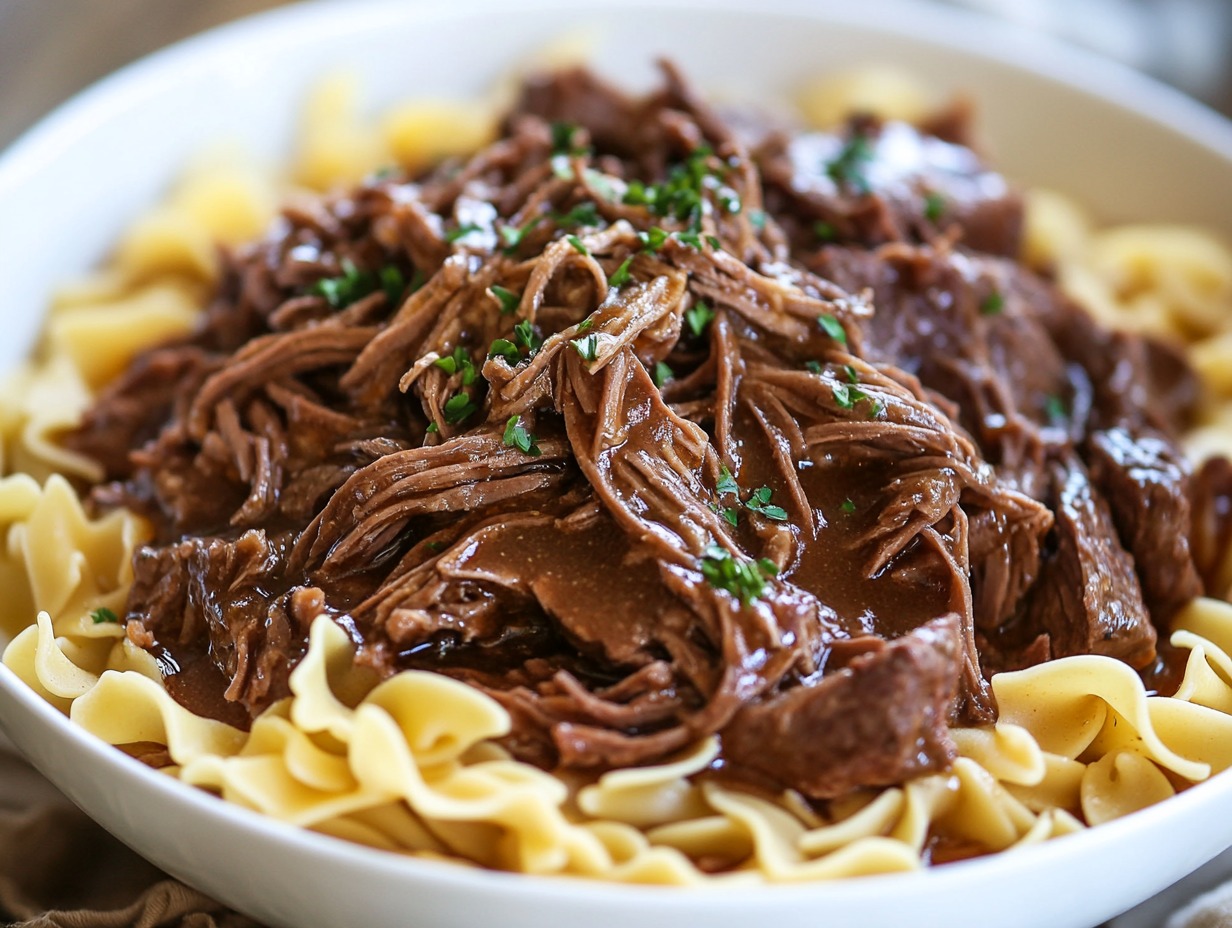
Does chuck roast get more tender the longer you cook it? This question often puzzles both novice and seasoned cooks. Chuck roast, known for its rich flavor and affordability, can be a challenge due to its tough, connective tissues. But don’t worry! We’ll unravel the secrets behind achieving a tender, mouth-watering chuck roast by exploring the right cooking techniques and times.
What is Chuck Roast?
Definition and Cuts from the Cow
Chuck roast comes from the shoulder section of the cow, which makes it a relatively tough cut due to the muscle activity in this area. It includes various parts like the shoulder blade and the upper arm, making it rich in collagen and connective tissue. These elements are key to achieving that melt-in-your-mouth texture when cooked properly.
Characteristics: Fat Content and Connective Tissue
This cut is known for its marbling, which adds a deep, beefy flavor. The fat and connective tissues present in chuck roast break down during slow cooking, transforming into gelatin that tenderizes the meat. This process, however, requires time and patience to avoid ending up with a dry or tough roast.
Popularity and Common Uses
Despite its toughness, chuck roast is beloved for its robust flavor and versatility. It’s a staple in many comfort food recipes like pot roast, beef stew, and braised dishes. Its ability to absorb flavors makes it a perfect candidate for slow-cooking methods.
The Science Behind Tenderizing Meat
Role of Collagen and Connective Tissues in Meat
Collagen, a major component of connective tissues in meat, is tough and chewy when raw. However, with the application of low heat over a long period, collagen breaks down into gelatin, which is soft and provides a luscious texture. This is why slow cooking methods are ideal for chuck roast.
How Cooking Methods Affect Tenderness
Different cooking methods impact the tenderness of meat in various ways. Slow cooking at low temperatures allows the collagen to dissolve without drying out the meat. Conversely, high-heat methods can cause the meat to become tough and dry if not monitored carefully.
The Process of Collagen Breakdown
Collagen begins to break down at temperatures around 160°F (70°C). This process, known as hydrolysis, transforms the tough collagen into gelatin over several hours. The key is to maintain a low and steady temperature to ensure the meat becomes tender without losing moisture.
Slow Cooking vs. Fast Cooking
Benefits of Slow Cooking for Chuck Roast
Slow cooking is the secret weapon for achieving a tender chuck roast. This method involves cooking the meat at a low temperature for several hours. The slow heat allows the collagen to break down into gelatin, resulting in a moist and tender roast. Additionally, slow cooking enhances the flavors, making the dish rich and savory.
Comparison with Fast Cooking Methods
On the other hand, fast cooking methods like grilling or pan-searing aren’t ideal for chuck roast. These methods cook the meat quickly at high temperatures, which doesn’t give enough time for the collagen to break down. The result? A tough and chewy roast. So, if you’re looking for a tender chuck roast, stick with slow cooking.
Impact on Tenderness and Flavor
Slow cooking not only tenderizes the meat but also helps it retain moisture. This prevents the roast from becoming dry and tough. Furthermore, the long cooking time allows the flavors to meld together, creating a dish that’s both tender and flavorful. It’s a win-win situation for anyone looking to cook the perfect chuck roast.
Optimal Cooking Temperatures
Recommended Temperatures for Chuck Roast
Temperature control is crucial when cooking chuck roast. Ideally, you should cook it at a low temperature of around 275°F (135°C). This temperature is low enough to allow the collagen to break down without drying out the meat. It’s also high enough to cook the roast through evenly.
How Different Temperatures Affect the Meat
Cooking chuck roast at higher temperatures might speed up the process, but it can also make the meat tough. For instance, cooking at 350°F (175°C) or higher can cause the outer parts to overcook while the inside remains undercooked. This imbalance leads to a dry and chewy texture. Thus, maintaining a steady low temperature is key to achieving tenderness.
Signs of Perfectly Cooked Chuck Roast
How do you know when your chuck roast is perfectly cooked? Look for a few telltale signs. First, the meat should be fork-tender, meaning you can easily pull it apart with a fork. Second, it should have a rich, brown exterior and a juicy, moist interior. Lastly, the flavors should be well-developed, with the meat absorbing the seasonings and aromatics used in cooking.
Oven Baking
Step-by-Step Guide
Oven baking is a fantastic method for cooking chuck roast. Follow these steps for a tender and flavorful result:
- Preheat the Oven: Set your oven to 275°F (135°C). This low temperature ensures slow cooking.
- Season the Roast: Generously season your chuck roast with salt, pepper, and any desired herbs or spices.
- Sear the Meat: In a hot skillet, sear the roast on all sides. This step locks in the juices and adds a delicious crust.
- Prepare the Roasting Pan: Place the seared roast in a roasting pan. Add chopped onions, carrots, and celery for extra flavor.
- Add Liquid: Pour beef broth or water into the pan. This liquid helps keep the meat moist during cooking.
- Cover and Cook: Cover the pan with foil and place it in the oven. Cook for about 3-4 hours, or until the meat is fork-tender.
Tips for Achieving Maximum Tenderness
For the best results, use a meat thermometer. The internal temperature should reach around 190°F (88°C). This ensures the collagen has fully broken down, resulting in tender meat. Also, let the roast rest for 15 minutes before slicing. This helps retain the juices.
Common Mistakes to Avoid
Avoid cooking at high temperatures. This can make the meat tough. Don’t skip searing. It enhances the flavor and texture. Lastly, don’t overcook. Even though chuck roast benefits from long cooking times, cooking it too long can dry it out.
Slow Cooker Method
Advantages of Using a Slow Cooker
A slow cooker makes cooking chuck roast easy and foolproof. It allows for even, low-temperature cooking, which is perfect for breaking down tough connective tissues.
Detailed Instructions
- Prepare the Roast: Season and sear the chuck roast as described earlier.
- Load the Slow Cooker: Place the seared roast in the slow cooker. Add vegetables like onions, carrots, and potatoes.
- Add Liquid: Pour in beef broth, ensuring the roast is partially submerged.
- Set and Forget: Set the slow cooker to low and cook for 8-10 hours. This long cooking time ensures the meat becomes tender and flavorful.
Enhancing Flavors with Seasonings and Vegetables
Add herbs like rosemary, thyme, and bay leaves to the slow cooker. They infuse the meat with rich flavors. You can also experiment with different vegetables, such as parsnips and mushrooms, to complement the roast.
Pressure Cooking
Benefits of Pressure Cooking
Pressure cooking is a great alternative if you’re short on time. It significantly reduces cooking time while still yielding tender results.
Step-by-Step Guide
- Season and Sear: Season and sear the chuck roast as previously described.
- Prepare the Pressure Cooker: Place the seared roast in the pressure cooker. Add beef broth and your choice of vegetables.
- Cook Under Pressure: Seal the cooker and set it to high pressure. Cook for about 60-75 minutes.
- Release and Rest: Once done, allow the pressure to release naturally. Let the roast rest before serving.
Ensuring Tenderness Without Overcooking
Monitor the cooking time closely. Overcooking can result in a mushy texture. Always use a natural pressure release method to maintain moisture and tenderness.
Why is My Chuck Roast Tough?
Common Mistakes in Cooking Chuck Roast
Many cooks encounter toughness in their chuck roast. Often, the culprit is cooking at too high a temperature. This doesn’t allow the collagen to break down properly, resulting in a tough texture. Additionally, not cooking the roast long enough can leave it chewy. Remember, chuck roast needs time and patience.
How to Avoid and Fix Toughness
To avoid toughness, always cook your chuck roast slowly. Set your oven or slow cooker to a low temperature and let the roast cook for several hours. If your roast turns out tough, try cooking it longer. Place it back in the oven or slow cooker, add some liquid, and cook until it becomes tender. Also, ensure you rest the meat after cooking. This allows the juices to redistribute, enhancing tenderness.
Role of Cooking Time and Temperature
The key to a tender chuck roast lies in the balance between time and temperature. Low and slow cooking allows the collagen to convert to gelatin, resulting in a tender, juicy roast. For best results, maintain a steady temperature and give the roast ample time to cook.
Tips for Perfect Chuck Roast Every Time
Key Tips for Tenderness
Follow these tips to ensure your chuck roast is always tender:
- Season Well: Use plenty of salt and spices to enhance flavor.
- Sear First: Searing locks in juices and adds depth of flavor.
- Cook Low and Slow: Always cook at a low temperature for a long period.
- Use Liquid: Add broth or water to keep the meat moist.
- Rest the Meat: Let the roast rest before slicing to retain juices.
Importance of Resting the Meat
Resting your chuck roast after cooking is crucial. It allows the juices to redistribute throughout the meat, making it more tender and flavorful. Rest the roast for at least 15 minutes before cutting into it. This step prevents the juices from spilling out and ensures every bite is juicy.
Enhancing Flavors
To enhance the flavors of your chuck roast, consider adding aromatic herbs like rosemary and thyme. These herbs infuse the meat with a wonderful aroma and taste. You can also experiment with different vegetables and seasonings to create unique flavor profiles.
Common Issues and Solutions
Why Is My Chuck Roast Tough?
Does chuck roast get more tender the longer you cook it? Many wonder this when faced with a tough roast. A common issue is cooking at too high a temperature. High heat can cause the meat to seize up, becoming tough. Instead, aim for a low and slow method. Also, not cooking long enough is a frequent mistake. Chuck roast needs time for the collagen to break down into gelatin, making the meat tender.
How to Avoid and Fix Toughness
To avoid toughness, follow these steps:
- Cook Slowly: Always choose a low temperature. Aim for around 275°F (135°C).
- Cook Longer: Ensure your roast has enough time to tenderize. Typically, this means several hours.
- Add Liquid: Keep the meat moist with broth or water. This helps in breaking down the connective tissues.
- Rest the Meat: After cooking, let the roast rest. This step is crucial for retaining moisture and tenderness.
If your chuck roast is tough, extend the cooking time. Place the roast back in the oven or slow cooker, add more liquid, and cook until it becomes tender. Patience is key!
Role of Cooking Time and Temperature
The cooking time and temperature are critical in determining the tenderness of your chuck roast. Cook at a low temperature and give it enough time. The collagen in the meat needs time to convert to gelatin, which makes the meat tender. For example, cooking at 275°F (135°C) for 3-4 hours usually yields a tender roast.
Tips for Perfect Chuck Roast Every Time
Key Tips for Tenderness
For the perfect chuck roast every time, follow these essential tips:
- Season Generously: Use ample salt and spices. They penetrate the meat, enhancing flavor.
- Sear First: Searing locks in juices and adds a beautiful crust.
- Cook Low and Slow: Always prefer a low cooking temperature and a long cooking time.
- Add Enough Liquid: Use beef broth, water, or a combination to keep the meat moist.
- Rest the Roast: Allow the roast to rest before cutting. This ensures the juices are reabsorbed, keeping the meat moist and tender.
Importance of Resting the Meat
Resting your chuck roast after cooking is crucial. When the meat rests, the juices redistribute throughout, making every bite juicy. If you cut into the roast immediately, the juices will spill out, resulting in a dry roast. So, let your roast rest for at least 15 minutes before slicing.
Enhancing Flavors
To enhance the flavors of your chuck roast, consider adding aromatic herbs and vegetables. Herbs like rosemary and thyme, along with onions, carrots, and garlic, can elevate the taste of your roast. Experiment with different seasonings to create a unique and delicious dish.
Expert Opinions
Chef Insights on Cooking Chuck Roast
Many chefs agree that chuck roast gets more tender the longer you cook it. According to Chef John from Food Wishes, the key is to cook the roast at a low temperature for an extended period. This method allows the collagen to break down, resulting in a tender and flavorful roast. He also emphasizes the importance of searing the meat before slow cooking to lock in the juices.
Professional Tips for Tender Chuck Roast
Top chefs recommend using a meat thermometer to ensure your chuck roast reaches the ideal internal temperature. Chef Gordon Ramsay suggests aiming for an internal temperature of 190°F (88°C). This ensures that the connective tissues have broken down completely, making the meat tender. Additionally, chefs like Ina Garten suggest adding a splash of vinegar or wine to the cooking liquid. This not only enhances the flavor but also helps in tenderizing the meat.
popular Recipes
Classic Chuck Roast Recipe
Ingredients:
- 3-4 lbs chuck roast
- Salt and pepper
- 2 tbsp olive oil
- 1 onion, chopped
- 3 carrots, chopped
- 3 celery stalks, chopped
- 4 cloves garlic, minced
- 2 cups beef broth
- 2 sprigs rosemary
- 2 sprigs thyme
Instructions:
- Preheat the Oven: Set to 275°F (135°C).
- Season and Sear: Season the roast generously with salt and pepper. Sear in a hot skillet with olive oil until brown on all sides.
- Prepare the Roast: Place the seared roast in a roasting pan. Add onions, carrots, celery, and garlic.
- Add Liquid: Pour in beef broth. Add rosemary and thyme.
- Cover and Cook: Cover with foil and cook for 3-4 hours, or until the meat is fork-tender.
- Rest and Serve: Let the roast rest for 15 minutes before slicing. Serve with the cooked vegetables and pan juices.
Creative Variations
Asian-Inspired Chuck Roast
Ingredients:
- 3-4 lbs chuck roast
- Salt and pepper
- 2 tbsp sesame oil
- 1 onion, chopped
- 3 carrots, chopped
- 3 celery stalks, chopped
- 4 cloves garlic, minced
- 2 cups beef broth
- 1/4 cup soy sauce
- 2 tbsp hoisin sauce
- 2 tbsp rice vinegar
- 1 tbsp ginger, minced
Instructions:
- Season and Sear: Season the roast with salt and pepper. Sear in sesame oil.
- Prepare the Slow Cooker: Place the seared roast in the slow cooker. Add onions, carrots, celery, and garlic.
- Add Liquid: Mix beef broth, soy sauce, hoisin sauce, rice vinegar, and ginger. Pour over the roast.
- Cook: Set the slow cooker to low and cook for 8-10 hours.
- Rest and Serve: Let the roast rest before slicing. Serve with steamed rice and vegetables.
Tips for Customization
Customize your chuck roast by experimenting with different herbs, spices, and liquids. Try adding chili powder and cumin for a Southwestern flair, or use Italian seasoning and tomatoes for a Mediterranean twist. The possibilities are endless, allowing you to tailor the dish to your taste preferences.
For comprehensive and scientifically-backed guidelines for a healthy diet, consider reviewing the detailed information provided by the World Health Organization, which offers practical advice on maintaining balanced nutrition and preventing various health conditions.
FAQs
How Long Does It Take for Chuck Roast to Get Tender?
Does chuck roast get more tender the longer you cook it? Absolutely. Typically, a chuck roast needs to cook for at least 3-4 hours at a low temperature, such as 275°F (135°C). For slow cookers, 8-10 hours on low is ideal. The key is to cook it until the meat is fork-tender, meaning you can easily pull it apart with a fork.
Does Chuck Roast Get Softer the Longer You Cook It?
Yes, chuck roast does get softer the longer you cook it, provided it’s cooked at a low temperature. The slow cooking process allows the collagen in the meat to break down into gelatin, making the meat soft and tender. However, ensure you keep the temperature low to avoid drying out the meat.
Can You Overcook Chuck Roast?
While it’s difficult to overcook chuck roast when using the low-and-slow method, it is possible if the cooking temperature is too high. Overcooking at high temperatures can cause the meat to dry out and become tough. Always cook chuck roast at a low temperature and check for tenderness periodically to avoid overcooking.
Does Chuck Meat Get More Tender the Longer It Cooks?
Indeed, chuck meat gets more tender the longer it cooks at a low temperature. The connective tissues in the chuck roast break down over time, turning into gelatin and resulting in a tender, juicy roast. This process requires patience, but the outcome is well worth the wait.
Conclusion
Does chuck roast get more tender the longer you cook it? Absolutely. Transitioning from a tough cut of meat to a tender, juicy roast is all about understanding the right cooking techniques. Low and slow is the mantra. This method allows the collagen to break down into gelatin, ensuring that the meat becomes tender and flavorful.
To achieve the perfect chuck roast tenderness, remember these key points:
- Season Generously: Enhance the natural flavors of the meat.
- Sear the Meat: Lock in juices and add a delicious crust.
- Cook Low and Slow: Use a low temperature for an extended period.
- Add Liquid: Keep the meat moist and tender.
- Rest the Meat: Allow the juices to redistribute before slicing.
Experiment with different recipes and techniques. Use a slow cooker, oven, or pressure cooker to find what works best for you. Be patient and let the cooking process do its magic.
By following these tips and insights, you can enjoy a perfectly cooked chuck roast every time. Remember, the longer you cook it at a low temperature, the more tender it will become. Enjoy your delicious, tender chuck roast!
Additional Tips for Perfect Chuck Roast Tenderness
When cooking chuck roast for tenderness, always keep these additional tips in mind:
- Tenderizing Chuck Roast: Consider marinating the roast overnight. Use a marinade that includes acidic components like vinegar or lemon juice to help break down the tough fibers.
- Making Chuck Roast Tender: Don’t rush the process. Slow and steady wins the race. Cooking at a low temperature for a long time ensures the connective tissues break down properly.
- How to Cook Chuck Roast for Tenderness: Cover the roast while cooking. This helps to retain moisture, which is crucial for tenderness.